A Global Network’s Enduring Mission: Confronting Modern Challenges in Street Journalism

The International Network of Street Papers (INSP), a global alliance representing 92 member street papers across 35 countries, faces a complex landscape of evolving media challenges and geopolitical pressures as it continues its vital mission to empower individuals experiencing poverty and homelessness. Founded three decades ago with the pioneering vendor model of the UK’s Big Issue, INSP champions a unique form of social enterprise journalism, yet it navigates a world where traditional print media is in decline, press freedom is increasingly constrained, and authentic representation remains a persistent struggle.
The Genesis of a Social Enterprise: The Vendor Model’s Enduring Legacy
The concept of the street paper, a revolutionary social enterprise model, first took root in the United Kingdom 30 years ago with the launch of The Big Issue. This innovative publication was conceived not merely as a magazine but as a direct pathway for individuals experiencing poverty and homelessness to earn a legitimate income. The vendor model, central to its ethos, allows vendors to purchase copies of the magazine at a wholesale price and sell them at a profit, fostering self-reliance, dignity, and a tangible means of economic participation. This direct economic benefit is coupled with social support, often including training, housing assistance, and a sense of community for vendors.
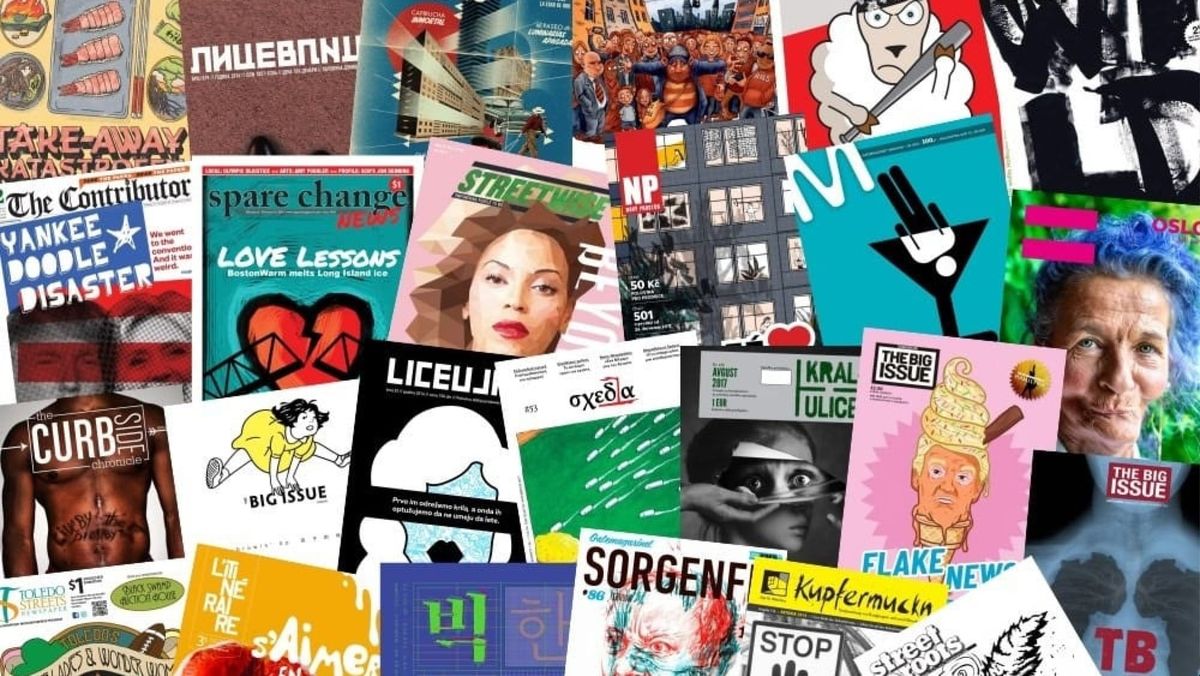
The Big Issue‘s success quickly demonstrated the profound impact of this model, inspiring similar initiatives globally. Recognizing the potential for a collective, supportive ecosystem, The Big Issue became a founding member of The International Network of Street Papers (INSP). Established to connect, support, and amplify the work of these independent social enterprises, INSP has grown into a formidable network spanning all corners of the globe, from the bustling streets of South Africa to the diverse communities of Australia, Brazil, Japan, and North Macedonia. The network continues to expand, with new publications like Dope Magazine, formed in 2024, joining its ranks, reflecting the ongoing relevance and adaptability of the street paper movement.
Navigating the Modern Media Landscape: Print Decline and Revenue Diversification
Despite its foundational strength and global reach, the street paper model has experienced significant stress in recent years, mirroring and often magnifying the broader challenges confronting the media industry. The most pronounced of these is the undeniable decline of print media. Globally, print newspaper circulation has seen a steady downturn for over a decade, exacerbated by the digital shift and changing consumer habits. In the UK, for instance, print sales for many publications have plummeted, with some national titles experiencing double-digit percentage drops year-on-year.
For street papers, this trend is particularly acute. Their operational model fundamentally relies on direct print sales and high footfall in urban areas, where vendors can engage directly with the public. The COVID-19 pandemic delivered a profound blow, dramatically altering social interactions and accelerating the decline of high streets as vibrant commercial hubs. Lockdowns, reduced commuting, and the shift to online shopping meant fewer people on the streets, making it significantly harder for vendors to reach customers. Reports, including those from The Big Issue itself, highlighted that over half of vendor greetings were going ignored, directly correlating with declining print sales.
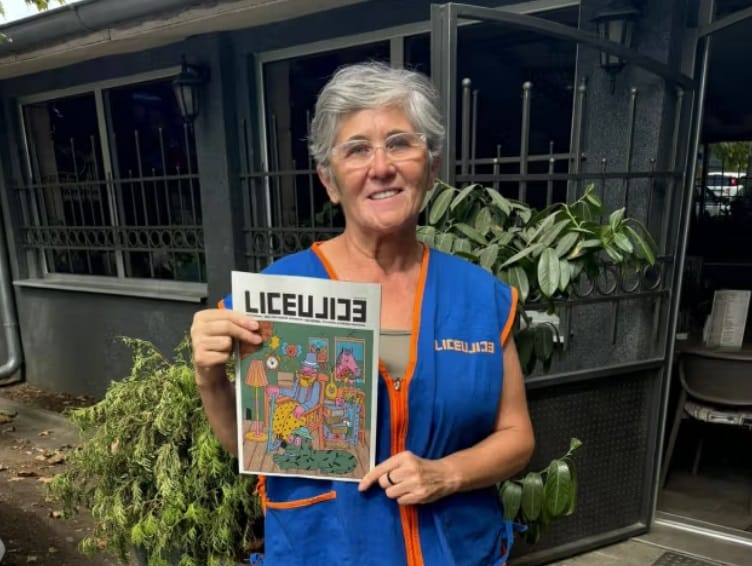
As independent social enterprises, each INSP member organization is responsible for generating its own income. This pressure on traditional revenue streams, such as print sales and advertising, has necessitated creative experimentation with new business models. Organizations are exploring diverse income-generating activities to sustain their operations and continue supporting vendors. Examples include selling branded merchandise, hosting events, or offering new services. A notable innovation comes from Norway’s largest street paper, =Oslo, which has embarked on a unique venture: training its vendors as baristas. These vendors then operate coffee shops, not only providing additional income streams but also creating new points of sale for their street paper, integrating their mission into the fabric of daily urban life in a novel way. This diversification strategy is critical for the long-term resilience of the street paper model in an increasingly digital and economically challenging environment.
Geopolitical Realities: Press Freedom and the Global Footprint of Street Papers
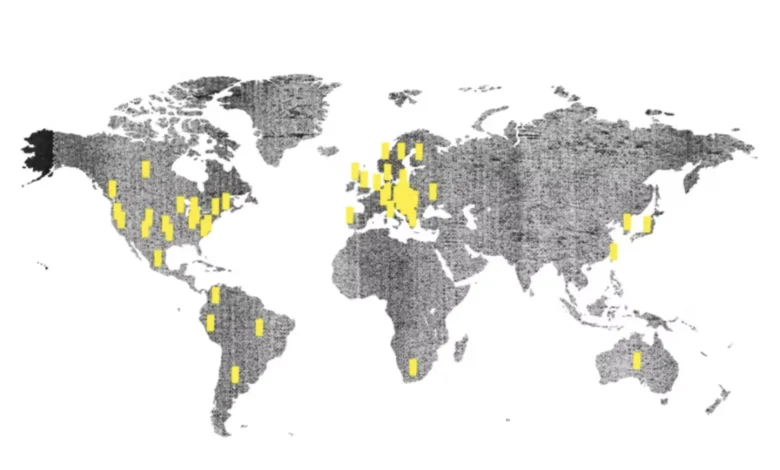
The global distribution of street papers within the INSP network offers a telling insight into the state of press freedom and political regimes worldwide. While the network boasts members across 35 countries, a significant geographical absence is noticeable, particularly across large swathes of Africa (with the notable exception of South Africa), most of Asia, and the Middle East. This pattern is not coincidental but directly reflects the prevailing political and social environments.
INSP operates on an application basis, meaning its presence is predicated on both local demand and the existence of safe opportunities for the vendor model to thrive. In regions where press freedom is curtailed, where independent media faces severe restrictions, or where authoritarian regimes suppress dissent, establishing and operating a street paper becomes an impossible or highly perilous endeavor. Street papers, by their very nature, empower marginalized voices and often touch upon sensitive social issues like poverty and inequality, making them potential targets for state surveillance or suppression. In such restrictive environments, the act of a vendor selling a paper on the street can be viewed with suspicion, and the publication itself as a form of critical or undesirable press.
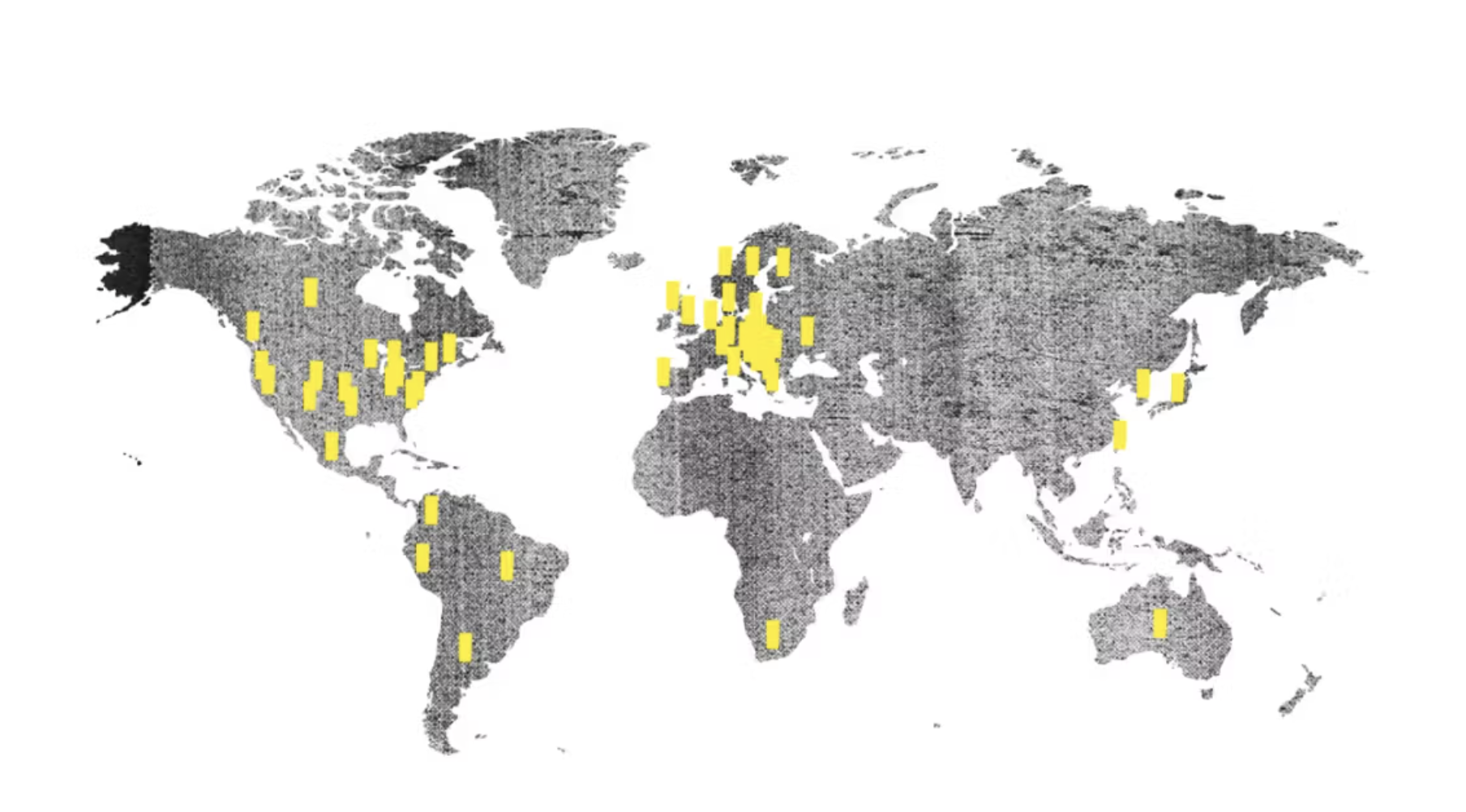
The absence of street papers in these regions underscores the profound challenges faced by independent media and civil society organizations in environments lacking robust democratic institutions and protections for freedom of expression. The INSP map serves as a stark visual representation of where independent, socially-focused journalism can flourish and where it is systematically stifled, highlighting the critical link between media viability and fundamental human rights.
Empowering Lived Experience: The "Changing the Narrative" Academy
Beyond economic and political pressures, street papers grapple with a crucial journalistic challenge: ensuring that the voices of those experiencing homelessness and poverty are authentically represented in the media. Traditional news sectors, particularly in countries like the UK, often suffer from a lack of socio-economic diversity. Data from the Reuters Institute, for example, indicates that only around nine percent of journalists in top positions in the UK come from working-class backgrounds. This demographic imbalance often leads to a disconnect in coverage, where stories about poverty and homelessness are either untold, misrepresented, or framed through an outsider’s lens, sometimes falling into tropes of "poverty romanticization" or perpetuating harmful stigmas.
To directly address this representational gap, INSP launched the "Changing the Narrative" academy. This innovative training program is designed to equip individuals with lived experience of homelessness and poverty with the journalistic skills to tell their own stories, ensuring authenticity and depth. The academy’s philosophy is rooted in the belief that direct, first-person narratives are not only more accurate but also more impactful, fostering greater understanding and empathy among readers.

The intensive 10-week program covers foundational aspects of journalism. Participants engage in five afternoon workshops, delving into the fundamentals of media, understanding different news types, critically assessing trust and bias in reporting, and mastering the craft of compelling headlines and engaging hooks. Each participant undertakes written assignments, receiving personalized, one-to-one support that balances encouragement with constructive challenge. This hands-on approach is crucial for building confidence and honing journalistic abilities.
A significant highlight of the academy is the "meet the journalists" panel, providing an invaluable opportunity for participants to interact directly with senior industry professionals and representatives from educational institutions like Glasgow Clyde College. These sessions foster networking, mentorship, and practical career guidance. The program’s success is already evident, with one participant successfully securing a place on a journalism qualification course, a testament to the academy’s effectiveness in opening doors within the media industry.
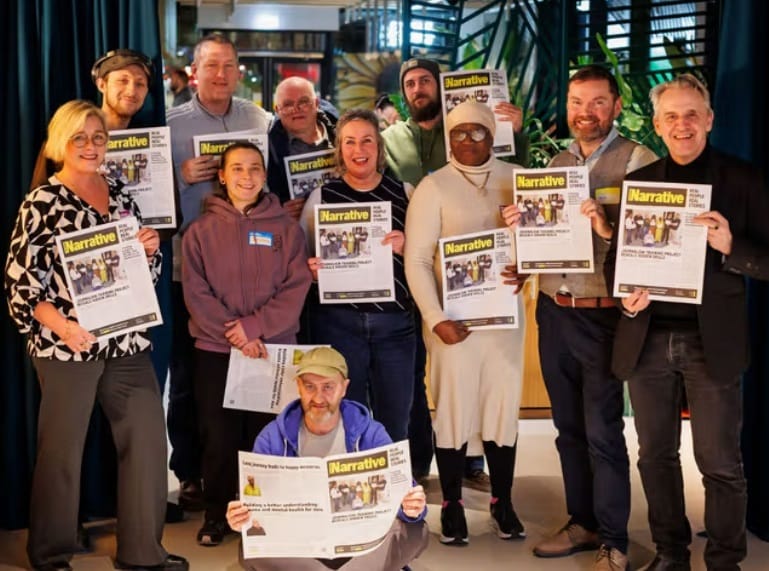
In total, 15 participants have successfully completed the project, receiving certificates of attendance and achievement from INSP. Their powerful stories have been disseminated through INSP’s global news service, reaching a wide international audience, and also compiled into a newly formed newspaper, The New Narrative. This publication serves as a powerful platform for their voices, demonstrating the direct impact of the academy. Anecdotally, Mike Findlay-Agnew, chief executive of INSP, confirms the program’s tangible benefits, noting that readers are more inclined to purchase copies of street papers when they know vendors have contributed directly to the content. As he explains, "A lot of our members in the US encourage vendors to write for the street paper and actually what vendors find is if they’re stood in a street corner and saying ‘buy this street paper I’m actually featured in it’ that they tend to get more sales." This direct connection not only enhances sales but also humanizes the vendor, breaking down barriers and fostering a deeper connection between the paper, its sellers, and its readership. The success of this initial phase has prompted INSP to actively weigh options for a second phase, aiming to expand its reach and impact.
Strategic Partnerships and Industry Collaboration: Strengthening the Ecosystem
Recognizing that street papers cannot thrive in isolation, INSP has diligently cultivated strategic media partnerships over the years. These collaborations are vital for providing essential resources, enhancing editorial quality, and amplifying the street paper movement’s message. One of its most significant partnerships is with the global news agency Reuters. Through the Reuters Connect platform, INSP members gain free access to Reuters’ extensive library of high-quality images.
This partnership is invaluable for street papers, many of which operate on limited budgets and would otherwise struggle to acquire professional visual content. High-quality imagery is crucial for enhancing the editorial appeal of their publications, making them more engaging and competitive in a crowded media landscape. For organizations whose core mission revolves around tackling complex social issues like homelessness and poverty, access to diverse and compelling visual narratives is a vital resource, helping them to tell their stories more effectively and professionally. This collaboration not only supports the editorial work of member papers but also directly contributes to their charitable aims by improving their public presentation and reach.
Looking ahead, INSP is actively seeking new forms of industry collaboration. The network understands that a collective effort from various sectors of the media and beyond is necessary to sustain and grow the street paper model. Potential partnerships could involve content sharing, mentorship programs, technological support, or joint advocacy campaigns. By forging stronger ties with established media organizations, technology companies, and philanthropic entities, INSP aims to leverage broader industry expertise and resources to further empower its member papers and their vendors.
Advocacy and Political Engagement: Momentum at Westminster

INSP’s collaborative ambitions are not limited to the media industry; they are also gaining traction at the highest levels of political engagement. A recent Westminster event, hosted with the crucial support of Members of Parliament including Martin Rhodes (Glasgow North) and Chris Kane (Stirling and Strathallan), marked a significant step in raising the profile of street papers within the UK’s political landscape.
This event brought together a diverse group of stakeholders: political leaders, representatives from major media organizations, and funders. The primary objective was to advocate for greater industry and political support from central government for street papers and their vendors. Discussions centered on strategies to amplify the voices of those with lived experience, integrate their perspectives more deeply into mainstream discourse, and secure the necessary resources for the long-term sustainability of the street paper model.
Mike Findlay-Agnew underscored the broader significance of such high-level engagement, stating, "There’s something bigger picture-wise, particularly from a UK perspective, about leveraging political leaders, decision makers, charitable organisations and media organisations to get more lived experience represented." This reflects a strategic move to position street papers not just as independent publications but as vital social institutions that contribute to a more inclusive and representative media environment. The presence of MPs and the engagement of various sectors signal a growing recognition of the unique value street papers bring to society, not just as a source of income for vendors but as a platform for marginalized voices and a tool for social cohesion.
The Westminster event is envisioned as merely the beginning of a sustained advocacy effort. INSP is keen to build upon these foundational conversations, translate interest into tangible commitments, forge new, impactful partnerships, and ultimately secure the resources needed to expand its work and ensure the continued vital role of street papers in addressing homelessness and poverty. The aim is to create a more supportive ecosystem where policy, media, and charitable efforts converge to empower those on the margins, ensuring their stories are heard and their experiences contribute to a more just and equitable society.

Looking Ahead: Sustaining the Mission
The journey of street papers, from the pioneering efforts of The Big Issue to the global reach of INSP, is a testament to the enduring power of social enterprise and community-driven journalism. As they navigate the complexities of a rapidly changing media landscape, the challenges of print decline, geopolitical restrictions on press freedom, and the ongoing struggle for authentic representation, street papers continue to innovate. Through initiatives like the "Changing the Narrative" academy, strategic partnerships with global news agencies, and targeted political advocacy, INSP and its members are not just surviving; they are evolving, adapting, and reinforcing their critical role in fostering social inclusion and empowering marginalized communities worldwide. The future of street papers hinges on continued innovation, robust partnerships, and unwavering support from both the public and key decision-makers, ensuring that the voices of those often unheard continue to resonate.
Related posts: