In the dynamic realm of social media, Facebook remains a cornerstone for businesses and brands seeking to cultivate meaningful connections with their audiences. Despite the proliferation of newer platforms, Facebook’s extensive global reach, boasting over 3 billion monthly active users, solidifies its position as an indispensable channel for digital marketing. However, merely having a presence is no longer sufficient; the imperative for brands in 2026 is to actively drive and sustain high levels of engagement. This strategic focus is not merely about accumulating "vanity metrics" but about leveraging the platform’s sophisticated algorithm to enhance organic reach, foster brand loyalty, and ultimately, contribute to tangible business objectives.
Understanding Facebook Engagement: Beyond the Likes
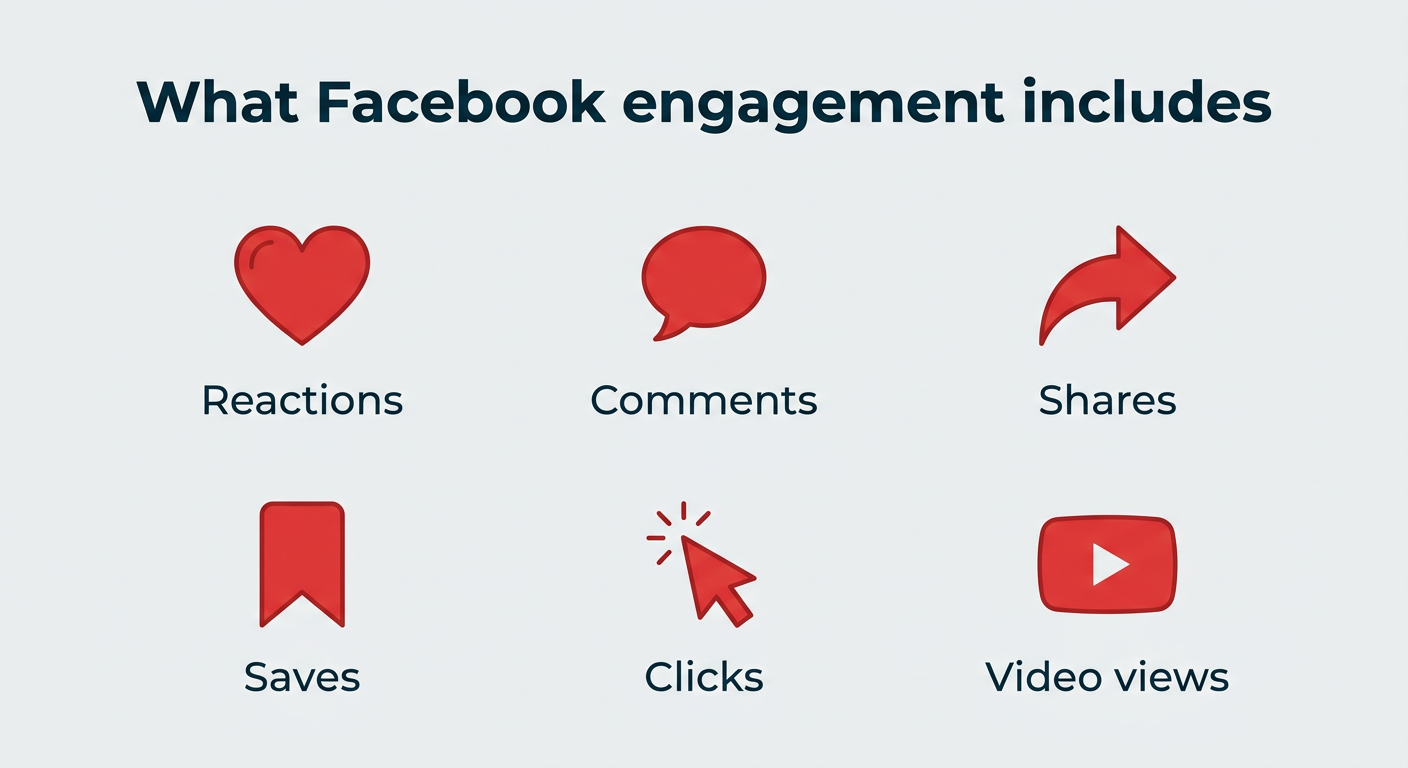
Facebook engagement encompasses any interaction a user undertakes on a brand’s page or posts. This includes a spectrum of actions, from active gestures like reactions (likes, loves, laughs, wows, sad, angry), comments, and shares, to more passive yet equally valuable interactions such as clicks on links, photos, or videos, and saves. Each of these actions serves as a signal to Facebook’s algorithm, indicating the relevance and value of the content.

Historically, Facebook’s algorithm has evolved significantly. Initially prioritizing content from friends and family, it gradually shifted to emphasize "meaningful interactions" within communities and, more recently, has heavily leaned into visual content, particularly short-form video. This algorithmic preference means that posts generating genuine engagement are more likely to appear higher in users’ News Feeds, thereby expanding their organic reach beyond a brand’s immediate follower base. A single share, for instance, can introduce content to an entirely new network, multiplying its potential audience without direct advertising spend. For enterprise-level marketing teams, engagement metrics are crucial key performance indicators (KPIs), offering reportable insights into audience sentiment and content effectiveness. With 36% of marketers globally identifying Facebook as their most important social platform in 2026, the stakes for optimizing engagement are remarkably high. Low engagement rates often signal a need for strategic re-evaluation, prompting exploration into new content formats, themes, or distribution tactics.
The Strategic Imperative: Boosting Interaction in 2026
Increasing Facebook engagement in the current digital climate demands a multifaceted strategy centered on consistent posting, the creation of high-quality, relevant content, a strong emphasis on short-form video formats like Reels, and proactive encouragement of user interaction through questions, comments, and community-driven features. The following strategies are designed to integrate seamlessly into any Facebook engagement plan, with a particular focus on fostering genuine interaction.
1. Dominance of Short-Form Video: The Reign of Reels
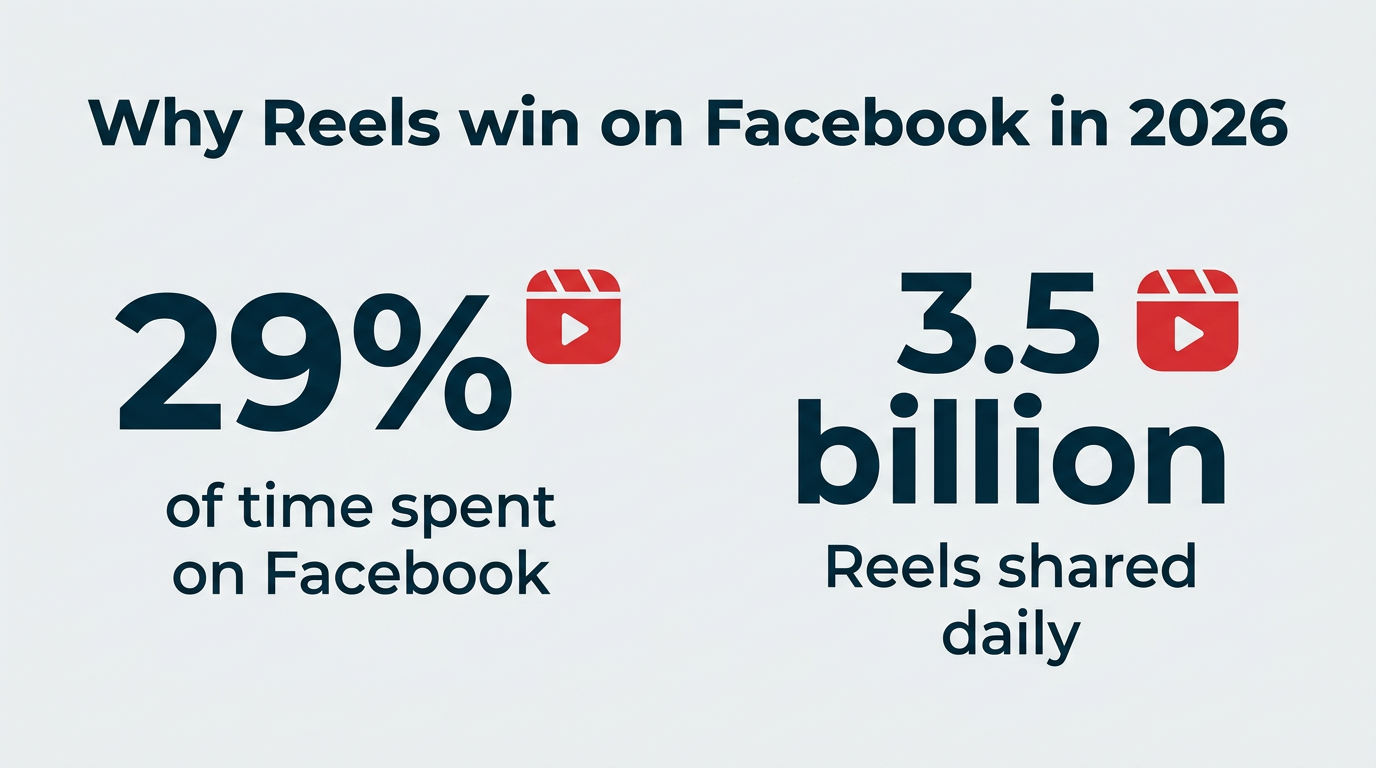
The ascendancy of short-form video content is undeniable across Meta’s ecosystem. Reels now constitute a significant 29% of time spent on Facebook, establishing them as the premier format for driving engagement in 2026. The sheer volume of user-generated Reels—3.5 billion shared daily across Facebook and Instagram—underscores their captivating power. Most short videos uploaded to Facebook are now automatically published as Reels, significantly increasing their visibility in the feed and enhancing discoverability by users who do not yet follow a brand’s page. This algorithmic favoritism presents a golden opportunity for brands. Content creators need not reinvent the wheel; repurposing high-performing Instagram Reels or TikToks can be highly effective, provided the content feels native and authentic to the Facebook environment.
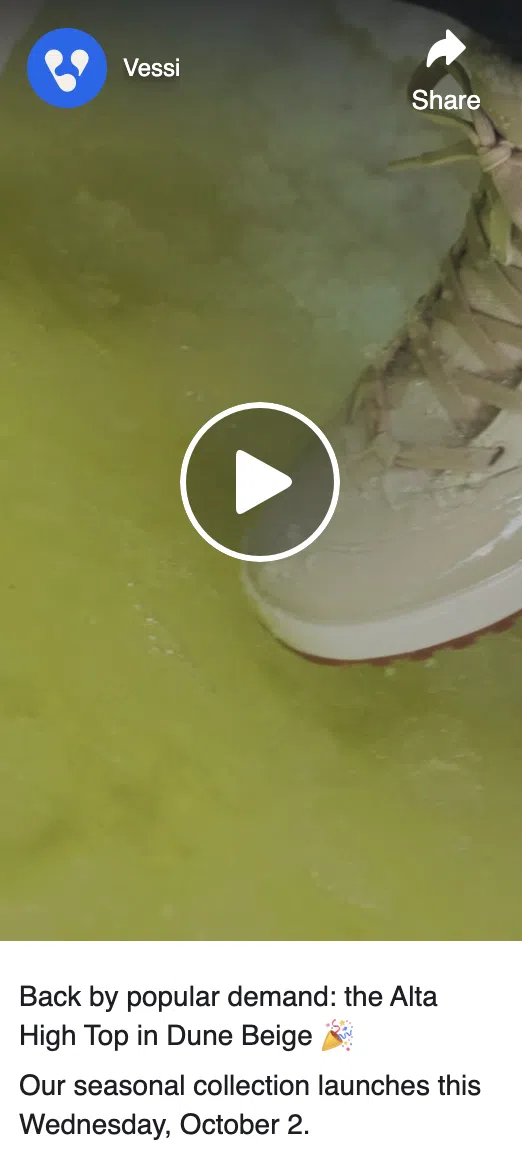
Beyond Reels, general video content consistently outperforms static photo posts in engagement metrics. Even simple, atmospheric videos, like those from shoe brand Vessi, can effectively capture the attention of a fast-scrolling audience. For even higher engagement, Facebook Live videos offer unparalleled real-time interaction, as exemplified by animal rescue organizations like Helping Hounds Dog Rescue, which often feature pets during live broadcasts to great effect. It is crucial to optimize video for mobile viewing, prioritizing vertical formats that occupy maximum screen real estate. Furthermore, uploading videos directly to Facebook, rather than sharing external links, ensures algorithmic prioritization and better performance.
2. Content that Connects: Educate, Entertain, Inspire
At its core, successful Facebook content eschews direct sales pitches in favor of delivering genuine value. Audiences seek content that educates, entertains, informs, or inspires. For instance, tax preparation firm H&R Block adeptly balances practical tax tips with relatable, humorous memes, demonstrating an understanding of its audience’s desire for both utility and entertainment. The key is to shift from a broadcast mentality to a conversational one, providing content that resonates deeply and evokes a response.
3. Audience-Centric Content: Knowing Your Community
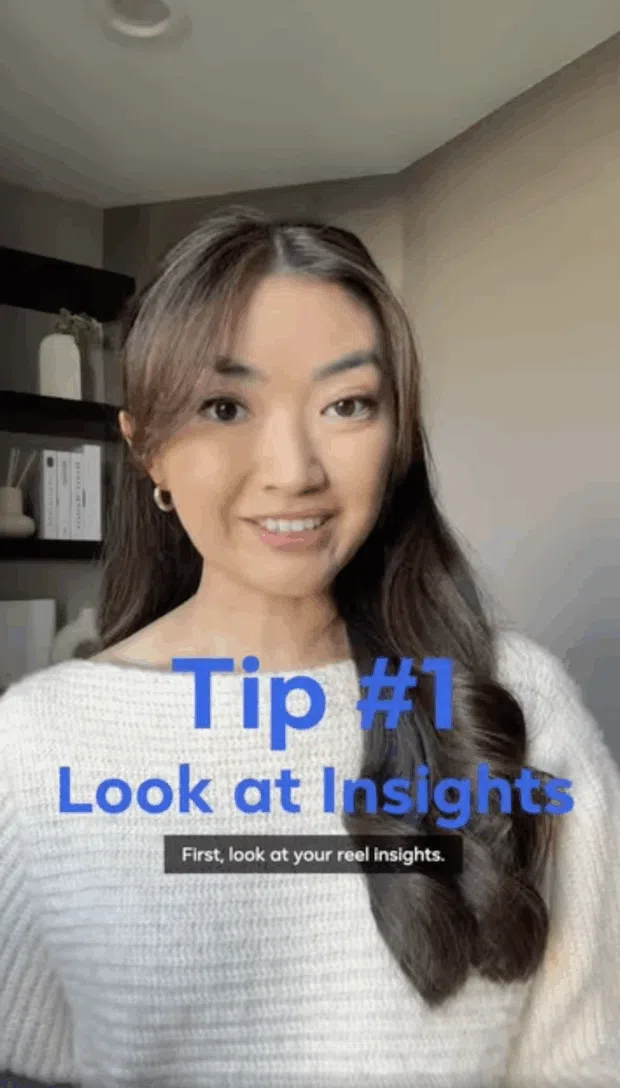
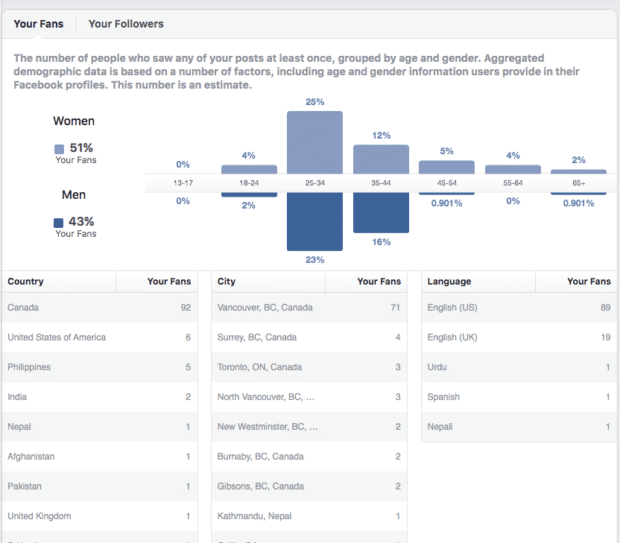
Effective engagement hinges on an intimate understanding of the target audience. Marketers must move beyond assumptions about what might be engaging and delve into data-driven insights. Tools like Facebook Page Insights offer a wealth of demographic information, revealing crucial details about user age, location, interests, and online behavior. This data is critical for tailoring content that genuinely addresses audience needs and preferences. A salient insight is that 98.3% of Facebook users access the platform via mobile devices. This necessitates concise, visually driven content designed for quick consumption. Skincare brand Glossier exemplifies this by employing minimalist text alongside stunning visuals and tagged products, a strategy perfectly suited for mobile scrolling.

4. The Power of Quality Visuals: Impact Over Quantity
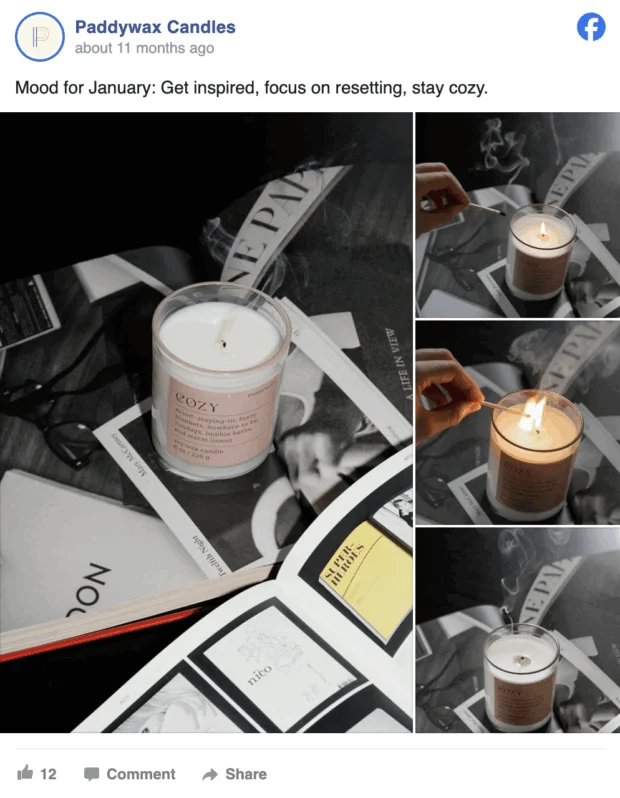
In a crowded feed, visual appeal is paramount. High-quality images and videos are proven to significantly boost engagement. This doesn’t necessitate expensive professional photography; Facebook itself advises that original photos, even those taken with a smartphone, can feel more personal and relatable than stock images. Brands like Pantone effectively curate and share vibrant, high-quality photography from various artists, demonstrating an understanding of visual storytelling. Similarly, candle brand Paddywax maintains a consistent aesthetic with well-lit, thoughtfully composed product and lifestyle shots that are both striking and authentic. The focus should always be on quality, ensuring visuals are crisp, well-framed, and aligned with brand identity.

5. Authenticity and Humanity: Building Relatability
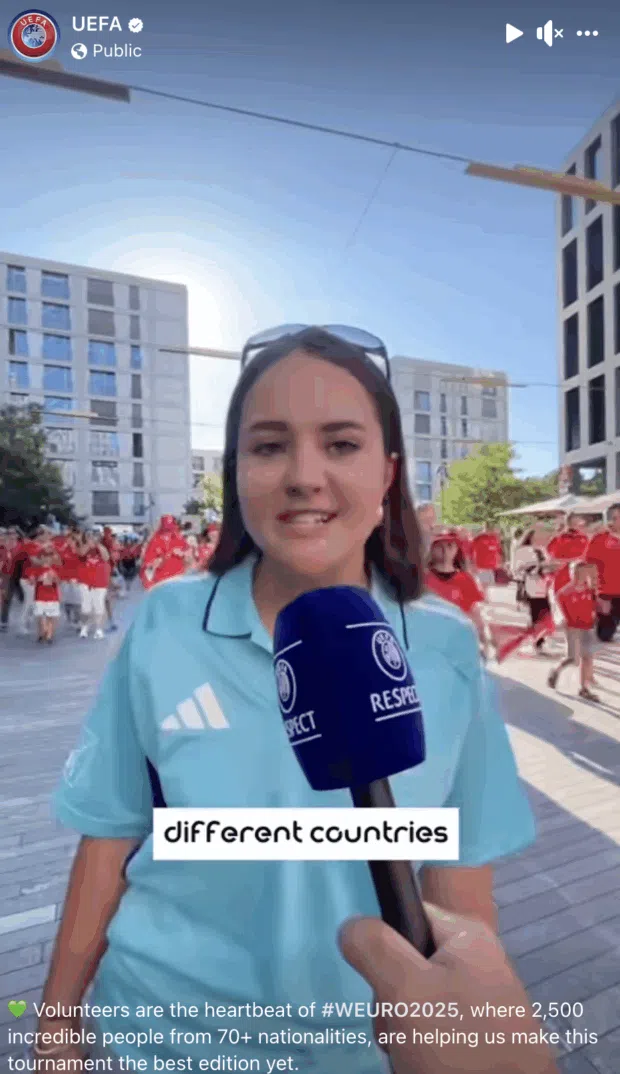
Modern audiences crave authenticity. Brands that share behind-the-scenes glimpses, express genuine emotions, advocate for their values, or simply share relatable content tend to foster stronger connections. UEFA, for instance, goes beyond showcasing football stars to highlight the often-unseen volunteers who are integral to their tournaments, celebrating the human element of their organization. Overly polished or corporate content can often feel distant; instead, brands should embrace a certain level of rawness and intimacy to build trust and emotional resonance.
6. Amplifying Voices: User-Generated Content (UGC)
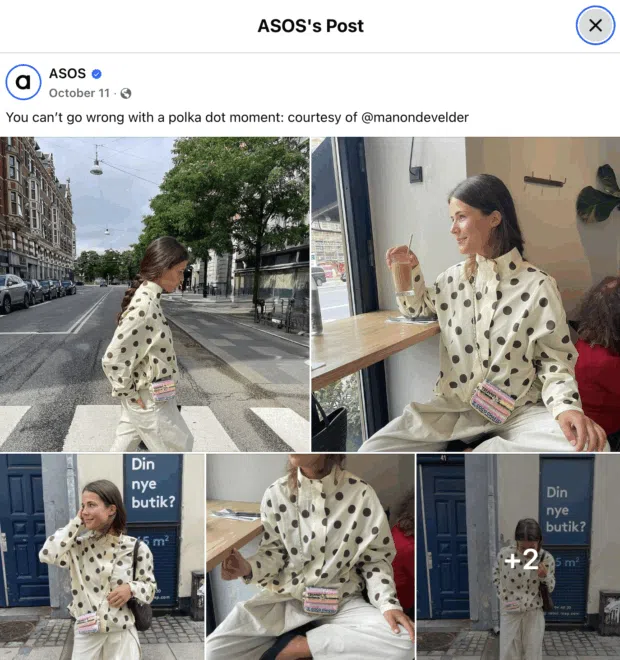
User-generated content (UGC)—comprising user-created text, videos, images, and reviews—is a powerful testament to brand loyalty and a highly effective engagement driver. Sharing UGC not only celebrates an audience but also encourages others to contribute, creating a virtuous cycle of content creation and interaction. Brands with active communities tagging them in posts should consistently re-share this content, always giving credit. For brands still building their audience, collaborating with UGC creators, as seen with fashion retailer ASOS, can jumpstart this strategy. UGC reliably garners high engagement because it serves as authentic social proof, resonating more deeply than brand-produced advertisements.

7. Sparking Conversation: Thoughtful Questions
Directly asking questions is a straightforward yet potent method for igniting conversation in the comments section. The algorithm favors posts that generate meaningful dialogue. The key is to ask questions that genuinely invite thoughtful responses, such as seeking opinions, asking for advice, or posing "either/or" dilemmas. Burger King’s simple query asking fans to pick their favorite deal effectively stimulated engagement. Additionally, asking the audience what content they wish to see can provide valuable insights and lead to the creation of highly targeted, high-engagement posts.

8. Nurturing Dialogue: Responsive Engagement
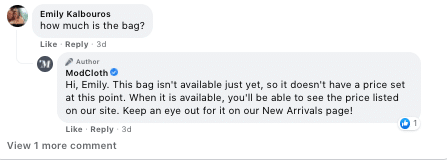
When users take the time to comment, a brand’s reciprocal engagement is crucial. Responding to comments makes users feel seen and valued, reinforcing their willingness to interact in the future. For high-volume comments, especially for enterprise teams, efficient tools like Hootsuite’s Nest can route messages to appropriate team members, ensuring timely and relevant responses, whether a simple "thanks" or a detailed customer support follow-up, as effectively managed by brands like ModCloth. This proactive engagement transforms a monologue into a dialogue, building a loyal community.

9. Strategic Timing and Consistency: Optimizing Delivery
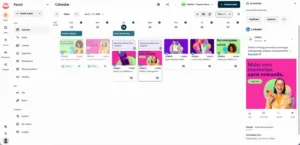
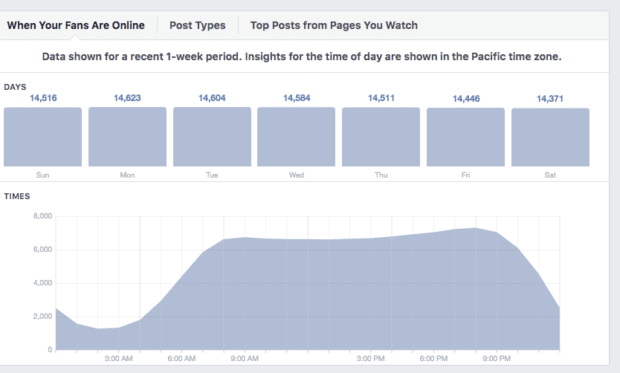
While Facebook’s algorithm dictates what appears in the News Feed, posting at optimal times significantly increases the likelihood of initial engagement. Facebook itself advises that posting when fans are online boosts visibility. Tools like Hootsuite’s Perch provide data-driven insights into the best posting times for specific audiences. Beyond timing, consistency is paramount. Regular posting helps audiences anticipate new content and signals to the algorithm that the page is active and relevant. Most social media experts recommend at least two to three posts per week, allowing for a fine-tuning of cadence through continuous testing.
10. Ephemeral Connections: Leveraging Facebook Stories
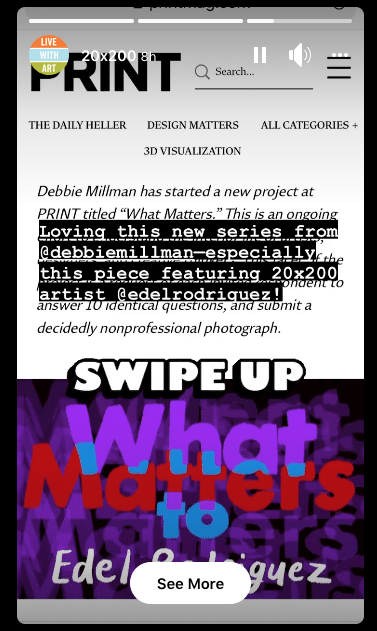
Facebook Stories, prominently positioned at the top of the News Feed, offer prime visibility and are utilized by 500 million people daily. Stories provide a less formal, more spontaneous avenue for interaction. Brands can post more frequently without cluttering the main feed, and the lower production value expectations encourage authentic, behind-the-scenes glimpses, as seen with art retailer 20×200. This casual, frequent touchpoint strategy fosters a stronger connection with followers, increasing their likelihood of engaging with a brand’s main page content.
11. Community Hubs: Building Facebook Groups
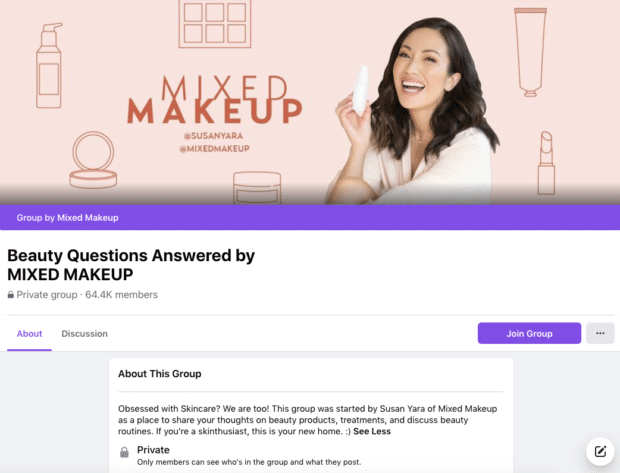
Creating or participating in Facebook Groups is an exceptional way to cultivate deep engagement and brand loyalty. With nearly 1.8 billion people using Facebook Groups, these spaces offer a platform for focused discussions and shared interests. Mixed Makeup’s private group, boasting over 64,000 members, serves as a vibrant community for sharing skincare tips and beauty questions. Clear group guidelines are essential to maintain productive conversations. For brands, groups can foster a sense of belonging, translating into increased engagement on their main pages and invaluable insights into audience needs.

12. Extending Reach: Employee Advocacy and Influencer Partnerships
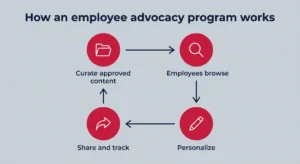
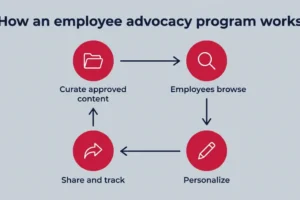
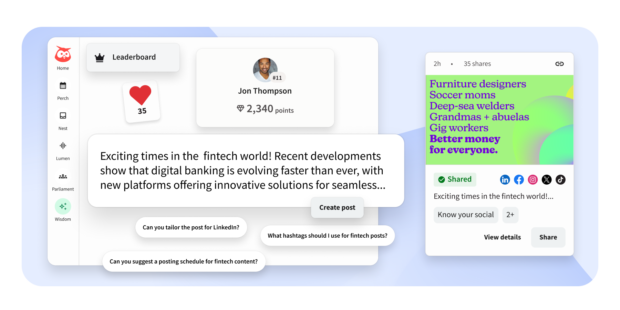
When content is shared by individuals, Facebook interprets this as a strong indicator of its value. Encouraging employees, family, and friends to share brand content with their networks significantly amplifies reach and boosts algorithmic visibility. Employee advocacy tools like Hootsuite’s Parliament streamline this process, enabling brands to curate pre-approved, on-brand content for easy sharing. Additionally, collaborating with ambassadors, influencers, or partners, often through paid campaigns, can introduce content to broader, targeted audiences, leveraging the credibility and reach of established voices.
13. Amplifying Content: Boosting Posts and Targeted Ads
For immediate reach expansion, boosting a Facebook post is a direct and efficient advertising method. This lightweight advertising option allows content to reach a wider, specified audience, naturally leading to increased engagement. For more sophisticated campaigns, Facebook Ads Manager provides granular control over audience targeting and budgeting. Integrating paid advertising efforts with organic strategies through a unified dashboard, as offered by platforms like Hootsuite, enables scalable and efficient management of overall Facebook presence.
14. Timeliness and Relevance: Joining Trending Conversations
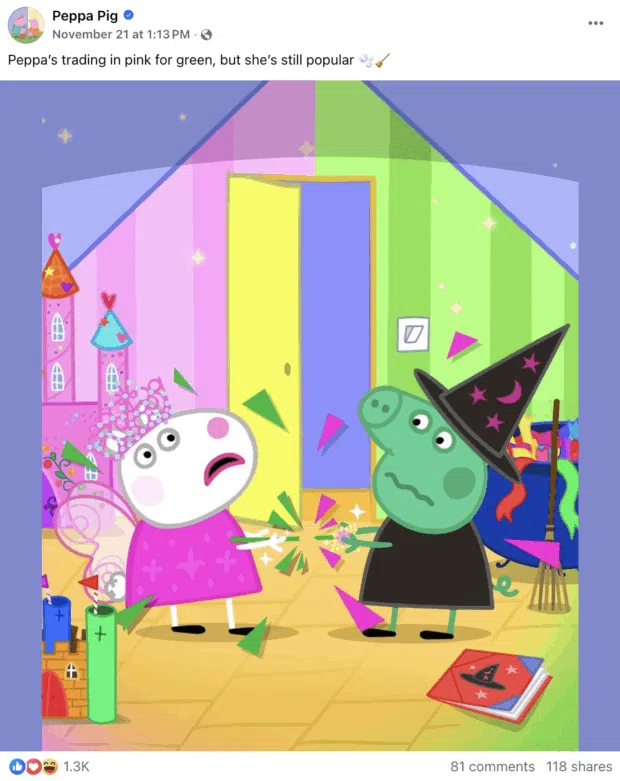
Capitalizing on major events, holidays, or trending topics is an effective way to diversify content and demonstrate brand relevance. This strategy, often referred to as "newsjacking" or "trendjacking," allows brands to tap into existing conversations, expanding their reach and attracting new audiences. Even children’s character Peppa Pig engaged with the "Wicked" movie craze, illustrating how brands can playfully connect with cultural moments to generate interest and engagement.
15. Building Credibility: The Verified Badge
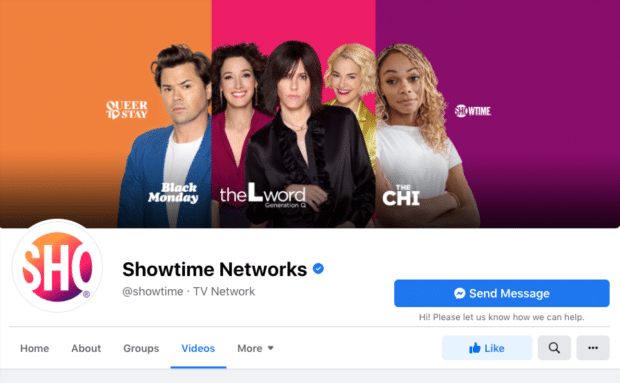
In an era of misinformation and brand impersonation, a verified badge on Facebook instills trust. The blue checkmark signals authenticity, assuring users that they are interacting with the official brand page. This is particularly crucial for larger entities like Showtime, where users need to be confident they are receiving content directly from the network. A verified status encourages engagement by mitigating concerns about fake accounts and enhancing brand credibility.
16. Ethical Engagement: Avoiding "Engagement Bait"
While the goal is to boost interaction, direct requests for likes, shares, or comments solely to manipulate the algorithm ("engagement bait") are penalized by Facebook. The platform actively downranks such posts, as they lack genuine value. Facebook’s guidelines explicitly differentiate between authentic questions and empty prompts designed to elicit superficial reactions. The emphasis should always be on creating original, relevant content that organically sparks meaningful conversations, rather than resorting to tactical shortcuts.
17. Data-Driven Optimization: Social Listening and A/B Testing
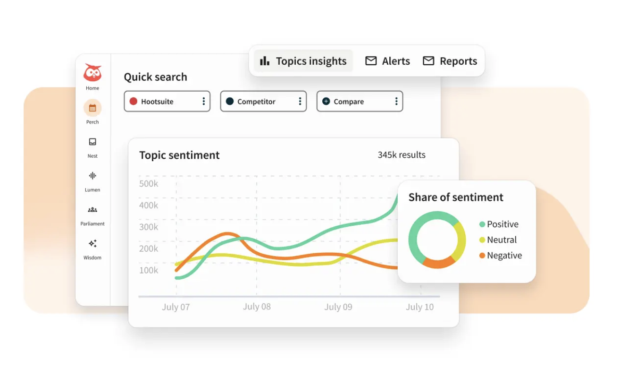
Successful Facebook engagement is an iterative process. Social listening tools, such as Hootsuite’s Perch or Talkwalker’s Lumen, are indispensable for monitoring brand mentions, trending topics, and competitor activities. Quick Search in Perch, for example, allows brands to identify industry buzz and transform timely insights into engaging content. Beyond listening, continuous A/B testing is crucial. While video often outperforms other formats, a brand’s specific audience might respond better to quick photo posts. Experimentation, coupled with robust social media analytics, provides the empirical data needed to refine strategies and maximize content effectiveness.
18. Maximizing ROI: Repurposing High-Performing Content
When content performs exceptionally well, its life cycle should be extended through repurposing. A successful how-to video could be transformed into a blog post, an Instagram Reel into a Facebook Reel, or a series of engaging photos into a Story. Cross-platform repurposing ensures that valuable content reaches wider audiences with minimal additional effort. Additionally, leveraging other marketing channels, such as websites and email signatures, to drive traffic to a Facebook Page, as practiced by publications like The Cut, can further amplify reach and engagement. Spreading out repurposed content over several weeks prevents redundancy and maintains audience interest.
Calculating and Tracking Engagement: The Metric of Success
Understanding the impact of these strategies requires robust measurement. The fundamental formula for calculating Facebook engagement rate is: Engagement rate = (Interactions / Audience) x 100. Interactions can include comments, likes, shares, and clicks, while "Audience" can refer to either followers or reach, depending on the specific metric being analyzed. While a free engagement rate calculator can automate this process, understanding the core formula is crucial. A good Facebook engagement rate in 2026 varies significantly by industry; while the median across all sectors might hover between 0.03% and 0.10% per post, specific niches like sports teams or higher education often see higher rates, while retail and finance may experience lower figures. Therefore, benchmarking against industry peers rather than a universal target is more insightful.

Tracking Facebook engagement efficiently means consolidating data and workflows. Hootsuite offers a comprehensive solution for managing the entire process:
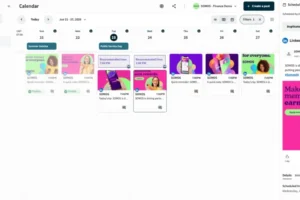
- Schedule and Publish: Utilize a shared content calendar and features like the Whiteboard to plan and schedule posts across all social channels, ensuring consistency and optimal timing.
- Monitor Interactions: A unified inbox allows teams to monitor and respond to all incoming comments and direct messages from a single interface, preventing missed opportunities for engagement.
- Analyze and Benchmark: Analytics dashboards provide detailed performance statistics from Facebook and other platforms, enabling replication of successful strategies. Industry benchmarks and competitive analysis features offer crucial context for performance evaluation.
- Listen for Trends: Advanced social listening tools, such as Lumen by Talkwalker, track sentiment, share of voice, and broader industry conversations, feeding valuable insights back into content strategy.
The Future of Facebook Engagement
While organic engagement rates for Facebook Page posts have seen a gradual decline over recent years, primarily due to a crowded feed and the algorithm’s shift towards recommended content, brands that strategically integrate short-form video and community-focused features continue to achieve strong interaction. The decline reflects an evolution in user behavior and algorithmic priorities, not a waning of user interest in the platform itself. Brands can also monetize their engagement through Meta’s programs, including in-stream ads, fan subscriptions, and the Performance Bonus program, provided they meet specific eligibility criteria. Ultimately, the Facebook algorithm prioritizes content that fosters genuine, meaningful interactions. Therefore, a holistic, data-driven approach that prioritizes valuable content, audience understanding, and community building is essential for any brand seeking to thrive on the platform in 2026 and beyond.
Save time managing your social media marketing strategy with Hootsuite. Publish and schedule posts, find relevant conversions, measure results, and more — all from one dashboard. Try it free today.