
In the modern digital economy, the success or failure of a brand’s marketing campaign often hinges on a single, highly concentrated element: the call to action, commonly referred to as a CTA. Whether embedded within a paid social media advertisement, a targeted email newsletter, or an optimized landing page, the primary function of a CTA is to bridge the gap between passive consumption and active engagement. When executed with precision, the right combination of typography, placement, and persuasive language can inspire an audience to execute high-value behaviors, such as completing a transaction, downloading educational resources, or registering for upcoming events. Conversely, a poorly formulated CTA risks blending into the background noise of an increasingly saturated digital marketplace, where modern consumers are constantly bombarded with competing commercial messaging.
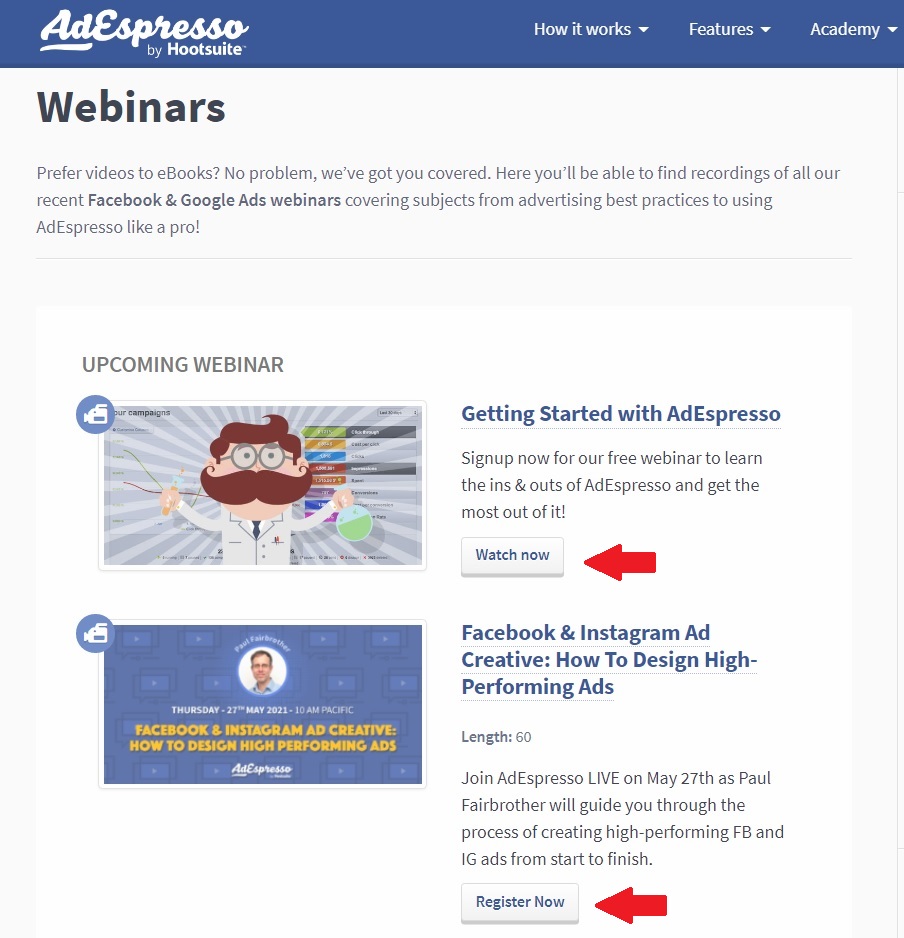
The Mechanics and Evolution of the Modern Call to Action
Historically, calls to action evolved from direct-response print advertising, where traditional phrases such as "Call Now" or "Mail This Coupon" served to elicit an immediate behavioral response from the reader. In the contemporary digital ecosystem, this concept has expanded exponentially. A CTA is now defined as any textual, graphical, or interactive prompt integrated into a marketing asset designed to provoke a targeted response from a designated audience demographic. These prompts range from simple, two-word imperative phrases like "Buy Now" to more elaborate, emotionally resonant sentences such as "Subscribe today so you never miss a vital market update."

Industry data underscores the psychological weight that a well-structured CTA carries. In environments characterized by consumer choice overload and decision fatigue, a clear, authoritative direction alleviates cognitive friction. When potential customers are provided with unambiguous instructions on what steps to take next, conversion efficiency rises correspondingly. Furthermore, incorporating elements that cultivate a psychological sense of urgency—such as limited-time availability or low-stock indicators—has been repeatedly shown by digital marketing researchers to accelerate consumer decision-making processes.

Navigating Ad Fatigue in Social Media Ecosystems

The necessity for highly refined CTA strategy has intensified due to widespread consumer resistance to traditional digital advertising. According to recent analytics compiled by media intelligence platforms, more than 22% of internet users actively employ ad-blocking software, with many citing pervasive ad fatigue as their primary motivation. In this climate, simply running a visually appealing ad is insufficient; every component of the promotional asset must work in concert to command user attention.

Digital marketers combat ad fatigue by leveraging precise action verbs paired with clear value propositions. Industry analyses of high-performing campaigns consistently categorize effective CTA verbs by their overarching vertical objectives. For instance, e-commerce brands lean heavily on transactional imperatives such as "Shop," "Reserve," and "Add to Cart," whereas software-as-a-service (SaaS) providers

utilize terms like "Get Started," "Subscribe," and "Sign Up." Non-profit organizations rely on altruistic directives such as "Donate," "Commit," and "Support," while digital publishers and educators favor acquisition verbs like "Download," "Claim," and "Learn More."

Anatomy of an Effective CTA: The LIFT Model and Emotional Resonance

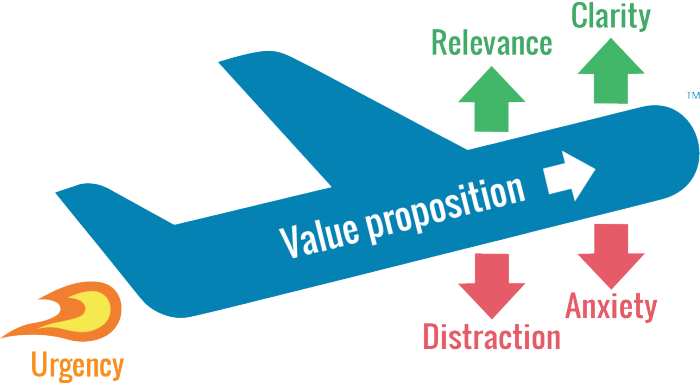
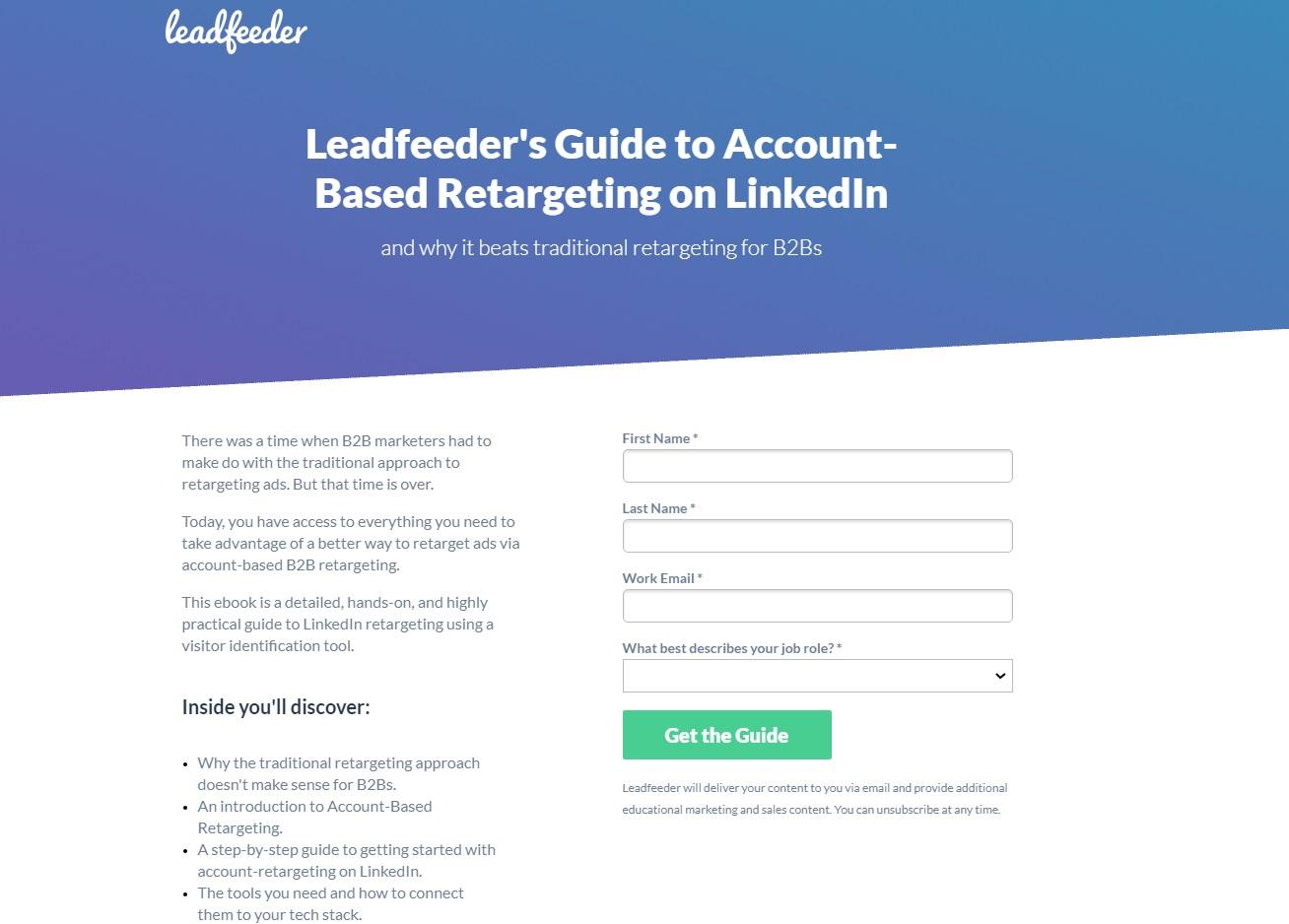
To evaluate the strength of a prospective CTA, marketing strategists frequently reference established frameworks such as the LIFT Model. This analytical tool examines conversion rate factors through distinct lenses: value proposition, relevance, clarity, urgency, anxiety, and distraction. Within this framework, a phrase such as "Download this ebook now" successfully aligns multiple psychological triggers. The word "Download" establishes functional relevance; "this ebook" provides absolute clarity regarding the offering; "now" introduces immediate temporal urgency; and the collective phrase reinforces the underlying value proposition.

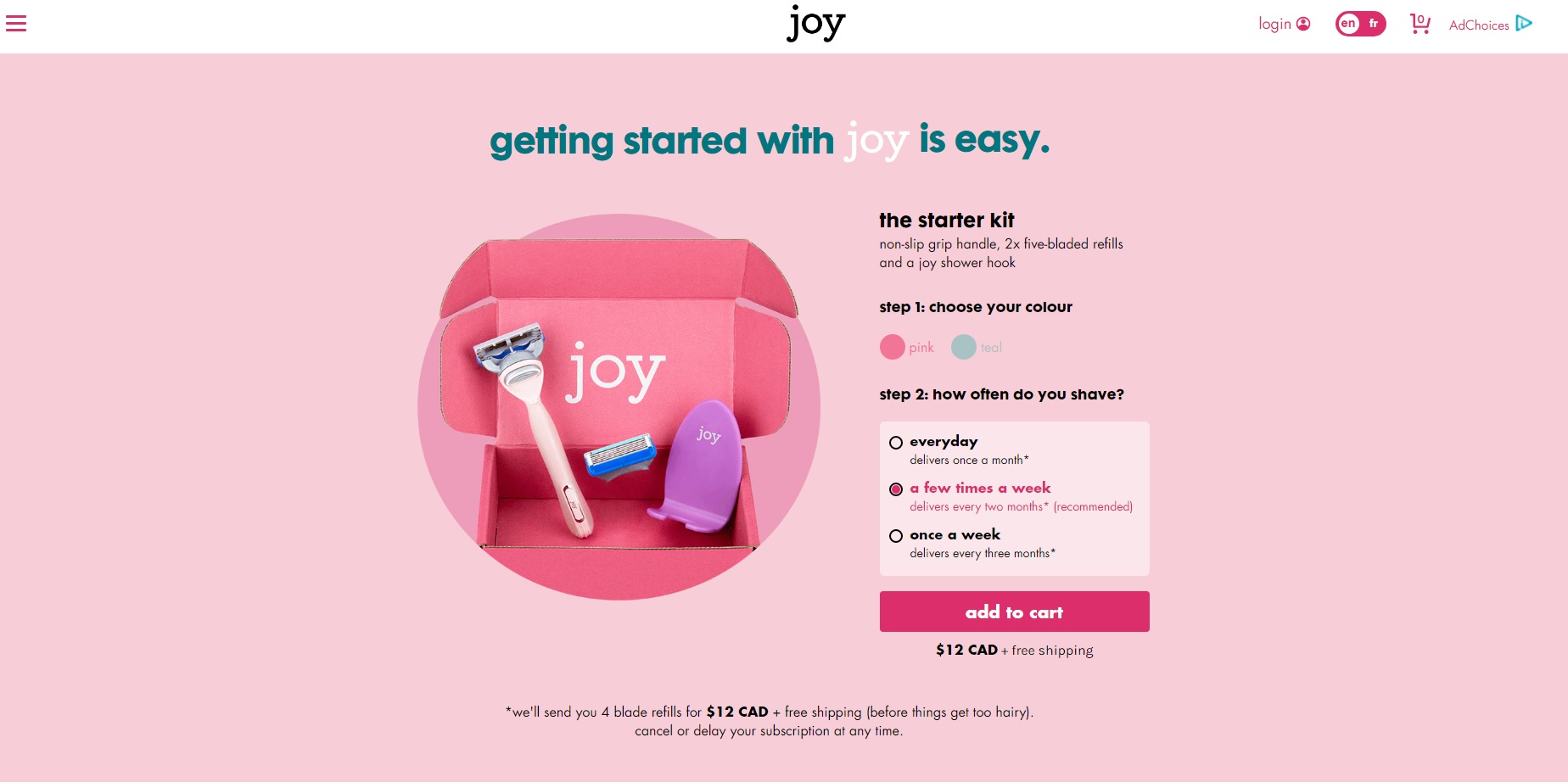
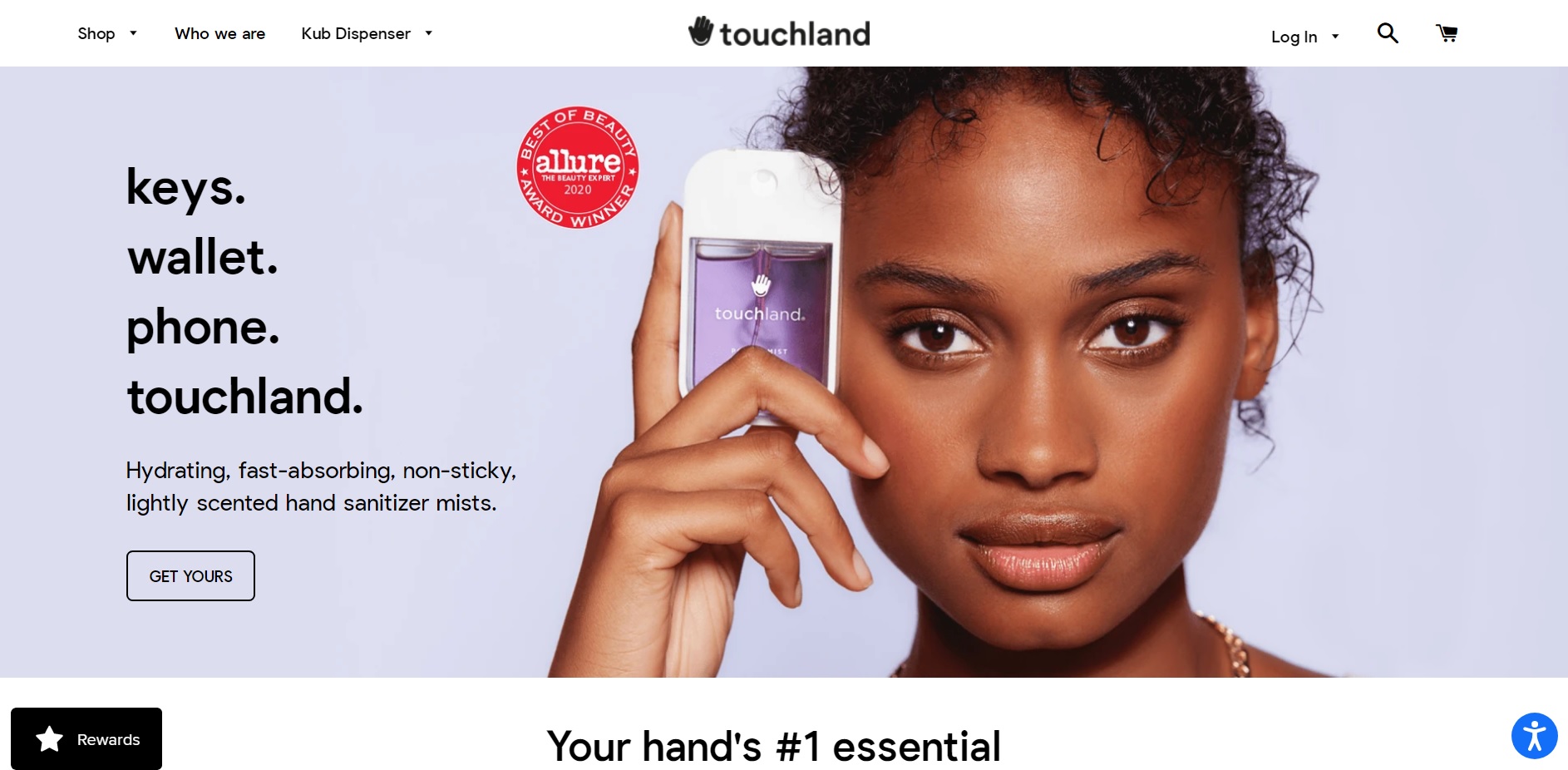
Beyond direct commands, brands frequently experiment with emotional resonance and sensory language to cultivate deeper consumer connections. Longer, more descriptive CTAs allow organizations to integrate modifiers that evoke specific emotional states. For example, wellness and lifestyle brands frequently deploy sensory-rich terminology to foster comfort, relaxation, or personal empowerment, transforming standard transactional interactions into experiential engagements. A notable illustration of this approach includes campaigns where brands redefine everyday nouns as action verbs, thereby capturing consumer attention through linguistic novelty and brand alignment.

Empirical Evidence and Split-Testing Methodologies

While theoretical frameworks provide a foundation for copywriting, empirical testing remains the definitive arbiter of CTA success. Digital marketing laboratories and advertising platforms routinely conduct large-scale split tests to quantify the exact financial and conversion impacts of varying CTA configurations.
In a notable controlled experiment conducted to evaluate the performance of native button variations within paid social media environments, researchers tested multiple text iterations against a control group utilizing no interactive button whatsoever. The empirical findings demonstrated a stark variance in performance metrics. The highest-performing CTA variation generated nearly 2.5 times the conversion volume of the control group while simultaneously reducing the cost-per-acquisition by more than half. These empirical outcomes illustrate that minor alterations in button terminology or visual presentation can profoundly alter campaign economics, reinforcing the necessity of continuous A/B testing over reliance on intuition alone.

Furthermore, academic and industry studies focusing on website and landing page design have documented substantial conversion lifts simply by shifting from plain text hyperlinks to visually distinct, elevated CTA buttons. Research published by optimization specialists indicates that button-based CTAs can elevate overall conversion rates significantly, with some template optimizations yielding gains exceeding 80% in specific publishing verticals and double-digit percentage increases in e-commerce checkout funnels.
Cross-Platform Implementation: From Social Feeds to Corporate Websites
The application of strategic CTAs extends across a diverse array of digital touchpoints, each requiring tailored optimization strategies:
-
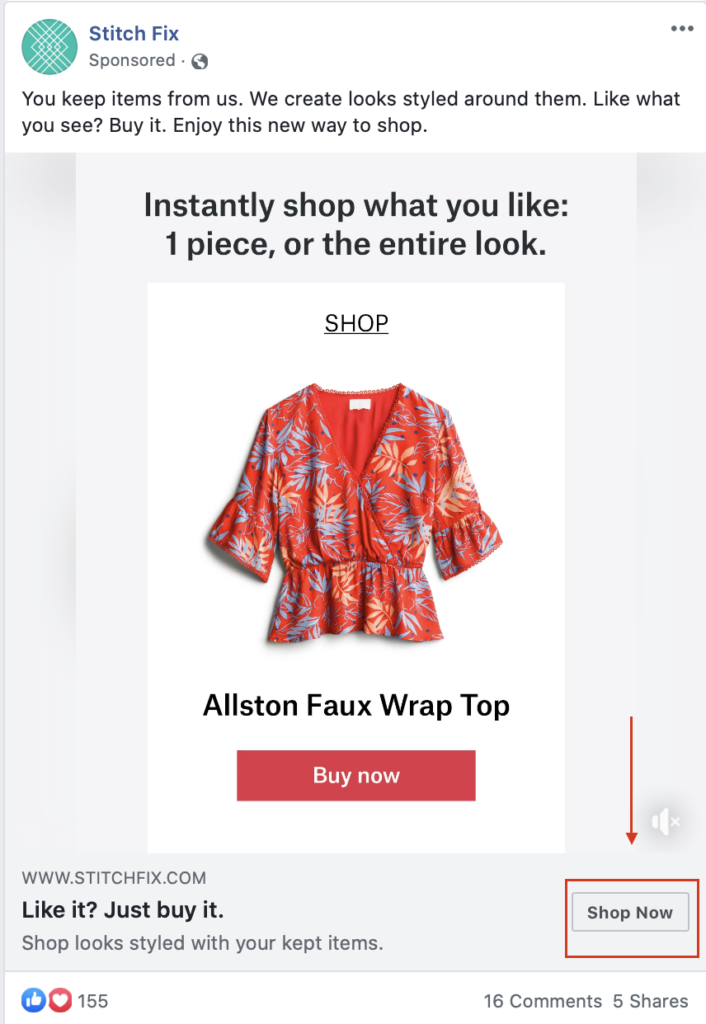
Paid Social Media Advertising Platforms: Major advertising networks feature native, interactive CTA buttons integrated directly into the user interface. Advertisers are advised to select button configurations that harmonize with the specific funnel stage—utilizing softer exploratory prompts like "Learn More" for top-of-funnel brand awareness campaigns, and high-intent imperatives like "Shop Now" for retargeting high-probability buyers.

-
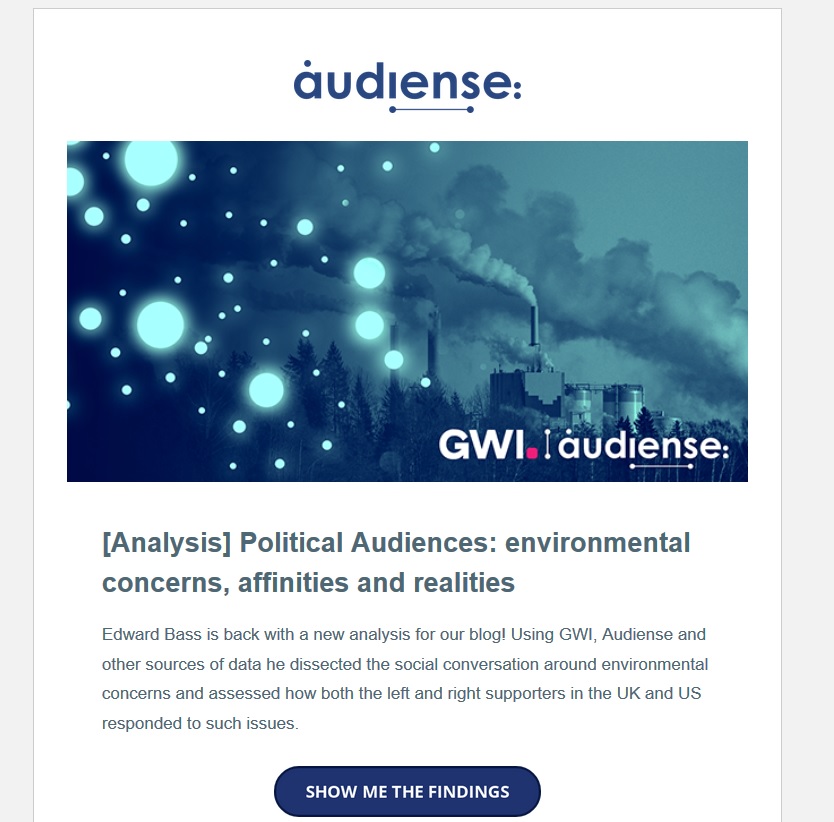
Email Marketing Campaigns: With average conversion rates fluctuating across sectors, email campaigns frequently benefit from a hierarchy of calls to action. Incorporating both primary button elements and secondary contextual text links accommodates differing reading behaviors among subscribers, ensuring that mobile and desktop users alike can easily execute the desired response.
-
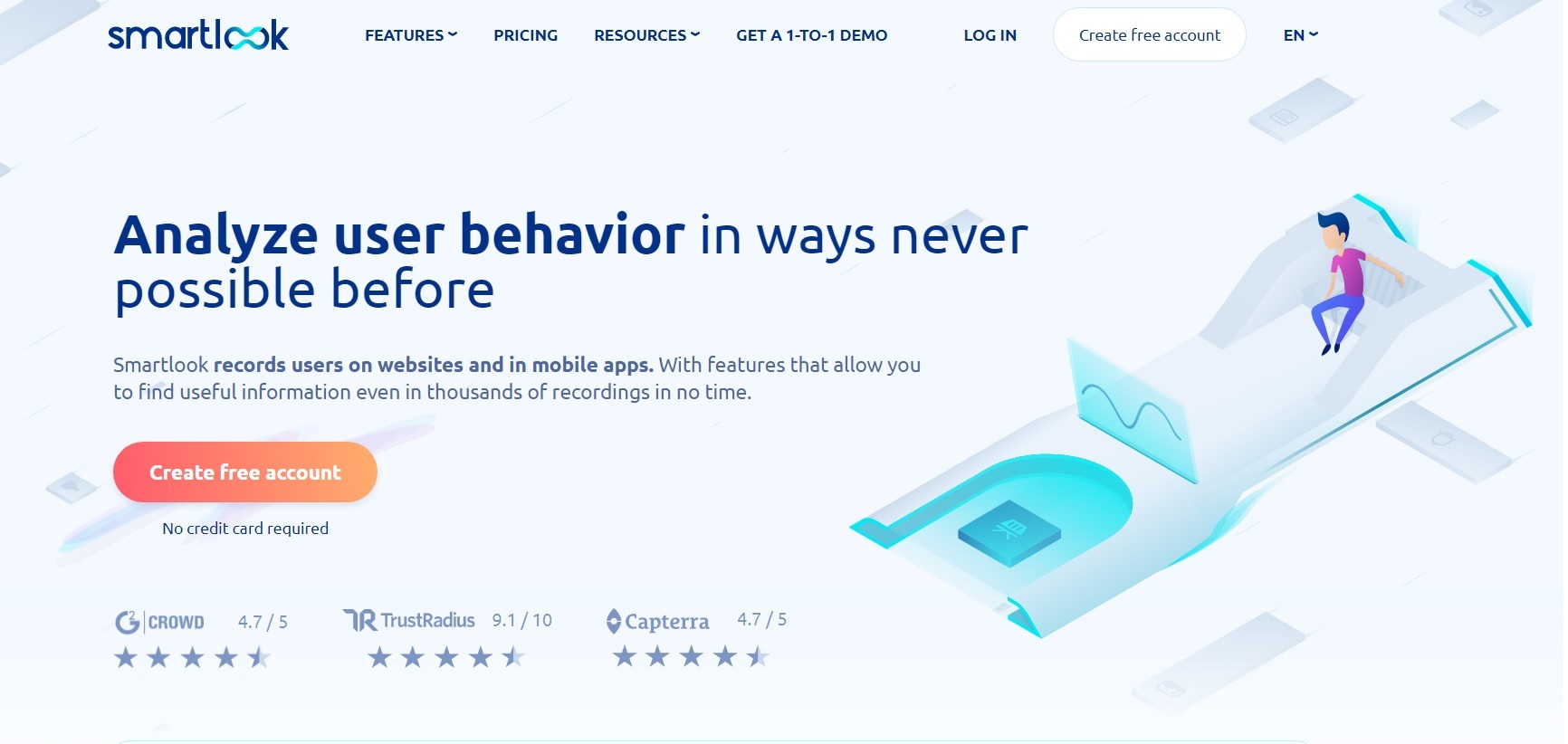
Dedicated Landing Pages and Homepages: High-converting landing pages typically adhere to minimalistic design principles, eliminating distracting navigation menus to keep user focus concentrated on the primary conversion objective. Above-the-fold placement of value propositions paired with high-contrast button styling ensures immediate visual hierarchy.

Broader Implications for Digital Strategy
As digital advertising expenditures continue to scale globally, the marginal gains provided by meticulous CTA optimization represent a critical competitive advantage. Organizations that treat calls to action as dynamic, testable variables rather than static design elements consistently achieve superior return on ad spend (ROAS) and enhanced customer acquisition metrics. By combining psychological insight, rigorous split-testing, and rigorous adherence to design best practices, modern marketers can successfully navigate consumer fatigue and guide target audiences seamlessly through the digital conversion funnel.