Building and sustaining a high-performing social media organization in 2026 requires a delicate equilibrium between human ingenuity, strategic foresight, and AI-driven operational efficiency. As the digital ecosystem matures, the traditional expectation of the solitary, all-encompassing social media manager is rapidly giving way to specialized, cross-functional units. Whether an early-stage startup relies on a lone generalist augmented by artificial intelligence, or a multinational enterprise coordinates a dozen specialists spread across global regions, modern social media recruitment is undergoing a structural evolution. This comprehensive guide examines the core drivers of social media hiring, optimal team structures, compensation benchmarks, and the integration of artificial intelligence into daily workflows.

The Evolution of Social Media Team Structures Across Company Lifecycles
The composition of a corporate social media team is rarely static; it scales directly in response to organizational maturity, budgetary capacity, and shifting go-to-market objectives. Industry benchmarks indicate that early-stage startups typically maintain lean operations consisting of one or two professionals. These generalists are frequently tasked with broad execution, often supported by freelance graphic designers or video editors to maintain a consistent visual presence across platforms such as LinkedIn and X (formerly Twitter).

As companies transition into mid-market scale-ups, teams generally expand to three or five members. This middle tier typically introduces a team lead alongside dedicated specialists focusing on distinct pillars such as organic content generation, paid acquisition, and community engagement. At the enterprise level, operations scale significantly to include six to twelve or more full-time employees. Enterprises are characterized by senior leadership overseeing global strategies, with localized or platform-specific specialists supported by external agency partnerships to ensure localized cultural resonance and round-the-clock engagement.
Identifying the Tipping Point: When to Expand the Social Team
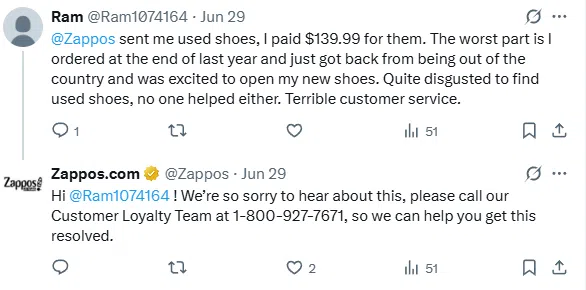
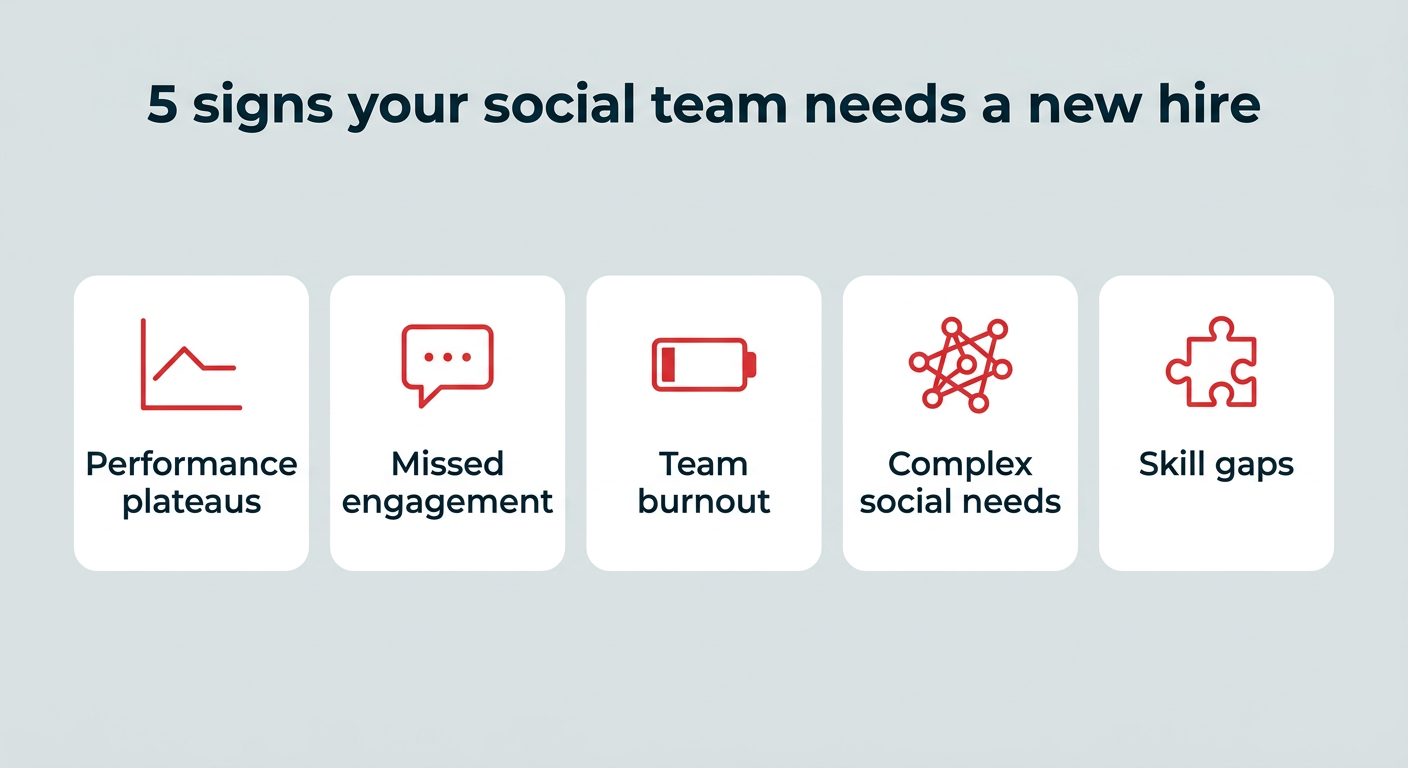
Recognizing the precise moment to expand a social media team remains a critical management challenge. Organizations frequently delay hiring until current personnel experience severe burnout or campaign performance plateaus. Industry experts emphasize that quantitative indicators—such as stagnant engagement metrics, missed inbound customer inquiries, and falling response rates—serve as primary signals that existing capacity has been exhausted.
Furthermore, structural gaps in organizational competency often necessitate new headcount. When a business seeks to pivot into advanced channels like short-term vertical video production, programmatic paid social advertising, or sophisticated social listening, internal upskilling may prove insufficient. Hiring decisions at this juncture are driven less by company size alone and more by forward-looking strategic ambitions, ensuring that resourcing aligns with overarching corporate growth trajectories.

Core Roles and Specializations in the Modern Social Ecosystem
Modern recruitment requires a precise mapping of organizational needs to specific functional roles. While the social media manager remains the foundational first hire for most organizations, larger operations require a diverse suite of specialized talent to maintain a competitive advantage in saturated digital marketplaces.

The social media strategist focuses on big-picture planning, audience segmentation, and aligning channel outputs with corporate key performance indicators. Content creators and video producers steer the brand voice, executing copywriting, graphic design, and video production optimized for algorithms favoring native, engaging media. Concurrently, community managers act as brand custodians, utilizing social listening software to protect corporate reputation, foster brand affinity, and manage proprietary groups.
For organizations leveraging performance marketing, dedicated paid social specialists manage ad budgets, targeting algorithms, and conversion tracking. With digital ad spending continuing its upward trajectory, specialized oversight of paid acquisition is essential for maintaining efficient customer acquisition costs. Additionally, social analytics leads translate complex datasets into actionable business intelligence, while customer care specialists integrate social channels into broader corporate support infrastructures, resolving complaints and inquiries in public view.
Compensation Benchmarks and Salary Realities in 2026
Transparent compensation practices have become a cornerstone of effective recruitment. Recent industry data highlights persistent discrepancies between the complex responsibilities demanded of social media professionals and the corresponding remuneration offered by employers. According to self-reported market data and broader labor statistics, senior advertising and marketing managers command median annual wages exceeding $130,000 to $165,000, reflecting executive-level oversight.

For individual contributor and mid-level roles, average total compensation packages vary by specialization:
-
Social media managers average approximately $91,000 annually, with base salaries typically ranging from $54,000 to $95,000.

-
Social media strategists command roughly $93,000 per year.
-
Content creators and coordinators average around $53,000 annually.

-
Paid social specialists and community managers cluster between $65,000 and $66,000.
-
Marketing and social analytics leads secure higher averages, approaching $115,000 annually due to the technical demands of attribution modeling and data interpretation.
Geographic location, corporate scale, and budgetary authority heavily influence these figures. Market observers continuously advise employers to publish clear salary ranges in job postings to streamline the recruitment funnel and mitigate candidate attrition caused by mismatched financial expectations.
Evaluating Operating Models: In-House, Freelance, or Agency Support?
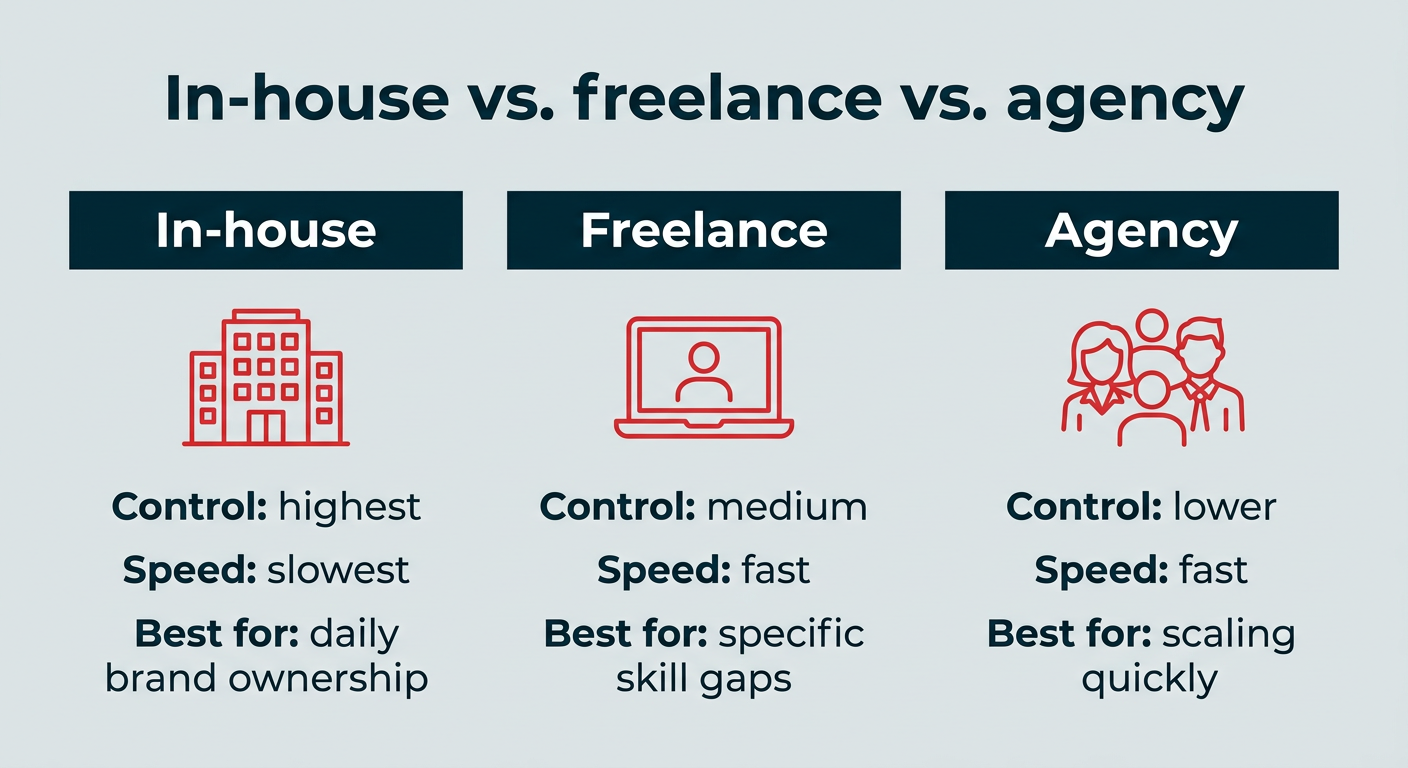
Organizations must carefully evaluate whether to build internal teams, contract freelance talent, or partner with external agencies. The decision hinges on three primary variables: budgetary constraints, the necessity of brand voice control, and the speed at which scaling must occur.
In-house hiring provides the highest degree of brand control and cultural integration, making it ideal for organizations where social media serves as a primary, daily revenue and communication channel. Conversely, freelance talent offers high flexibility and cost-effectiveness for intermittent, highly specialized projects, such as short-form video editing or targeted campaign design. External agencies provide unmatched scalability and rapid deployment capabilities, rendering them valuable for entering new geographic markets or executing large-scale, short-term promotional pushes. Many mature organizations utilize a hybrid model, combining core in-house strategists with agile freelance creators and specialized agency partners.
Best Practices for Crafting Job Descriptions and Interviewing Candidates
Effective recruitment begins with precise, honest job descriptions that delineate day-to-day responsibilities from secondary tasks. Candidates routinely express frustration over unrealistic job postings that combine copywriting, graphic design, community management, and paid media management into a single junior-level role. Transparency regarding required platform fluency, compliance standards in regulated industries, and measurable success metrics ensures alignment from the outset.

During the interview process, hiring managers are encouraged to move beyond hypothetical questions, focusing instead on portfolio walkthroughs, empirical before-and-after data, and a candidate’s analytical framework. Red flags include generic answers, an inability to discuss platform-specific nuances, and a lack of data-driven methodology. Furthermore, strong candidates typically demonstrate an awareness of niche, high-performing accounts rather than merely citing ubiquitous enterprise campaigns, showcasing genuine industry immersion.
The Pervasive Impact of Artificial Intelligence on Social Media Roles
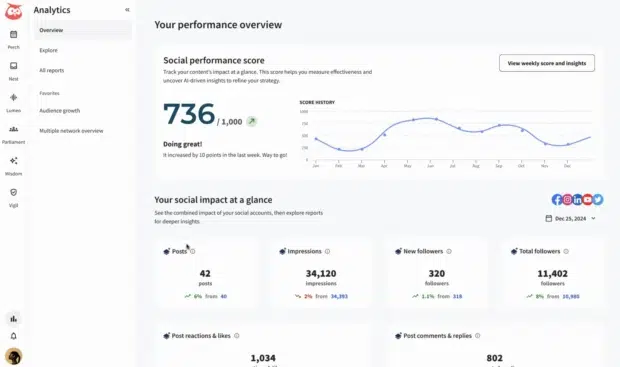
Artificial intelligence has fundamentally altered the operational landscape of social marketing without displacing human oversight. Generative AI tools and predictive analytics platforms are now integrated into every level of the social team, automating routine tasks such as initial caption drafting, sentiment aggregation, and first-pass reporting.
Consequently, baseline AI literacy is an expected competency for all new hires, rather than the exclusive domain of a dedicated technical specialist. Employers increasingly probe for a candidate’s ability to utilize AI for efficiency while simultaneously exercising critical editorial judgment to safeguard brand safety. While technology accelerates publishing and insights generation, core human capabilities—such as strategic empathy, creative storytelling, and nuanced community management—remain irreplaceable.
Onboarding, Tooling, and Long-Term Upskilling Strategies
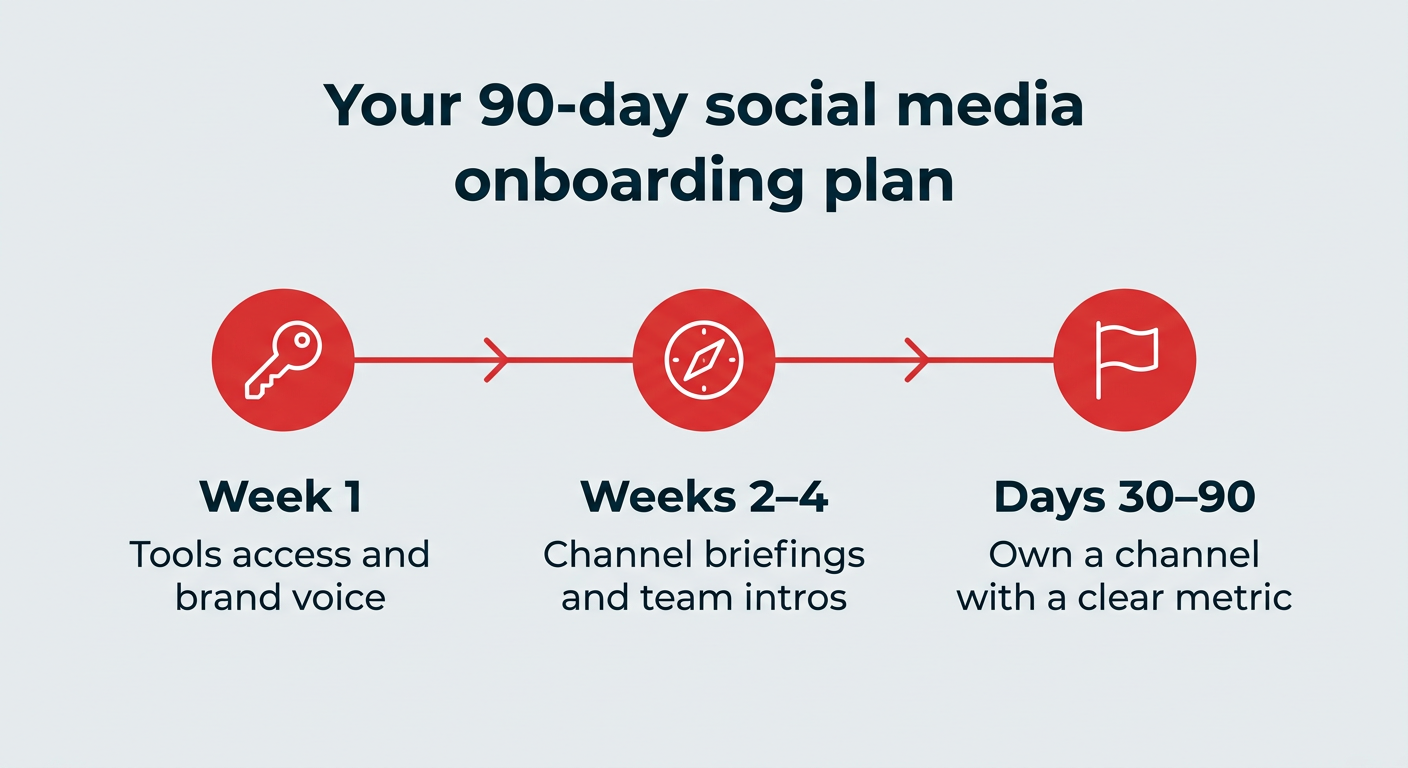
Securing top-tier talent represents only the initial phase of team development. Long-term success relies on robust onboarding protocols, sophisticated workflow tooling, and a commitment to continuous upskilling. Comprehensive 90-day onboarding plans typically transition new hires from initial tool access and brand guideline orientation during their first month to full campaign ownership and metric accountability by day ninety.

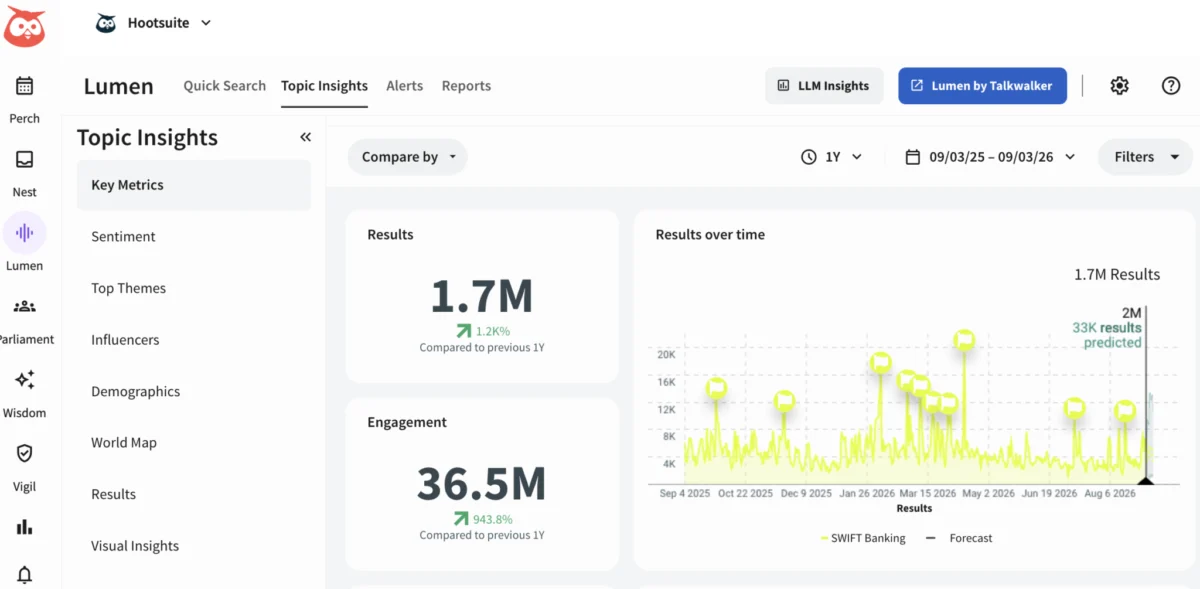
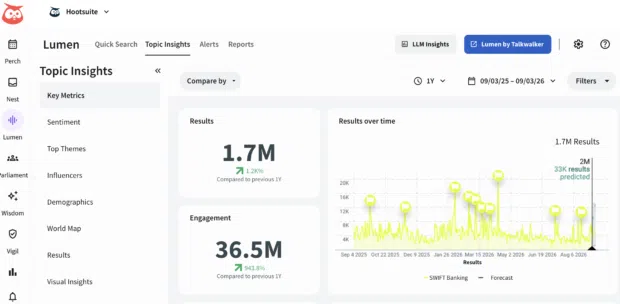
To maintain operational efficiency, teams deploy centralized operating systems like Hootsuite Social OS, which provides governed workflows, permission controls, and integrated analytics dashboards such as Lumen. These platforms allow multi-person teams and external partners to collaborate securely without compromising account integrity. Finally, as digital algorithms and platform features continuously evolve, forward-thinking organizations allocate dedicated resources for professional development, ensuring their teams remain agile and competitive in a rapidly changing digital economy.