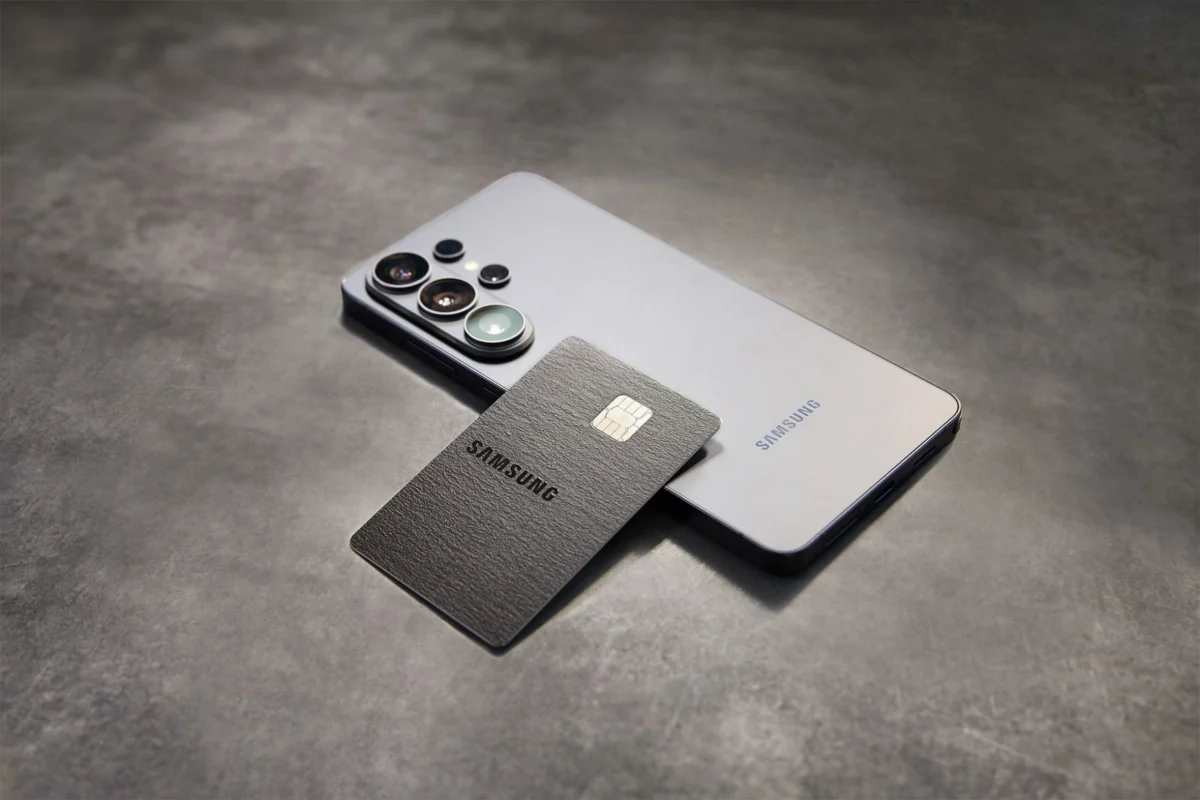
Samsung is making a significant move into the financial services sector with the announcement of its Galaxy Card, a bold strategy mirroring Apple’s entry into the credit card market nearly seven years ago. This latest offering from the technology giant aims to capture a share of the lucrative credit card landscape, strategically timed just days before Samsung’s second annual Galaxy Unpacked event of the year, where the company is widely anticipated to unveil its newest generation of smartwatches and innovative folding smartphones. The introduction of the Galaxy Card signifies Samsung’s ambition to deepen its ecosystem and foster greater brand loyalty among its user base, extending its reach beyond hardware and into the everyday financial lives of its consumers.
A New Contender in the Digital Wallet Space
The Galaxy Card, issued by Barclays and operating on the Visa network, positions itself as a direct competitor to offerings like the Apple Card, which was initially launched with Goldman Sachs and is now transitioning its issuer relationship to Chase. Unlike the premium titanium construction of its Cupertino counterpart, Samsung’s physical card is crafted from recycled steel, reflecting a commitment to sustainability while maintaining a modern aesthetic. The virtual iteration of the Galaxy Card will be seamlessly integrated into a user’s Samsung Wallet account, a move designed to enhance convenience and encourage the adoption of Samsung’s proprietary digital payment platform.
Samsung has outlined a compelling rewards structure for its new credit card, designed to incentivize spending within its ecosystem and across a broad range of purchases. Cardholders will benefit from a 5% cash reward on all in-store or online purchases made directly from Samsung in the United States. Additionally, purchases made using the Galaxy Card via Samsung Wallet will earn a 3% cash reward. Streaming service subscriptions are also recognized, offering a 2% cash reward, while all other general purchases made with the physical card will yield a 1% cash reward. This tiered rewards system aims to cater to various spending habits, encouraging users to consolidate their transactions with Samsung for maximum benefit. The accumulated cash rewards can be redeemed as a statement credit or directly transferred to a user’s checking or savings account, providing flexibility in how cardholders leverage their earnings.
Beyond the immediate cash rewards, the Galaxy Card boasts a range of additional perks. The card carries no annual fee, a standard practice for many competitive credit cards that lowers the barrier to entry for consumers. The annual percentage rate (APR) will vary based on individual cardmember qualifications, a common practice across the credit industry. Notably, the card eliminates foreign transaction fees, making it a potentially attractive option for international travelers. A significant incentive is a 20% discount on Samsung’s VIP Advantage membership, a program that typically offers enhanced device protection, dedicated customer support, and exclusive deals on Samsung products and services. Furthermore, new cardholders can receive $200 in cash rewards after spending $2,000 within the first 90 days of account opening, a substantial introductory bonus designed to encourage immediate engagement. Applications for the Galaxy Card are slated to open on July 22, marking the official launch date for consumer adoption.
Ecosystem Integration and the Cross-Platform Challenge
A crucial aspect of the Galaxy Card’s strategy lies in its integration with the Samsung Wallet app, which is currently exclusive to Samsung smartphones and watches. This creates a strong incentive for users to remain within the Samsung ecosystem to unlock the card’s full suite of benefits, particularly the higher reward rates associated with using Samsung Wallet for payments. However, Samsung acknowledges the reality of a multi-device and multi-brand consumer landscape. The company has clarified that the Galaxy Card is not strictly limited to owners of Samsung devices. Individuals can still obtain and use the physical card regardless of their smartphone brand.
For users who switch away from Samsung devices, the ability to manage their Galaxy Card will transition to a dedicated online portal at BarclaysUS.com. This transition, however, means that users will forfeit access to the integrated Samsung Wallet features and the associated enhanced rewards. This situation draws a parallel to the Apple Card experience. If an iPhone user decides to switch to an Android device, their physical Apple Card will continue to function. Nevertheless, they will lose access to the Apple Wallet app and the beneficial 3% daily cash back on Apple purchases. In such instances, Apple also provides a web portal for account management. This cross-platform compatibility, coupled with the potential loss of premium benefits, highlights a common challenge for technology companies venturing into financial products tied to their hardware ecosystems. The decision to retain or switch ecosystems can become a significant factor in a consumer’s decision to adopt or continue using these co-branded credit cards.

Market Entry and Competitive Analysis
The introduction of the Galaxy Card is not just about offering a new payment method; it’s a strategic play for Samsung to solidify its brand presence and cultivate deeper loyalty among its vast customer base. Brian Riley, director of Credit Advisory Services at Javelin Strategy & Research, emphasizes the importance of such moves for technology companies. "Cards are basically a commodity at the end of the day," Riley explains, "how you differentiate them is really what makes the difference. That’s really the big deal here—how you use your card." This perspective suggests that while the fundamental features of credit cards may be similar, the integration with a brand’s ecosystem, unique rewards, and user experience can create significant competitive advantages.
Riley further elaborates on the nuances of rewards programs, noting that the full benefit of rewards can be diminished if cardholders carry a balance and incur interest charges. "One of the big challenges here on rewards is that quite often, you go in well-intentioned and you don’t get the full benefit of the rewards because you start revolving on the product," he states. This phenomenon, where interest expenses outweigh the value of earned rewards, is a critical consideration for consumers aiming to maximize their credit card benefits.
The Apple Card, despite its sleek design and innovative features, has also faced scrutiny regarding its mainstream adoption. Riley suggests that Apple may have "oversold" its card, positing that it hasn’t fundamentally challenged the existing credit card industry. This is partly attributed to the fact that the average consumer often manages multiple credit cards for different purposes—one for general spending, another for emergencies, and potentially one focused on travel rewards. The Galaxy Card faces a similar hurdle in convincing consumers to add another card to their wallet, especially if they already have established relationships with other issuers.
Sara Rathner, a credit card expert at NerdWallet, echoes this sentiment, comparing the Apple Card’s impact to that of the iPhone. "The Apple Card is far from the iPhone in terms of changing the world," Rathner observes. "It’s fine; it’s a cash-back card." She reinforces the idea that these cards primarily serve to enhance brand loyalty. Just as accumulating points with a hotel chain incentivizes booking with that brand, making frequent purchases through Samsung Wallet could naturally lead consumers to opt for the Galaxy Card to earn additional benefits.
However, Rathner does highlight the appeal of the 3% cash reward for purchases made via the Samsung Wallet app as a particularly strong offering. She uses the example of using Samsung Wallet for tap-to-pay on a subway turnstile, stating that "that would be compelling" for daily commuters seeking consistent rewards.
Innovation and the Future of Co-Branded Cards
While Rathner may find the Apple Card to be an incremental rather than revolutionary product, she acknowledges Apple’s contributions to innovation in the credit card space. Features such as allowing users to view potential interest rates and credit limits before a formal credit check are becoming increasingly adopted by other issuers, a testament to Apple’s influence. The aesthetic appeal of the Apple Card and its associated app, along with the ease of activating the physical card through an iPhone tap, are also notable design advancements. The daily posting of cash rewards, rather than waiting for a billing cycle, offers immediate gratification and greater transparency for users.
"I think if other cards want to compete in that way and also follow suit with those features, I think that just makes credit cards in general better products for consumers," Rathner concludes. This suggests a broader positive impact from the competition spurred by tech giants entering the financial sector. The success and reception of the Galaxy Card will ultimately depend on how well it resonates with Samsung’s existing user base and whether its unique features and rewards can carve out a distinct niche in an already crowded market. The integration of financial services into the broader technology ecosystem is a trend that is likely to continue, potentially reshaping consumer expectations and driving further innovation in the credit card industry. The coming months will reveal whether Samsung can replicate Apple’s success in leveraging its hardware dominance to build a significant presence in the financial services landscape.