The landscape of digital marketing continues to evolve at a relentless pace, with paid social media promotions remaining a cornerstone of enterprise growth and customer acquisition. Among the various platforms available to modern brands, Meta’s ecosystem—spanning Facebook, Instagram, Messenger, and the Audience Network—commands one of the largest and most engaged digital audiences in global commerce. Recent financial and operational metrics underscore the immense scale of this ecosystem, highlighting an average of 3.48 billion daily active users across Meta’s applications. This staggering reach gives advertisers an unmatched pool of potential consumers, cementing Facebook advertising as an essential component of comprehensive digital strategy.

However, the methodology behind running successful campaigns has shifted dramatically in recent years. While the foundational principles of bidding, audience segmentation, and creative design remain relevant, artificial intelligence and automated optimization have fundamentally altered how campaigns are constructed and managed. With nearly 98.7% of Meta’s annual revenue generated through advertising, the tech conglomerate has poured substantial capital into developing machine-learning solutions. Features such as Advantage+ campaigns, automated audience discovery, and generative creative tools have transformed the advertiser’s primary responsibility. Rather than spending hours on manual setup and granular adjustments, marketers now focus on feeding the algorithm high-quality creative assets, clean conversion data, and clearly defined business objectives.
Understanding the Financial Realities of Meta Campaigns
Navigating the financial commitments of social media promotion requires a clear grasp of current marketplace benchmarks. Advertising costs on Facebook are not static; they fluctuate based on industry competitiveness, seasonal demand, audience specificity, and the overall quality of the ad creative. For the current fiscal year, the typical cost-per-click (CPC) generally ranges between $0.50 and $2.00. However, this range varies significantly depending on the overarching campaign objective.

For instance, top-of-funnel campaigns designed strictly to drive traffic typically experience a lower average CPC, hovering around $0.70. Conversely, campaigns optimized for lead generation or direct sales face stiffer competition for high-intent audiences, pushing the average CPC closer to $1.92. Similar dynamics apply to cost-per-thousand-impressions (CPM), which generally spans from $5.00 to $18.00. Brand awareness initiatives occupy the lower end of this spectrum, whereas conversion-focused campaigns sit at the higher end due to the competitive nature of targeting users ready to purchase.
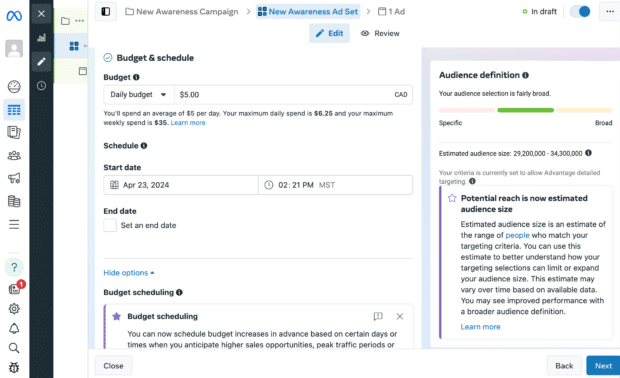
For smaller enterprises, budget constraints are a common concern, yet effective campaigns do not invariably require massive financial outlays. Modest daily allocations of $5.00 or $10.00 remain viable entry points. A $5.00 daily budget is generally sufficient for localized campaigns, small-scale testing, or gathering initial audience insights. Meanwhile, a $10.00 daily budget provides Meta’s machine-learning algorithms with adequate data to begin optimizing delivery, producing meaningful results for small-to-mid-sized operations. Enterprise-level initiatives designed for broad market penetration and substantial conversion volume, however, necessitate significantly higher financial investments to achieve statistical significance and scale.
Anatomy of Facebook Ad Formats and Strategic Deployment
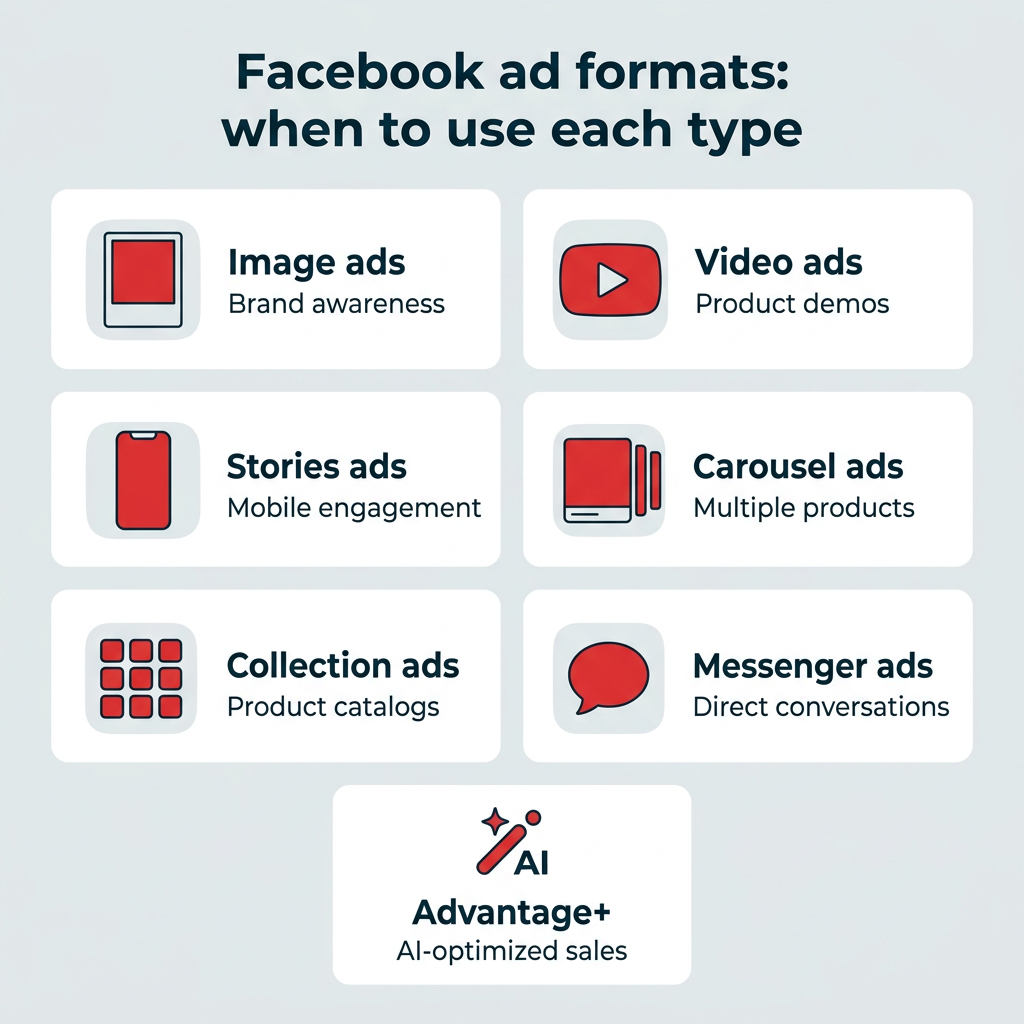
Choosing the correct ad format is critical to aligning creative output with specific points in the consumer journey. Meta offers a diverse array of formats tailored to distinct marketing objectives:
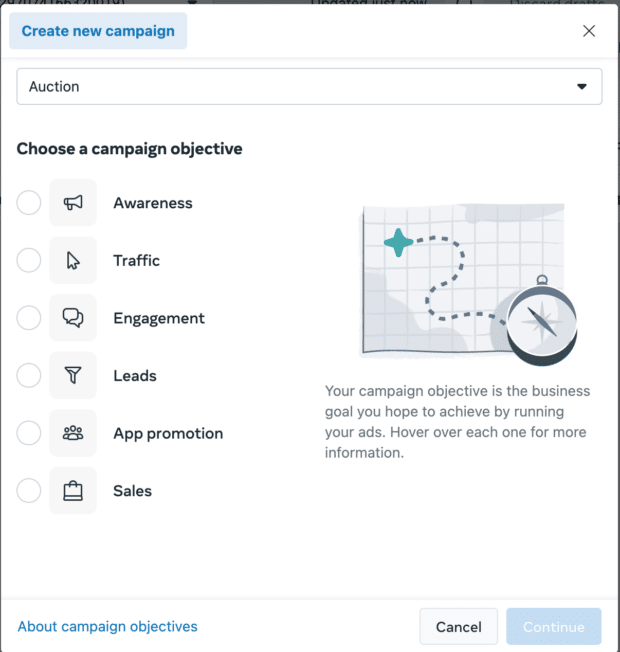
Image Ads: Representing the most fundamental format, single-image ads utilize static visual content to promote a brand, product, or service. They offer exceptional flexibility across placements and aspect ratios, making them ideal for rapid deployment or boosting existing high-performing organic posts. While simple to produce, their limitation lies in the inability to showcase multiple products or complex demonstrations simultaneously.
Video Ads: Designed for product demonstrations, tutorials, and narrative-driven storytelling, video ads can run for extended periods, though platform data consistently demonstrates that concise formats—specifically under 15 seconds—yield superior engagement rates. The primary trade-off involves higher production time and financial investment compared to static imagery.
Stories Ads: Capitalizing on the vertical orientation of mobile devices, full-screen Stories ads maximize screen real estate without requiring device rotation. Industry data indicates that a significant majority of consumers report heightened interest in brands after encountering them within Story placements. These formats offer expansive creative freedom, integrating interactive elements, filters, and motion graphics.
Carousel Ads: Enabling up to ten distinct images or videos within a single scrollable unit, carousels are exceptionally effective for displaying product catalogs, illustrating sequential processes, or highlighting varied features. Each card within the carousel can direct users to a unique, product-specific landing page.
Collection Ads: Functioning as immersive mobile window-shopping experiences, collection ads pair a primary video or image with a grid of catalog products. When tapped, they launch an Instant Experience—a full-screen, mobile-optimized landing environment where users can browse, zoom, and purchase items without ever leaving the application.
Messenger Ads: Delivered directly within the user’s messaging interface, these promotions facilitate direct, personal interactions between brands and prospective buyers, proving particularly effective for localized services and conversational commerce.
Advantage+ Shopping Campaigns: Representing the pinnacle of Meta’s algorithmic automation, these campaigns streamline creative selection, audience targeting, and placement distribution. By automating the testing of numerous creative combinations, Advantage+ frequently delivers a lower cost per result compared to manual configurations, freeing enterprise marketing teams to focus on overarching strategy.
Step-by-Step Campaign Construction and Execution
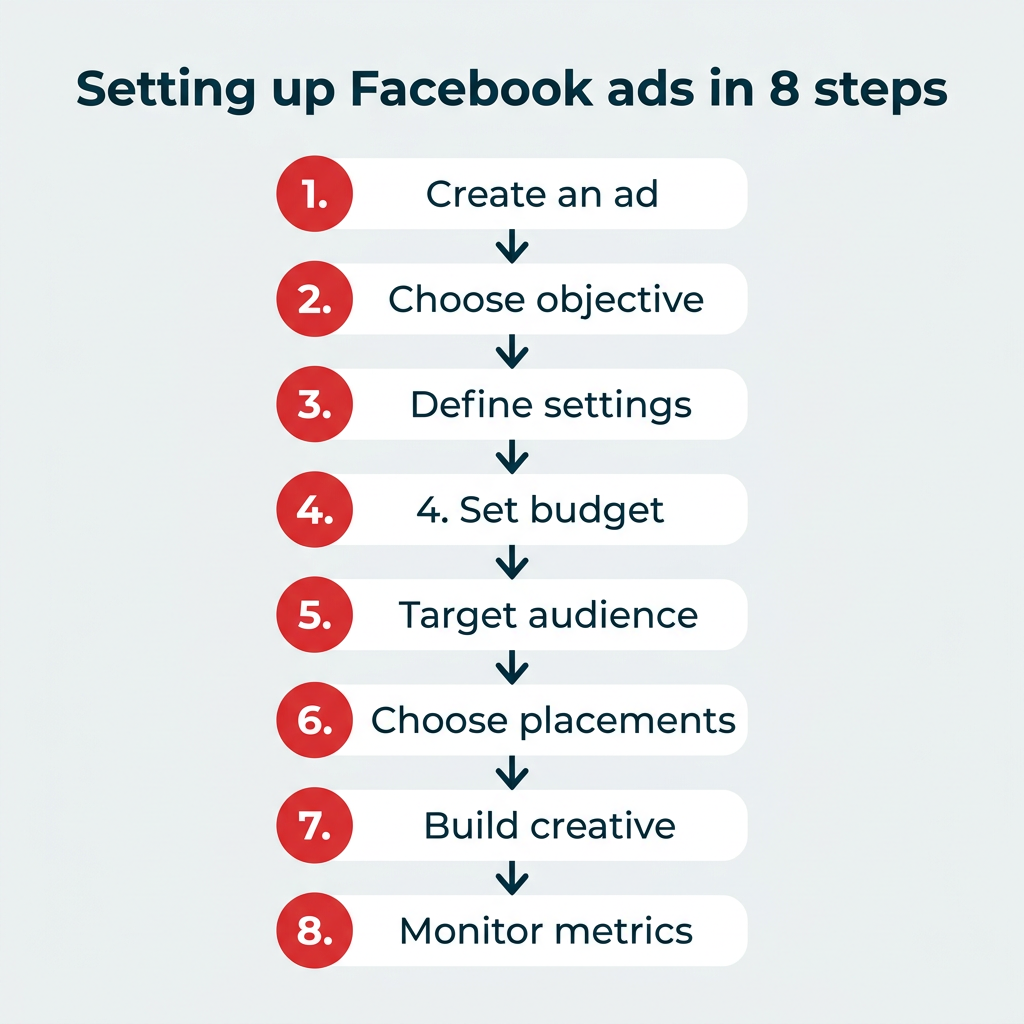
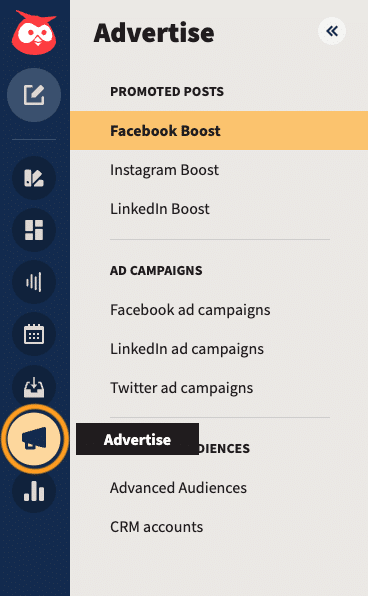
Executing a structured campaign within Meta Ads Manager requires a methodical approach across eight distinct phases:
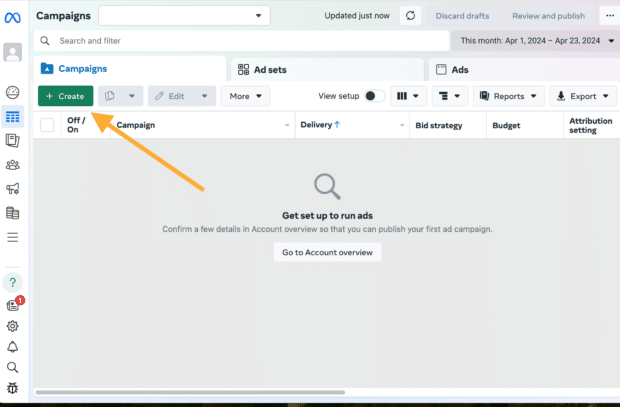
- Initialization: Accessing Meta Ads Manager or Business Manager to initiate a new campaign structure.
- Objective Selection: Defining the primary campaign goal, which may range from awareness and traffic to lead generation and conversions.
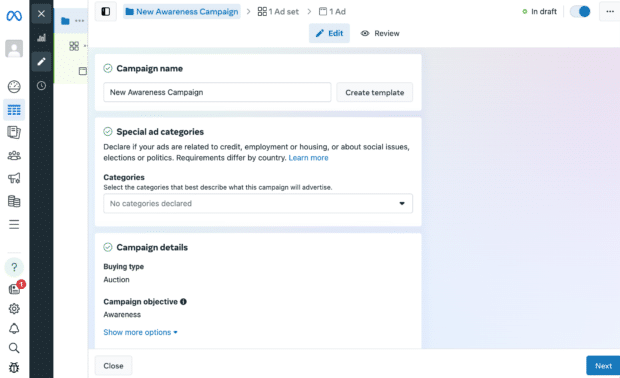
- Campaign Settings: Naming the initiative, declaring any Special Ad Categories, and determining whether to deploy an A/B split test.
- Budget Allocation: Establishing either a daily or lifetime budget alongside scheduled start and end dates.
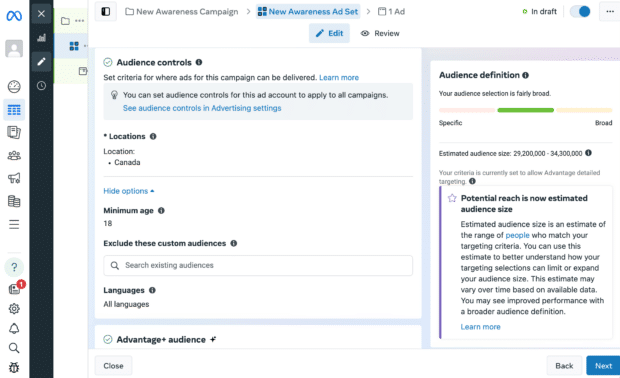
- Audience Definition: Selecting between manual core targeting parameters, custom audiences, lookalike models, or automated Advantage+ audience settings.
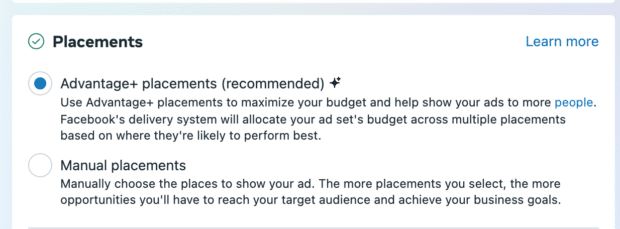
- Placement Selection: Deciding whether to utilize automated Advantage+ placements across the Meta network or manually select specific inventory locations.
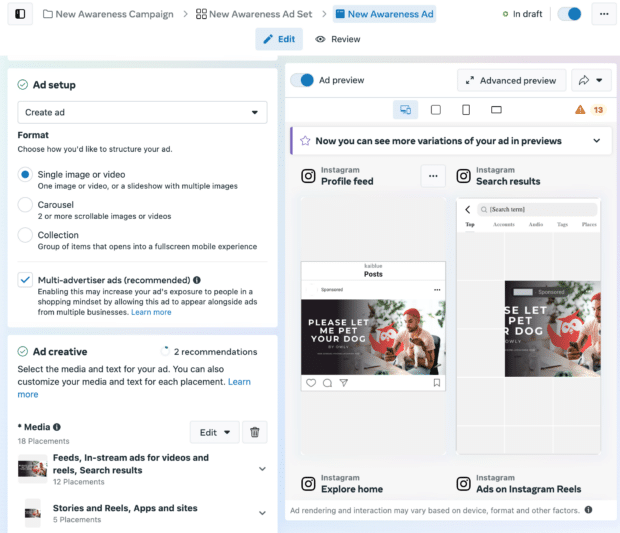
- Creative Assembly: Uploading the chosen media assets, drafting compelling ad copy, and reviewing platform previews across multiple placements.
- Monitoring and Optimization: Launching the campaign and tracking key performance indicators to ensure efficiency and return on investment.
Targeting Methodologies and Advanced Copywriting

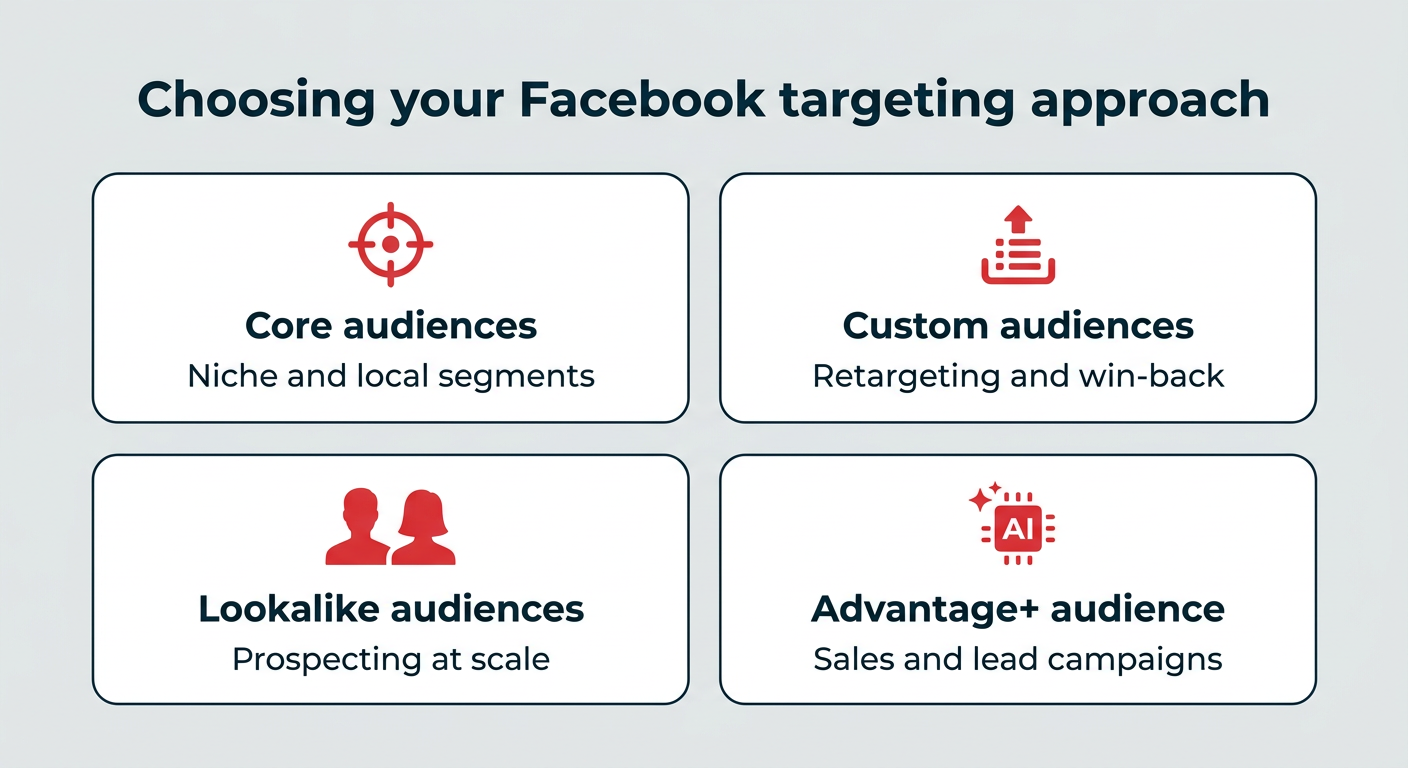
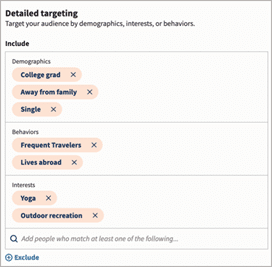
Effective audience targeting ensures that advertising spend is directed toward individuals most likely to convert. Marketers can leverage four primary targeting pillars: core audiences defined by demographics, interests, and behaviors; custom audiences built from first-party data such as CRM lists or pixel events; lookalike audiences designed to discover new prospects mirroring existing high-value customers; and Advantage+ audiences, which delegate targeting decisions to Meta’s predictive models based on conversion signals.
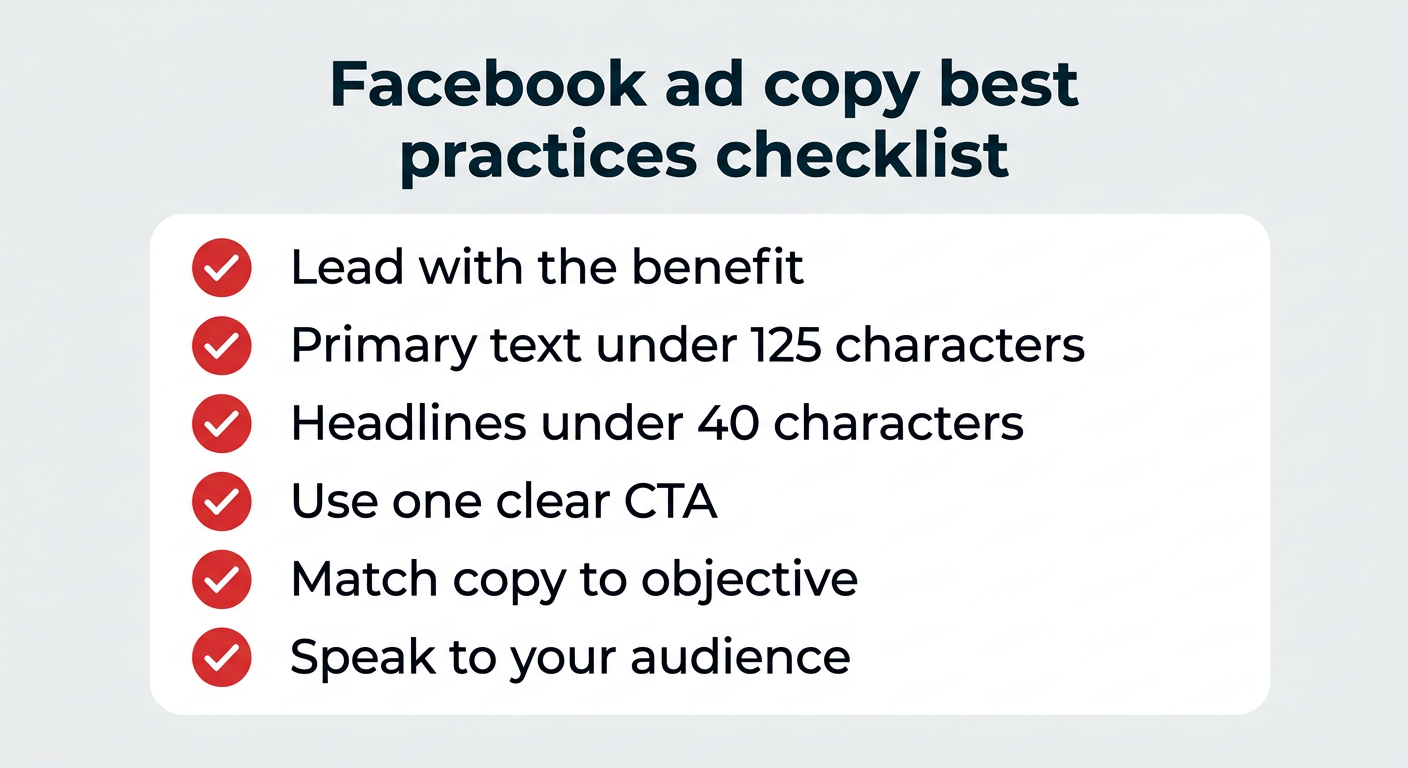
Parallel to audience selection, ad copy must be meticulously crafted to capture attention immediately. Successful copy leads with a clear, quantifiable benefit, addresses the consumer’s specific pain points, and concludes with an unambiguous call to action. Because the vast majority of users consume social media content on mobile devices while rapidly scrolling, the opening three seconds of any video or visual asset must deliver the core message and establish brand identity before attention wanes. Furthermore, because many consumers view video content with the audio muted, incorporating text overlays, captions, and visual storytelling elements is non-negotiable for maximizing comprehension.
Measurement, Analytics, and Performance Troubleshooting
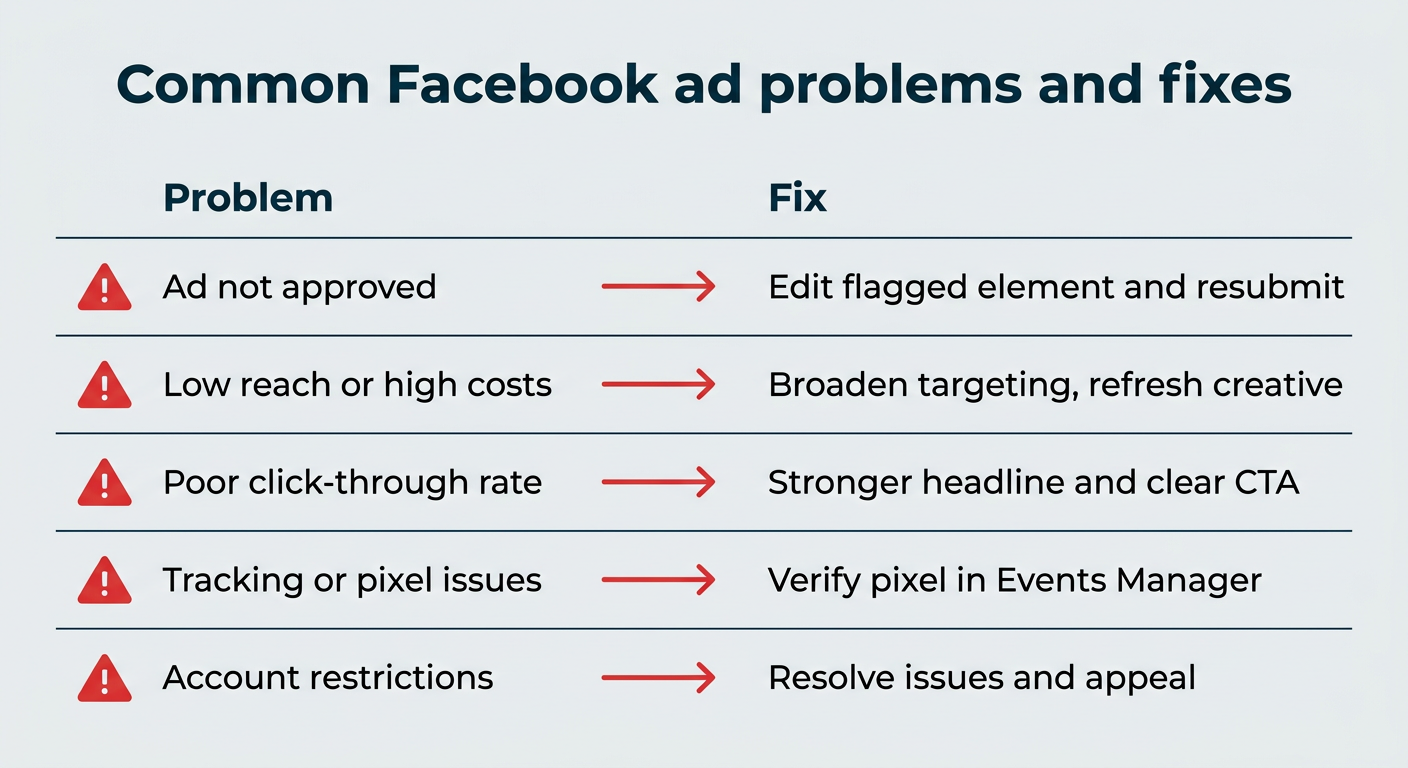
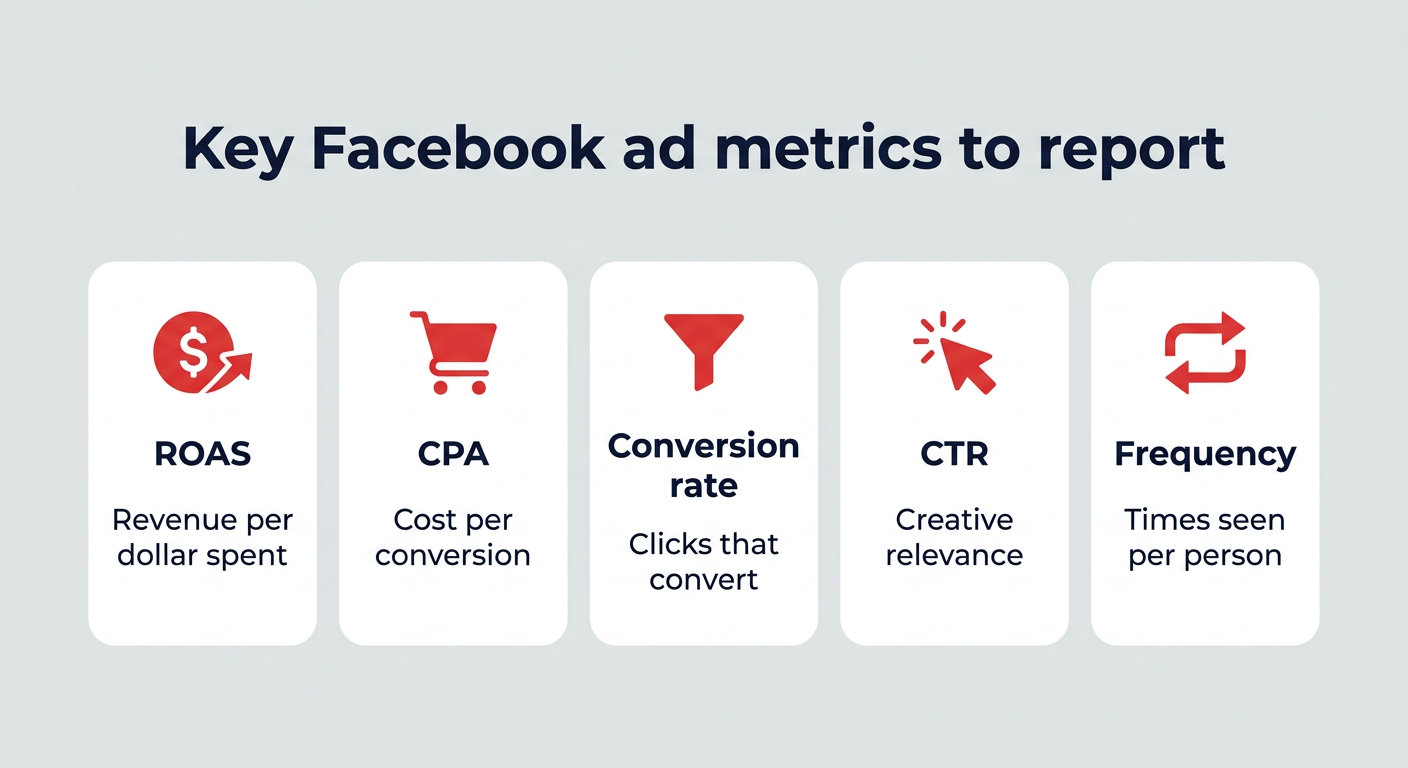
Proving marketing ROI requires moving beyond vanity metrics—such as likes and basic impressions—and focusing on concrete business outcomes. Key performance indicators that demand rigorous monitoring include return on ad spend (ROAS), cost per acquisition (CPA), conversion rate, and click-through rate (CTR). To ensure these metrics are accurately captured, technical implementations such as the Meta Pixel and the Conversions API must be properly configured to relay both browser and server-side event data.

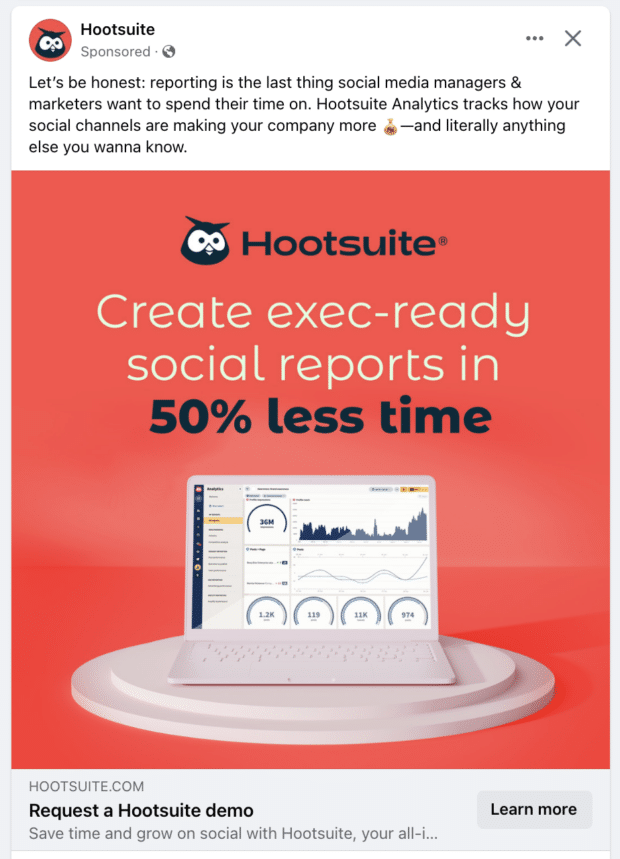
When campaigns underperform, systematic troubleshooting is required to diagnose the root cause. Common issues include audience fatigue resulting from excessive ad frequency, creative degradation caused by stale visual assets, or algorithmic learning phase disruptions triggered by frequent budget alterations. By addressing these operational bottlenecks promptly, refreshing creative assets regularly, and relying on data-backed analytics platforms—such as integrated enterprise dashboards—marketing professionals can maintain campaign efficiency, protect advertising budgets, and drive sustainable, measurable growth across the digital ecosystem.