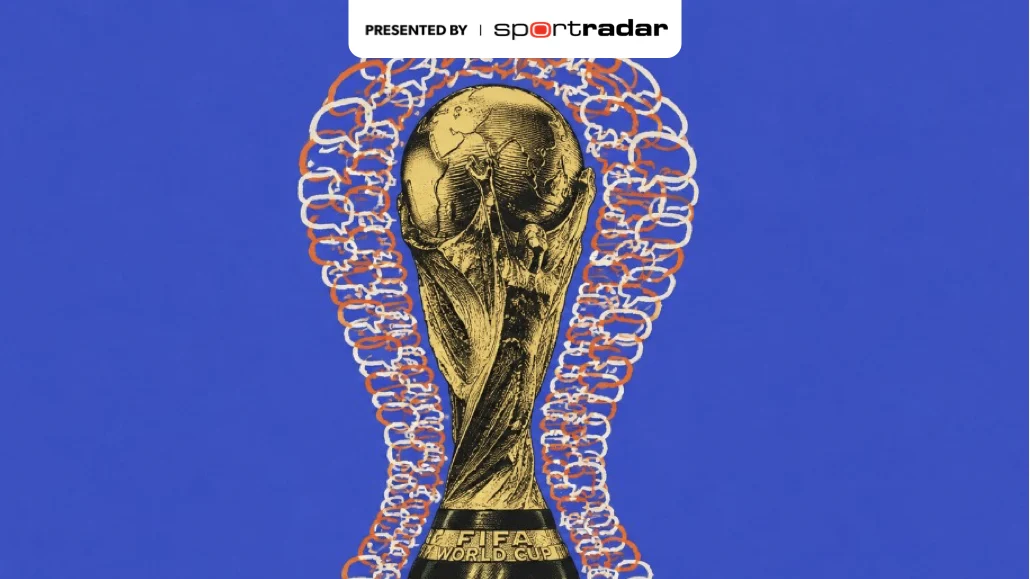
When Norwegian striker Erling Haaland exited the pitch in the 105th minute of Norway’s World Cup quarter-final clash with England on July 11, it marked the conclusion of a remarkable tournament journey. This journey, however, was not just significant for the Manchester City star and his national team, but it also provided an unexpected windfall and crucial insights for his brand sponsors, particularly payment giant Visa. Haaland’s performance, coupled with his distinctive off-field persona, resonated powerfully with audiences, especially in the burgeoning U.S. soccer market, underscoring a pivotal shift in fan loyalty from traditional team affiliations to individual star power.
Haaland’s Meteoric Rise and Immediate Brand Impact
Haaland’s presence throughout the World Cup was nothing short of captivating. Despite Norway’s eventual elimination, their unexpected deep run in the tournament, culminating in a fiercely contested quarter-final, kept the spotlight firmly on their prolific forward. Andrea Fairchild, Senior Vice President of Global Sponsorship Strategy at Visa, encapsulated the sentiment shared by many marketers: "He has been so exciting during this tournament." This excitement translated directly into heightened visibility and engagement for the brands associated with the 23-year-old phenom.
Visa’s decision to partner with Haaland for its World Cup campaign was made approximately a year prior, a strategic move predating Norway’s official qualification for the competition. This foresight highlights a growing trend among major brands to invest in rising talent based on predictive analytics and long-term potential rather than immediate tournament participation. Haaland was selected alongside other promising young stars like Spain’s Lamine Yamal and the widely recognized American player Christian Pulisic. A key factor in Haaland’s recruitment, according to Fairchild, was his celebrated "penchant for scoring ‘tap-ins’" – close-range, one-touch goals. This characteristic formed the core of Visa’s campaign, which offered cardholders the chance to win prizes and merchandise each time a ‘tap-in’ goal was scored during the tournament. The integrated campaign leveraged a multi-channel approach, appearing across broadcast television, paid social media platforms, and digital out-of-home (OOH) inventory within stadiums.
The unexpected duration of Norway’s World Cup campaign provided an unforeseen boost to Visa’s initiative. Haaland’s on-field heroics, combined with his distinctive "goofball charisma" off the pitch, captivated a wide demographic. His personality, prominently displayed across platforms such as Snapchat, in press interviews, and on a personal YouTube channel launched 12 months prior—a trajectory meticulously charted by publications like The Athletic—introduced the blonde forward to a vast new audience, particularly within the United States. This breakthrough came at an opportune moment, aligning with a demonstrable shift in fan allegiance. A study published by YouGov, USC Annenberg, and marketing agency group ACC revealed that nearly one-third (32%) of Gen Z fans now express support for individual athletes over specific teams, a significant departure from traditional sports fandom.
Jasmin Fischer, Senior Vice President of Research and Insights at SAMY, noted Haaland’s particular appeal to "first-time football watchers," a crucial demographic for expanding the sport’s footprint in new markets. His digital presence also experienced explosive growth during the tournament, with Sprout Social reporting an increase of over 5 million followers across his X (formerly Twitter) and Instagram accounts. Fairchild acknowledged the profound impact of this organic connection, stating, "It’s a true testament to his personality, and the access that he was willing to share with the fan base."
Visa is not alone in recognizing Haaland’s significant market value. Beyond his commitments to Manchester City brand partners such as neobank Revolut, Haaland’s personal endorsement portfolio is robust, featuring luxury watchmaker Breitling, audio technology giant Beats by Dre, home appliances company Midea, and sportswear behemoth Nike. His starring role in Nike’s "Rip the Script" advertisement further cemented his status as a global marketing asset, showcasing his ability to transcend traditional sports advertising.
The Anatomy of a Breakthrough: Why Haaland Resonated
The success of Haaland’s brand partnerships offers valuable lessons for marketers, irrespective of their budget or ability to secure a nascent national sports icon. Visa’s approach, as Fairchild emphasized, was anything but serendipitous. "We did a tremendous amount of research," she revealed, detailing a meticulous selection process that commenced a full year before the World Cup, even before Norway’s qualification was confirmed. This proactive, data-driven strategy underscores the importance of predictive analysis in athlete endorsement.
Haaland’s suitability for U.S. stardom stems from a unique confluence of attributes. His unwavering reliability as a goalscorer for both club and country is complemented by a charismatic, often eccentric, off-pitch persona. This public image, seen across digital channels, serves as an effective conduit for an athlete driven by ambitious goals—famously stating in a 2022 interview, "My dream is to touch the ball five times and score five goals." This blend of athletic prowess and distinctive personality positions him closer to iconic American sports figures like Michael Jordan than to some of his Manchester City teammates, a club often lauded for its anti-individualistic, team-first culture. The narrative of Norway’s "underdog" journey through the World Cup further amplified Haaland’s appeal, casting him as a singular force driving his team’s unexpected success, despite his established elite status in club football.
The Zlatan Effect: A Parallel in Personal Branding
A compelling parallel can be drawn with Zlatan Ibrahimović, who emerged as a significant fan favorite during the same World Cup, albeit in a different capacity—as a Fox television presenter rather than a player. Like Haaland, the former Swedish striker exemplifies a powerful blend of accessibility and charisma. His behind-the-scenes interactions with fellow presenter Thierry Henry, showcasing their camaraderie and playful soccer skills in the studio, provided an engaging, unfiltered glimpse into his personality. This accessibility, combined with his characteristic "Scandi bluntness" and an undeniable aura of supreme confidence, resonated strongly with viewers.
Ibrahimović’s social media presence also expanded dramatically during the tournament, accumulating 65 million Instagram followers and a 7% increase in his TikTok follower base since the tournament’s commencement, according to Sprout Social. Fischer highlighted his appeal, stating, "He’s unapologetically being himself. It’s refreshing." While Ibrahimović’s breakthrough benefited from the platform provided by a traditional media organization, both he and Haaland serve as accessible and entertaining ambassadors for soccer itself. They humanize a sport often perceived through the lens of complex tactical concepts like "gegenpress" or "passing triangles," revealing it as a dynamic arena for planet-sized egos, dramatic narratives, and David-versus-Goliath contests. For U.S. viewers experiencing a surge in soccer interest, these personalities offer an immediate, relatable entry point into a sport that is, at its heart, a superstar-making factory.
Strategic Lessons for Future Brand Ambassadors
While securing an endorsement from a figure like Ibrahimović or Haaland might be the immediate aspiration for many brands, the more enduring value lies in dissecting their rise to prominence and applying those lessons to future campaigns for major sporting events, from the Olympic Games to the NBA Finals or the Super Bowl. "We’re already doing 2027 planning with brands… what we are trying to weigh up is exactly this," stated Piet Southey, U.S. Managing Director of Billion Dollar Boy, emphasizing the proactive nature of contemporary marketing strategy.
Beyond the "underdog" narrative that surprisingly benefited Haaland during the World Cup, his embrace of social media proved critical. Southey noted that both Haaland and Ibrahimović, alongside other rising stars like England’s Jude Bellingham, have masterfully utilized social media, particularly player-run YouTube channels, to offer an unprecedented level of access. Haaland’s YouTube following, for instance, doubled to an estimated 3.1 million subscribers, according to Billion Dollar Boy. This provides fans with behind-the-scenes footage of training, travel, and personal moments that past soccer legends, such as David Beckham, largely eschewed in favor of a more curated public image. "People just want [them] to shine the light on their actual personalities," Southey observed.
For Chief Marketing Officers (CMOs) seeking to capitalize on breakthrough moments, a crucial directive emerges: grant these personalities the freedom to express themselves authentically. Fischer advised, "Give them the freedom to be themselves, without too many brand guidelines." This approach requires a degree of trust and a willingness to cede some control, moving away from rigid, overly scripted endorsements. Southey pointed to Dove Men+Care’s recent partnership with Karl-Anthony Towns of the New York Knicks, following his team’s first NBA Finals appearance since 1973, as a prime example of a brand strategically aligning with a future star who possesses a distinctive personality. "He’s a bit of a personality as well," Southey commented.
In essence, marketers in pursuit of their next impactful sporting brand ambassador must look beyond mere on-field or on-court performance. They must identify figures who are not only exceptional athletes but also comfortable sharing more of themselves on platforms like YouTube and TikTok. The final, critical step, as Fischer underscored, is for brands to cultivate an environment where they are comfortable enough to relinquish strict control and allow these authentic personalities to thrive.
Industry Watch: Evolving Digital Landscape and Marketing Trends
The insights gleaned from Haaland’s World Cup impact resonate with broader trends in the digital marketing landscape, highlighting shifts in platform engagement, content creation, and data utilization. The increasing mainstream reach of platforms like Discord, which garnered 64 million unique U.S. visitors in April 2026, signals new avenues for brand interaction beyond traditional social media. Simultaneously, regulatory discussions around social media use, with 14 EU member states supporting tougher bans for teens, underscore the evolving legal and ethical considerations for brands engaging with younger demographics.
Despite revenue growth deceleration, YouTube’s estimated value of $40 billion to advertisers illustrates the enduring power of video content, a format central to athlete personal branding. TikTok’s role in real-time event engagement is also undeniable, evidenced by 15.7 million World Cup-related hashtag posts since the tournament began.
Recent industry discussions at events like Cannes have illuminated critical challenges. Platforms grapple with the "AI dilemma" – the need to scale content without sacrificing the uniqueness that makes inventory valuable, warning that generic AI-generated ads risk diluting brand authenticity. Reddit’s internal debate over whether licensing its data to train AI models like ChatGPT and Gemini could undermine its own ad-targeting advantage highlights the complex interplay between data monetization and competitive edge. Innovative strategies are emerging, such as SharkNinja’s move to embed products into social-first comedy series, aiming for organic integration that replaces traditional infomercials, demonstrating the power of creator-driven storytelling over overt advertising. Agency groups like Stagwell are also responding by building their own AI media curation marketplaces, like Stagwell Curate, to offer bespoke, transparent, and lower-fee client packages, signaling a broader industry shift towards greater control and customization in media buying.
Beyond advertising, global discussions are intensifying regarding the societal impact of technology. European Commission President Ursula Von der Leyen is advocating for an EU-wide minimum age for social media, emphasizing a "duty of care" for tech firms. Platform policies are also adapting, with TikTok Shop banning AI voices and pre-recorded narration from shopping livestreams to ensure authentic human interaction, impacting "unmanned" sellers. The broader implications of AI on the workforce are also a growing concern, with over 200 economists and AI leaders warning that AI could reshape the economy faster than the Industrial Revolution, posing a risk of mass job displacement, particularly in early-career roles. Meanwhile, streaming giants like Netflix are grappling with "engagement problems," which some analysts view as opportunities for enhanced personalization, underscoring the ongoing quest for deeper audience connection in the digital entertainment sphere. These trends collectively paint a picture of a dynamic, rapidly evolving digital ecosystem that demands adaptability, authenticity, and strategic foresight from marketers and brands alike, mirroring the lessons learned from Erling Haaland’s impactful World Cup journey.