The ability to download digital media from the internet, once a ubiquitous practice, has undergone a significant transformation. In the early days of the digital revolution, the landscape was characterized by widespread file-sharing platforms and a relatively permissive environment for downloading music, movies, and software. However, as the digital ecosystem evolved, content creators and distributors implemented more sophisticated measures to protect intellectual property, leading to a perceived decline in the ease of media acquisition. This shift has prompted a renewed interest in tools that can navigate these evolving restrictions, with yt-dlp emerging as a prominent solution for accessing content, particularly from platforms like YouTube.
A Shifting Digital Paradigm
During the formative years of widespread internet adoption, platforms such as Napster, Kazaa, and LimeWire facilitated the peer-to-peer sharing of a vast array of digital content, including MP3 audio files and video. This era, often associated with the rise of digital piracy, saw millions of users freely downloading and sharing media. The economic models of the music and film industries were significantly disrupted, leading to legal battles and the eventual shutdown or overhaul of many of these early platforms.
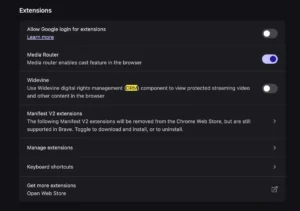
As the digital landscape matured, a concerted effort was made by major online content providers, including streaming services and video-sharing websites, to curb unauthorized downloading. Techniques such as the implementation of "blob URLs" and other proprietary streaming protocols were introduced to make direct file downloads more challenging. These measures aimed to enforce digital rights management (DRM) and to encourage users to access content through official subscription services or advertising-supported models. Consequently, the casual downloading of media that was once commonplace became a more technical endeavor, often requiring specialized software.
yt-dlp: A Modern Solution for Content Acquisition
In this evolving environment, command-line tools have become invaluable for users seeking to download media from online platforms. Among these, yt-dlp has gained significant traction, positioning itself as a successor to the once-dominant youtube-dl project. yt-dlp is an open-source command-line program that allows users to download videos and audio from YouTube and a multitude of other video-sharing websites. Its efficacy stems from its continuous development, regular updates to adapt to website changes, and a comprehensive feature set.

The primary function of yt-dlp is to provide a straightforward method for downloading individual videos. The basic command structure is remarkably simple, requiring only the invocation of the program followed by the URL of the desired content. For instance, to download a specific YouTube video, a user would execute:
yt-dlp [URL_of_YouTube_video]This command retrieves the video in its default format and quality, saving it to the user’s local storage.
Downloading Entire Channels and Audio-Only Content
Beyond individual video downloads, yt-dlp offers advanced functionalities that cater to more specific user needs. One of the most sought-after features is the ability to download an entire YouTube channel. This is particularly useful for archiving content, creating local backups, or accessing extensive collections of educational or entertainment material. To download all videos from a given channel, a user can employ the following command, substituting the provided URL with the channel’s address:
yt-dlp https://www.youtube.com/@beetlejuicearchives3490This command initiates the download of every video uploaded to the specified channel. The program intelligently handles pagination and potential changes in channel structure, ensuring a comprehensive download.
For users who are primarily interested in the audio component of videos, yt-dlp provides specialized options to extract and convert audio streams. This is a common requirement for creating podcasts, curated music playlists, or for offline listening during commutes or workouts. The following command demonstrates how to download all content from a channel and convert it into MP3 audio files:

yt-dlp -x --audio-format mp3 https://www.youtube.com/@beetlejuicearchives3490The -x flag instructs yt-dlp to extract audio, while --audio-format mp3 specifies the desired output format. This capability significantly enhances the utility of the tool for audiophiles and content creators who repurpose audio material.
The Evolution of YouTube Downloading Tools
The history of YouTube downloading tools is marked by a constant race between platform developers and independent software creators. youtube-dl, developed and maintained by a dedicated community, was for many years the de facto standard. It boasted a robust feature set and was widely adopted by users for its reliability. However, like many open-source projects, its development can experience periods of slower progress or shifts in maintainer focus.
yt-dlp emerged as a fork of youtube-dl, aiming to accelerate development and incorporate new features more rapidly. This has led to yt-dlp often being updated more frequently to address YouTube’s dynamic changes, such as alterations in their API or video encoding strategies. This agility has allowed yt-dlp to maintain its effectiveness even as YouTube continuously evolves its platform to prevent unauthorized downloads. The active community behind yt-dlp ensures that it remains a competitive and reliable option for users.
The Value of YouTube as a Data Repository
YouTube has evolved into a colossal repository of information, entertainment, and educational content. Its vast library spans virtually every conceivable topic, from in-depth documentaries and academic lectures to niche hobby tutorials and historical archives. The ability to download this content offers significant practical benefits. For individuals planning travel, having offline access to destination guides, language lessons, or cultural insights can be invaluable. For those engaged in long walks or commutes, a curated selection of podcasts or lectures can transform idle time into a productive learning experience. Furthermore, for researchers, educators, and content creators, the ability to archive and reference YouTube material can be crucial for their work.
Broader Implications and Future Trends
The continued development and widespread adoption of tools like yt-dlp highlight a persistent tension between content accessibility and intellectual property protection in the digital age. While these tools empower users with greater control over the media they consume, they also raise questions about copyright enforcement and the sustainability of content creation business models.
Supporting Data and Industry Context:
- Growth of Online Video Consumption: Global internet users spend an average of 1.5 hours per day watching online videos, with YouTube being a dominant platform. This massive consumption underscores the demand for accessible video content. (Source: Statista)
- Digital Rights Management (DRM) Market: The global DRM market is projected to reach significant valuations, indicating the industry’s investment in content protection technologies. This growth is a direct response to the challenges posed by unauthorized downloading and distribution. (Source: Various market research reports)
- Open-Source Software Development: The success of projects like
yt-dlpis a testament to the power of open-source collaboration. These projects often thrive due to a dedicated community that addresses user needs and adapts to technological changes rapidly.
Timeline of Downloading Tool Evolution:
- Late 1990s – Early 2000s: Rise of peer-to-peer file-sharing platforms (Napster, Kazaa, LimeWire) facilitating widespread media downloads.
- Mid-2000s onwards: Increased legal action against P2P platforms; development of more sophisticated download managers and browser extensions.
- Late 2000s – Early 2010s: Emergence and popularization of
youtube-dlas a robust command-line tool for YouTube downloads. - Late 2010s – Present:
yt-dlpgains prominence as a fork ofyoutube-dl, offering faster development cycles and enhanced features in response to platform changes.
Reactions from Stakeholders (Inferred):
While direct statements from major platforms regarding specific downloading tools are rare due to legal and technical complexities, their actions speak volumes. YouTube and other content providers continuously update their infrastructure to identify and block automated download attempts. This ongoing cat-and-mouse game reflects a clear intent to maintain control over content distribution and monetization. Industry associations representing copyright holders often advocate for stronger enforcement measures and the deactivation of websites and tools that facilitate copyright infringement.
Analysis of Implications:

The existence and utility of tools like yt-dlp suggest that the desire for offline access and greater user control over digital media remains strong. This trend challenges traditional content distribution models and may push platforms to further explore flexible licensing and subscription options that cater to diverse user needs. For developers of such tools, the challenge lies in maintaining their functionality against evolving platform countermeasures, while for content creators, it underscores the need for innovative strategies to ensure fair compensation in a rapidly changing digital landscape. The ongoing evolution of these tools and platform defenses will likely continue to shape the future of digital media consumption and distribution.