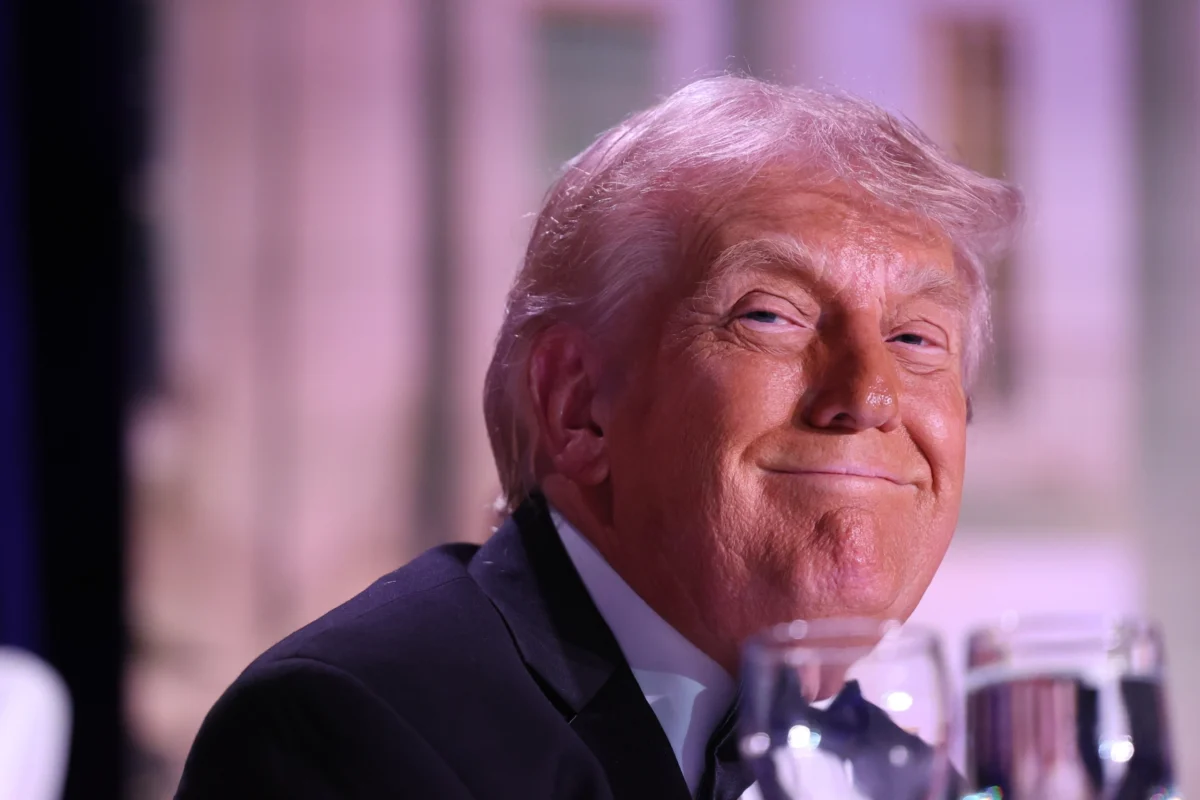
Next week, the White House Correspondents’ Association (WHCA) will host its annual dinner, an event traditionally dedicated to celebrating the First Amendment and the critical role of a free press. This year’s gathering, however, is fraught with tension, serving as a stark illustration of the escalating challenges confronting American journalism. The dinner, rescheduled after an unprecedented incident involving a gunman at its original April date, will feature President Donald Trump as the keynote speaker and returning mentalist Oz Pearlman as entertainment. Trump has already hinted at delivering "rather nasty statements" targeting "certain people," further fueling anticipation of a contentious evening.
The WHCA Dinner: A Confluence of Celebration and Condemnation
The WHCA dinner has long been a fixture in Washington D.C., a high-profile event where journalists, politicians, and celebrities converge. Its stated purpose is to honor excellence in journalism and underscore the importance of press freedom, often through lighthearted satire and speeches. Yet, the 2024 iteration arrives at a particularly challenging juncture for the relationship between the executive branch and the news media.
The original April event was abruptly cut short due to a security incident involving a gunman, an alarming development that prompted its immediate postponement. The decision to reconvene with President Trump as the guest of honor, especially given his historically adversarial stance towards the press, has been a point of significant internal debate within the journalistic community. Critics argue that hosting the President, who frequently labels news organizations as "enemies of the people" and undermines their credibility, compromises the very principles the dinner purports to uphold.
Adding a profound layer of irony and tension to the evening is the planned award ceremony. Tyler Pager, a journalist for The New York Times, is slated to receive an award for "the most fair, impartial, objective news reporting" by a member of the White House press corps. This recognition comes at a moment when Pager, along with four of his Times colleagues, finds himself directly targeted by the Trump administration through subpoenas.
The Subpoena Storm: Targeting The New York Times
Last Friday, Tyler Pager and four other New York Times journalists were served with subpoenas by the Trump administration. These legal demands seek to compel the newspaper to reveal confidential sources behind a series of stories concerning the Qatari-donated replacement for Air Force One, a project involving significant public interest and potential diplomatic implications. The administration’s move is widely perceived as an aggressive attempt to circumvent journalistic ethics and undermine the vital role of anonymous sources in holding power accountable.
In response, The New York Times swiftly filed a motion to quash the subpoenas, denouncing them as "abusive and improper." David McCraw, a lawyer for the paper, issued a statement asserting that the subpoenas were "brought in bad faith to punish the Times for its coverage." This sentiment resonates deeply within press freedom circles. Trevor Timm, the executive director of the Freedom of the Press Foundation, vehemently criticized the administration’s actions, stating, "Looking at the fact pattern of these subpoenas, that they’re claiming that this story was some sort of national security threat is just an absolute total joke. It is blindingly obvious to anybody with a pulse that Trump ordered these subpoenas himself. The idea of celebrating the First Amendment with Trump in the room without any sort of strong pushback is somewhat absurd.”
A History of Confrontation: Trump and the Fourth Estate
President Trump’s relationship with the press has been characterized by unprecedented hostility throughout his political career. His consistent labeling of critical reporting as "fake news" and his rhetoric against journalists have created an environment of distrust and, at times, intimidation. This backdrop made his return to the annual WHCA dinner controversial even before the subpoenas were issued.
Prior to the original April event, over two hundred and fifty journalists signed an open letter urging the WHCA to use the occasion to "forcefully demonstrate opposition to President Trump’s efforts to trample freedom of the press.” Some reporters had planned silent protests, wearing First Amendment lapel pins and pocket squares, while others considered a walkout during the President’s speech. The New York Times itself, in a symbolic gesture reflecting past tensions, has not regularly attended the event since the 2007 dinner.
The WHCA, as an organization representing the interests of the press corps, faces a delicate balancing act. Its core mission is to safeguard access to the administration and ensure the public’s right to information, not to preserve access at all costs or to normalize attacks on journalism. The decision to proceed with the dinner, particularly after such an extraordinary escalation against The New York Times, has raised questions about the association’s commitment to its stated principles. As observed by CJR colleague Jem Bartholomew, "the subpoenas must be seen as part of a wider push by the Trump administration to criminalize routine newsgathering practices.”
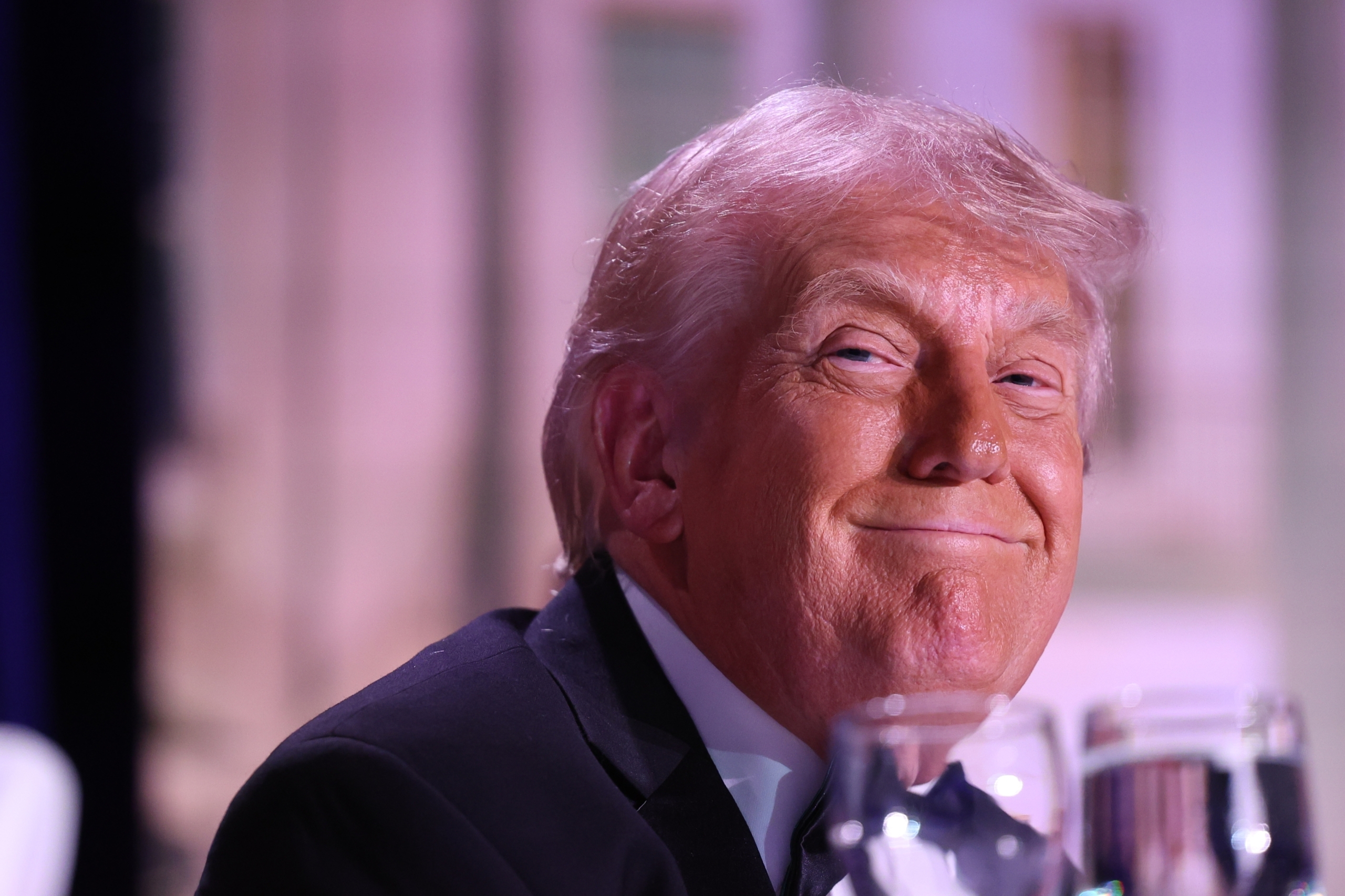
When queried about President Trump’s speaking engagement at the makeup dinner, the WHCA declined to comment. However, regarding the subpoenas, the organization released a statement affirming that it "stands with The New York Times reporters who were targeted for doing their jobs to uphold the public’s right to know how its government operates. The WHCA condemns any act of intimidation against journalists, including attempts to pressure them into revealing sources.” The upcoming dinner thus presents the WHCA with a crucial opportunity to translate this statement into concrete action and unequivocally demonstrate its commitment to press freedom.
Broader Implications for Press Freedom and Legal Precedent
The subpoenas against The New York Times journalists are not isolated incidents but fit into a broader pattern of executive branch attempts to exert control over information and pressure the media. While the United States lacks a federal shield law to protect journalists’ confidential sources, many states have enacted such protections. The absence of a robust federal mechanism leaves journalists vulnerable to legal pressure, creating a "chilling effect" that can deter whistleblowers and limit the flow of critical information to the public. Legal scholars and press freedom advocates routinely argue that forced disclosure of sources undermines the very foundation of investigative journalism, which often relies on promises of anonymity to uncover wrongdoing. The ongoing legal battle will likely set important precedents regarding the balance between government transparency, national security claims, and the constitutional protections afforded to a free press.
Unmasking Deception: Pamela Colloff’s "Catch the Devil" and the Perils of Jailhouse Snitches
Beyond the immediate political skirmishes, the world of investigative journalism continues to shed light on systemic failures within the American justice system. Pamela Colloff, an acclaimed investigative reporter known for her work with the New York Times Magazine, ProPublica, and Texas Monthly, has released a powerful new book, Catch the Devil: A True Story of Murder, Deception, and Injustice on the Gulf Coast. This profound work delves into the disturbing phenomenon of jailhouse witnesses and the far-reaching consequences of their deceptions.
In the book’s prologue, Colloff candidly admits to being conned by her subject, Paul Skalnik, during an interview at a federal penitentiary in Texas in 2018. Skalnik, whom she describes as "one of the most prolific, and most effective, jailhouse witnesses in American history," proved adept at manipulating her. Colloff, despite years of rigorous investigative experience, found herself "elated" by his apparent cooperation, only to realize "much too late" that his promises were hollow. This personal experience underscores Skalnik’s uncanny ability to discern and exploit the desires and needs of others. As Colloff reflected, "He could sense what I wanted to hear and what I needed and why I had come there. And so when he fulfilled that, that’s the part that I believed.”
The Architect of Lies: Paul Skalnik and the Justice System’s Vulnerability
Skalnik’s chilling ability to instinctively identify and exploit human vulnerabilities makes him a compelling, albeit disturbing, subject. Colloff frames her book as a deliberate dismantling of the romanticized "charming con-artist" trope often seen in popular culture. Instead, she presents Skalnik as a ruthless and unrepentant manipulator whose primary "con" was evading accountability for his own extensive criminal record, which included the sexual assault of a twelve-year-old girl. He achieved this by becoming a serial jailhouse snitch, offering conveniently timed confessions from fellow inmates in exchange for leniency in his own cases. For years, prosecutors, eager to secure convictions, relied heavily on his often-fabricated testimony, which led to "a staggering number of felony convictions.”
Colloff’s book is a masterclass in marrying meticulous investigative reporting with deeply immersive, character-driven storytelling. She painstakingly traces Skalnik’s forty-three-year journey through the criminal justice system, weaving together accounts of his crimes with devastating narratives from his many victims. These victims, many of whom are still grappling with the profound destruction he left in his wake, provide a poignant counterpoint to Skalnik’s calculated deceit.
The Case of Jim Dailey and the Broader Systemic Failures
Among the most harrowing stories is that of Jim Dailey, who was sentenced to death in Florida for the brutal 1985 killing of a teenage girl, a conviction largely predicated on Skalnik’s testimony. After nearly four decades on death row, Dailey has exhausted all his appeals, facing a grim reality in a state where no condemned prisoner has been spared from execution since 1983. Dailey’s case epitomizes the profound risks inherent in relying on unreliable jailhouse informant testimony, a practice that has contributed to countless wrongful convictions across the United States. Numerous studies and reports by organizations like the Innocence Project have highlighted the significant role of incentivized informants in wrongful convictions, pushing for stricter regulations and corroboration requirements for such testimony.
Colloff’s central thesis in Catch the Devil is not merely to expose a single, cunning individual, but to reveal how systemic flaws allowed him to flourish. She writes, "What made him so dangerous was not his intelligence or cunning, but rather how readily the institutions that were supposed to uphold the law and protect the most vulnerable had amplified his lies. Without them, Skalnik would have been nothing more than a small-time con man.” Her work serves as a powerful indictment of a justice system that, in its pursuit of convictions, sometimes fails to adequately scrutinize the credibility of its witnesses, thereby perpetuating injustice and harming the innocent.
The Hidden Costs of AI: Data Centers, Energy Consumption, and Regulatory Blind Spots in Texas
In a separate, yet equally critical, vein of investigative reporting, a recent collaboration between Floodlight, The Texas Tribune, and Wired has exposed a significant regulatory loophole in Texas, raising alarm bells about the unchecked environmental impact of the burgeoning artificial intelligence (AI) industry. The investigation centers on OpenAI’s flagship Stargate data center, a massive facility under construction on an eleven-hundred-acre campus in Abilene, Texas.
Local residents, like eighty-one-year-old retiree Paul Daniel, who has lived nearby for forty-four years, recounted their bewilderment, stating, "We were never advised or anything.” This lack of transparency for a project of such scale prompted investigative producer Evan Simon of Floodlight to delve deeper, uncovering a troubling pattern in Texas’s rapid ascent as a national data center hub.

The Texas Loophole: "Minor" Permits, Major Impact
Simon’s investigation revealed that as Texas actively courts AI facilities, a regulatory loophole has allowed some data centers to quietly construct massive on-site gas power plants with minimal public oversight. Instead of undergoing the rigorous permitting processes typically mandated for major pollution sources, developers have utilized initial "minor" permits. These permits, traditionally reserved for small businesses like dry cleaners, were never intended for large-scale industrial projects. Crucially, they require "no environmental studies, public notice, or public comment periods,” effectively circumventing crucial avenues for community input and environmental impact assessment.
Brad Racino, Floodlight‘s editor in chief, explained that the story emerged from a recurring pattern he and Simon observed while tracking data center growth nationwide. The fundamental question, "If I saw a development next door to my house, how would I not know what was going on?" drove their inquiry. Racino noted that Simon’s breakthrough came after a four-month deep dive, analyzing twenty thousand permits from the website of the Texas Commission on Environmental Quality (TCEQ) to uncover the systemic exploitation of this loophole.
Environmental and Community Ramifications
The environmental implications of this regulatory oversight are substantial. AI data centers are notoriously energy-intensive, requiring vast amounts of electricity to power their servers and cool their facilities. Building on-site gas power plants, while providing energy independence for the data centers, contributes significantly to air pollution, including greenhouse gas emissions, nitrogen oxides, and particulate matter. These emissions have direct impacts on local air quality and broader climate change efforts. Furthermore, data centers are prodigious consumers of water for cooling, adding pressure to local water resources, particularly in drought-prone regions of Texas.
For residents of Abilene, the discovery has come too late. They have been denied any say in a decision that has irrevocably reshaped their lives. Omaira Garcia, an Air Force veteran and mother of two who lives next to Paul Daniel, tearfully shared her plight with Simon. She attempted to sell her house but received no offers, feeling "trapped" by the unannounced development. The sudden presence of a massive industrial complex, with its associated noise, potential pollution, and altered landscape, has profoundly affected property values and quality of life for long-time residents.
The Race for AI Infrastructure and Calls for Reform
Texas has aggressively positioned itself as a magnet for tech investment, offering various economic incentives to attract data centers. This pro-business stance, however, appears to have created blind spots in its regulatory framework, allowing rapid development at the expense of environmental protection and community engagement. The Floodlight investigation highlights a growing tension between economic development, particularly in the booming AI sector, and the imperative for transparent, environmentally responsible growth.
The findings are likely to draw significant criticism from environmental advocacy groups, who consistently push for greater transparency and more stringent regulations for industrial developments. Local community organizations may also mobilize to demand reforms to the TCEQ’s permitting process, advocating for mandatory public notice and environmental impact assessments for all large-scale projects, regardless of their initial permit classification. The story underscores a critical need for policymakers to reassess how quickly the regulatory framework is adapting to the unprecedented demands and impacts of emerging technologies like AI, ensuring that economic progress does not come at the cost of public health and environmental integrity.
In an era defined by rapid technological advancement and profound societal shifts, the role of independent, investigative journalism remains more critical than ever. From holding political power accountable and defending press freedoms, to exposing systemic injustices within the legal system, and uncovering the hidden environmental costs of innovation, these reports collectively underscore the complex challenges facing contemporary society and the essential work required to illuminate them.
Sign up for the daily CJR newsletter.
Has America ever needed a media defender more than now? Help us by joining CJR today.
Susie Banikarim is an Emmy-winning journalist and recovering media executive. She is the director of the 2020 documentary Enemies of the People: Trump and the Political Press and cohosted the podcast In Retrospect.