The modern digital publishing landscape has undergone a dramatic structural transformation over the past several years. For decades, search engine optimization (SEO) served as the primary gateway for independent website operators and niche content creators seeking to capture web traffic and generate sustainable revenue. However, constant algorithmic shifts by major search engines, characterized by volatility and unpredictable traffic contractions, have forced publishers to reevaluate traditional monetization models.
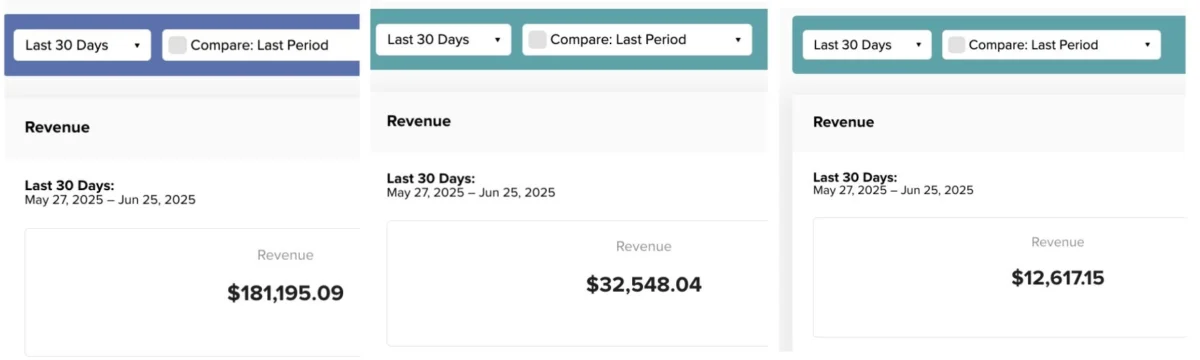
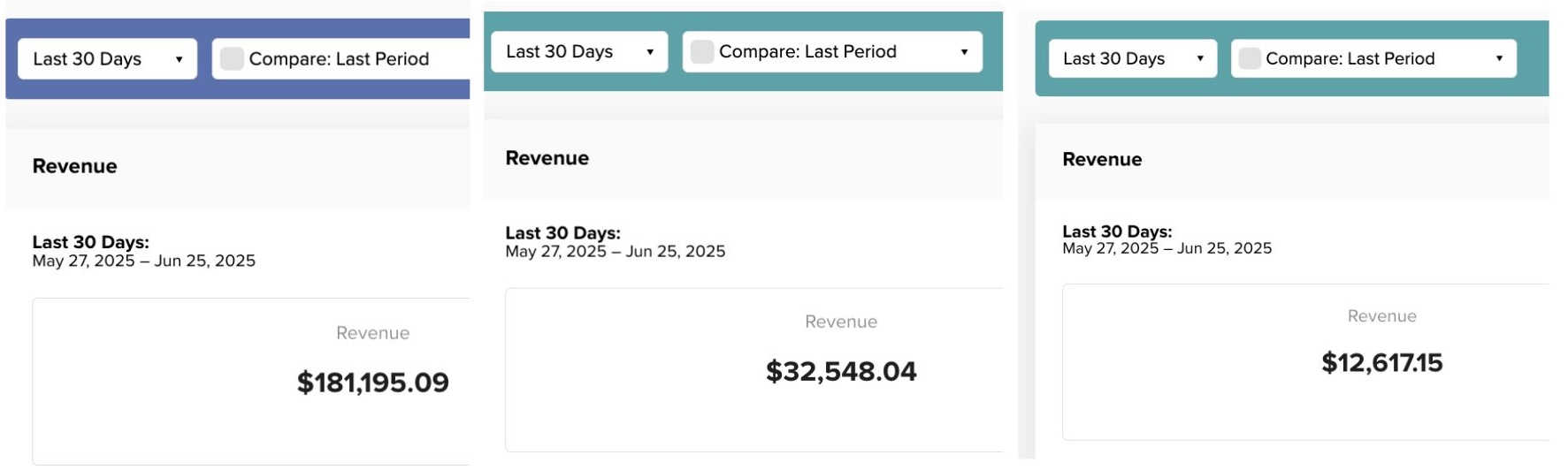
Veteran digital publisher Jon Dykstra has challenged conventional industry wisdom by demonstrating that independent web properties can achieve significant financial success—exceeding $100,000 per month in net profit—while deliberately operating outside the traditional SEO paradigm. Through an 18-month strategic testing and development phase, Dykstra established a multi-domain publishing portfolio designed to capture, retain, and monetize digital audiences through direct channels, fundamentally shifting away from reliance on organic search rankings.
The Shift Away from Traditional Search Dependency
Historically, niche content sites relied almost exclusively on search engine algorithms to deliver high volumes of passive web traffic. While this method historically yielded reliable advertising revenue via display networks, increased algorithmic unpredictability left many independent publishers vulnerable to sudden drops in visibility and revenue.
Recognizing these systemic industry vulnerabilities, Dykstra initiated a deliberate pivot. Rather than attempting to game fluctuating search engine algorithms, the publisher engineered a diversified ecosystem built on owned media channels, primarily focused on direct audience acquisition and retention. Over an 18-month development cycle, this operational blueprint was refined across three independent web domains, each generating sufficient revenue to comfortably cover major personal financial obligations, such as residential mortgages, while scaling into a multi-layered digital enterprise.
Phase One: Content Quality and Niche Authority
The foundational layer of this publishing model prioritizes high-value, niche-specific editorial content rather than high-volume, low-quality article production. In an era dominated by automated content generation and superficial blog posts, establishing deep topical authority remains paramount.

Rather than chasing broad keywords designed merely to attract fleeting search traffic, modern publishers focus on creating definitive resources that solve specific consumer problems. By leveraging modern publishing platforms and efficient editorial workflows, operators can maintain stringent quality controls while producing content that encourages repeat visits and builds long-term brand loyalty among users.
Phase Two: Audience Retention and Email Infrastructure
A critical vulnerability for many online publishers is the failure to capture user contact information, resulting in the permanent loss of roughly 95% of first-time site visitors. Dykstra’s operational model addresses this inefficiency by establishing immediate mechanisms for audience capture.
Central to this strategy is the deployment of dedicated email service providers, such as Kit, which integrate smoothly with advanced monetization platforms like SparkLoop. By utilizing targeted lead magnets, content upgrades, and strategic subscription forms across every page, publishers convert transient web traffic into permanent subscribers.
Industry analysts frequently emphasize that owned media channels, particularly email lists, provide a vital insurance policy against external disruptions. While social media networks can alter terms of service or restrict account reach overnight, and search engines can introduce algorithmic updates that suppress visibility, an email subscriber base remains a direct, unmediated asset owned entirely by the publisher.
Phase Three: Diversified Multi-Stream Monetization
Maximizing the financial yield of digital traffic requires a diversified monetization framework that extends far beyond traditional display advertising. Dykstra’s operational model incorporates multiple revenue streams designed to capture economic value at every stage of the user journey.
Display Advertising Networks: For established web properties meeting strict traffic thresholds, premium display advertising networks—such as Mediavine—provide a stable baseline of passive income. Every page view generates consistent advertising revenue without requiring active user interaction beyond consumption of the content.
Sitewide Affiliate Marketing: Rather than managing fragmented, individual affiliate relationships across dozens of merchants, the model utilizes comprehensive affiliate management platforms like Stay22. These systems automatically optimize retail and product links across entire web domains, routing users to the highest-yielding affiliate programs and significantly increasing commission efficiencies.
Automated Newsletter Monetization: Email newsletters are treated as standalone revenue centers rather than mere promotional broadcasts. By implementing structured sponsorship models and leveraging specialized instructional frameworks—such as those taught by industry experts like Scott DeLong—publishers monetize their daily email communications directly through targeted sponsorships and audience cross-promotion via SparkLoop.
Phase Four: Omnichannel Traffic Acquisition and Automation
While organic search is deprioritized, traffic generation remains a vital component of the publishing ecosystem. Rather than relying on a single traffic source, successful modern publishers utilize a combination of visual search engines and social media platforms to drive qualified visitors to their properties.
Pinterest functions as a powerful visual search engine characterized by high commercial user intent, particularly when optimized using specialized analytics and scheduling tools like PinClicks. Concurrently, platforms such as Instagram and Threads are leveraged as automated subscriber acquisition engines.
By employing advanced chatbot and automation software like Manychat, publishers create automated conversational funnels on social media. When users engage with posts or leave comments, automated systems initiate direct messaging sequences that provide immediate value and seamlessly capture user email addresses, effectively operating a 24/7 digital sales team across social networks.
The Flywheel Effect and Economic Implications
The integration of these disparate operational elements creates a self-reinforcing economic flywheel. Traffic arrives via social platforms or targeted visual search, immediately encountering display advertisements and contextual affiliate links. Simultaneously, a significant percentage of visitors are converted into email subscribers.

Once inside the email ecosystem, subscribers receive regular communications that drive them back to the website to consume additional content, view more advertisements, and engage with further affiliate offers. Furthermore, integrated referral loops allow subscribers to discover complementary newsletters, generating additional revenue per user.
This interconnected network effect multiplies the revenue potential of individual domains. By running multiple interconnected properties, publishers can cross-pollinate audiences and stabilize income streams against seasonal fluctuations.
Industry Implications and Future Outlook
The sustained financial success of multi-domain publishers operating outside traditional SEO frameworks signals a broader maturation of the digital publishing industry. As algorithmic dependency proves increasingly risky for small- and medium-sized independent operators, decentralized traffic acquisition and direct-to-consumer audience ownership are emerging as viable, highly lucrative alternatives.
For industry observers and aspiring digital entrepreneurs, these verified results challenge the long-standing assumption that high-income content sites require top-tier search engine rankings to survive. By prioritizing content quality, aggressive email list building, diversified monetization, and social automation, independent publishers can construct resilient digital assets capable of generating substantial, sustainable financial returns in an increasingly competitive online marketplace.