The rising cost of seasonal confectioneries has prompted a shift in consumer behavior as households seek to balance festive traditions with tightening budgets. With a standard bag of fun-size candy now retailing between $5 and $10—only to be consumed within minutes at a social gathering—many hosts are turning toward DIY culinary alternatives. By leveraging pantry staples and utilizing the dollar-store baking aisle, it is possible to produce large-batch refreshments that significantly outperform mass-produced candy in both quantity and cost-efficiency. This analysis examines seventeen cost-effective Halloween-themed treats, evaluating their production costs, scalability, and the broader economic implications of opting for homemade party fare.
The Economic Context of Seasonal Spending
The seasonal food industry experiences a distinct surge during the autumn months, particularly in the lead-up to October 31. Retail data suggests that consumer spending on Halloween-related candy consistently reaches into the billions of dollars annually. However, inflationary pressures have altered the value proposition of these goods. While a $7 bag of candy may offer convenience, the volume provided often fails to satisfy the needs of a moderate-sized party.

Financial analysts note that the "convenience tax" associated with pre-packaged holiday goods is a primary driver of household budget leakage. By transitioning to scratch-made or assembled treats, hosts can reduce the cost-per-serving of party refreshments by as much as 60% to 80%. This shift aligns with broader trends in consumer frugality, where households are increasingly prioritizing "experience-based" hosting over the consumption of high-markup, brand-name products.

Methodology for Budget-Conscious Hosting
To achieve maximum value, the procurement strategy focuses on bulk purchasing of foundational ingredients: candy melting wafers, pretzels, marshmallows, and chocolate chips. These items are shelf-stable and versatile, allowing for multiple applications across different recipes. Chronologically, the most efficient approach involves a single bulk shopping trip in late September, followed by a post-Halloween clearance cycle to restock pantry supplies at a fraction of their retail price.
Categorizing the 17 Cost-Effective Treats
Savory and Main-Course Alternatives
Hosting a party often necessitates more than just sugar-heavy snacks. The "Mummy Hot Dog," utilizing crescent dough and standard frankfurters, offers a savory anchor for roughly $6 to $9 per batch. Similarly, "Mini Mummy Pizzas," constructed from English muffin halves and string cheese, serve as a cost-effective substitute for external catering or pizza delivery. These items address the "takeout tax," a financial phenomenon where the convenience of prepared delivery services can inflate a party budget by hundreds of percentage points compared to home-prepared alternatives.
The Value of "Assembled" Confectionery
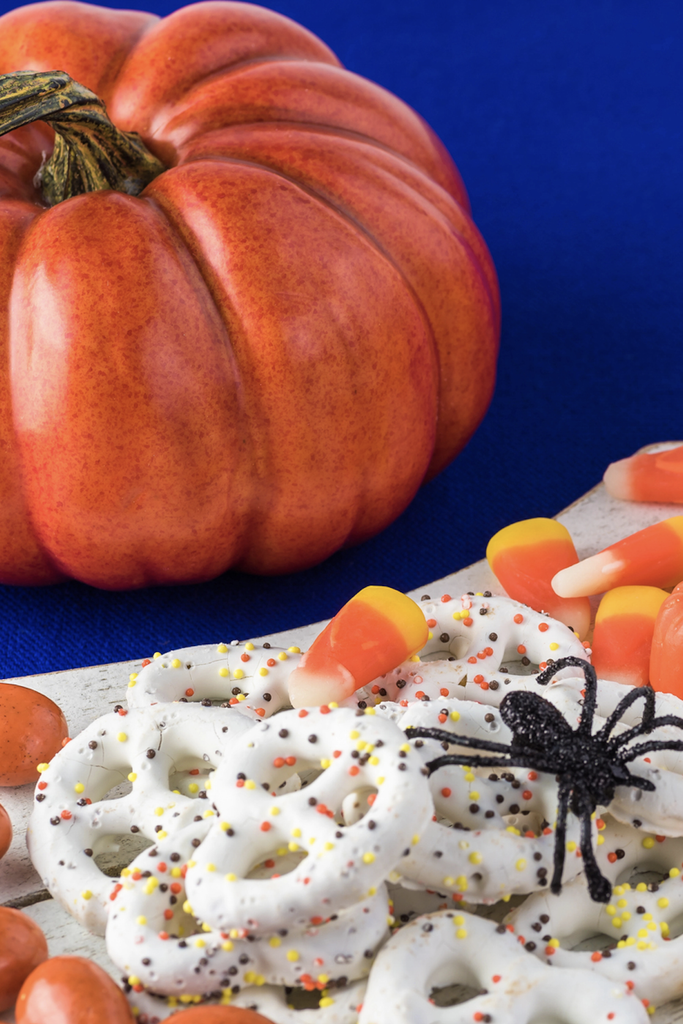
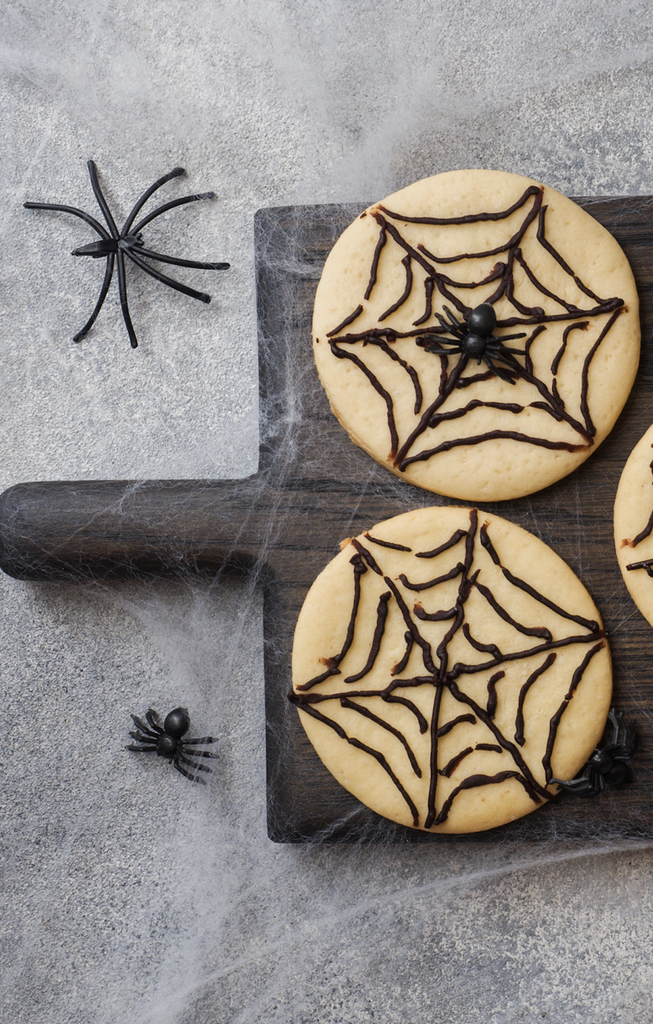
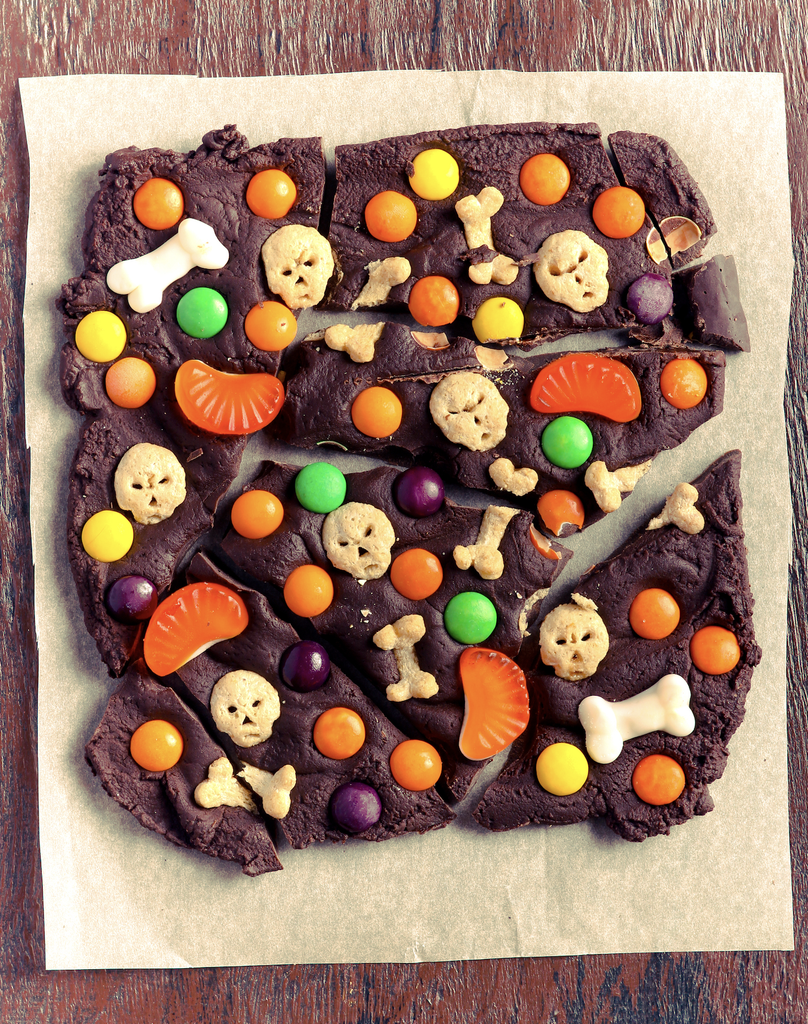
For desserts, the focus remains on visual impact over complex culinary technique. "Spiderweb Chocolate Bark," created by swirling white chocolate into dark chocolate, provides a high-end aesthetic profile with minimal ingredient costs. "Monster Bark" serves as a waste-reduction strategy, incorporating leftover pantry items, broken pretzels, and seasonal sprinkles into a consolidated treat. This practice directly addresses food waste, a common budgetary leak where excess candy is often discarded months after the holiday.
The "Experience" Factor: Popcorn and Punch
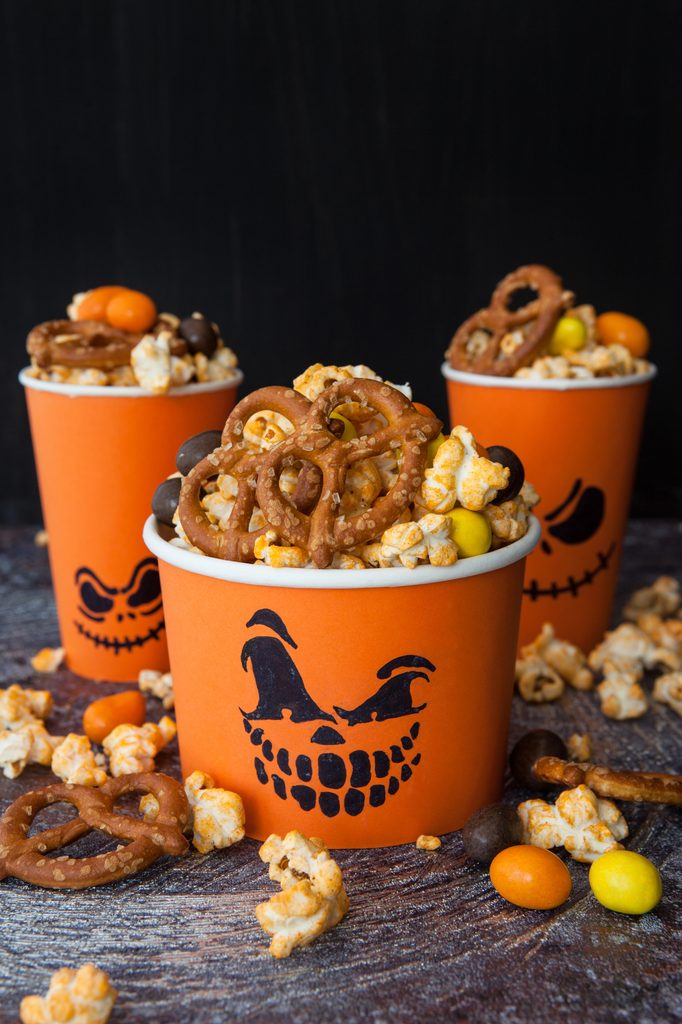
The most scalable options on the list are those that rely on low-cost base ingredients, such as popcorn and soda. "Orange Popcorn Balls" and "Witches’ Brew Punch" represent the apex of budget efficiency. For instance, a bowl of lime sherbet-based punch can serve up to 40 guests for less than the price of a single bag of candy. The use of dry ice—when handled with strict safety protocols—adds a professional production value that enhances the guest experience without adding significant monetary costs.
Comparative Cost Analysis and Risk Management
Not every DIY project is inherently a bargain. The "Caramel Apple" serves as a case study in failed budget planning. While an apple is inexpensive, the secondary costs of high-quality caramel, sticks, and toppings—compounded by the high risk of recipe failure due to the waxy nature of supermarket produce—often result in a cost-per-unit exceeding $1.00. Furthermore, failed batches require a total replacement of supplies, doubling the financial impact. A more prudent approach for hosts is to serve sliced apple rounds with a caramel drizzle, which increases yield while reducing the technical difficulty of the preparation.
Chronology and Operational Tips
- Late September: Bulk purchase non-perishables (pretzels, chocolate, baking supplies).
- October 1–25: Assemble dry-mix snacks like "Monster Munch" and "Candy Corn Trail Mix." These can be stored in airtight containers, preventing premature consumption.
- Event Day: Execute "wet" recipes such as the punch and mummy pizzas.
- Post-Halloween: Utilize clearance sales to acquire sprinkles and candy for the following year.
Broader Implications and Consumer Behavior
The transition toward DIY party planning reflects a broader shift in household financial management. As families become more aware of the "money leaks" hiding in plain sight—such as half-used cans of pumpkin purée left to spoil or the accumulation of unwanted holiday candy—the incentive to standardize and optimize party planning grows.
Industry experts observe that this behavior is not limited to Halloween. Similar strategies are applied to winter holiday traditions, where the focus on "expensive-looking" but low-cost gifts and food items serves to maintain a high quality of life without the necessity of increased debt. By replacing expensive, low-volume store-bought items with high-volume, scratch-made alternatives, hosts can maintain the integrity of their celebrations while adhering to fiscal discipline.

Conclusion
The data indicates that the most successful hosts are those who treat party planning with the same rigor as other household financial management tasks. By focusing on bulk ingredients, minimizing food waste, and choosing recipes that prioritize visual appeal over complex labor, it is entirely feasible to host a complete event—covering drinks, dinner, and dessert—for under $30. This approach not only maximizes the utility of a food budget but also reinforces a culture of resourcefulness that provides long-term financial benefits well beyond the conclusion of the holiday season. The tradition of celebration need not be synonymous with excess expenditure; rather, it is the creative application of humble ingredients that often leaves the most lasting impression on guests.