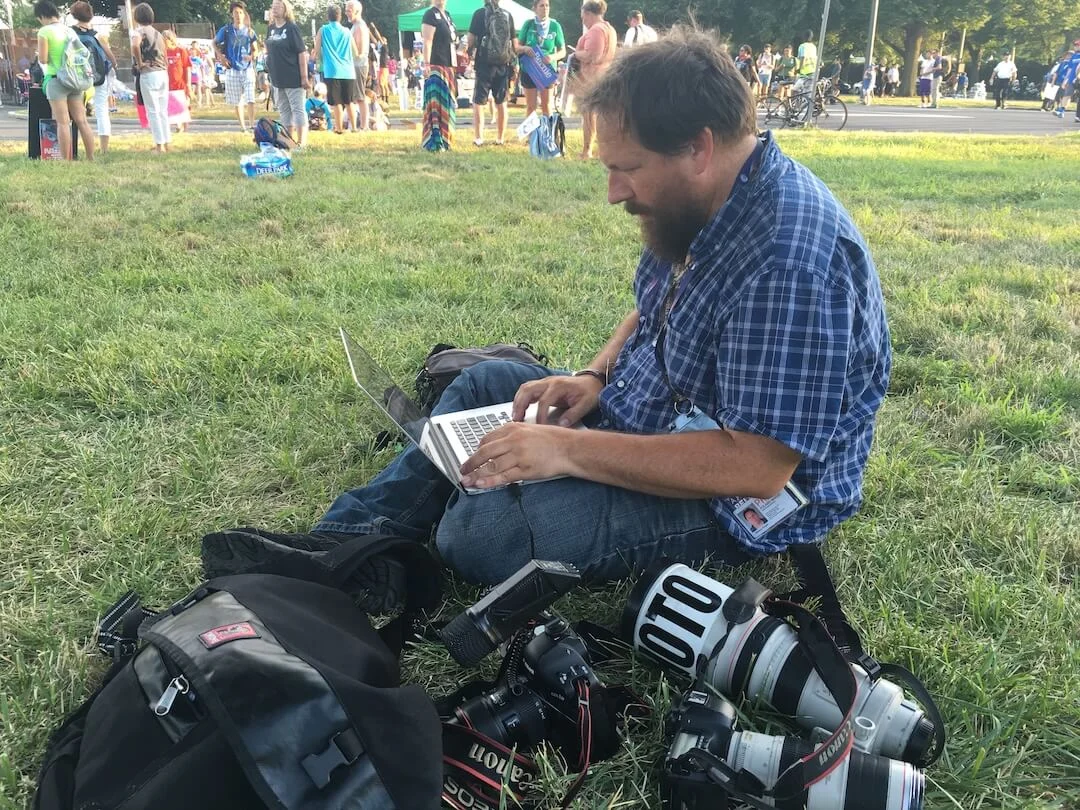
Like many small news efforts across the United States, Indiana’s The Bloomingtonian has cultivated a significant following by leveraging its Facebook page as a vital conduit to connect with local residents and secure subscribers. With a robust engagement of over 67,000 followers, the independent news outlet serves a clear community appetite for hyper-local stories, ranging from the lighthearted — such as outdoor World Cup watch parties and chickens running loose on a freeway — to the critically important, like investigations into harsh conditions at the county jail. This symbiotic relationship between a local news provider and a dominant social media platform underscores a contemporary reality for grassroots journalism: Facebook is often not just a promotional tool, but a fundamental pillar of its operational and financial model.
However, this critical reliance on automated systems for content moderation introduced an unforeseen and profoundly disruptive challenge for The Bloomingtonian. On July 11, 2026, Facebook’s artificial intelligence, tasked with upholding platform policies, abruptly shut down the page. The notification sent to publisher, editor, and sole reporter Jeremy Hogan stated that "the Page, or activity on it, may misuse our platform to pretend to be a local or domestic voice." This bewildering accusation implied that Facebook’s automated system had erroneously concluded that a legitimate local news organization was, in fact, an imposter. The incident highlights a growing tension between the scale of digital platforms and the nuances of human-generated content, particularly within the sensitive sphere of local journalism.
The Bloomingtonian’s Ordeal: A Case Study in Algorithmic Error
The arbitrary shutdown of The Bloomingtonian‘s Facebook page initiated a cascade of detrimental consequences for Jeremy Hogan and his news operation. For six days following the initial suspension, Hogan diligently pursued the platform’s appeal process, a mechanism designed to correct such errors. Yet, his efforts were met with a further blow: Facebook not only rejected his appeal but explicitly informed him that, following their review, no further human interaction or discussion would be available regarding his case. This unilateral decision effectively closed any avenue for direct communication or clarification, leaving Hogan in a digital limbo.
The immediate fallout was severe. With the stroke of a few electrons, the community of 67,000 followers, painstakingly built over time, vanished. More tangibly, 111 paid Facebook subscribers were lost, and the nearly $11,000 in annual revenue generated through the platform evaporated. This financial blow is particularly devastating for independent, solo newsrooms like The Bloomingtonian, where such income often represents a significant portion, if not the entirety, of the operating budget. The incident underscored the precarious financial footing of many local news entities, whose sustainability is increasingly tethered to the whims of algorithms controlled by distant technology giants.
Adding to the chilling effect, even the act of sharing links from The Bloomingtonian‘s main website on personal Facebook profiles became fraught with risk. When Hogan attempted to share his own content, his posts were removed, and his personal account was placed under restrictions. Hogan reported that several other individuals who attempted to share content from the now-suspended news page experienced similar punitive actions. "That might be the worst thing Facebook did here," Hogan stated, reflecting on the broader implications. "That should scare everyone using Facebook." This restriction on sharing extended the platform’s algorithmic error beyond the news page itself, effectively stifling the dissemination of legitimate local news through any Facebook channel. The IndyStar, part of the USA Today Network, highlighted Hogan’s plight as part of its ongoing series on First Amendment issues, drawing wider attention to the implications for journalistic freedom and access to information.
A Sudden Reinstatement, But Not a Full Recovery
Just three days after the appeal denial, and following significant media attention, The Bloomingtonian‘s Facebook page was inexplicably reinstated. The notification from Meta was curt: "After reviewing your appeal, your Page The Bloomingtonian has been published." No further explanation was provided for the initial suspension, the failed appeal, or the subsequent reversal. This sudden and uncommunicated change of heart, while bringing the page back online, did not fully restore what was lost. Crucially, the 111 paid subscribers remained missing, and the money they had contributed was refunded. This left Hogan with the arduous task of rebuilding his subscriber base and re-establishing trust with a community that had witnessed the arbitrary disruption of their news source. The incident laid bare the power imbalance between content creators and platform operators, where automated decisions can have profound and lasting impacts, even when eventually reversed.
The Lifeline of Local News: Social Media Dependence
The case of The Bloomingtonian is not an isolated anomaly but a stark illustration of the broader challenges facing local journalism in the digital age. Many local news efforts, often operating on shoestring budgets with limited staff, have become increasingly reliant on social media platforms like Facebook as primary distribution channels. These platforms offer unparalleled reach into local communities, enabling small outlets to bypass the costs associated with traditional marketing and content distribution. For a solo operation like Hogan’s, Facebook provided an accessible "digital public square" where news could be shared, discussions fostered, and a loyal readership cultivated.
This reliance, however, comes with inherent vulnerabilities. Unlike traditional media distribution, which is often owned and controlled by the publisher, social media platforms are privately owned entities that dictate the rules of engagement. Algorithms, designed for various purposes from user engagement to content moderation, can inadvertently or intentionally de-prioritize news content, alter discoverability, or, as in Hogan’s case, completely remove it. The financial models of many small newsrooms are directly tied to these platforms, either through advertising revenue sharing, direct subscriber features (like Facebook Subscriptions), or simply by driving traffic back to their own websites where ads are served. When a platform unilaterally disrupts this connection, the entire business model can crumble. The argument for platform neutrality and transparency in content moderation becomes even more critical when considering the vital role local news plays in civic engagement and community cohesion.
The Rise of AI in Content Moderation: Intent vs. Execution
Meta, the parent company of Facebook, manages a vast and complex digital ecosystem, hosting billions of pieces of content daily. To police this immense volume, the company has increasingly turned to automated AI systems for content moderation. The stated intent behind this pivot is noble: to identify and remove content that violates community standards, including hate speech, incitement to violence, misinformation, and impersonation. False local news sites and pages designed to spread propaganda or incite harm are genuine threats that require robust countermeasures.
However, the implementation of AI at scale presents significant challenges, particularly when dealing with the nuances of human language, context, and intent. AI systems, by their nature, rely on predefined rules, patterns, and machine learning models, which can struggle to differentiate between malicious actors and legitimate entities, especially when the latter operates in a non-traditional format (like a solo journalist acting as a "local voice"). The accusation against The Bloomingtonian – that it was "misus[ing] our platform to pretend to be a local or domestic voice" – suggests the AI might have flagged characteristics commonly associated with bot networks or foreign influence operations, mistakenly applying them to a genuine, single-person local news effort. This highlights a fundamental flaw: while AI excels at identifying broad patterns, it often lacks the contextual understanding necessary to make accurate judgments in complex, real-world scenarios.
Meta’s Appeal Process: A Labyrinth of Automation
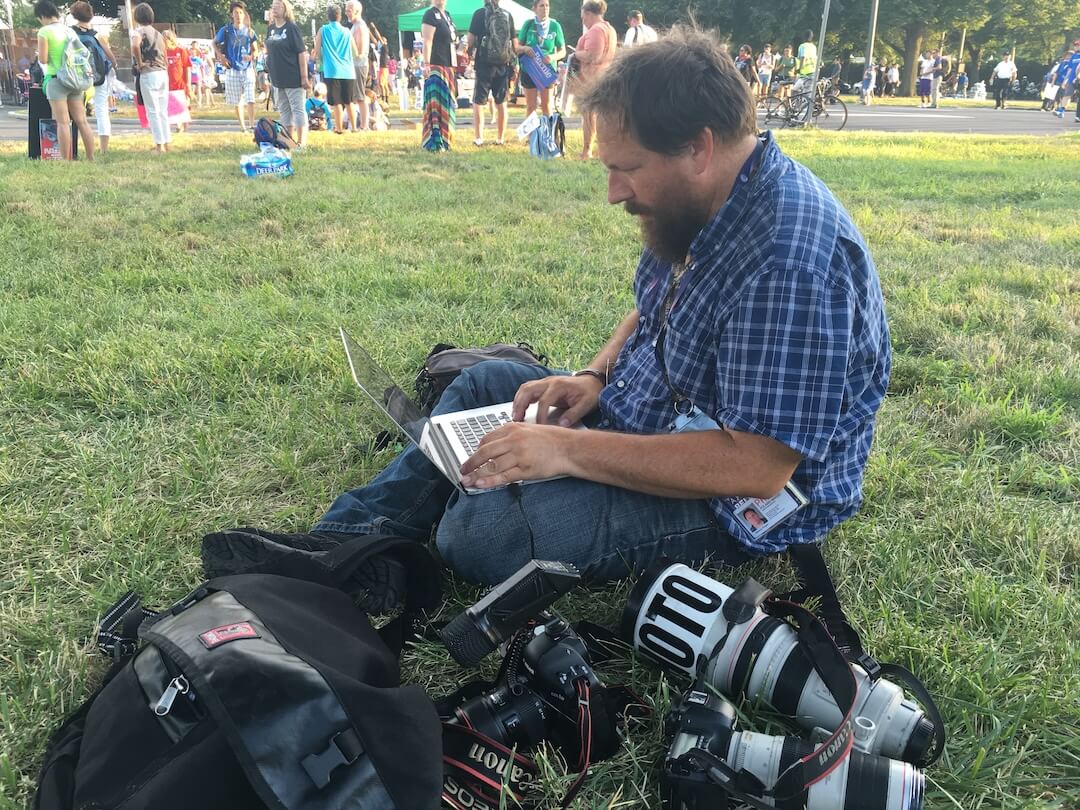
The experience of Jeremy Hogan also casts a critical light on Meta’s appeal mechanisms. For users whose content or accounts are erroneously flagged, the appeal process is often the only recourse. Yet, as Hogan discovered, these processes can be opaque, frustratingly automated, and ultimately lead to a dead end. The rejection of his appeal, followed by the explicit statement that "no human would talk to him further," exemplifies a systemic problem where users are left without a clear path to resolution or even basic explanation.
This lack of human oversight in the appeal process is a recurring complaint from users across Meta’s platforms. When automated systems make mistakes, the absence of a responsive, human-driven review process exacerbates the harm, undermines trust, and can lead to prolonged and unnecessary disruptions. For a small business like The Bloomingtonian, an unresponsive appeal system effectively meant a week of lost revenue, lost subscribers, and a damaged reputation, all without a clear understanding of why or how to prevent future occurrences. This raises serious questions about Meta’s commitment to due process for its users, particularly those who rely on its platforms for their livelihoods.
Broader Implications for Free Expression and Local Journalism
The struggles of The Bloomingtonian resonate far beyond the small town of Bloomington, Indiana. This incident is indicative of a broader crisis at the intersection of powerful tech platforms, algorithmic governance, and the fundamental right to free expression, particularly concerning the future of local journalism. Local news organizations are essential for a healthy democracy, providing accountability, informing civic discourse, and fostering community identity. When their ability to reach audiences is arbitrarily curtailed by automated systems, it poses a direct threat to these vital functions.
The chilling effect extends beyond the direct financial and operational damage. The fear of being algorithmically "canceled" can lead journalists to self-censor or avoid certain topics, undermining their independence and the public’s access to critical information. Moreover, the incident erodes trust in the very platforms that have positioned themselves as essential conduits for information. If a legitimate local news source can be mistaken for an impersonator, what does that say about the reliability of these systems in distinguishing between truth and falsehood, or legitimate discourse and harmful content?
A Pattern of Misidentification: Beyond The Bloomingtonian
The issues faced by The Bloomingtonian are not unique. This pattern of algorithmic misidentification and inadequate recourse has been documented across various contexts. CBS News in Baltimore reported in March 2026 on a similar incident where a woman and her college-bound daughter were locked out of their Instagram and Facebook accounts for alleged "child exploitation." The daughter, a budding artist, had merely posted pictures of her artwork and friends. These cases, occurring in different cities and under different circumstances, suggest a systemic problem within Meta’s content moderation architecture.
Further official scrutiny has come from Meta’s own Oversight Board, an independent group of outside experts established by the company in 2020 to review content decisions. In June 2026, the Board publicly chastised Meta, acknowledging the necessity of striking billions of accounts each year, often for valid reasons. However, it also highlighted that many suspensions were "inexplicable." Board member Michael McConnell further emphasized this point, stating, "And not only inexplicable: unexplained. After finding their accounts disabled, users are often unable to appeal or discover that the appeal mechanisms are opaque, impractical or unavailable." The Oversight Board’s findings provide independent validation of the systemic issues raised by cases like The Bloomingtonian‘s, underscoring the urgent need for reform. Meta has stated it would respond to the Oversight Board’s recommendations within two months, indicating a recognition, at least at some level, of the problems.
Calls for Accountability and Transparency
The collective voice from journalists, advocates for free expression, and even Meta’s own internal oversight body is clear: Meta needs to overhaul its approach to content moderation. While acknowledging the immense challenge of policing its vast platforms and the legitimate need to combat hate speech, misinformation, and malicious actors, the current system is demonstrably flawed in its execution. The cost of these errors is not merely inconvenience; it is financial harm to small businesses, censorship of legitimate voices, and erosion of public trust.
Poynter, a global leader in journalism, has emphasized the need for Meta to invest significantly in improving its moderation systems. The argument is that a digital system run amok "undercuts the very social bonds that serve as a natural and organic bulwark against haters of any stripe." For businesses, especially solo newsrooms, Facebook is an indispensable component of their operations. The expectation is that Meta, with its immense resources, cannot credibly claim ignorance of these ongoing problems. Michael McConnell of the Oversight Board articulated a core principle: Meta has a responsibility to protect the right to free expression. This sentiment resonates deeply within the journalistic community, which views platforms not just as conduits but as custodians of public discourse.
The Path Forward: Rebuilding Trust and Systems
As for Jeremy Hogan in Bloomington, the immediate future remains uncertain. While his page has been restored, the struggle to regain his lost subscribers and the revenue they provided continues. The incident has left a lasting scar on his perception of Meta as a business partner. "They are a terrible business partner," Hogan stated unequivocally. "They have done me harm. They have hurt the community. They have hurt people who want access to local news."
This sentiment encapsulates the broader challenge. Meta, as a dominant player in the digital information ecosystem, holds immense power over the livelihoods of countless individuals and organizations, including vital local news outlets. The Bloomingtonian saga serves as a potent reminder that while automated systems offer efficiency, they must be tempered with robust human oversight, transparent appeal processes, and a deeper understanding of the diverse and often nuanced content they are designed to moderate. The future of local journalism, and indeed, the health of public discourse, hinges on platforms like Meta fulfilling their responsibility to foster an environment where legitimate voices can thrive, rather than being silenced by algorithmic missteps. The ongoing dialogue between platforms, content creators, and oversight bodies will be crucial in shaping a more equitable and reliable digital landscape for news and information.