The period spanning late 2020 through the final quarter of 2022 marked a dynamic and transformative era for Meta Platforms, Inc., formerly Facebook. Faced with evolving user behaviors, heightened regulatory scrutiny, and an ambitious vision for the future, the tech giant embarked on an aggressive campaign of product development and strategic pivots across its expansive family of applications, including Facebook, Instagram, Messenger, and Oculus. This period saw a significant emphasis on short-form video content, advanced advertising automation, expanded monetization opportunities for creators, enhanced community features, and a foundational investment in the nascent metaverse, all while navigating critical discussions around user privacy, brand safety, and platform integrity.
Meta’s Strategic Pivot: From Social to Metaverse, Powered by Video and AI
Meta’s strategic direction during these two years was characterized by several overarching themes. The company, under CEO Mark Zuckerberg, signaled a profound shift away from being solely a social media conglomerate towards building the metaverse, an immersive virtual space where digital and physical realities converge. This long-term vision necessitated substantial investment in virtual and augmented reality technologies. Concurrently, Meta intensified its focus on a video-first content strategy, particularly short-form video, to compete with emerging platforms and capture shifting audience engagement. Complementing these shifts was a strong push for automation and artificial intelligence across its advertising suite, aiming to deliver more efficient and personalized campaign outcomes for businesses.
The Ascendancy of Reels: A Video-First Imperative
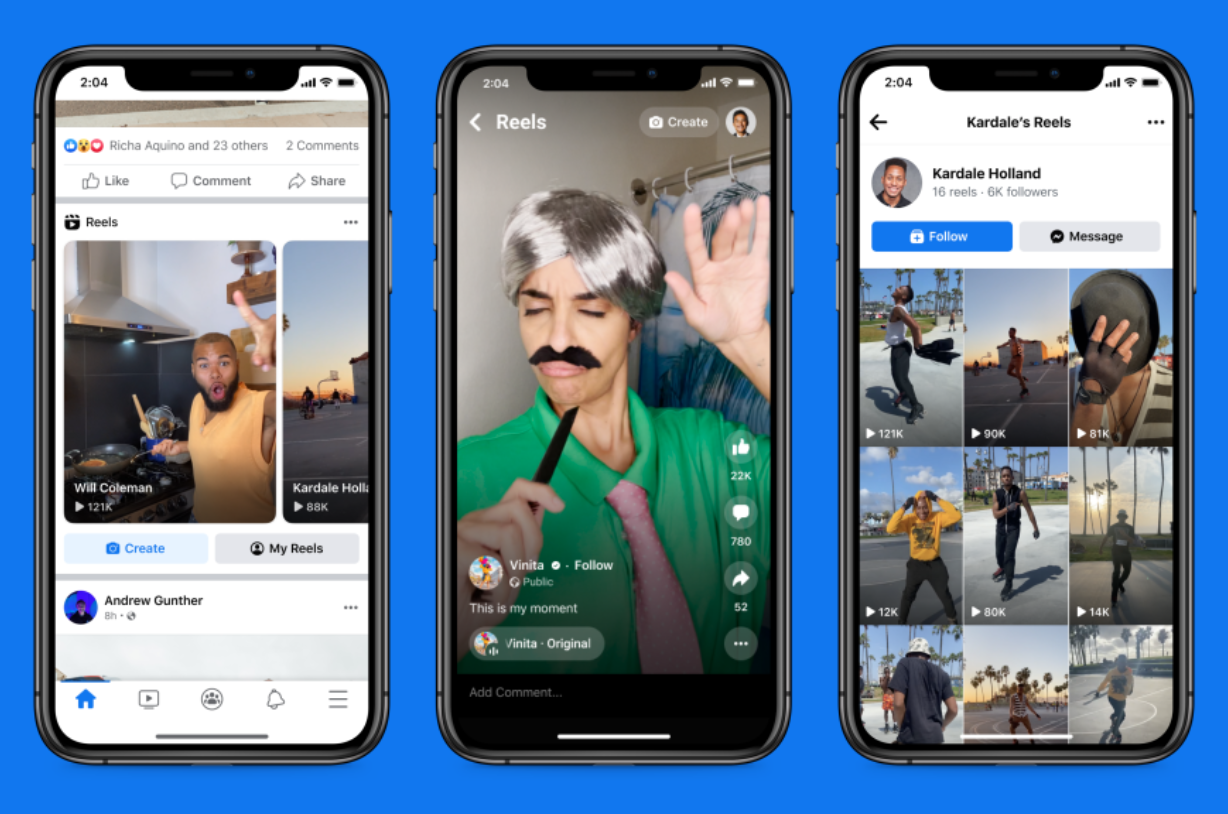
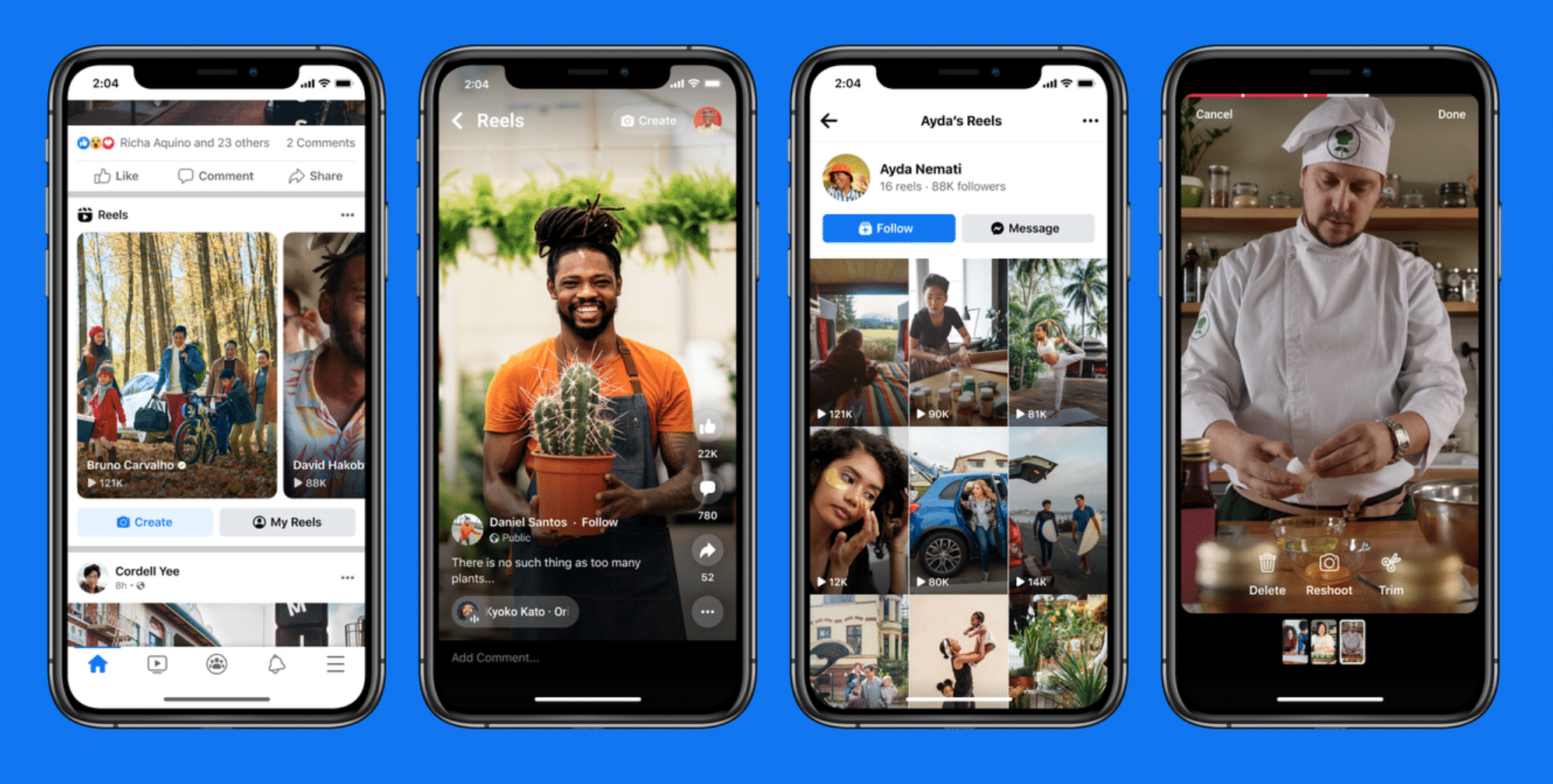
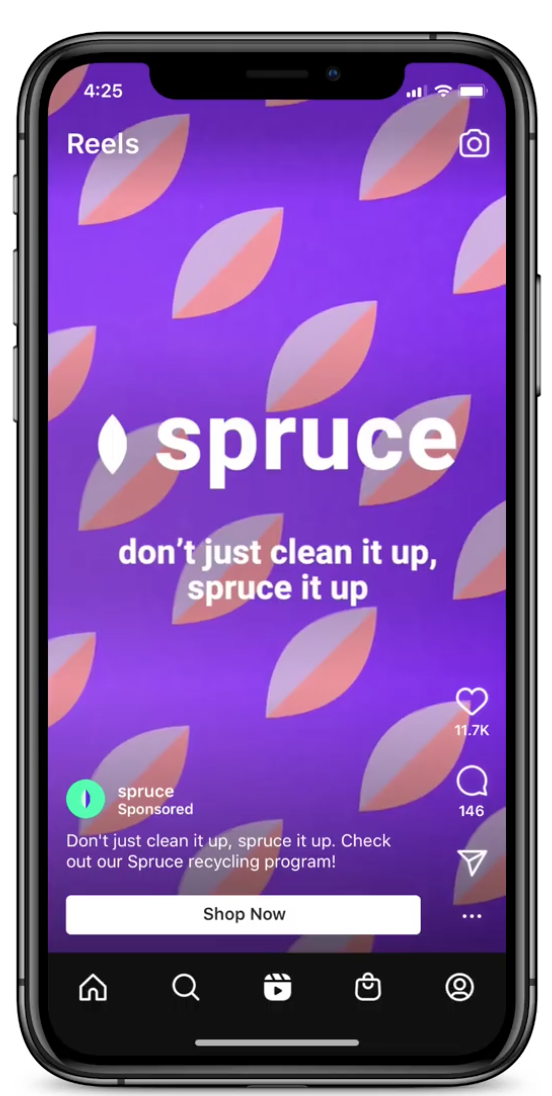
The rapid global rise of TikTok underscored the critical importance of short-form video, prompting Meta to heavily invest in its Reels format across both Instagram and Facebook. First introduced on Instagram in 2020, Reels quickly became a central pillar of Meta’s content strategy, demonstrating significantly higher engagement rates compared to other formats; for instance, the NFL’s account reportedly saw a 67% engagement increase on its Reels.
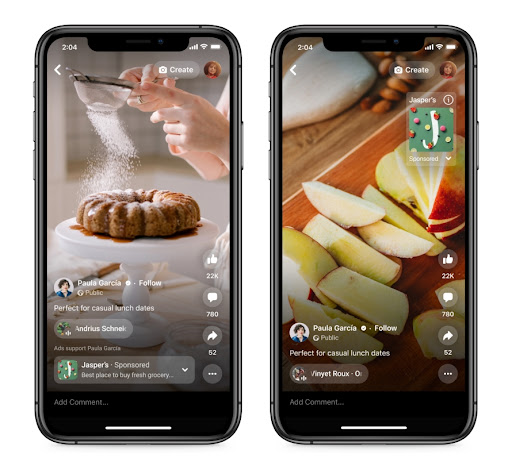
Throughout 2021 and 2022, Meta consistently rolled out a flurry of Reels-related updates. In October 2021, Facebook officially launched Reels for US users on Android and iOS, following their popularity on Instagram, with a global rollout to all users completed by February 2022. This expansion was swiftly followed by monetization tests, including "Facebook Reels Overlay Ads" (banner and sticker ads) in Canada, Mexico, and the US, and "Stars on Reels," allowing users to tip creators.
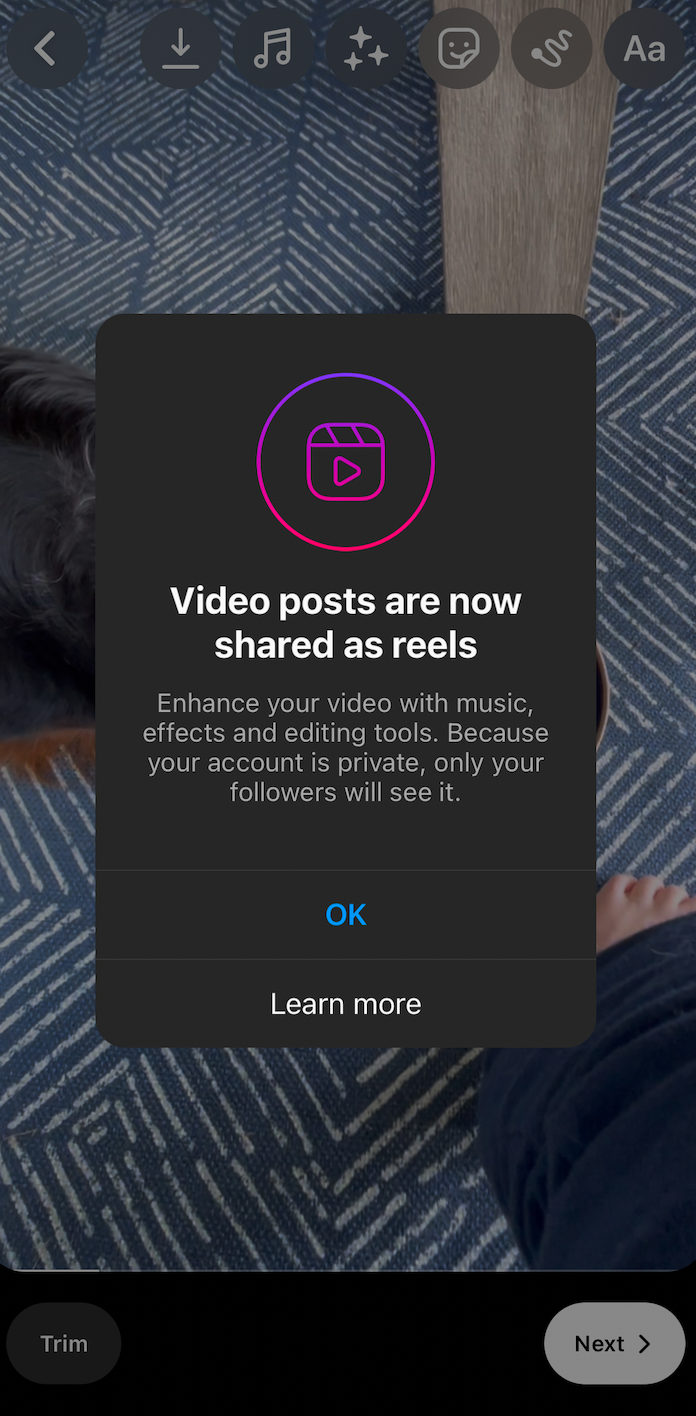
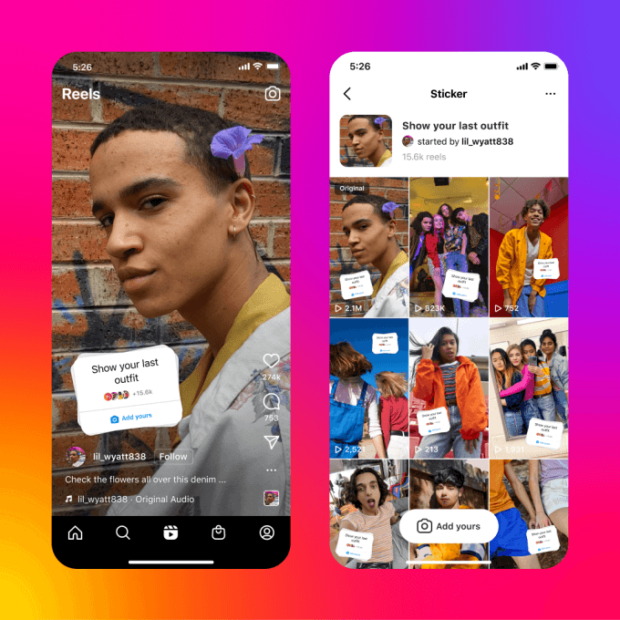
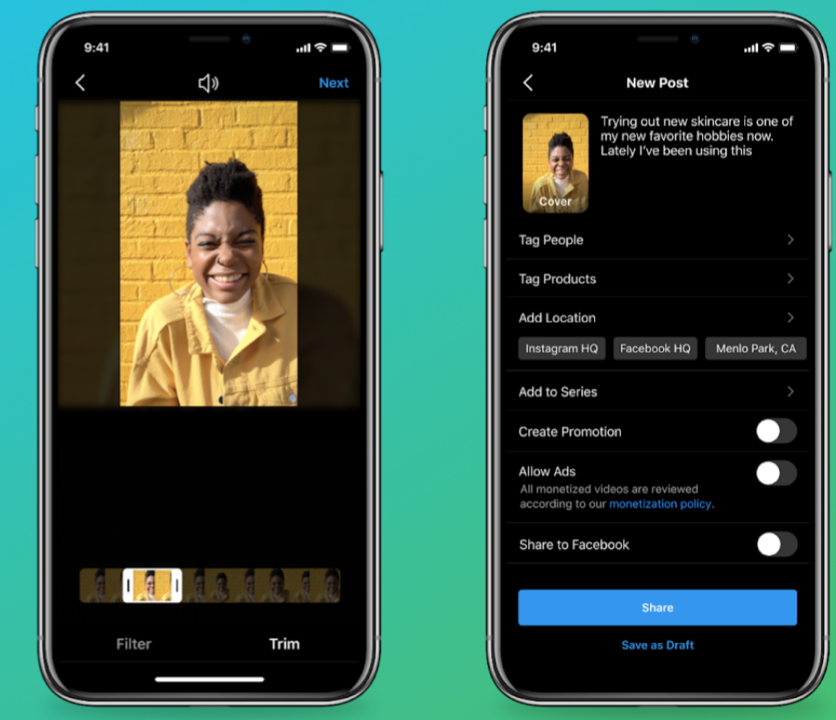
Further enhancing the creator experience, Instagram introduced native content scheduling for Reels, photos, and carousel posts up to 75 days in advance directly from the mobile app in late 2022. This streamlined workflow was a game-changer for content creators and businesses. Previously, in August 2022, Reels scheduling was enabled via Creator Studio for both Instagram and Facebook. Other notable additions included the "Add Yours" sticker for Reels (migrated from Stories), cross-posting functionality from Instagram to Facebook Reels, and improved analytics for Facebook Reels within Creator Studio, offering detailed metrics like reach, average watch time, and total view time. The maximum length for Instagram Reels was also extended from 60 to 90 seconds in April 2022, providing more creative flexibility. A significant development in June 2022 was the introduction of API access for Reels, allowing third-party developers, like Hootsuite, to offer publishing, analytics, and comment moderation capabilities, further solidifying Reels’ integration into the broader social media management ecosystem. The company also confirmed that all new video posts under 15 minutes on Instagram would automatically be shared as Reels, effectively merging traditional video posts into the Reels experience by July 2022.

Redefining Advertising: Automation, Transparency, and New Horizons
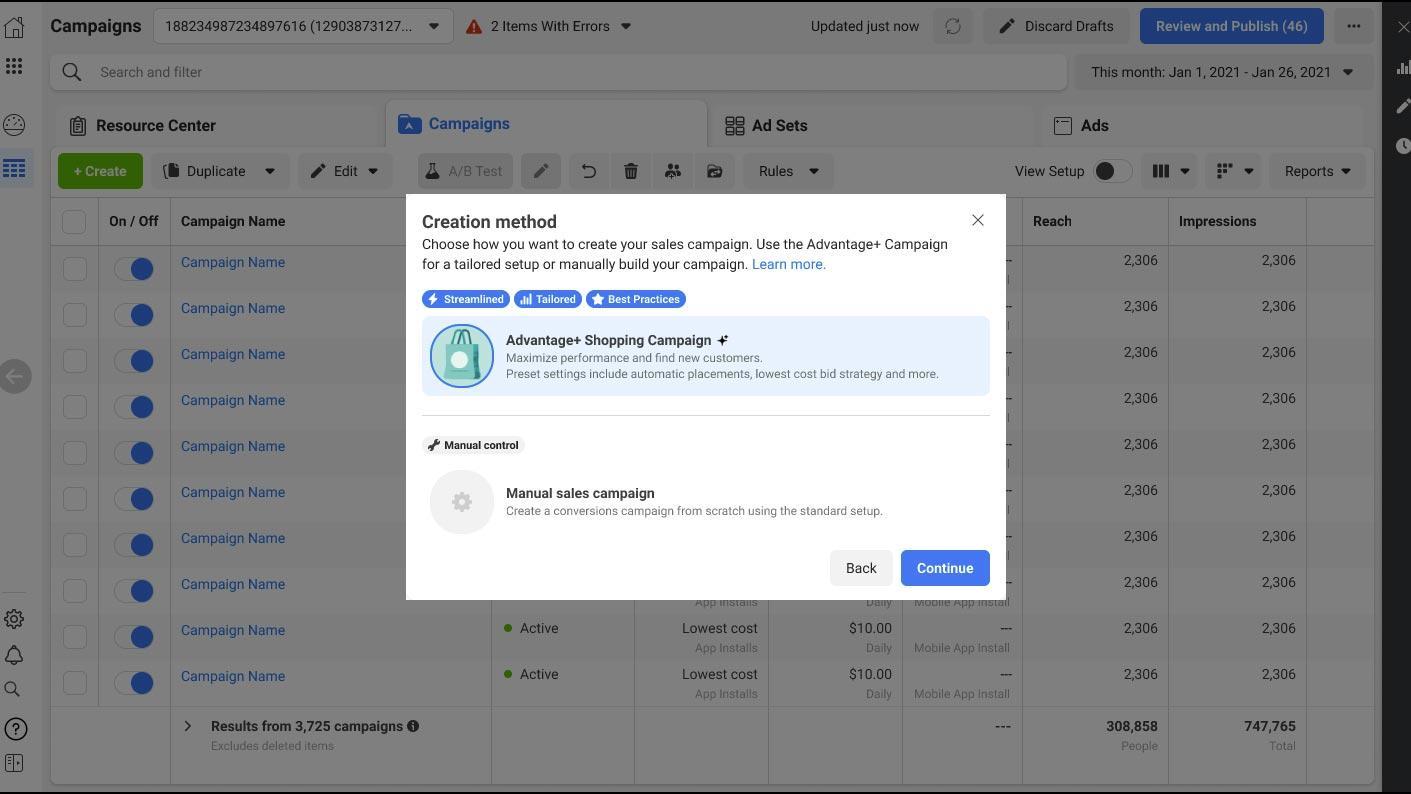
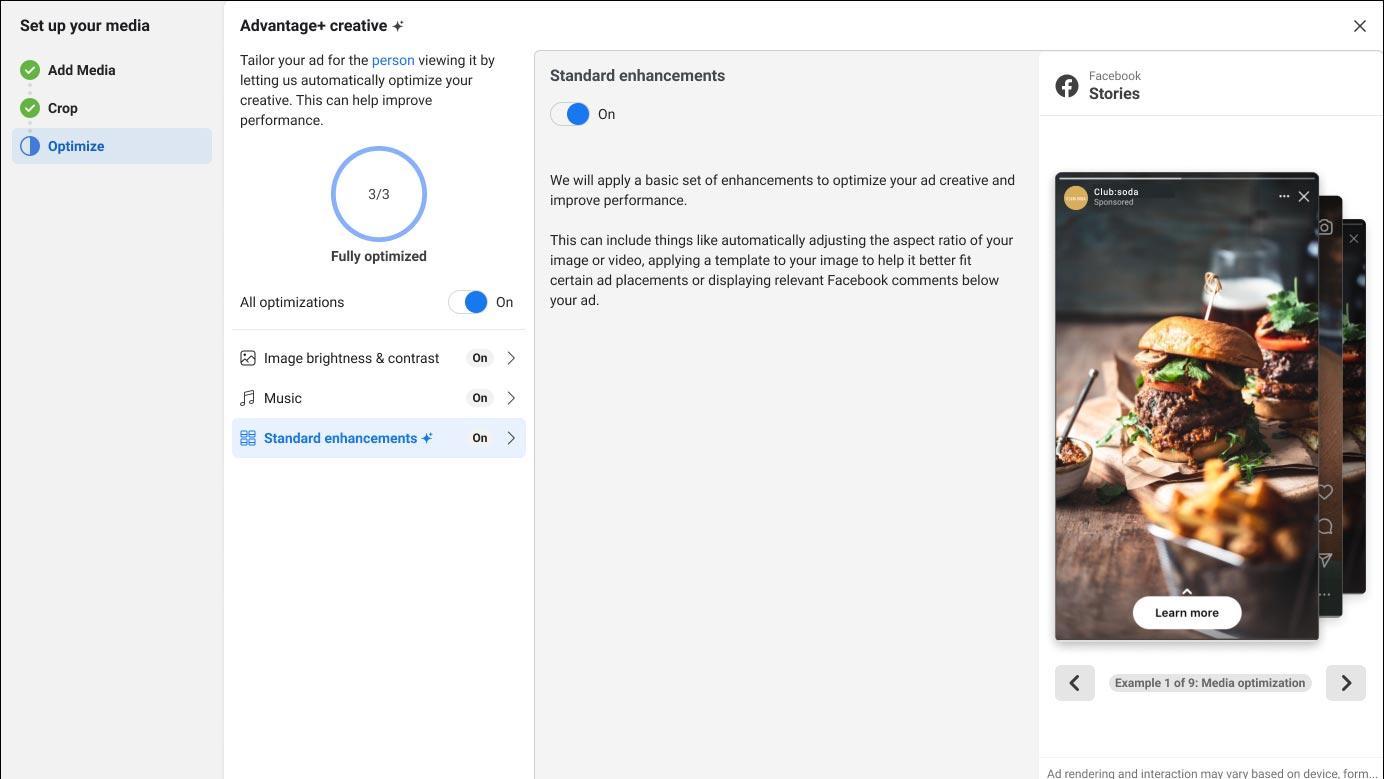
Meta’s advertising ecosystem underwent substantial transformation, with a clear trajectory towards increased automation, enhanced brand safety, and diversification of ad placements. The introduction of Advantage+ campaigns in 2022 marked a new generation of automation-heavy ad campaigns, leveraging Meta’s machine learning to optimize results. Advantage+ Shopping campaigns, rolled out in August 2022, aimed to simplify ad creation by automatically testing up to 150 creative options, leading to a reported 12% lower cost-per-purchase conversion in A/B tests. This suite also included Advantage+ creative, which dynamically adjusts ad creatives for individual viewers, and Advantage audience, which builds personalized audiences based on page interaction.
Brand safety and transparency were consistently addressed. In December 2022, Facebook released a list of advertising best practices backed by internal data to help advertisers boost ROI. A major milestone was achieved in November 2022 with the Media Rating Council (MRC) accreditation for content-level Brand Safety on Facebook, covering Instant Articles and In-Stream video. This accreditation, which followed extensive independent audits, reviewed Meta’s Partner Monetization Policies and Content Monetization Policies. Complementing this, Meta began testing a content-based inventory filter for Instagram and Facebook feeds, aiming for broader MRC accreditation. Earlier efforts included updates to brand safety controls in March 2021, allowing copyright owners to collect ad earnings on shared content and integrating "publisher allow" lists into the Ads Manager’s reach estimator.
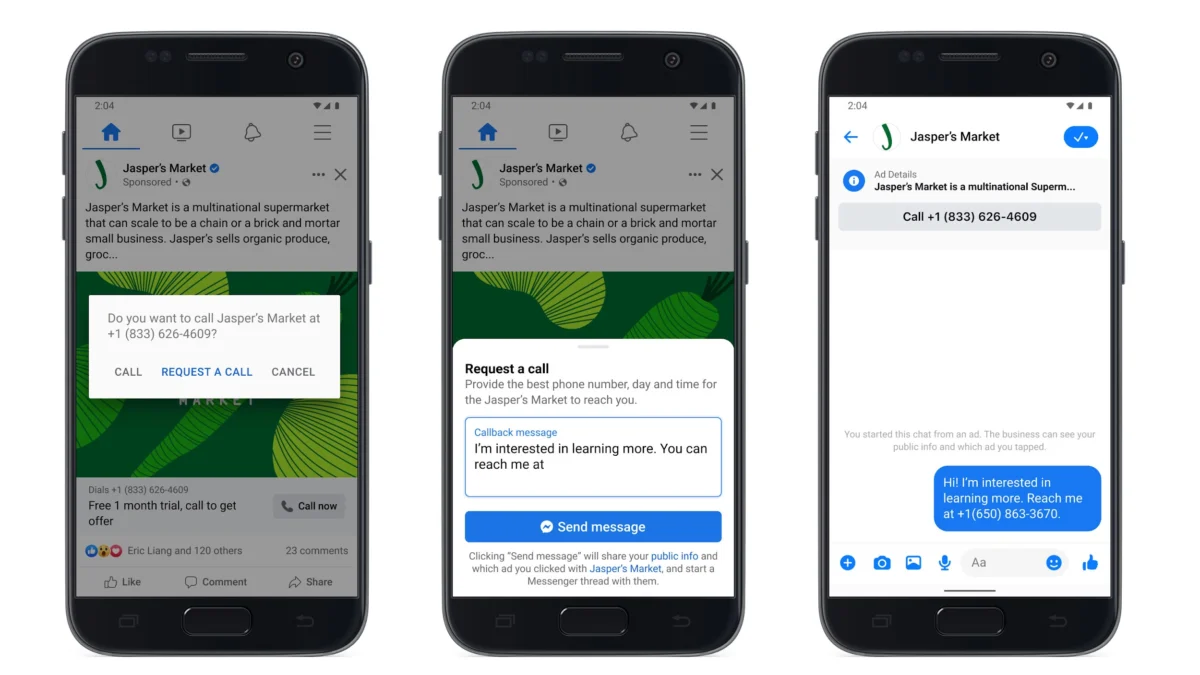
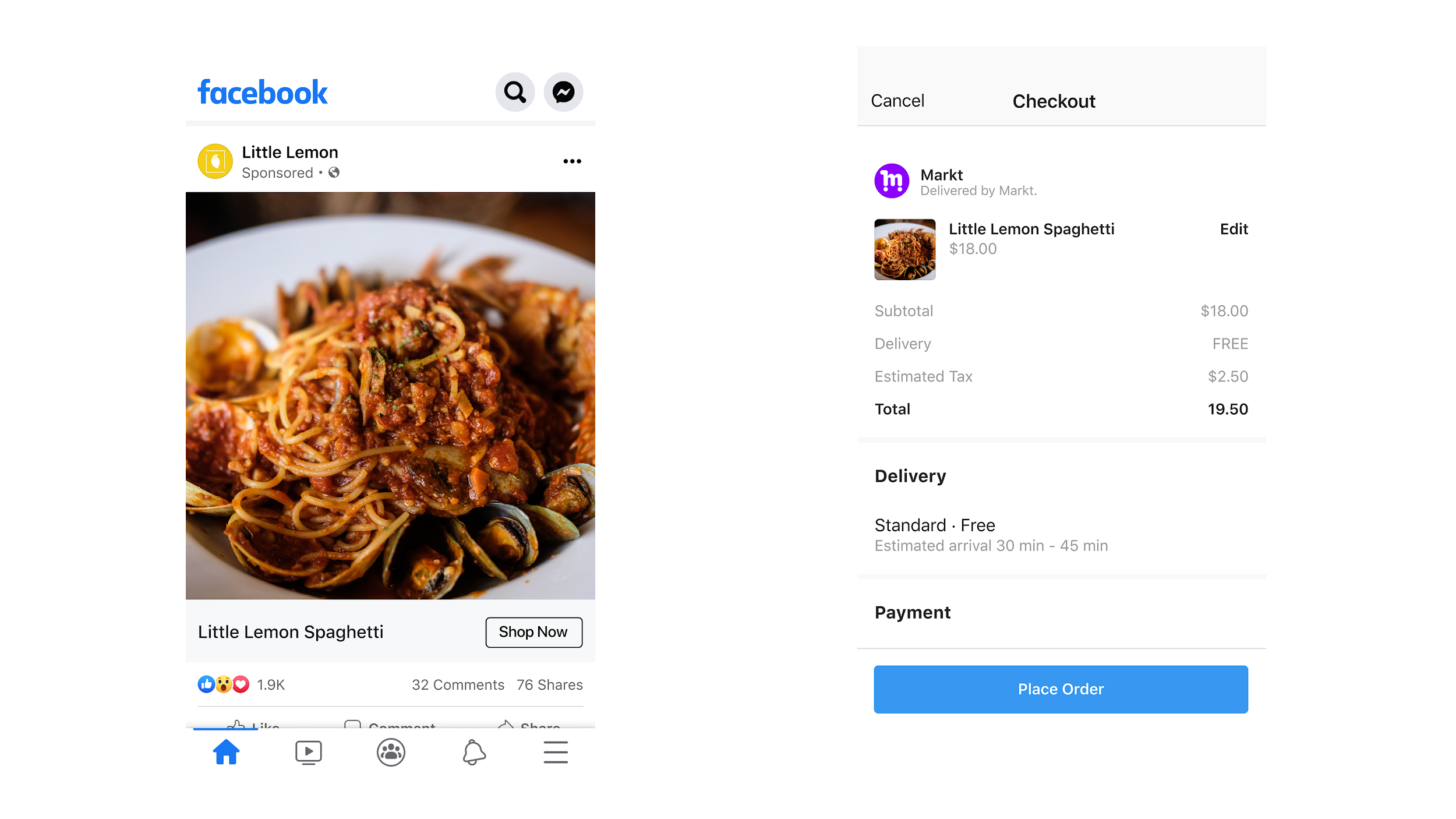
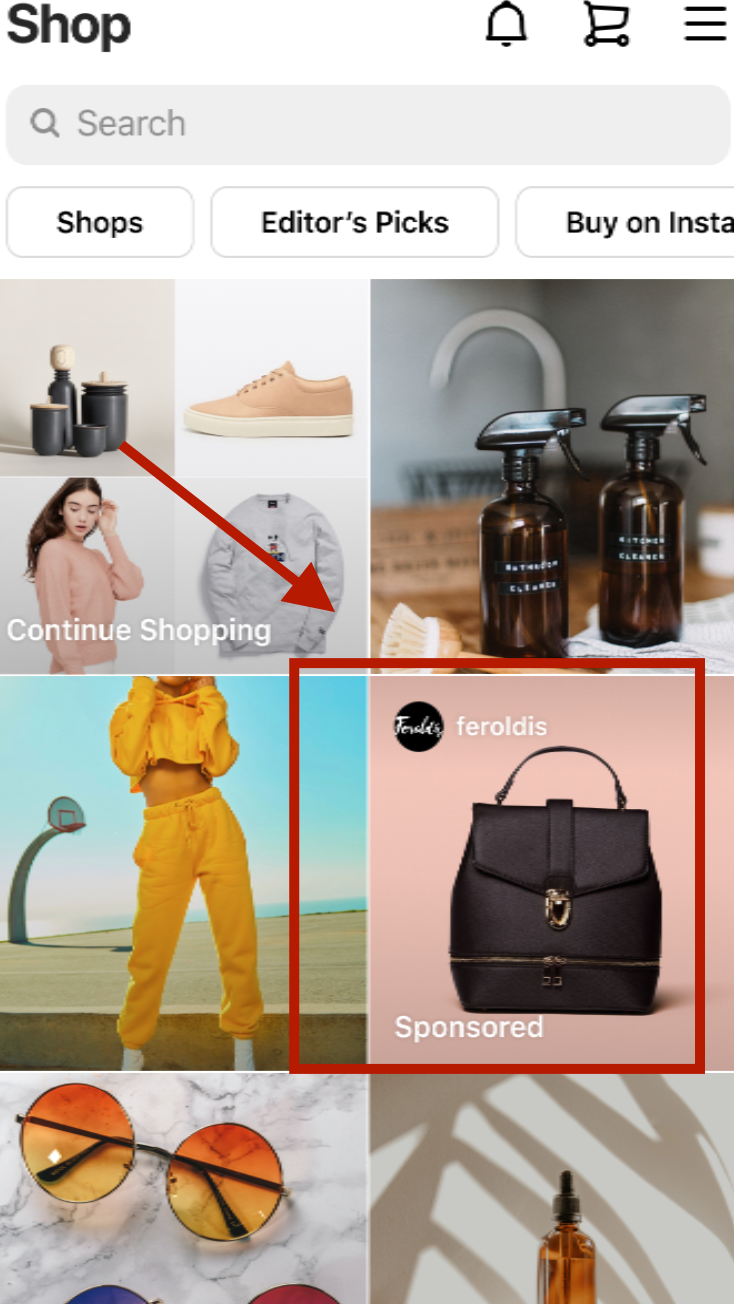
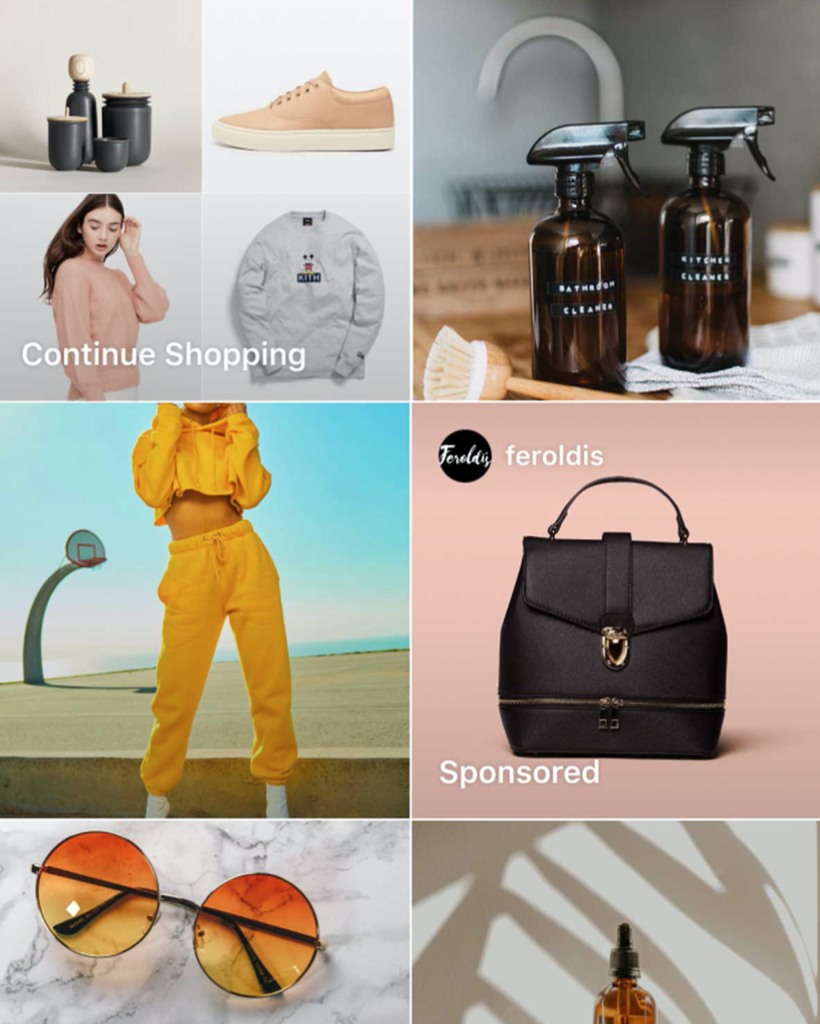
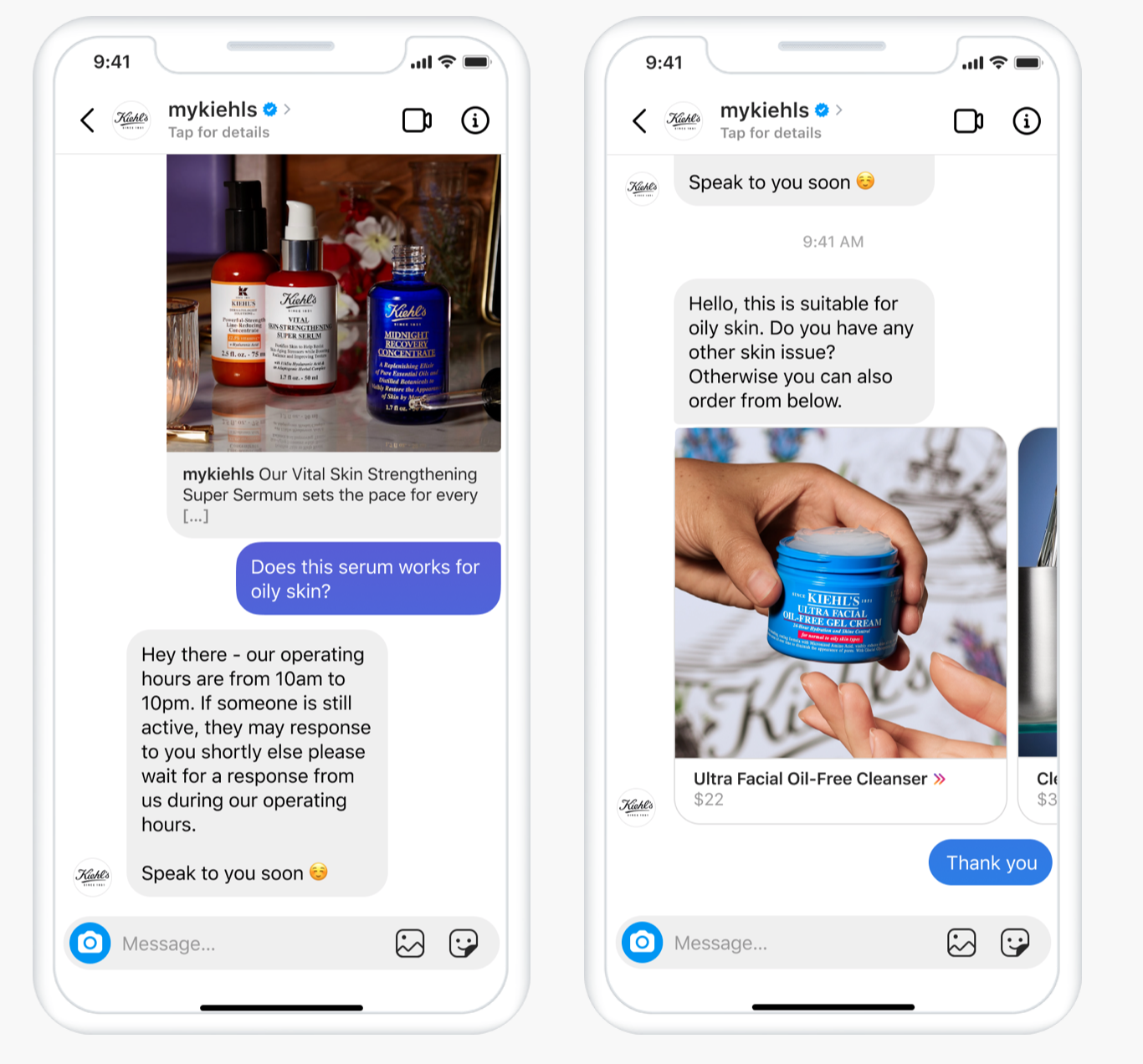
New ad placements and formats emerged to provide advertisers with more reach. Instagram launched ads in its Shop tab globally in August 2021, placing products directly in a high-intent shopping environment. Reels Ads were introduced in June 2021, appearing across various surfaces where Reels content is viewed. Dynamic Ads for Streaming were unveiled in April 2021, enabling video streaming brands to showcase personalized content suggestions to users. In October 2022, Meta rolled out new creative tools and surfaces for ads on Instagram, including multi-advertiser ads and explore home ads. Local delivery options for Collaborative Ads were globally released in September 2022, specifically benefiting grocery and restaurant businesses by allowing product ordering directly from local delivery services within the ad experience. Call Ads received significant updates in September 2022, including a feature to request callbacks in Messenger and improved optimization for lead quality.
Regulatory changes significantly impacted advertising. Apple’s AppTracking Transparency (ATT) update, officially launched on April 26, 2021, presented a major challenge, requiring user consent for data tracking. Meta acknowledged its potential to impact custom audiences and ad optimization, advising advertisers to prepare by verifying domains and configuring conversion events. In August 2021, Meta restricted ad targeting for users under 18 to only age, gender, and location, eliminating interest-based targeting due to privacy concerns. Ad limits per page, announced in September 2020 and rolled out in early 2021, capped the number of active campaigns based on monthly ad spend, prompting advertisers to focus on efficiency over volume. Facebook also expanded eligibility for cryptocurrency brands to run ads in December 2021, recognizing the evolving digital asset landscape.
Fostering the Creator Economy and Streamlined Commerce
Meta heavily invested in empowering creators and simplifying commerce on its platforms. Mark Zuckerberg announced in June 2022 that revenue sharing with creators from Badges, Subscriptions, and paid online events would be paused until 2024, aiming to maximize creator earnings. This followed a commitment in July 2021 to invest over $1 billion in creators through bonus programs, rewarding milestones achieved with native creative and monetization tools.
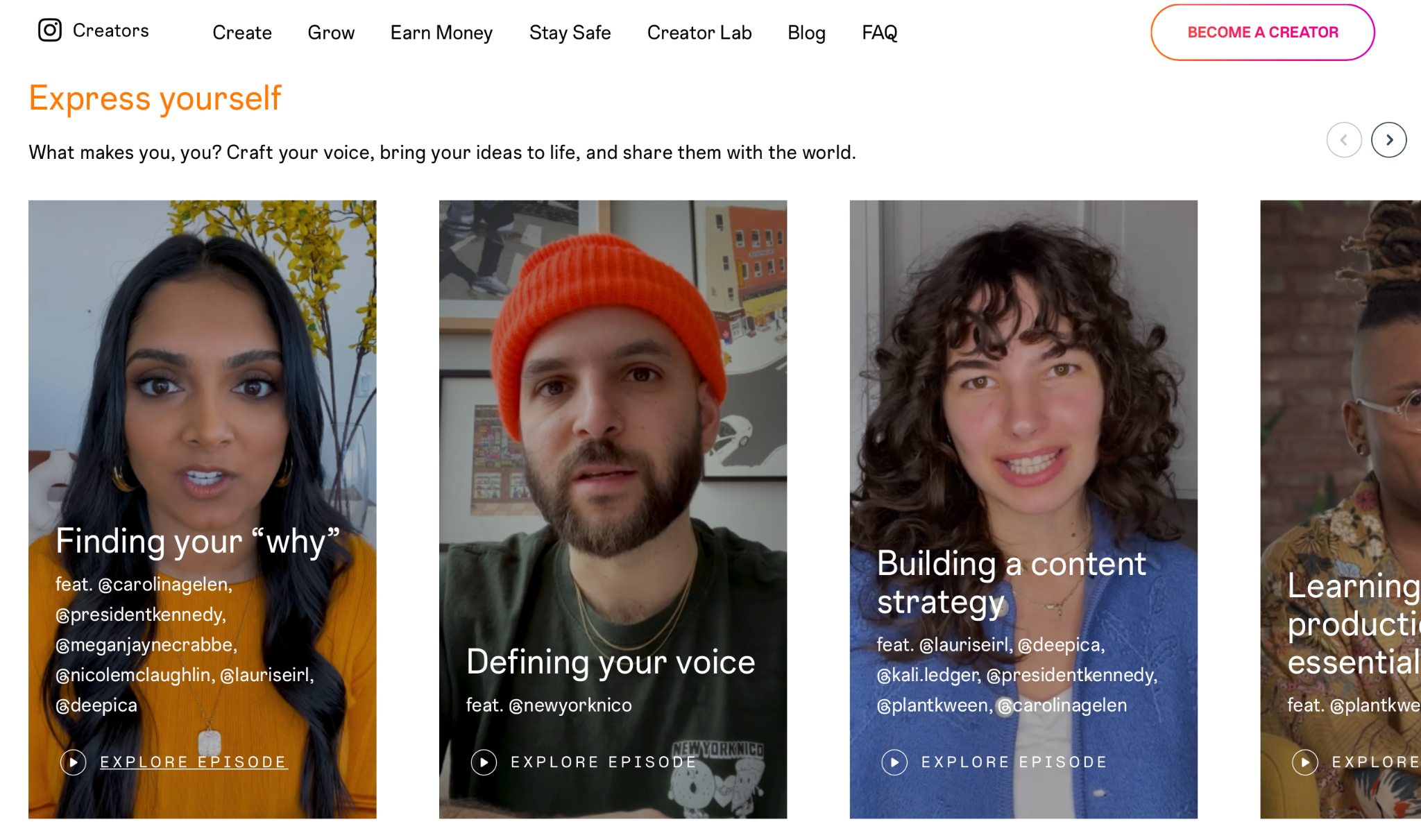
Instagram’s Creator Marketplace, which began testing in July 2022 and expanded access to US businesses, provided a dedicated hub for brands to discover and collaborate with creators. Features included filtering creators by demographics and audience interests, and integrated communication tools. Beyond collaborations, new monetization avenues like affiliate selling were announced in June 2021, allowing creators to earn commissions by tagging products from participating brands directly in their content. Instagram Subscriptions, tested with a small group of creators in January 2022, allowed users to subscribe for exclusive content, mirroring a feature already present on Facebook.
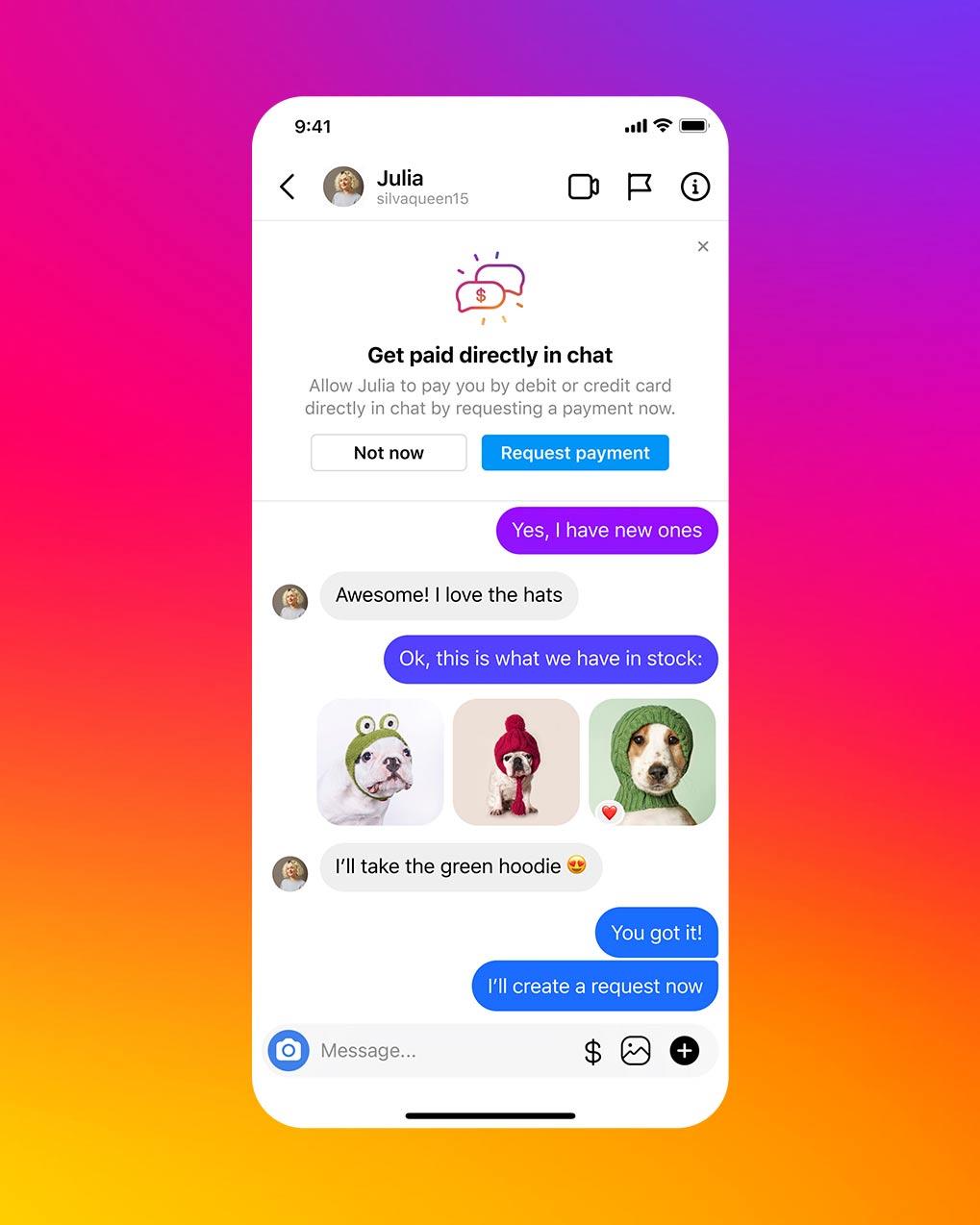
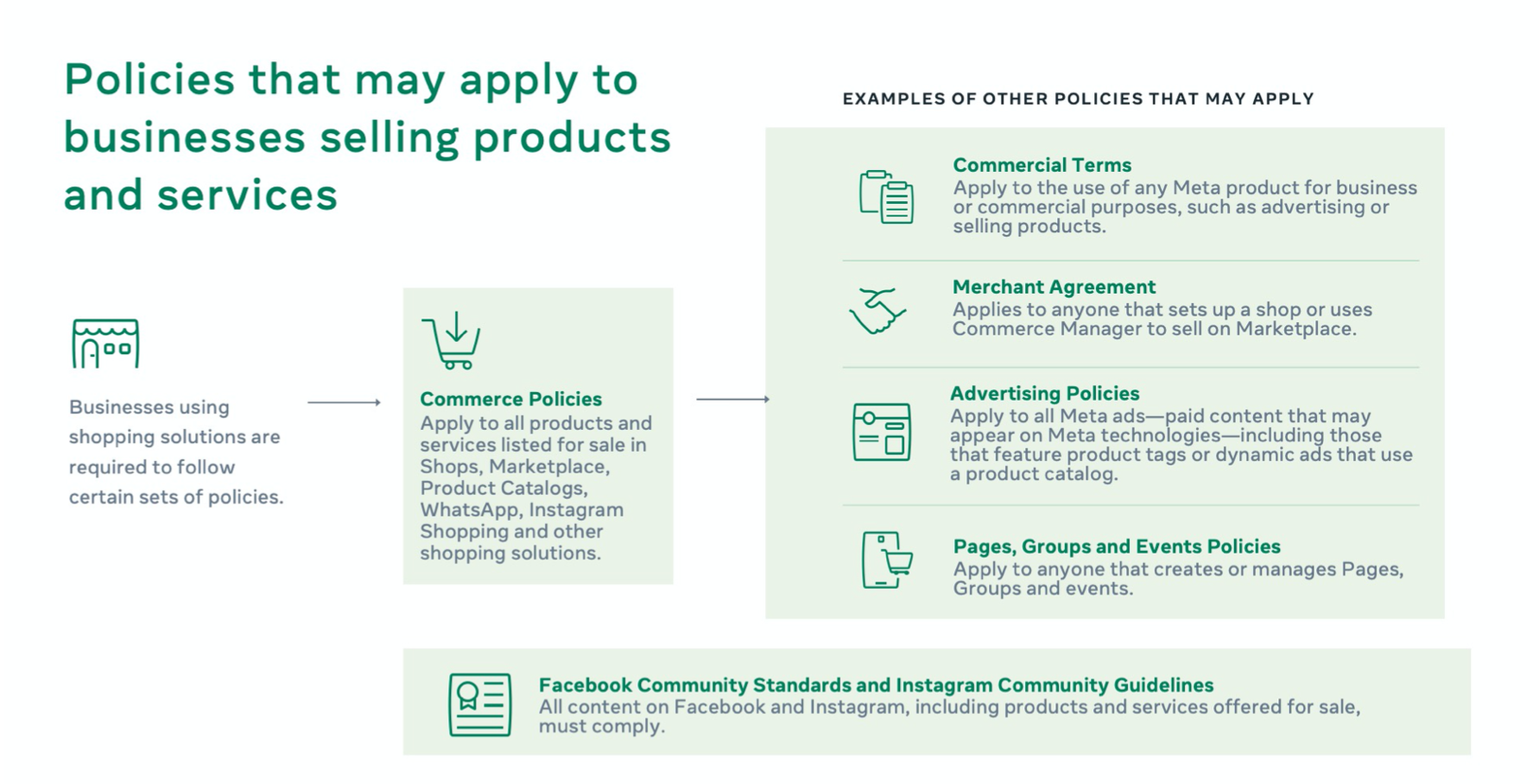
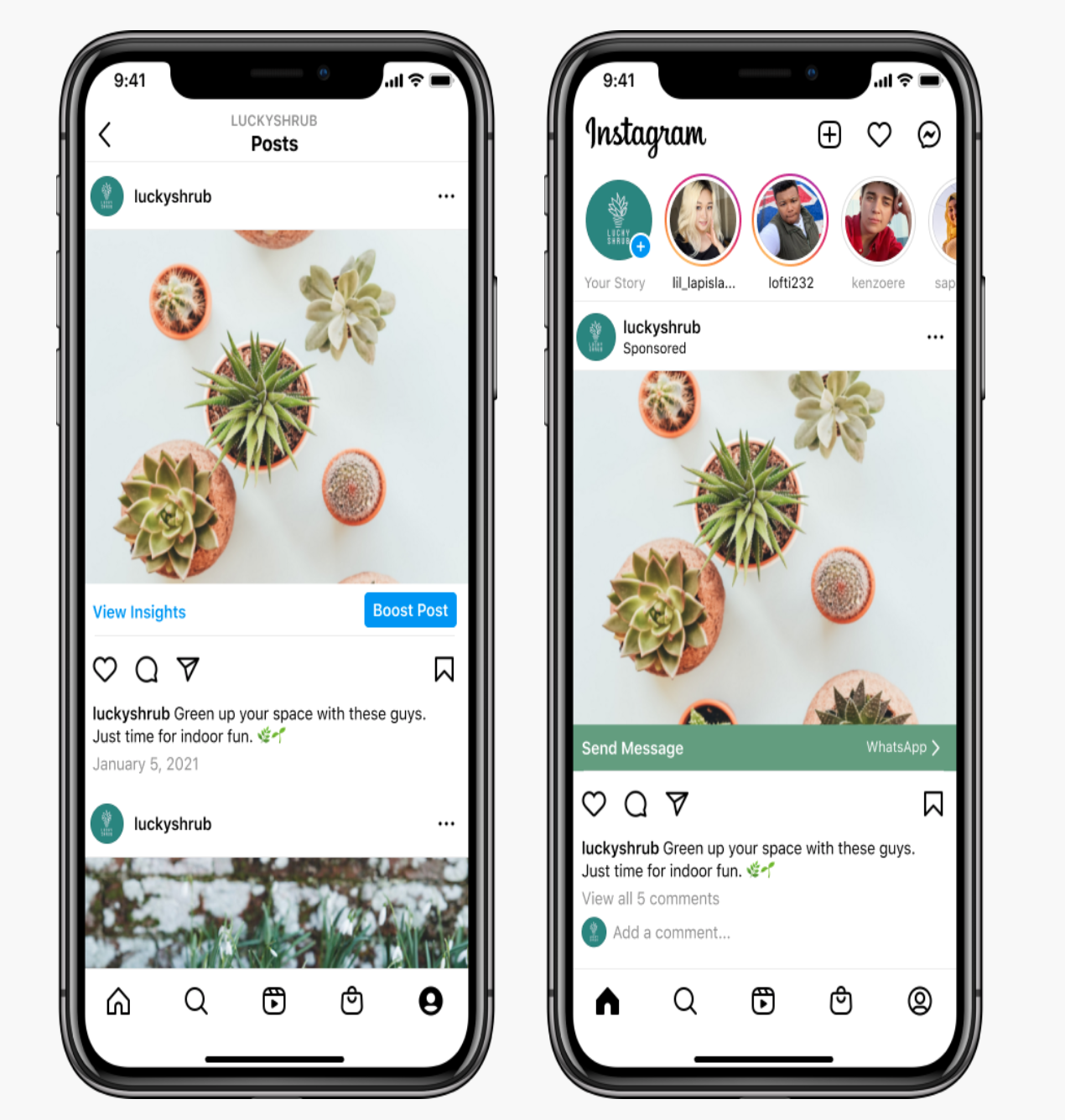
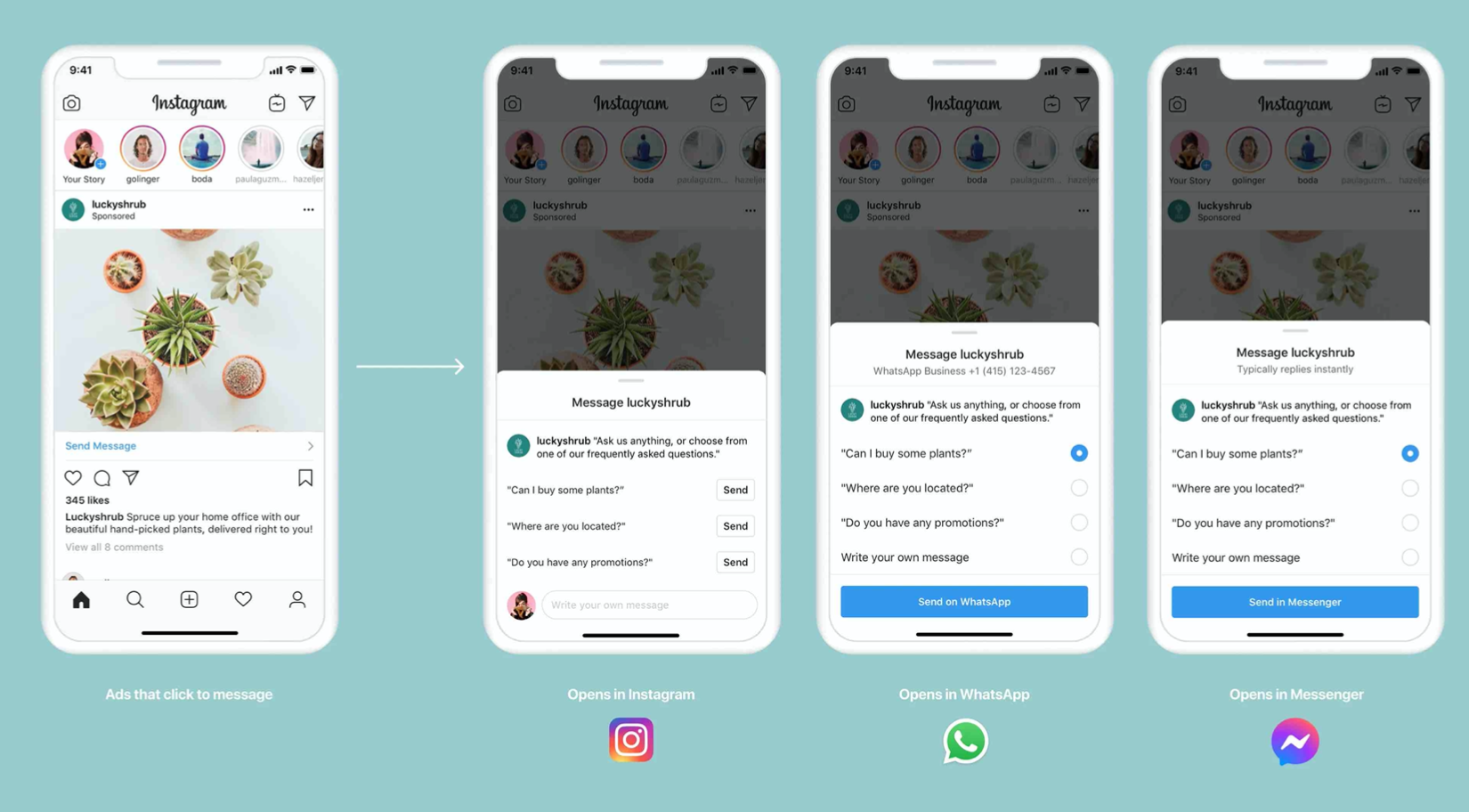
E-commerce capabilities were significantly enhanced. Facebook Shops, launched in May 2020, offered native, mobile-friendly storefronts with customizable branding and in-app checkout. Live Shopping Fridays, initiated in May 2021, showcased beauty and fashion products in real-time streams, allowing in-app purchases. While Live Shopping was discontinued in October 2022 due to shifting consumer viewing behaviors favoring Reels, the focus on integrated commerce continued. Instagram launched music in feed posts in December 2022, allowing up to 90 seconds of music for photo posts, enabling brands to create more engaging static content. Instagram also rolled out new payment options in September 2022, allowing eligible businesses to accept payments directly within DMs, streamlining the customer journey. Facebook Pay expanded off-site in July 2021, starting with Shopify merchants, to provide a fast-pay checkout option on third-party platforms.
Reinforcing Community: The Enduring Power of Groups
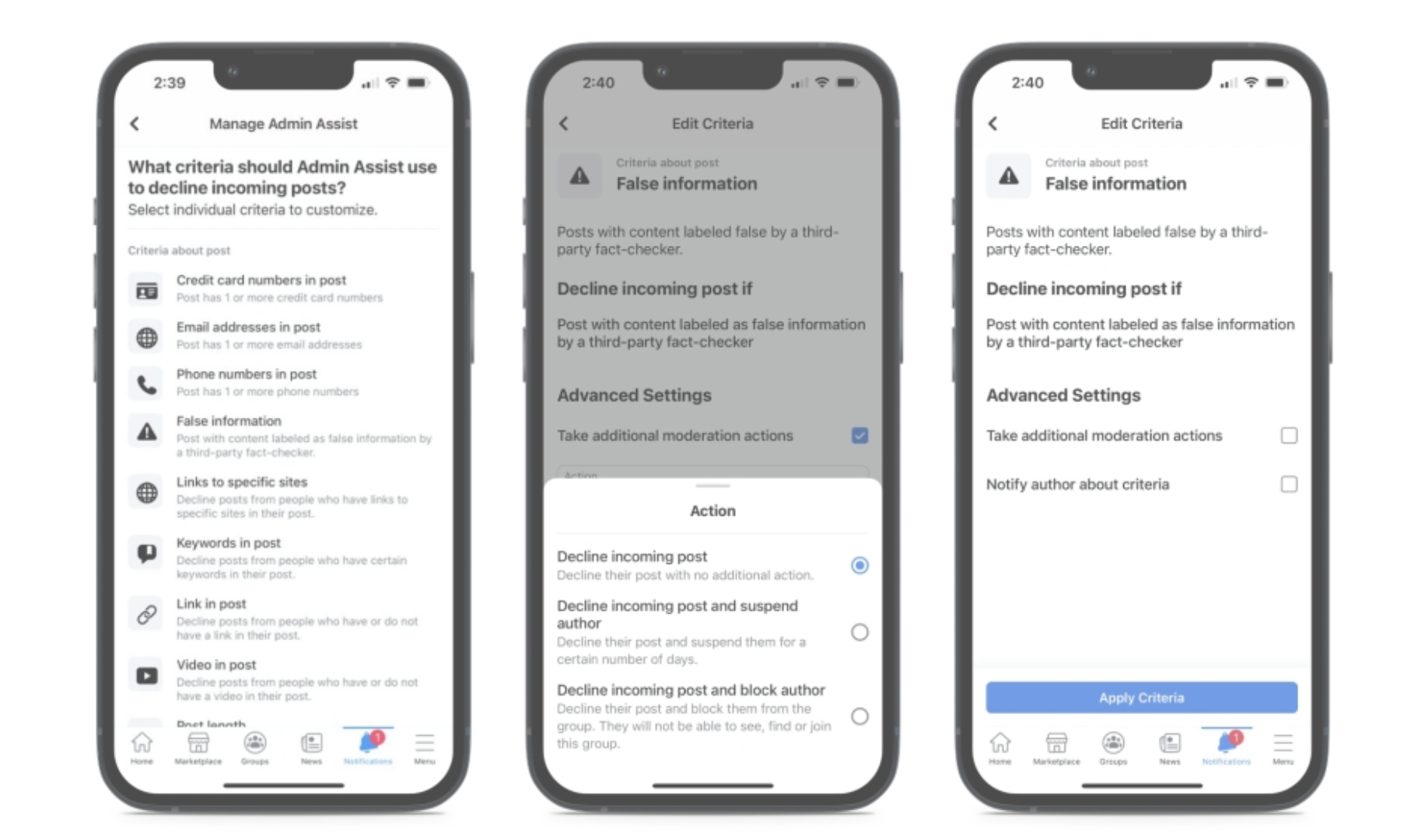
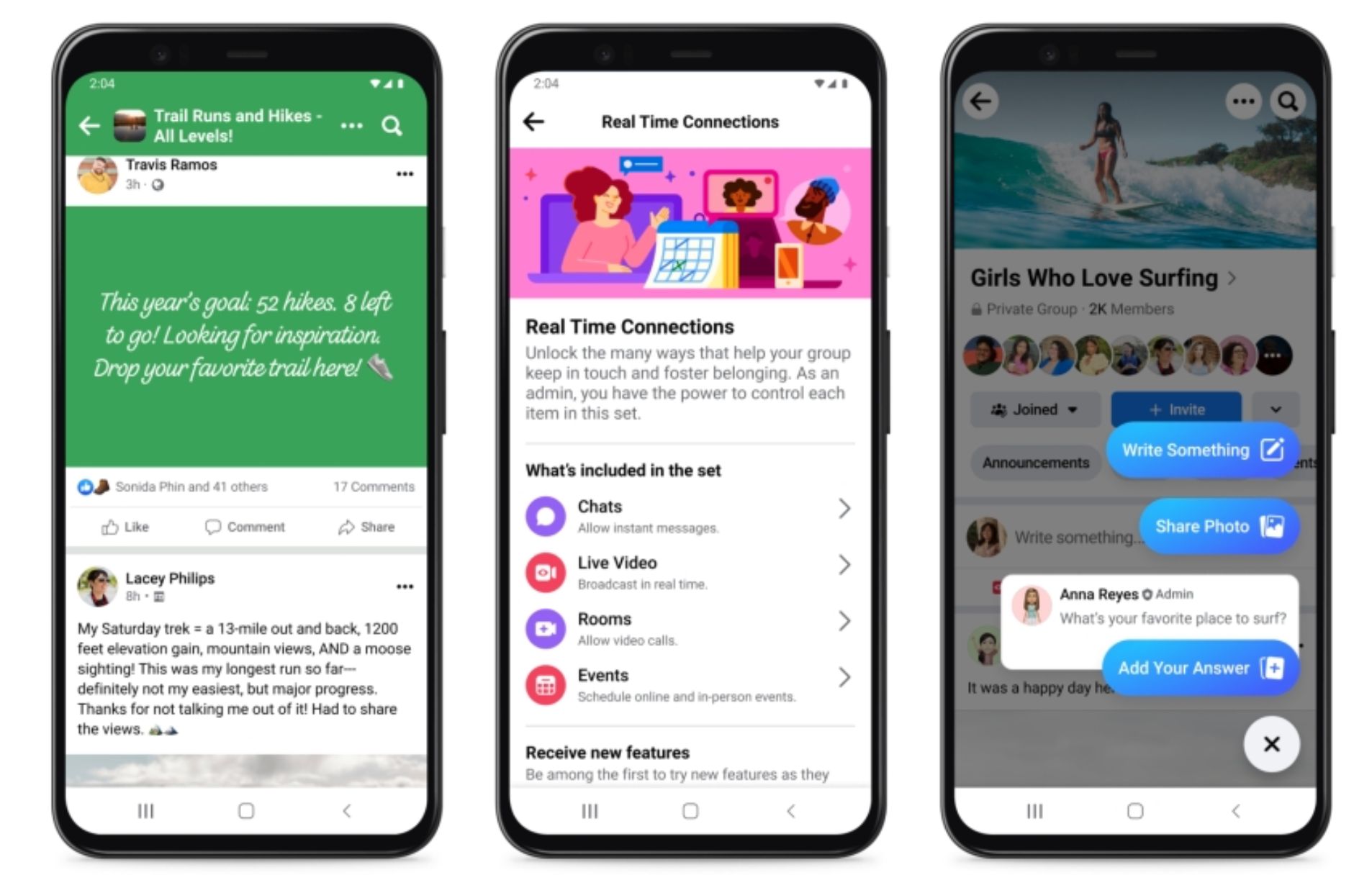
Facebook Groups remained a core focus for Meta, with continuous improvements aimed at enhancing moderation, engagement, and monetization opportunities. In March 2022, new Group admin tools were introduced, including "Admin Assist" for automated moderation, expanded "Mute" options, and the ability to detect and block new accounts created by previously banned members. These tools aimed to empower admins to maintain healthier, more productive communities. Subscription-based groups were highlighted as a new monetization avenue for brands in 2022.
Further developments in October 2022 included new features like "Community Chats" for real-time discussions, "Group Profile" allowing members to use unique identities within groups, and expanded options for events. Testing for "Featured" sections to highlight important content and "Prompts" for interactive posts also began. The Brand Collabs Manager, initially a marketplace for brands and influencers, was expanded to public groups in October 2020, enabling group admins to create branded content partnerships. This move aimed to monetize the high organic reach and engagement found in Facebook Groups. In November 2020, Facebook introduced new options for Group admins, including the ability to temporarily pause posts and quickly decline incoming content.
Navigating Privacy, Safety, and Trust
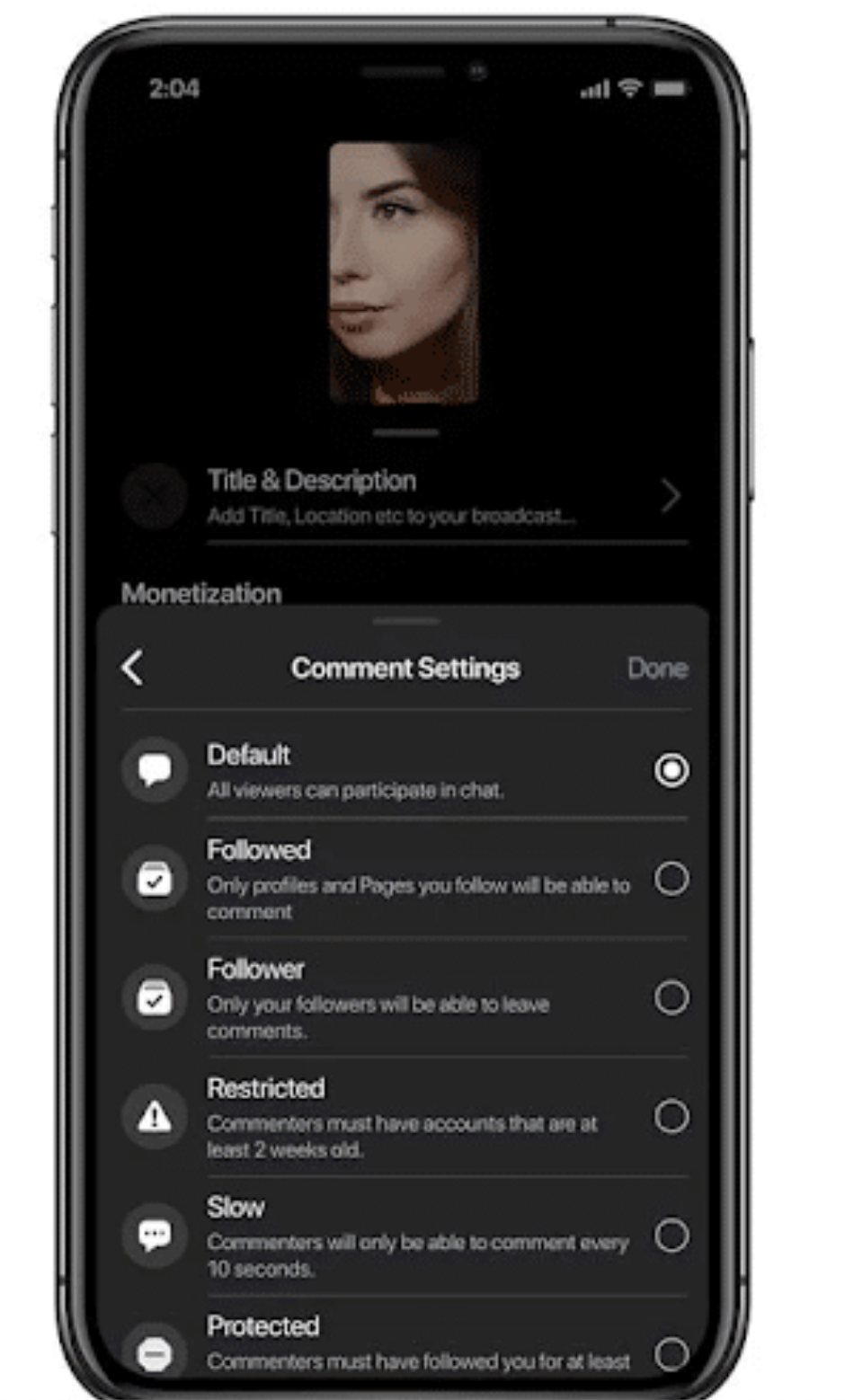
Meta faced ongoing scrutiny regarding data privacy and platform safety, prompting the rollout of numerous features and policy updates. In December 2021, Facebook introduced new comment moderation tools for creators, including keyboard blocking and advanced Live Chat moderation, allowing control over who can comment and filtering profanity. In October 2022, Meta introduced a new IP Reporting API to help rights holders protect original content across Facebook and Instagram, along with improvements to the Brand Rights Protection feature to combat counterfeits and trademark violations.
The company made significant strides in content moderation and transparency. In April 2021, Facebook detailed its ad policy review process, explaining the automated and human review stages and the consequences of policy violations. In May 2021, it reported improved efficacy of platform safety measures, including a 97% proactive detection rate for hate speech and a 99% removal rate for COVID-19 misinformation. Facebook also addressed COVID-19 misinformation in March 2020, banning ads for "magic cures" and face masks, and introducing a tool to help users research claims seen in Messenger. In July 2020, Facebook removed four networks engaging in "Coordinated Inauthentic Behavior," emphasizing its commitment to combating manipulation.
User privacy was a recurring theme. The "Clear History" tool, which allows users to view and delete data Facebook has stored about their off-Facebook activity, was fully rolled out globally by February 2020. This had implications for retargeting, encouraging advertisers to leverage on-platform activity. New privacy settings and a Messenger App Lock were introduced in July 2020, allowing users to secure their Messenger conversations with biometric authentication. In September 2020, Facebook launched a "Data Use Checkup," an annual review for developers and businesses to ensure compliance with data permissions and policies. Updates to political ad policies in January 2020 gave users more control over seeing fewer political and social ads, and enhanced the Ads Library for greater transparency.
The Metaverse: A Glimpse into the Future
The most significant long-term strategic shift was the company’s rebrand to "Meta" in October 2021, signaling Mark Zuckerberg’s profound commitment to building the metaverse. This virtual space, envisioned as the next chapter of social connection, involves substantial investment in virtual and augmented reality technologies. By late 2022, Zuckerberg had reportedly spent over $36 billion on the metaverse, indicating a clear, unwavering long-term vision despite early commercial challenges.
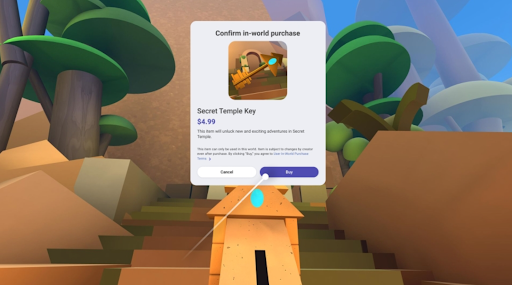
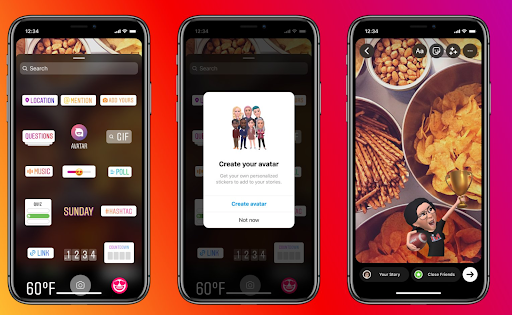
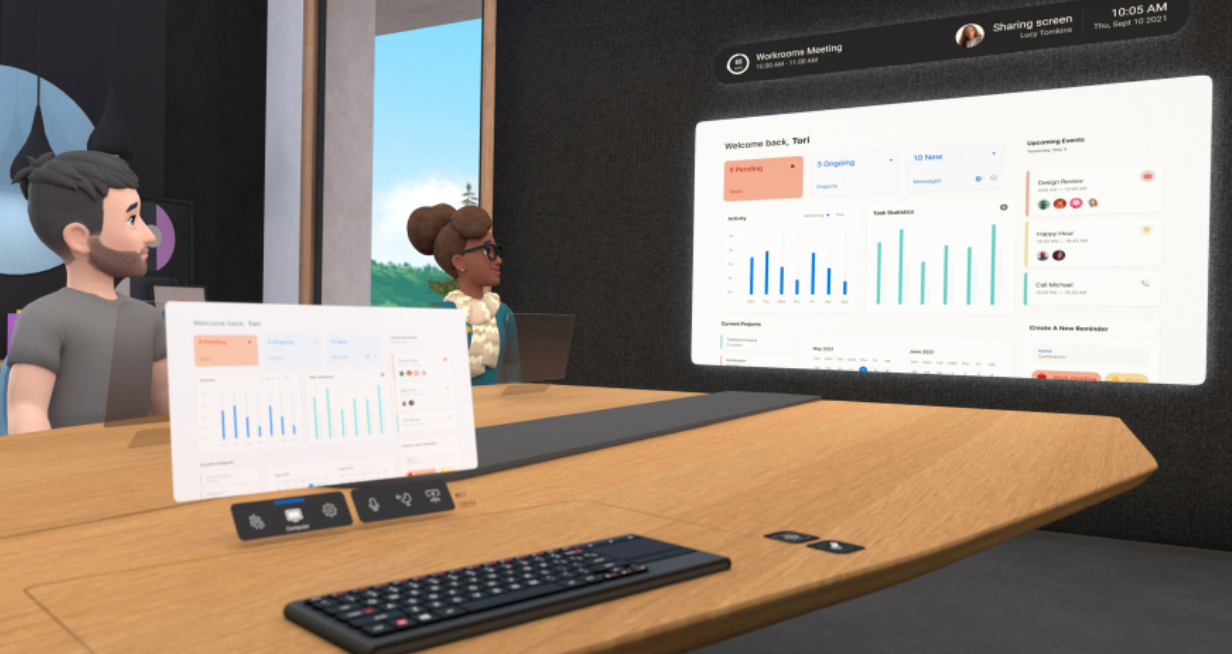
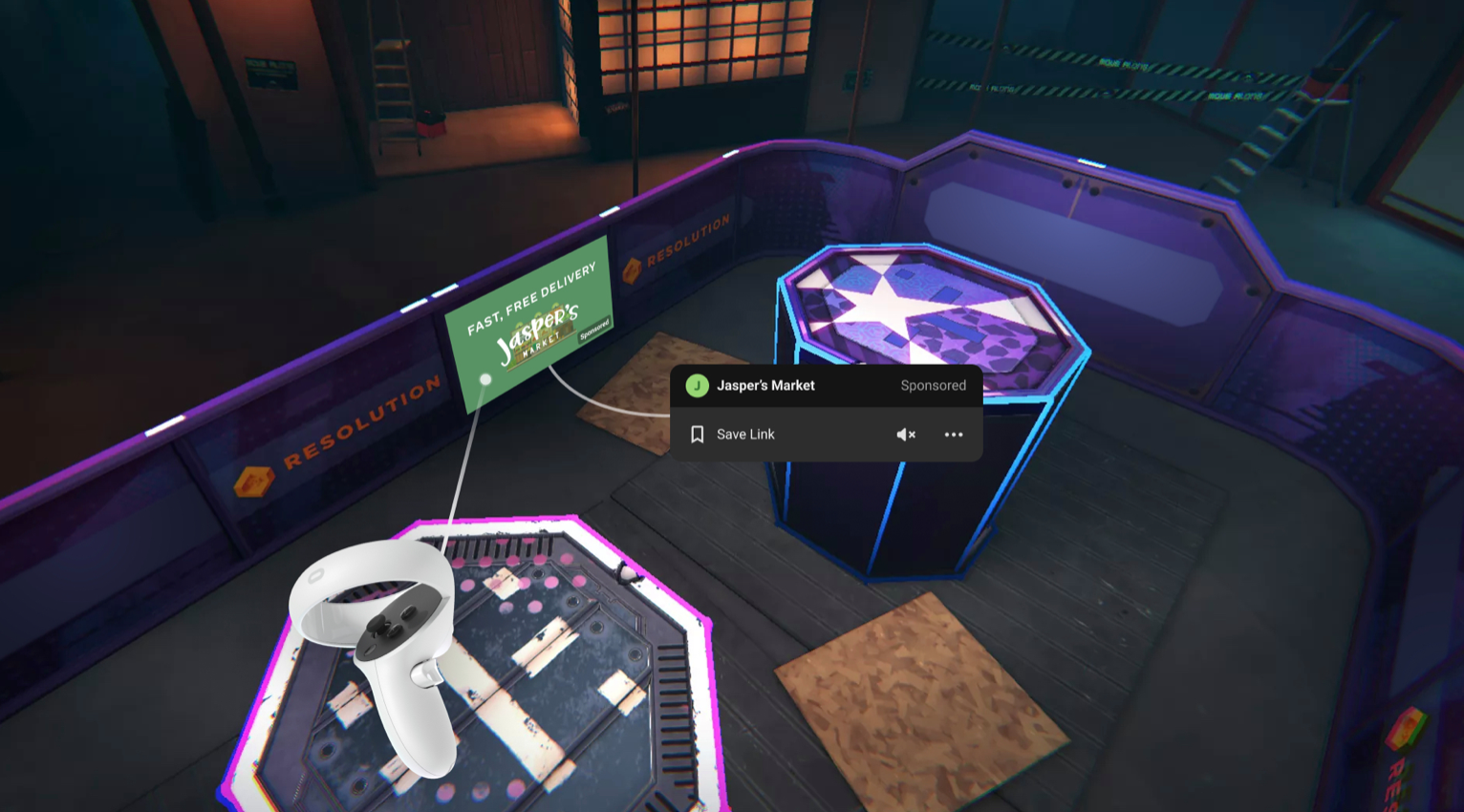
Initial steps into monetizing the metaverse were observed in April 2022, with Meta announcing new programs to increase creator activity in Horizon Worlds, its virtual reality experience for Oculus. These included the ability for creators to sell virtual items and offer bonus programs. Earlier, in August 2021, Facebook launched Horizon Workrooms for Oculus users, enabling virtual team collaboration. In June 2021, Meta began testing in-headset VR ads, integrating advertisements into virtual environments in a non-obtrusive manner, with plans for more unique VR ad experiences. The introduction of 3D avatars for Instagram Stories and DMs in February 2022 for users in the US, Canada, and Mexico, with expanded customization options, further hinted at the company’s commitment to creating personalized virtual identities.
Key Updates Across Meta Platforms (2020-2022 Chronology)
Early 2020: Foundation for Future Growth Amidst Global Challenges
- January 2020: Messenger’s new policy start date, limiting business responses to 24 hours, was delayed to March. A "one-time notification" API was introduced for specific use cases like shipping updates or price alerts. A "Page Management History" tool was rolled out, providing transparency on actions taken by Page administrators. Political ad policies were updated, giving users more control and improving the Ads Library. Special Category Ad Requirements for housing, credit, and employment ads were implemented.
- February 2020: The "Clear History" tool was rolled out globally to all users, allowing them to manage their off-Facebook activity data. A "One Time Notification" API for Messenger was released, enabling businesses to send opt-in alerts. Facebook partnered with Reuters for expanded fact-checking, and the Creator Studio mobile app was launched. Mobile Web placements from the Audience Network were announced to be phased out by April 11th.
- March 2020: Facebook addressed COVID-19 misinformation, implementing stricter ad policies against "magic cures" and face masks, and adding a tool to research claims in Messenger. The Facebook Stories camera gained a "Mood" mode for GIF-centric frames. A new, simplified Messenger design began rolling out, removing the Discover section. Facebook enabled conversion of 2D images into 3D. Testing began for cross-posting Facebook Stories to Instagram.
Mid-2020: Adapting to a New Digital Landscape
- April 2020: New live streaming accessibility tools, including an "audio-only" mode with automatic captions, were introduced. A new desktop Messenger app for group chats and video calls was rolled out. "Quiet Mode" was launched to allow users to silence all notifications. An updated data download tool provided more transparency on why users see certain ads.
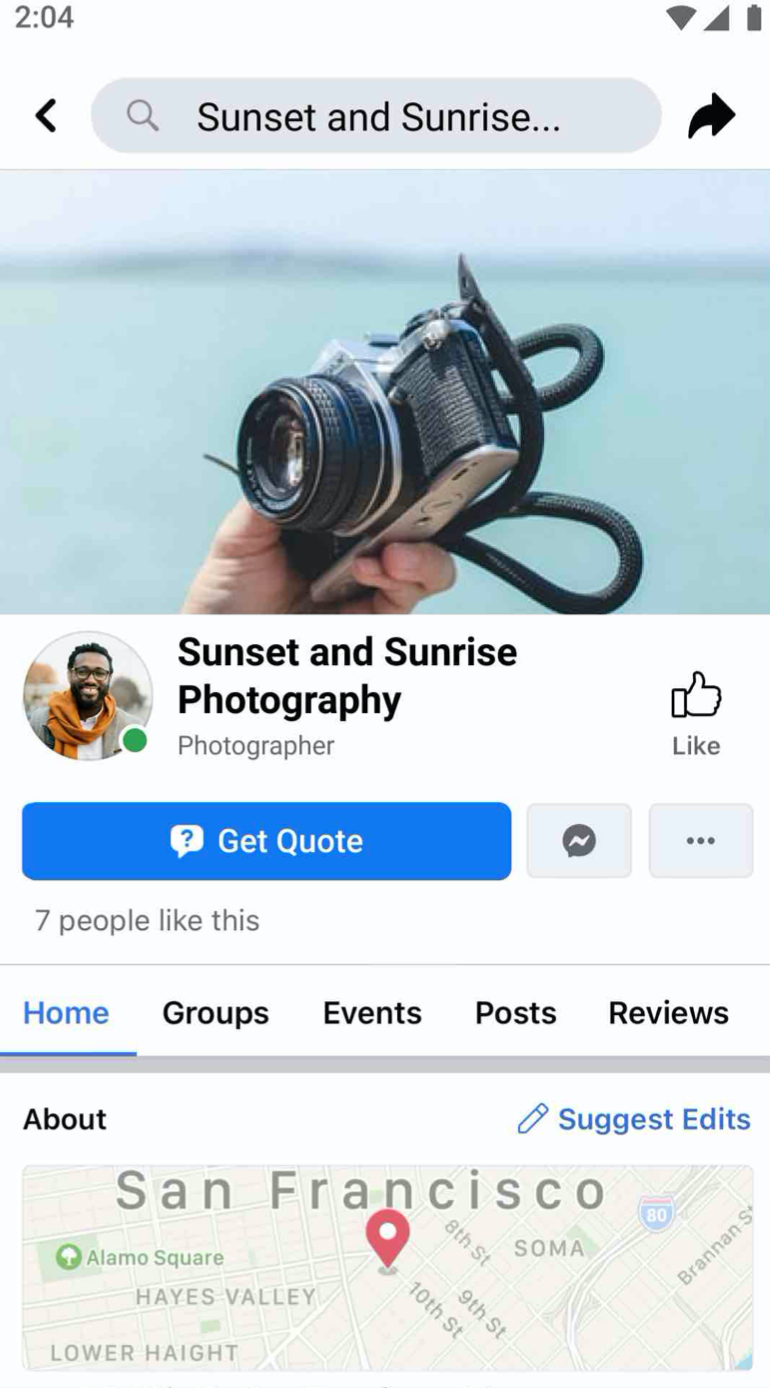
- May 2020: Facebook Shops were launched, offering native, mobile-friendly storefronts with in-app checkout. The "#SupportSmallBusiness" hashtag was introduced, alongside features to help users discover local businesses. A "CatchUp" app for group voice calls was launched. Warning prompts were added to Messenger threads to combat scams, with a focus on protecting minors. Fifteen new courses were added to Facebook Blueprint.
- June 2020: Facebook began complying with the California Consumer Privacy Act (CCPA) through a "Limited Data Use" feature. The company committed to advancing racial justice with significant investments and initiatives. Instagram adjusted commerce eligibility requirements, allowing more businesses to use shopping features (eventually extending to Facebook). Publicly shareable "Collections" lists were introduced. New Fan Subscriptions for game streaming and in-stream ads were rolled out.
Late 2020: Setting the Stage for Creator Monetization and Business Tools
- August 2020: New sponsored posts for Groups were introduced, extending branded content tags to public groups. An "Educational Hub" was rolled out with resources for students, parents, and teachers. Improvements for accessibility on the platform were announced, including better keyboard navigation and screen reader support. New Page Follow settings gave users more control over notifications from Pages. Paid Online Events were launched to help businesses and creators generate income, with Facebook waiving fees for a year. Over 1,000 targeting options were removed from Facebook Ads.
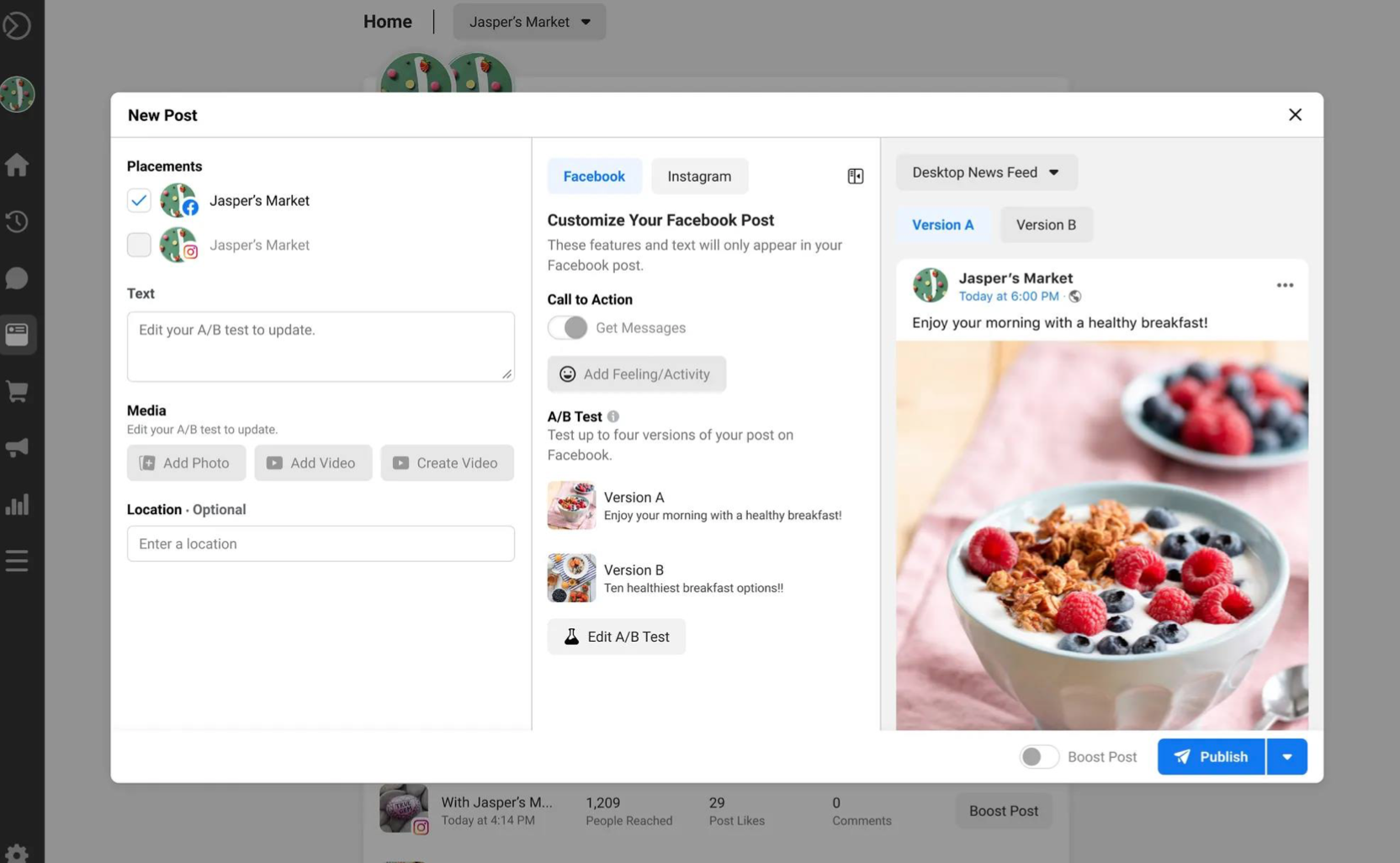
- September 2020: Ads were announced for Instagram’s Shop tab. The Facebook Business Suite was launched as a single dashboard for managing Facebook and Instagram accounts, including posting, messaging, advertising, and insights. A "Data Use Checkup" was announced for developers and businesses. Improvements were made to Auto Inventory Ads (AIAs), allowing advertisers to send traffic to a mobile-optimized, on-platform shopping experience. Expanded brand safety options for in-stream ads, including "Topic Exclusion" and "Publisher Allow Lists," were introduced.
- October 2020: Instagram expanded "Badges" in Live to over 50,000 creators for monetization. The Messenger API integrated with Instagram, allowing businesses to manage Instagram DMs through third-party tools. The Brand Collabs Manager expanded to public groups. A Community Manager Certification course was released.
- November 2020: Additional branded content capabilities were rolled out on Instagram, including a new optional creation process for Branded Content ads, their release for Stories (with interactive elements), and the ability to promote branded content posts containing product tags. Age restrictions for branded content were also put in place.
- December 2020: New features for auto dealers were introduced, including inventory tabs on Pages and dynamic retargeting for used cars. Business resources for social good were launched. Facebook first confirmed the expected impact of iOS 14 on small business ads, a precursor to the ATT update.
Early 2021: Addressing Privacy, Enhancing Creator Support
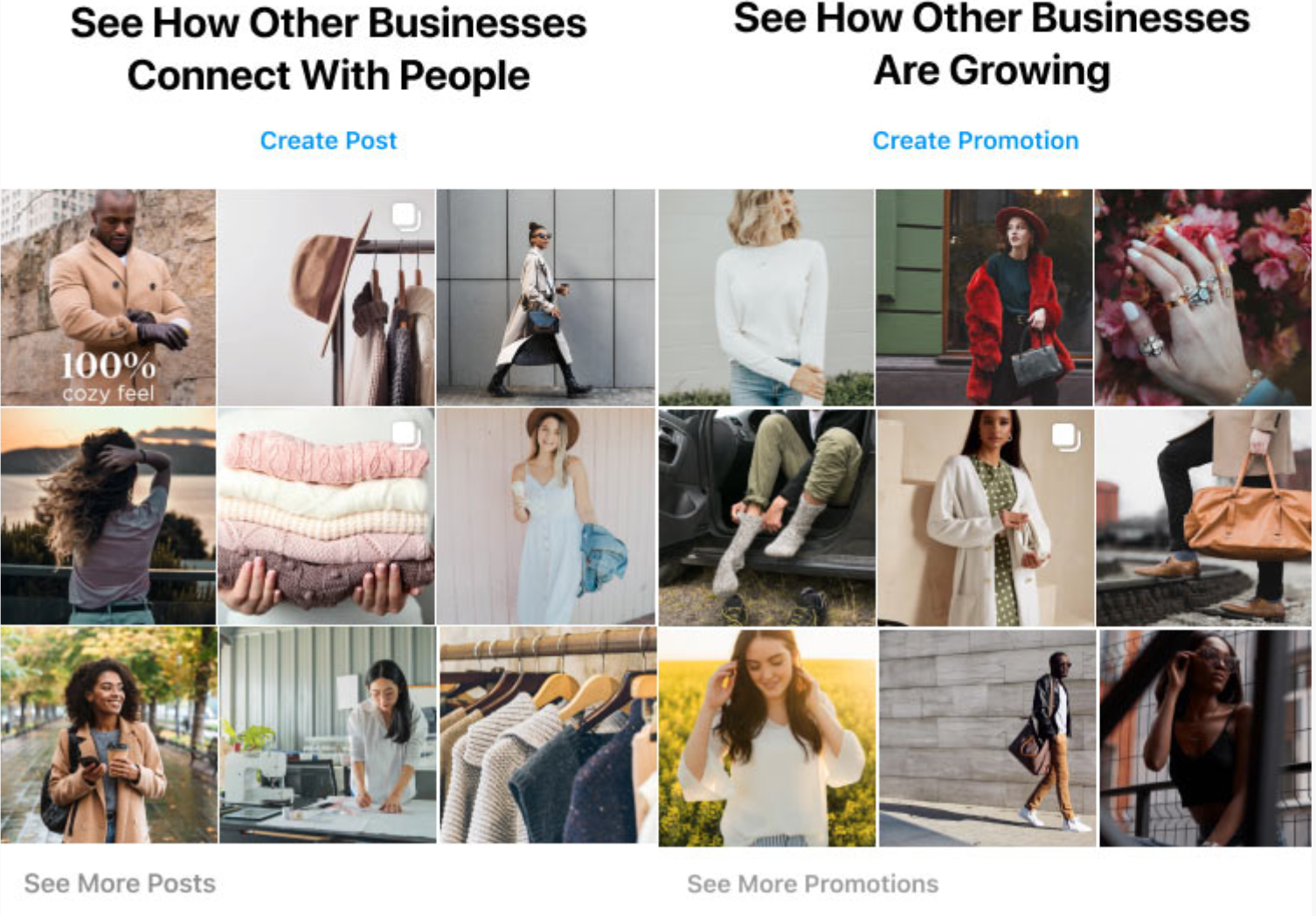
- January 2021: In-testing topic exclusion controls for advertisers were announced to enhance brand suitability. A new Instagram Professional Dashboard consolidated tools and resources for business and creator accounts. Business Equality Resources & Tools were announced to support Black-owned businesses. New tools for partnership disclosure were released to enhance transparency in branded content.
- March 2021: IGTV ad expansion brought monetization opportunities to creators in more countries. Updates to brand safety controls included the Rights Manager for copyright owners to collect ad earnings and IP protection tools to combat counterfeit products. The Community Managers Online Course expanded globally.
Mid-2021: Augmented Reality, Small Business Empowerment, and Creator Investments
- April 2021: Apple’s AppTracking Transparency (ATT) was officially launched, requiring user consent for data tracking and impacting Facebook ad performance. Facebook addressed COVID-19 misinformation by leveraging fact-checkers and AI. New Business Suite features included posting and scheduling Stories. New Dynamic Ads for Streaming were introduced for video streaming brands.
- May 2021: Facebook broke down its ad policy review process for greater transparency. It reported on the efficacy of platform safety and integrity measures, noting high proactive detection and removal rates for harmful content. New Instagram Insights for Reels & Live Video were rolled out, providing detailed performance metrics. New tools for Asian & Pacific-Islander owned businesses were introduced. "Live Shopping Fridays" were announced to promote beauty and fashion brands.
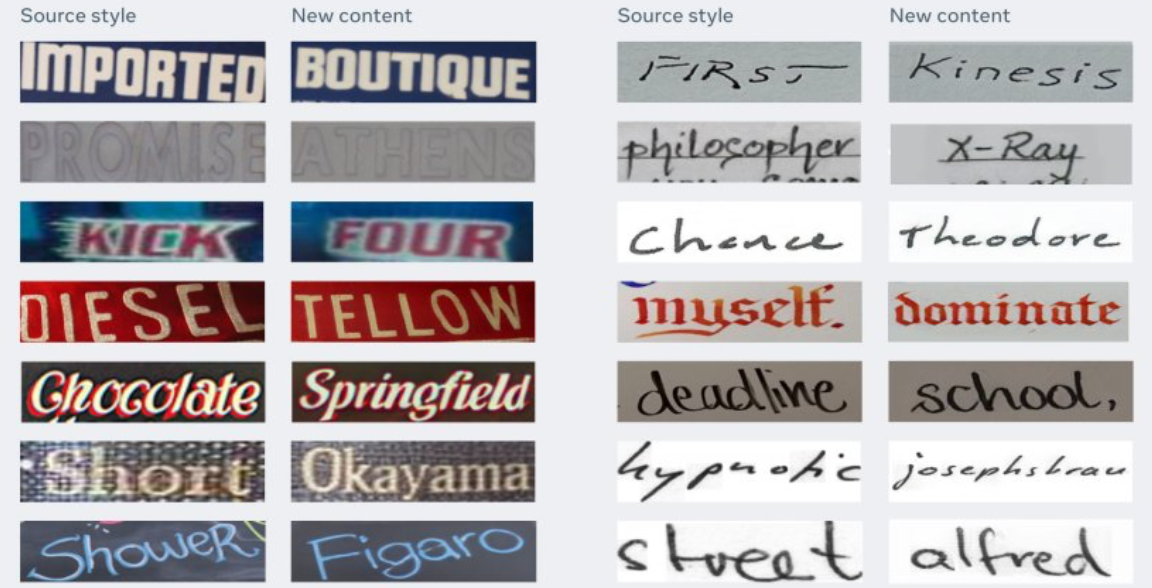
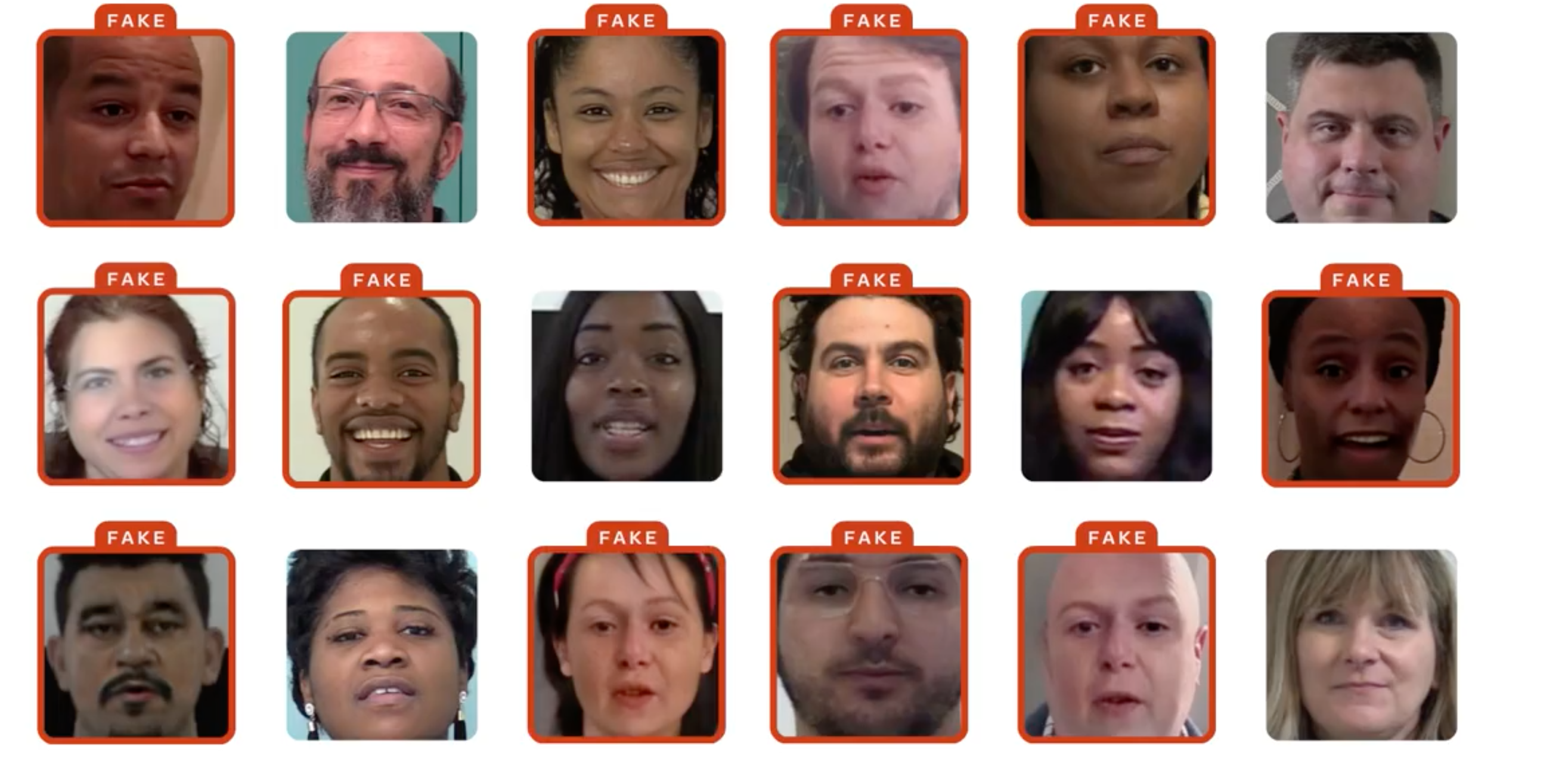
- June 2021: Facebook introduced TextStyleBrush, an AI-based tool to emulate text styles from images. The company announced progress in detecting deepfakes. In-headset VR ads began testing. The Messenger API for Instagram was fully launched, allowing businesses to integrate Instagram DMs with their CRM systems. New ads for Instagram Reels were rolled out. Affiliate monetization options were announced for creators.
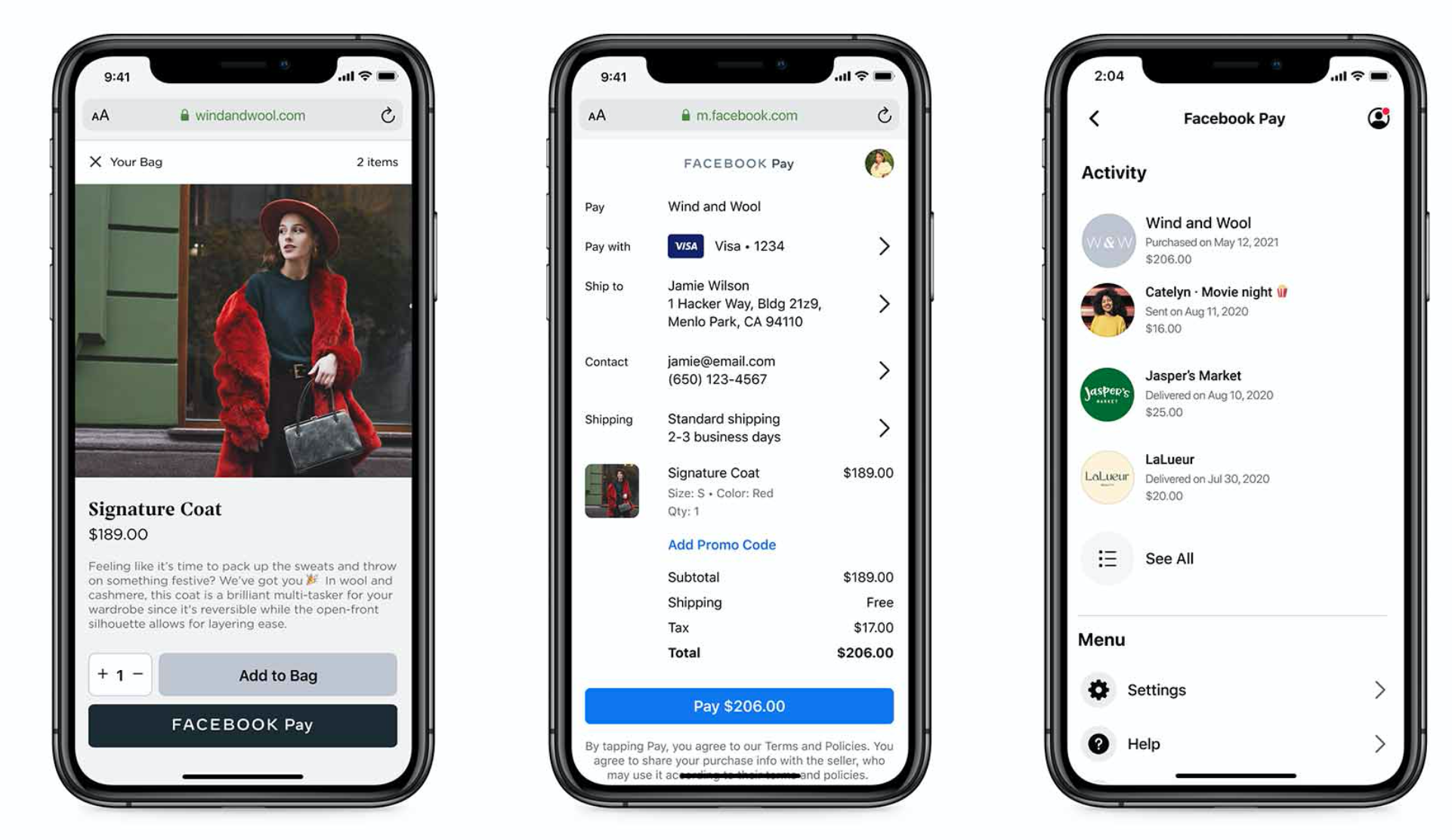
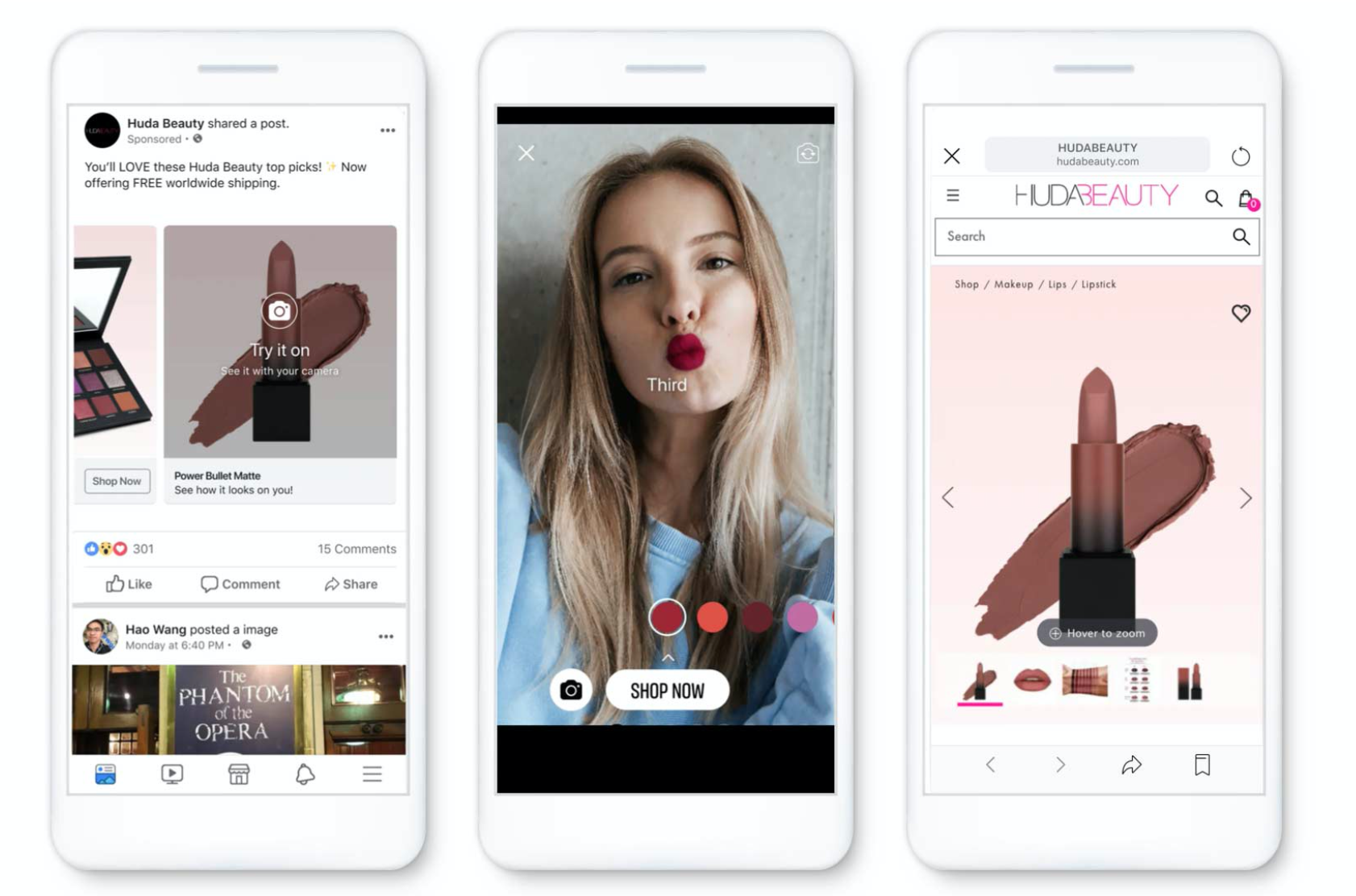
- July 2021: A new Facebook Pay checkout option for businesses expanded off-site to platforms like Shopify. Dan Levy, VP of Ads & Business products, outlined Meta’s vision for "the next era of personalized experiences," emphasizing data control and small business support. New AR options and expansions, including "Try On" features for beauty products, were announced. New ad policies around prescription drugs were tightened. Meta committed to investing $1 billion in creators by the end of 2022 through bonus programs.
Late 2021: The Rebrand to Meta and Core Platform Refinements
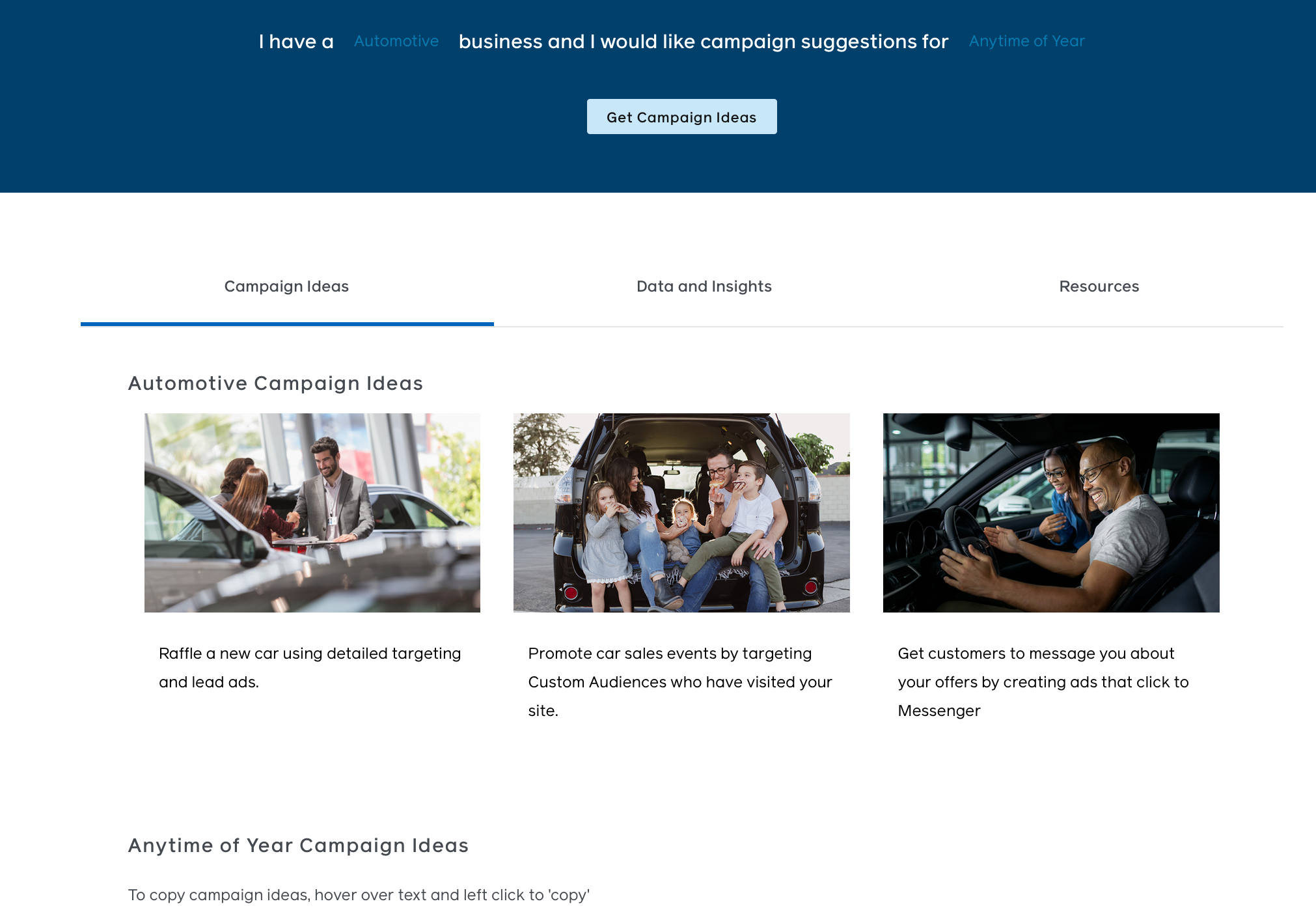
- August 2021: New ads in Instagram’s Shop tab were globally launched. Horizon Workrooms for Oculus users were introduced for virtual team collaboration. Instagram launched a tool to inspire businesses with content ideas. Facebook’s Campaign Ideas Generator was released. Changes to how advertisers can connect with young audiences restricted targeting options.
- September 2021: Instagram Shop tab ads continued to roll out. The Facebook Business Suite received updates, including a File Manager, unified Inbox, and a split-testing feature for organic posts. New Messenger features included lead generation forms, quote request buttons, and appointment booking. Facebook Reels continued its rollout to US users. "Work accounts" for social media managers were in testing.
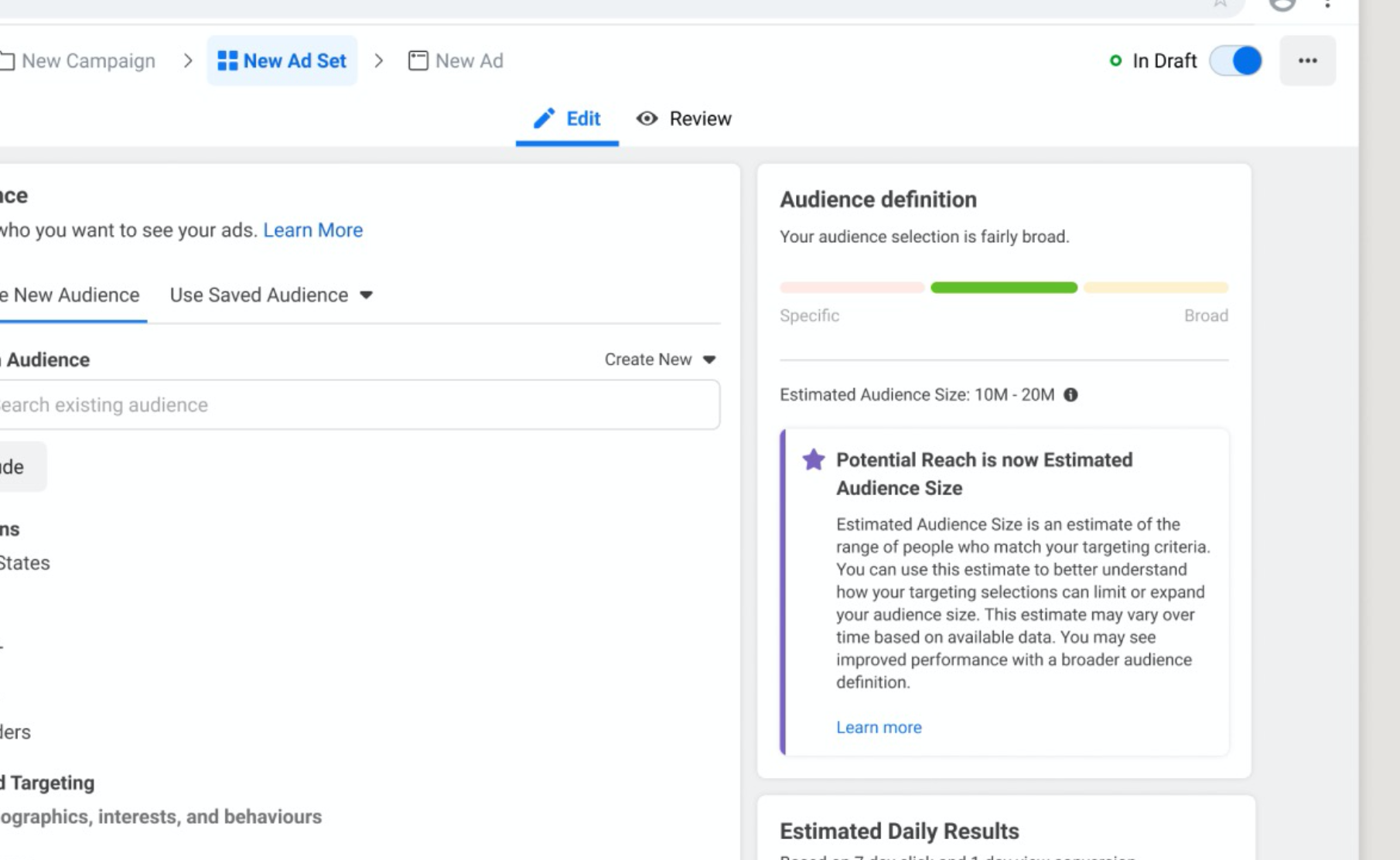
- October 2021: Facebook updated pre-campaign audience reach estimates to display ranges. The method for counting user accounts was updated, potentially boosting estimated audience size. IGTV merged with Instagram feed videos into a single "Instagram Video" format. Instagram boosted posts gained the ability to direct customers to WhatsApp.
- November 2021: The Facebook company rebranded to "Meta." Facial recognition was shut down, deleting over a billion user templates due to privacy concerns. New Facebook Group and community-building features were released, including admin tools like "Admin Assist" and "Conflict Alerts." New feature access on Instagram included the ability to add links to Stories for all users and expanded keyword search for posts.
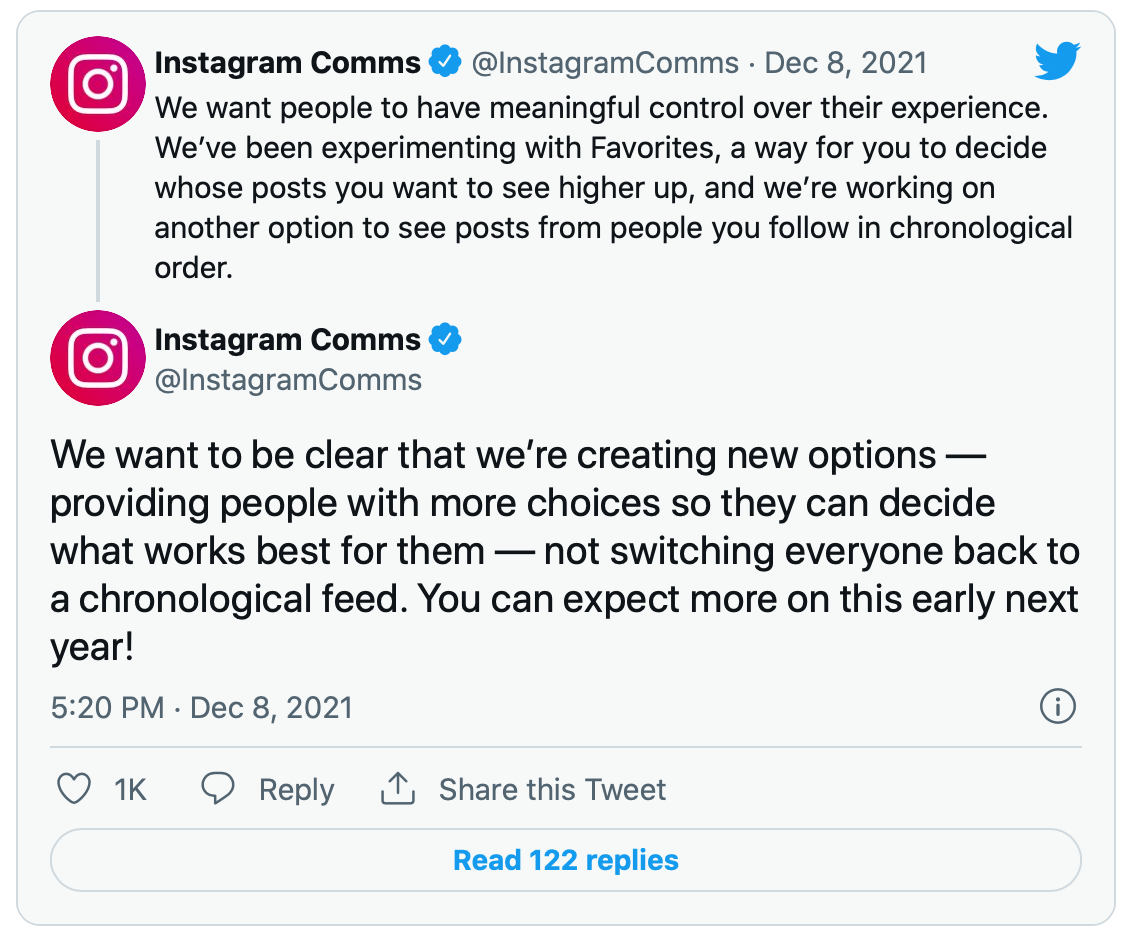
- December 2021: Comment moderation for creators (including Live Chat) was enhanced. Eligibility for cryptocurrency brands to run ads was expanded. Social Issue Ads selling products and services were re-categorized to reduce authorization requirements for commercial content. More in-feed control for brands and users was explored, including topic exclusions and third-party verification. Instagram tested new feed options like "Favorites" and chronological view.
Early 2022: Expanding Reels, Brand Safety, and Metaverse Foundations
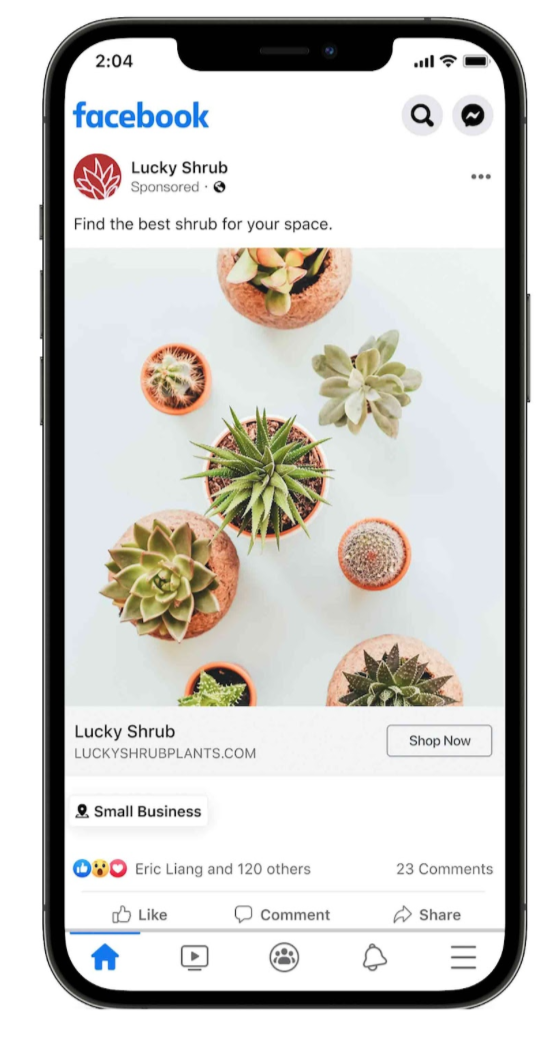
- January 2022: A safer shopping experience was promoted with updated commerce policies. Subscriptions for creators were expanded on Facebook and launched for testing on Instagram. New resources were announced to support Black-owned small businesses. Meta shared trending content formats for Instagram strategy.
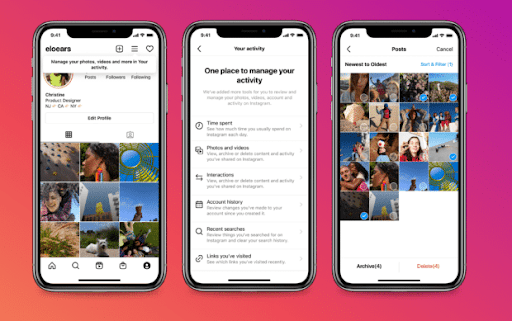
- February 2022: Facebook Reels rolled out globally, with monetization tests for Overlay Ads and Stars. Facebook removed profile videos. Streamlined likes on Instagram Stories allowed private reactions without DMs. Instagram launched "Your Activity" to manage content and interactions. New 3D avatars came to Instagram, Facebook, and Messenger.
- March 2022: The new Meta Advantage Suite consolidated automated ad products. Brand safety updates were announced, including new IP protection tools. New Group admin tools on Facebook were introduced, like Admin Assist and Mute options. The chronological feed returned to Instagram as an option. Instagram’s Head, Adam Mosseri, suggested hashtags don’t significantly impact reach. Auto-generated captions for feed videos were launched, and Instagram Creator Lab was launched as a resource center.
Mid-2022: Content Consolidation and Business Tools Evolution
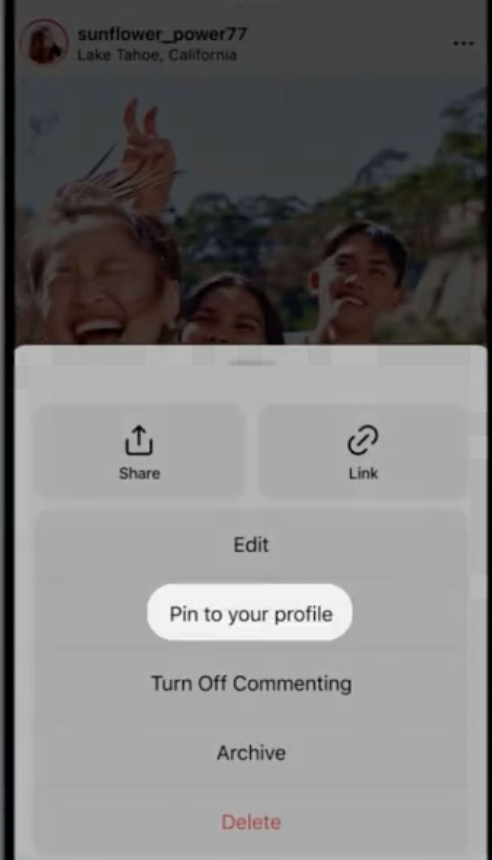
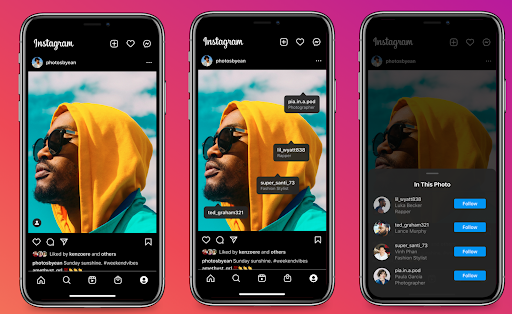
- April 2022: New monetization options were announced for Horizon Worlds creators. Instagram’s post-pinning feature was in testing, allowing users to pin up to three posts to their profile grid. Instagram Reel length increased to 90 seconds. New tagging options on Instagram expanded product tagging to all users and introduced "enhanced people tags" for creator categories.
- May 2022: More transparency was announced for social, political, and electoral ads, with targeting information added to the Ad Meta Library. New conversation management tools streamlined ad creation for WhatsApp, integrated WhatsApp messages into Meta Inbox, and tested promotional messages in Inbox. Lead generation and customer acquisition tools were expanded. Instagram tested hiding excessive Stories after three posts and full-screen vertical videos/photos in the feed.
- June 2022: Enhanced monetization features for creators were announced, including no revenue sharing until 2024, new Facebook Stars, and more bonus programs. Users gained the ability to create Reels from existing videos in Creator Studio. Meta introduced API access for Reels. Instagram rolled out new supervision & time management tools for teens. Instagram users could now pin up to three grid posts. Meta rebranded Facebook Marketing Experts as the Meta Pro Team.
Late 2022: Driving Automation, Scheduling, and Strategic Focus for 2023
- October 2022: A new IP Reporting API was launched to protect original content. New features for brand collaboration through Instagram Creator Marketplace were introduced. New Instagram ad surfaces were rolled out, including multi-advertiser ads. New Facebook Group features were announced, and Instagram tested multiple links in bio.
- November 2022: Meta received MRC accreditation for content-level Brand Safety on Facebook. Instagram launched music in feed posts. Meta offered small business support for the holiday season.
- December 2022: Facebook revealed advertising best practices based on internal data. Instagram launched native content scheduling for Business and Creator accounts directly from the app.
The Road Ahead: Implications for Marketers and Creators
The updates from 2020-2022 collectively paint a picture of Meta as a company aggressively pursuing innovation across multiple fronts. For marketers, the implications are profound. The shift to a video-first strategy, particularly with Reels, demands a constant adaptation of content formats and creative approaches. The increasing sophistication of AI-powered advertising, exemplified by Advantage+ campaigns, suggests a future where automation handles much of the heavy lifting in campaign optimization, requiring marketers to trust Meta’s algorithms and focus more on strategic inputs and creative excellence. The expansion of e-commerce features, from Shops to in-chat payments, highlights Meta’s ambition to become a central hub for discovery and purchase, making integrated shopping experiences crucial for brands.
Creators, too, are at the forefront of Meta’s strategy, with numerous monetization avenues and support tools designed to attract and retain talent. The Creator Marketplace, subscriptions, and affiliate marketing represent significant opportunities for individuals and businesses to build sustainable revenue streams directly on the platforms.
However, these opportunities are coupled with ongoing challenges. Heightened scrutiny over data privacy, particularly post-iOS 14.5, necessitates a renewed focus on first-party data strategies and transparent communication with consumers. Brand safety measures, while beneficial for advertisers, require careful adherence to policies and proactive content monitoring. The ambitious investment in the metaverse, while promising a new frontier for engagement, remains a long-term bet with uncertain immediate returns, demanding continued experimentation and adaptation from early adopters.
As Meta progresses into 2023 and beyond, the trends of automation, immersive experiences, and a vibrant creator economy are expected to intensify. Marketers and creators who stay agile, embrace new technologies, prioritize authentic engagement, and adapt to evolving privacy landscapes will be best positioned to capitalize on Meta’s transformative journey. The blend of powerful new capabilities and a streamlined experience across Meta platforms promises a future defined by efficiency, innovation, and an ever-evolving digital landscape.