In an era defined by deep skepticism toward corporate advertising and glossy brand campaigns, businesses are shifting their marketing focus away from faceless logos and toward their most valuable, yet often underutilized, asset: their own employees. Employee advocacy—the practice of staff members sharing company news, culture, and industry insights on their personal social media networks—has evolved from an experimental marketing tactic into a cornerstone of modern corporate communication. Recent data underscores this transition, notably the 2026 Edelman Trust Barometer, which highlights that individuals and everyday employees remain among the most trusted voices globally, outperforming institutional logos and traditional corporate channels by a wide margin.

The mechanics of employee advocacy distinguish it clearly from both influencer marketing and general brand advocacy. While influencer marketing relies on paid partnerships with external creators, and brand advocacy stems from loyal customers and fans sharing testimonials, employee advocacy originates internally. It is built on a genuine connection to the workplace culture. According to industry analyses, employee networks are, on average, ten times larger than a company’s official corporate follower base. When staff members amplify company initiatives, product updates, or thought leadership pieces, they instantly bypass the restrictive algorithms that often choke organic reach on corporate pages, pushing messages far deeper into valuable, untapped professional networks.
The strategic advantages of adopting an internal advocacy framework span multiple departments, primarily impacting marketing, recruitment, and organizational culture. Marketing teams benefit from exponential reach and heightened credibility, as audiences inherently trust real people over corporate slogans. Human resources departments similarly leverage these programs to elevate employer branding. Statistics compiled by professional networks indicate that organizations with active employee advocacy ecosystems are significantly more equipped to attract top-tier talent. Potential candidates gain an authentic, unfiltered view of daily operations, workplace culture, and company values, moving far beyond the idealized narratives typically found on standard corporate career pages. Real-world implementations validate these metrics; global organizations deploying structured advocacy solutions have reported massive surges in website traffic originating from social channels, double-digit increases in career page views, and substantial spikes in incoming job applications.
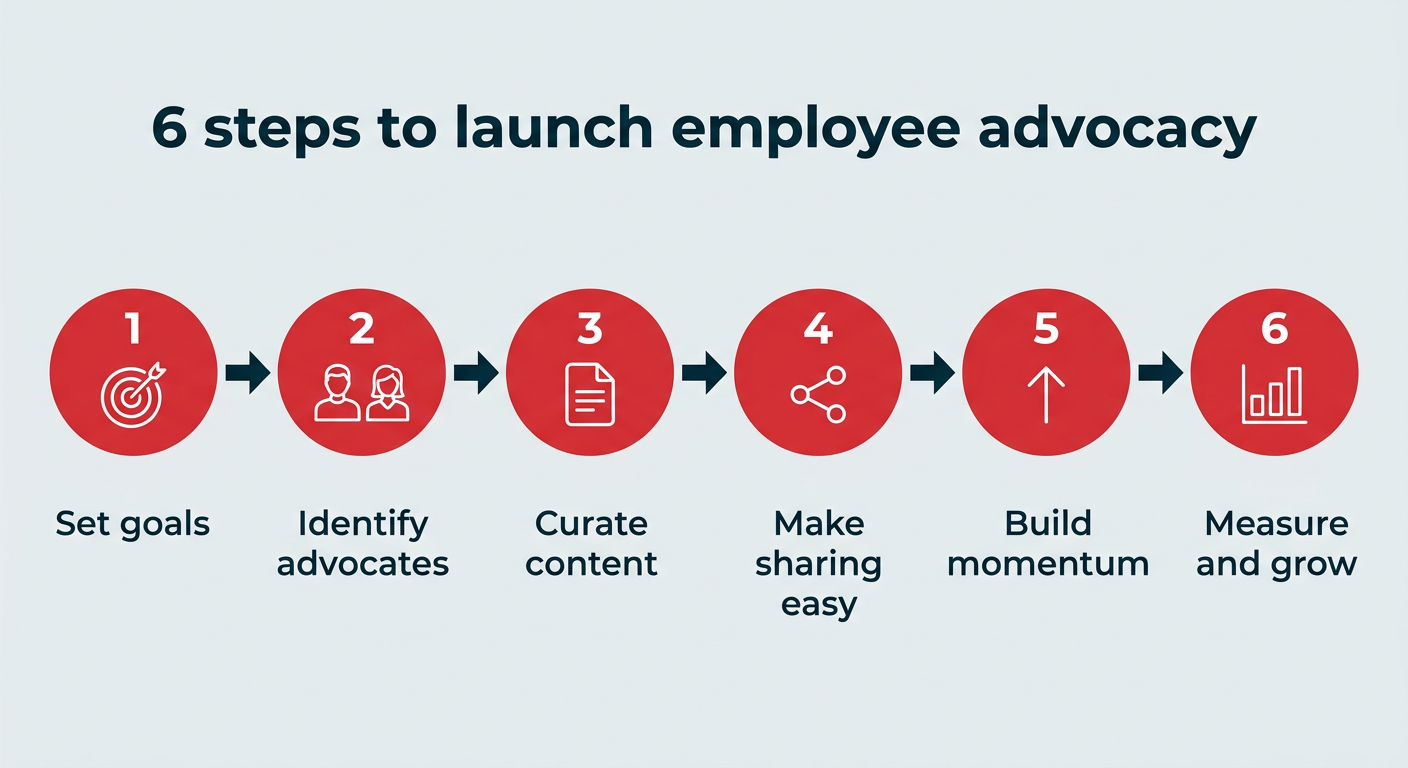
Despite the proven benefits, successfully scaling an employee advocacy initiative requires careful planning, strategic governance, and deliberate elimination of workplace friction. Historical challenges that frequently derail these programs include low initial participation, employee content fatigue, compliance risks in regulated sectors, and difficulties in proving tangible return on investment to executive leadership. To combat these hurdles, modern enterprises rely on structured onboarding frameworks. Successful launches typically begin with securing early executive buy-in, gathering a pilot group of enthusiastic internal champions, and establishing transparent, straightforward social media guidelines that clearly outline acceptable boundaries regarding confidential data and client privacy.
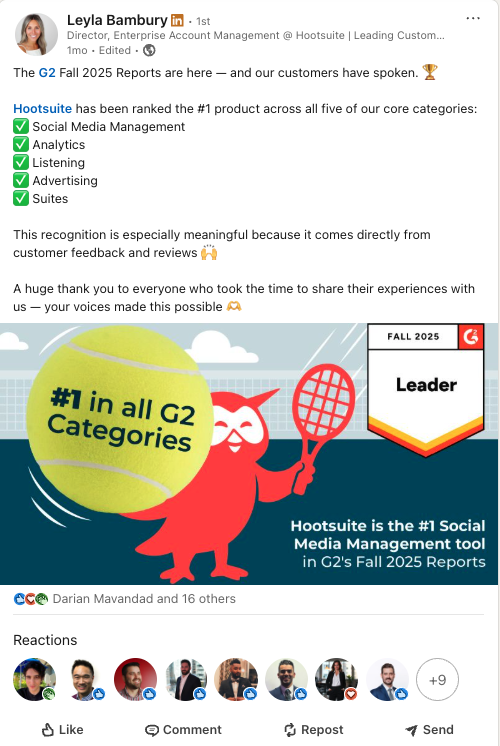
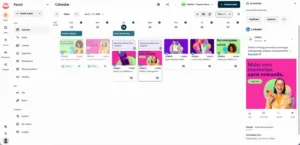
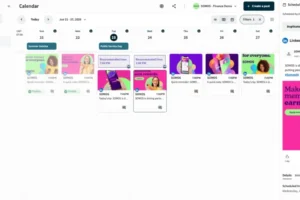
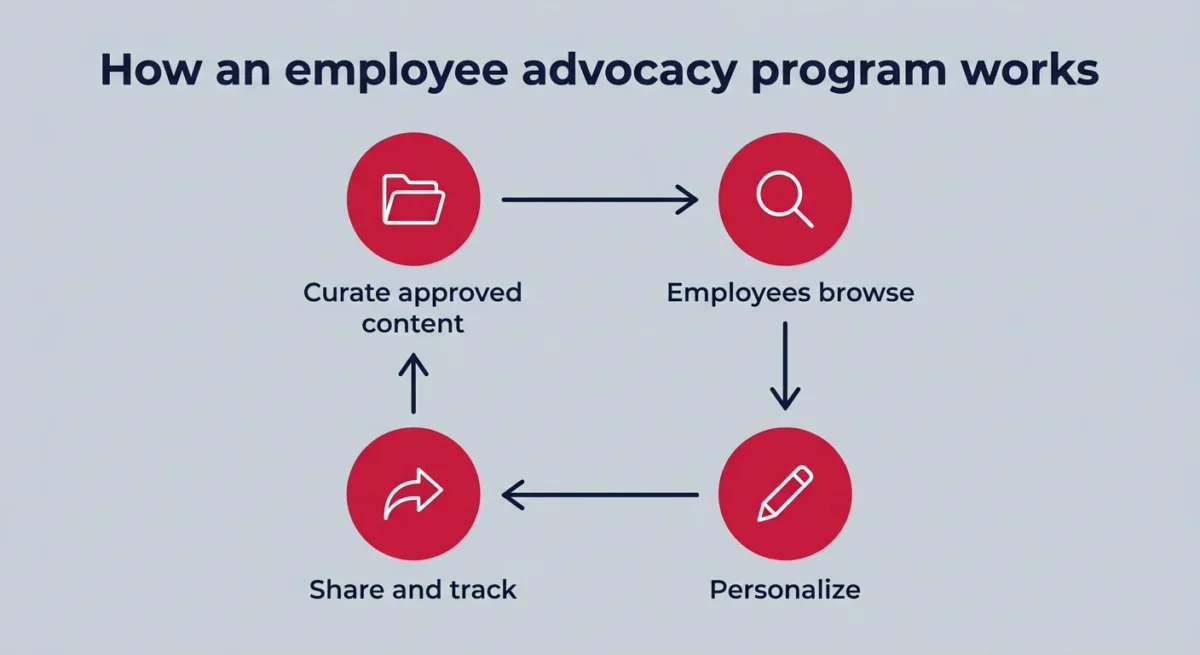
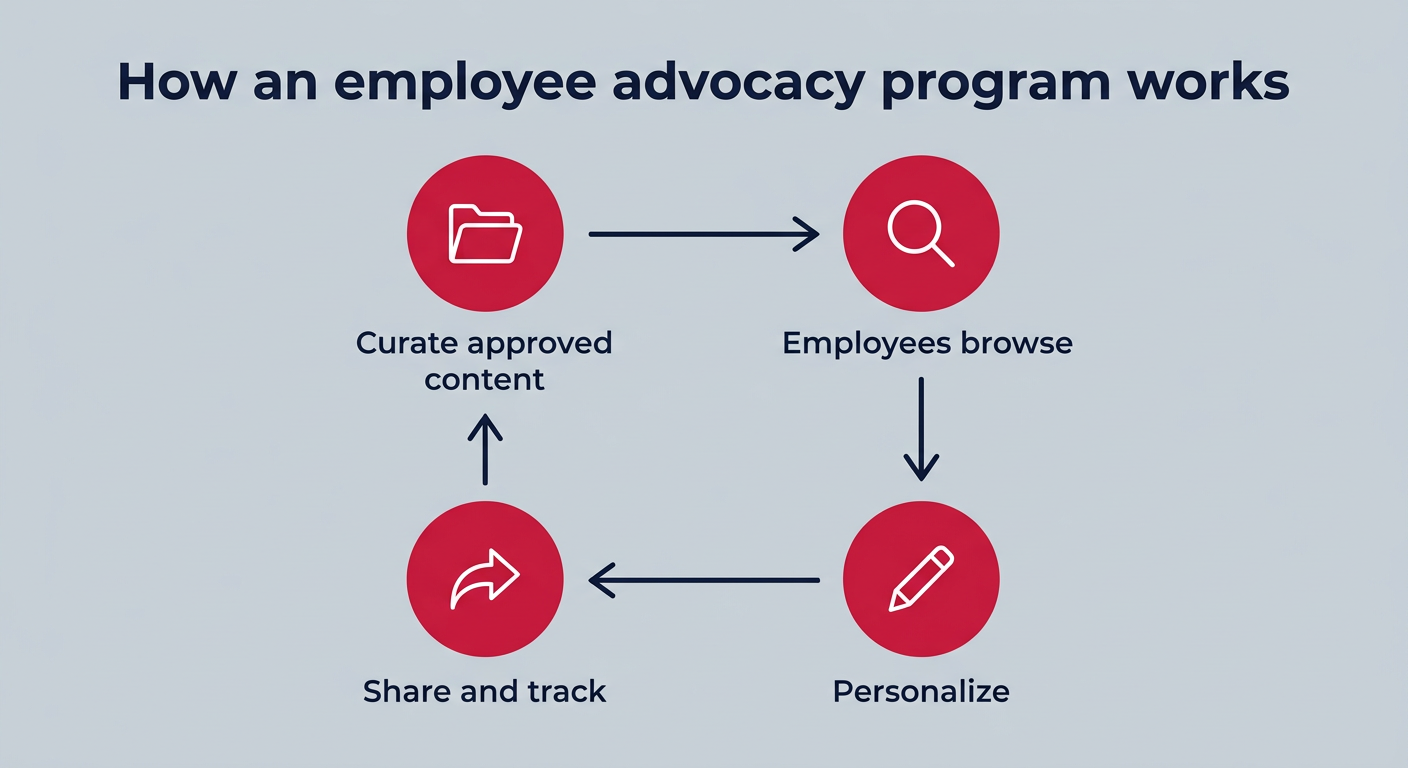
Furthermore, technology plays a critical role in streamlining participation. Expecting busy professionals to manually track, format, and share company announcements daily is rarely sustainable. Consequently, the adoption of centralized employee advocacy platforms has accelerated. Solutions such as Parliament by Hootsuite allow communications teams to curate pre-approved content libraries directly accessible to staff. Employees can quickly browse updates, personalize captions in their own authentic voice, and cross-publish to platforms like LinkedIn, X, and internal workspace tools such as Slack and Microsoft Teams with minimal friction. Furthermore, the integration of modern artificial intelligence layers helps automate the administrative burdens of content curation, suggesting relevant industry articles and assisting advocates in drafting contextual posts safely and efficiently.
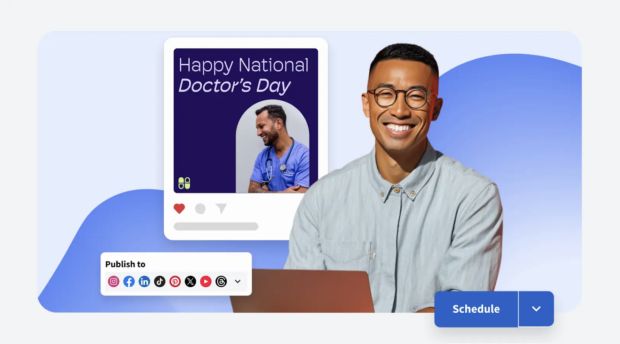
Measuring the success of an employee advocacy program requires a rigorous approach focused on key performance indicators mapped directly to broader business objectives. Organizations typically evaluate success through four primary lenses: participation metrics, such as active user rates and weekly sharing frequency; engagement metrics, covering overall reach, impressions, and peer interactions; recruitment metrics, analyzing referral hires and career page traffic; and culture metrics, which gauge internal pride and community connectivity. By connecting these qualitative and quantitative indicators to earned media value, marketing executives can accurately calculate the financial return on investment of their advocacy campaigns, proving their long-term value to stakeholders.
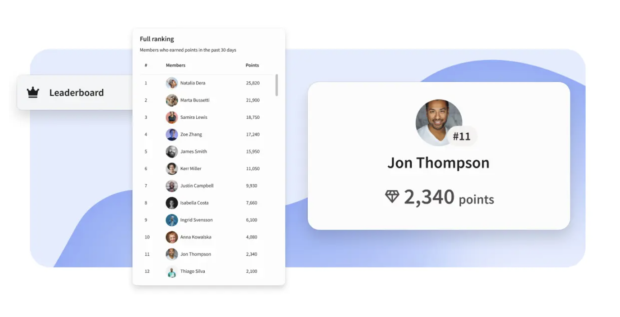
Ultimately, as digital landscapes become increasingly saturated with automated messaging and corporate content, the human element remains a brand’s ultimate differentiator. By treating employees not merely as workers, but as empowered brand ambassadors equipped with the right tools and flexible guidelines, companies can cultivate a resilient marketing ecosystem. This approach not only amplifies corporate reach and builds authentic market trust, but also fosters a deeper sense of internal community, transforming daily communication into a sustainable engine for organizational growth.