The landscape of digital marketing and social media management is undergoing a significant operational shift as artificial intelligence transitions from a static drafting tool into an interactive, action-oriented workspace. For years, social media managers have relied on generative AI models to build initial copy, subsequently executing a tedious manual workflow: copying the text, opening a secondary browser tab, navigating to a scheduler, pasting the content, and configuring dates and times by hand. A new integration between Anthropic’s Claude assistant and Hootsuite effectively eliminates these administrative hurdles, allowing marketing teams to plan, schedule, analyze, and publish social media content natively from within a conversational chat interface.

The Evolution of AI in Social Media Management
The integration is powered by Model Context Protocol (MCP) connectors, a technical framework designed to bridge isolated AI assistants with external software tools. Historically, an AI chatbot operated within strict boundaries, restricted to the parameters of the immediate user prompt. If a marketer wanted an AI model to evaluate the performance metrics of the previous month’s top-performing posts, they were required to manually extract the numerical data, compile it, and feed it into the chat window.
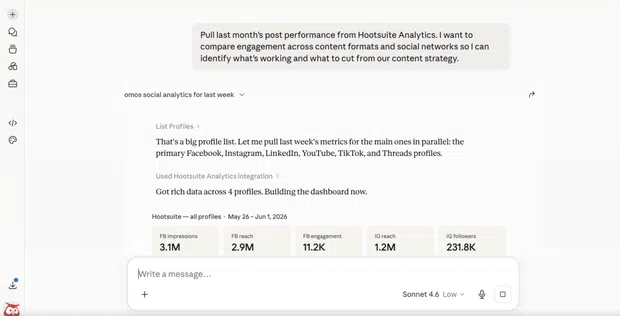
MCP connectors dismantle this barrier. By linking Claude directly to enterprise social media management platforms, the assistant gains contextual, real-time access to user workspaces. This allows the AI to query performance metrics, identify gaps in content calendars, and execute publishing commands without requiring the user to navigate away from the chat environment.
Industry observers note that this development marks a transition from "generative" workflows to "agentic" workflows, where AI models do not merely suggest content but actively participate in execution. Marketing technologists suggest that this reduction in friction will dramatically accelerate daily publishing cadences, though it places a renewed emphasis on maintaining strict editorial oversight.
Technical Integration: Setting Up the Hootsuite and Claude Bridge
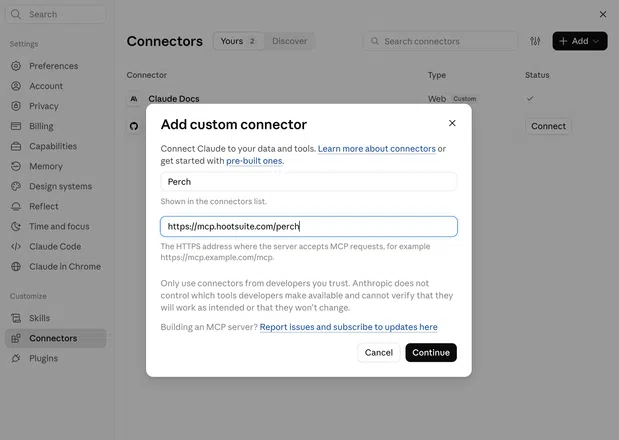
Deploying the integration requires utilizing the Claude Desktop application alongside specific configuration steps to establish a secure link with Hootsuite’s environment. Unlike traditional API integrations that demand complex backend development and custom token management, MCP connectors utilize standardized protocols that streamline onboarding for enterprise teams.
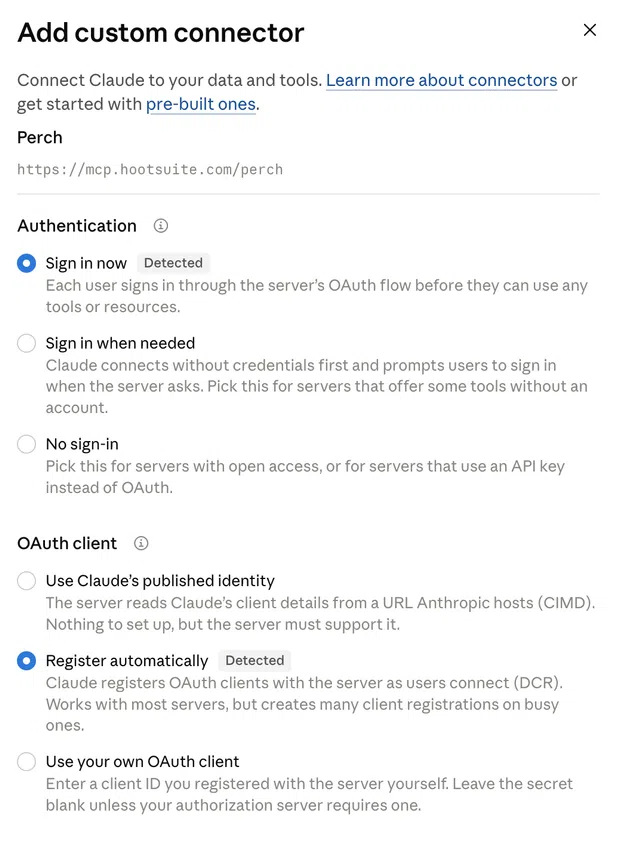
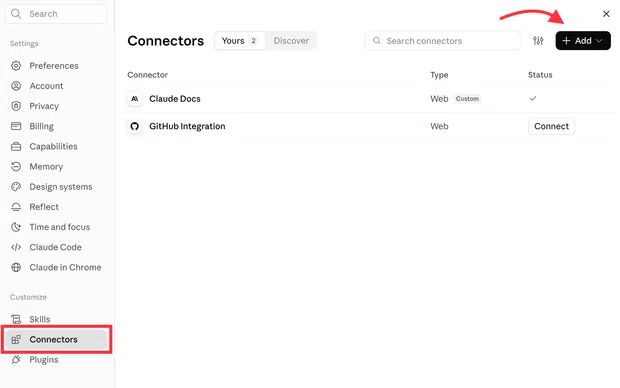
The setup process begins within the Claude Desktop application, where users access the settings menu to configure custom connectors. By providing the designated Hootsuite MCP server URL and initiating authentication via OAuth—selecting automatic client registration—marketers can securely link their brand workspaces to the chat interface. Once authenticated, users can manage multiple brand accounts simultaneously, provided they configure the correct access permissions during the initial handshake.
Through this connection, Claude interfaces directly with four core pillars of the Hootsuite ecosystem:
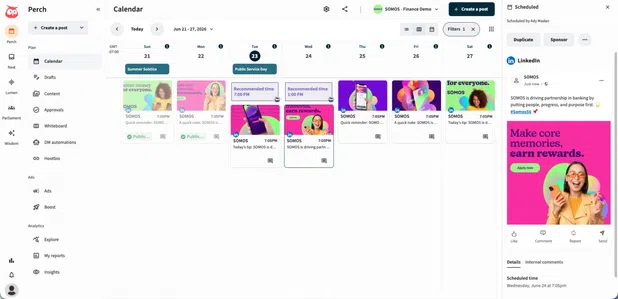
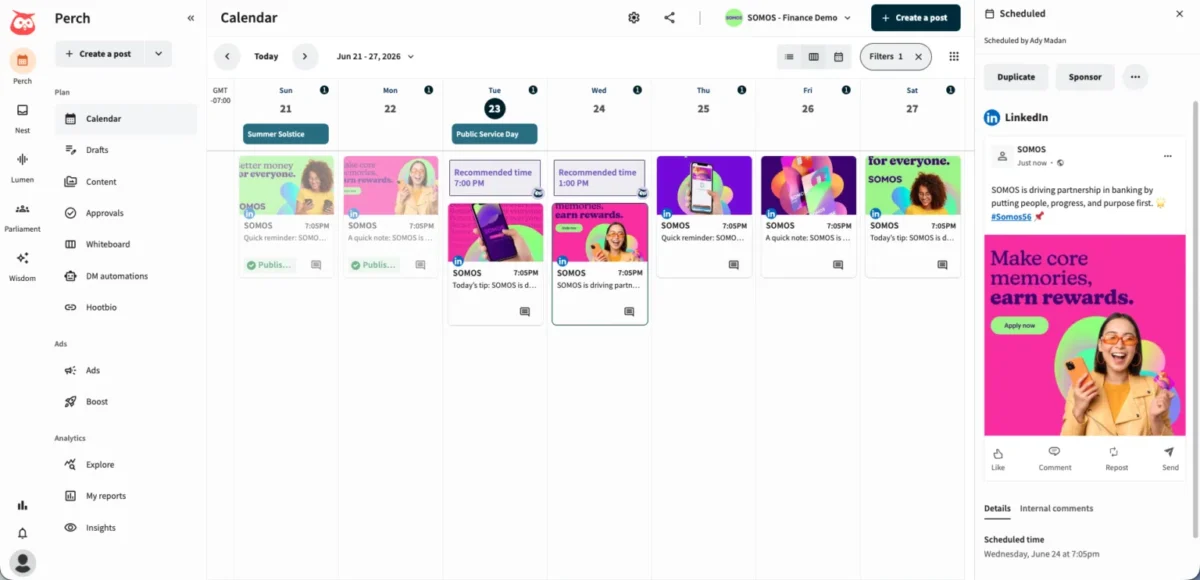
- Perch: Handles content planning, scheduling, asset management, and performance analytics across major networks including Facebook, Instagram, LinkedIn, TikTok, and X (formerly Twitter).
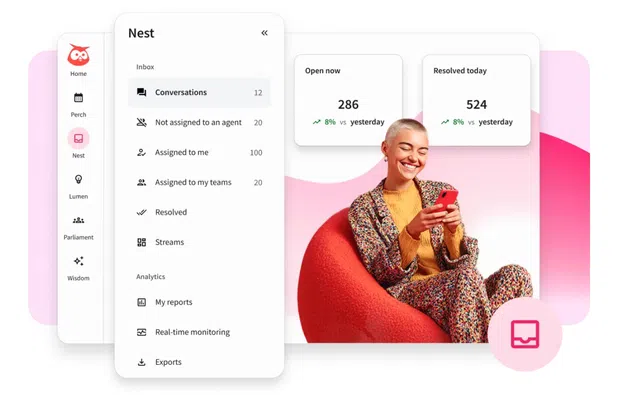
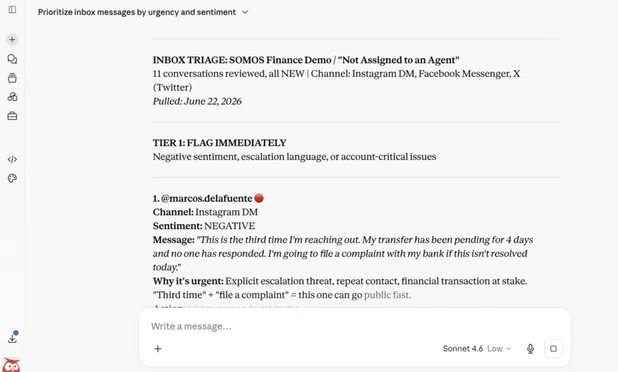
- Nest: Centralizes incoming customer comments, direct messages, and engagement streams, enabling the AI to assist in conversation sorting, urgency ranking, and response drafting.
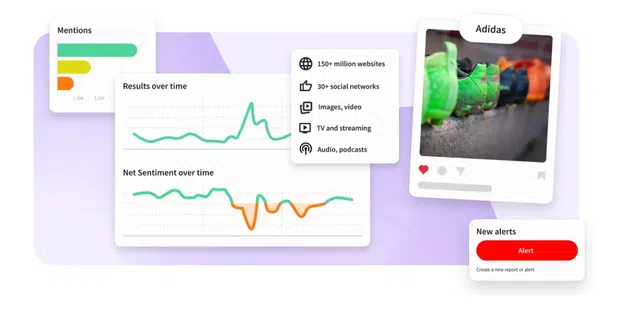
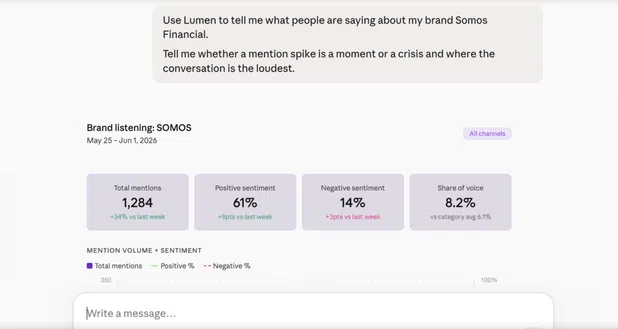
- Lumen: Provides real-time social listening capabilities, allowing Claude to query brand mentions, consumer sentiment shifts, and emerging industry trends instantly.
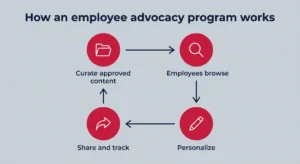
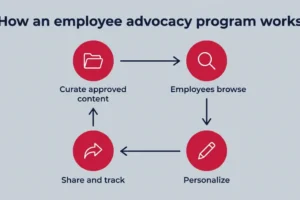
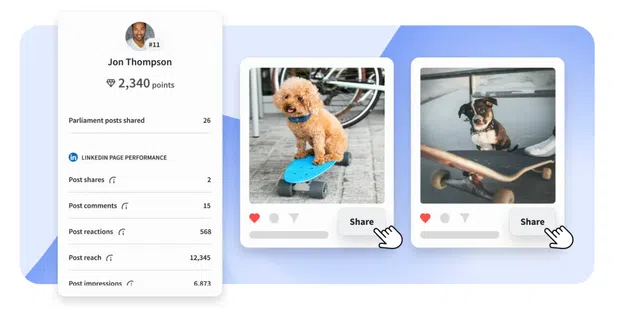
- Parliament: Manages employee advocacy programs, granting internal teams a searchable repository of approved brand content to share across professional networks.
Operational Capabilities and Workflow Implications
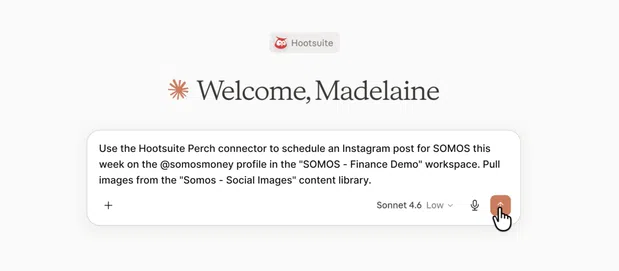
The integration significantly expands what conversational AI can achieve within a marketing department. Rather than asking Claude to write a standalone post, a user can prompt the assistant to review the brand’s content calendar for the upcoming week, identify empty slots based on historical high-engagement windows, select appropriate visual assets from an integrated library, and schedule the finalized posts directly into the queue.

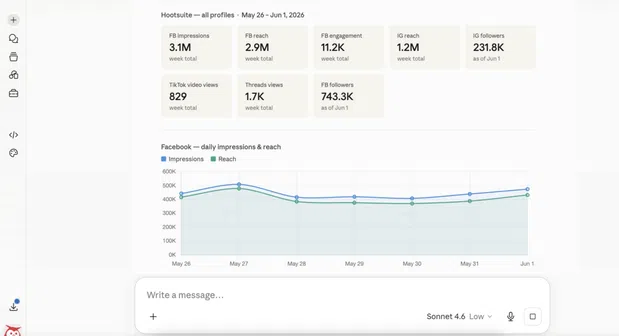
Furthermore, post-publication tracking is streamlined. Marketers no longer need to generate comprehensive reporting dashboards to check campaign performance; they can simply ask Claude to pull live metrics from Perch to evaluate engagement rates and audience reception across multiple platforms.
Despite these advanced capabilities, industry experts emphasize that the integration functions strictly under human direction. Claude does not operate autonomously in the background; every action—whether drafting a response to a customer inquiry via Nest or scheduling a multi-platform campaign—requires explicit user prompting.

Risk Management and Governance
As marketing departments adopt direct AI-to-platform integrations, governance and brand safety have emerged as critical concerns. Content strategists highlight three primary risks associated with conversational social media management: brand voice drift, unauthorized AI actions, and the inadvertent exposure of sensitive corporate or consumer data.
Generative models inherently tend toward standardized, conversational phrasing that can dilute a brand’s unique identity. To counteract this, organizations are advised to supply Claude with comprehensive brand style guides, lexicon parameters, and repositories of top-performing historical content prior to executing campaigns.
Human oversight remains non-negotiable, particularly for outward-facing communications. Industry professionals stress that high-stakes interactions—such as responding to customer complaints or publishing during sensitive news cycles—demand rigorous human review. Melina Giorgalletou, Content and Social Media Manager at Supernormal, underscores this necessity: "The more outward-facing or higher-stakes the task, the more I’m involved. Anything that goes public, involving a person, or representing the brand needs my sign-off first."
Additionally, security protocols must be strictly maintained. Connecting AI assistants to social management suites grants access to direct message inboxes, customer data, and unreleased campaign assets. Organizations operating in regulated sectors must subject these MCP connections to the same compliance reviews applied to any other enterprise software deployment, ensuring data privacy standards are rigorously upheld.
Broader Industry Impact
The introduction of direct chat-based publishing tools reflects a broader industry push toward consolidated workflows. Platforms such as Hootsuite, Buffer, and Metricool are increasingly positioning themselves as centralized hubs where generative capabilities, scheduling infrastructure, and analytics converge.
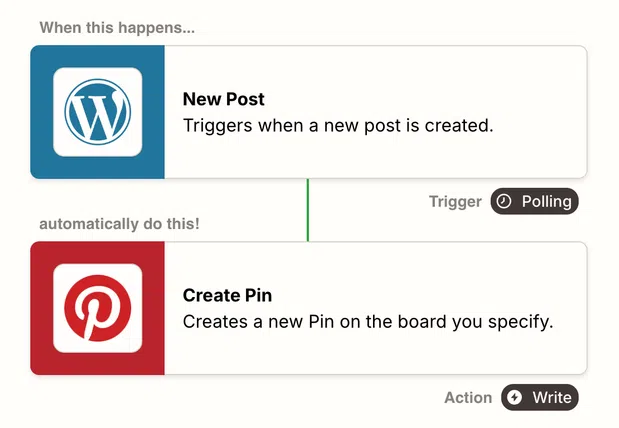
Concurrently, alternative approaches utilizing general-purpose automation platforms like Zapier, Make, and n8n allow organizations to build bespoke, multi-step pipelines. For example, a team might configure a workflow where the publication of a corporate blog post automatically triggers Claude to generate a multi-part discussion thread for X, which is then routed into a social media scheduler. While such custom workflows offer high flexibility, they require significantly more technical setup and maintenance compared to native MCP integrations.
Ultimately, the convergence of conversational AI and enterprise social management tools signifies a maturing market. By removing repetitive administrative tasks, these integrations allow social media managers to pivot away from manual copy-pasting and focus on higher-level strategy, creative direction, and audience engagement.