igating the Labyrinth of Media-Driven Product Recommendations: How Major Publishers Monetize Trust and What Consumers Must Know
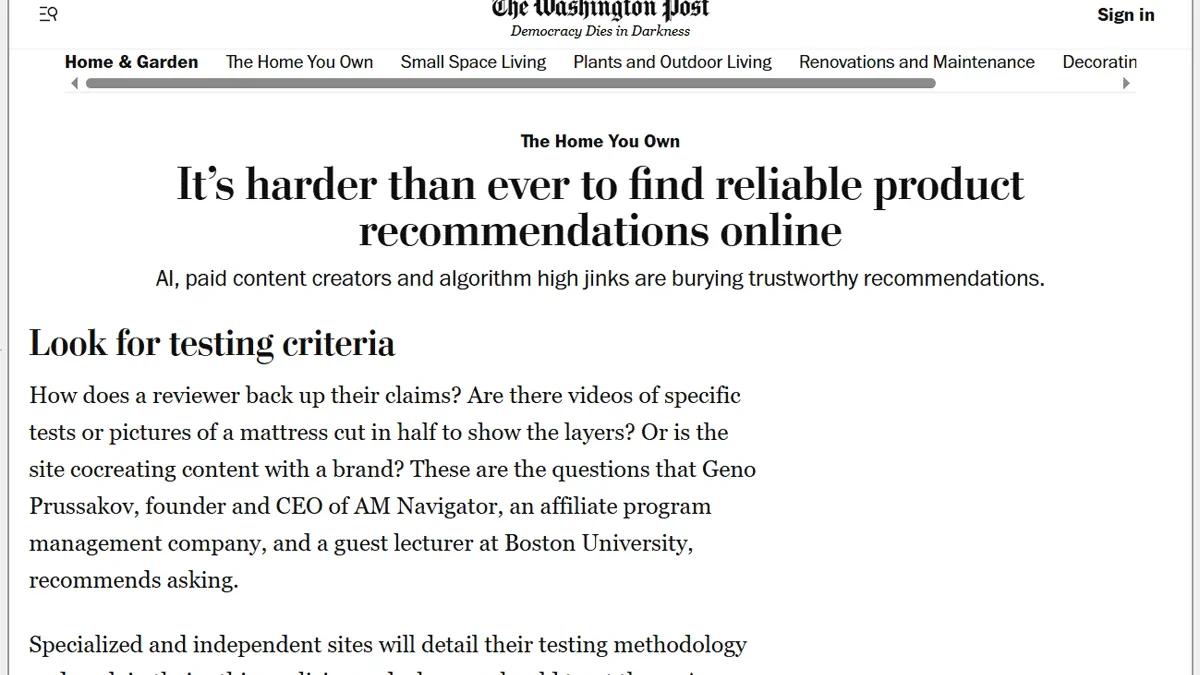
The intersection of digital journalism, search engine optimization, and e-commerce has fundamentally transformed how consumers discover and purchase products online. Earlier this year, prominent industry discourse was sparked when The Washington Post published an extensive investigation into the mechanics of online product recommendation lists generated by major media organizations. This report brought to light a multi-million-dollar industry where venerable news institutions leverage their hard-earned journalistic authority to capture lucrative affiliate marketing revenue. While this monetization model has become a financial lifeline for traditional publishers grappling with declining print revenues and volatile digital advertising markets, it has simultaneously introduced complex questions regarding editorial integrity, consumer trust, and the objectivity of online product roundups.
To understand how traditional media outlets transitioned from reporting the news to recommending consumer goods, one must examine the shifting economic landscape of the digital publishing industry over the past two decades. As print subscriptions dwindled and programmatic advertising yields plummeted due to ad-blockers and privacy regulations, publishers desperately sought diversified revenue streams. Affiliate marketing—a performance-based model where publishers earn a commission for directing traffic and sales to retailers—emerged as a natural fit. Leveraging high domain authority and established search engine rankings, major news brands discovered they could rank at the top of search engine results pages (SERPs) for high-intent commercial queries, such as "best mattresses" or "best laptops."
The Chronology of Media-Driven Commerce
The evolution of media commerce did not happen overnight; it represents a calculated, step-by-step expansion into the retail sector.
In the early 2010s, digital-native publishers pioneered the dedicated commerce desk model. Sites like Wirecutter, founded in 2011 and subsequently acquired by The New York Times Company in 2016 for approximately $30 million, demonstrated that rigorous, testing-based product journalism could be directly tied to lucrative affiliate transactions. This acquisition served as a watershed moment for the industry, signaling to legacy print media that commerce content was not merely a tacky distraction, but a core component of a modern media business model.
By the late 2010s and early 2020s, virtually every major news organization—ranging from legacy broadsheets like The New York Times and The Washington Post to lifestyle magazines and broadcast networks—had established dedicated shopping and commerce verticals. Brands built over a century of reporting hard news were suddenly directing readers to click "Buy Now" buttons, fundamentally altering the relationship between reader and publisher.
Behind the Scenes: How Major Publishers Vetted Products
Despite the obvious commercial incentives, industry insiders emphasize that reputable media publishers do not recklessly monetize their brand equity. Managing affiliate relationships for major retail merchants requires balancing profitability with brand preservation. According to industry experts who work directly with media partners, established publishers typically employ rigorous safeguards before endorsing products.
First, editorial separation is frequently maintained through dedicated commerce teams. While newsrooms and commercial divisions have historically maintained strict firewalls, modern commerce teams often operate under specialized guidelines that separate editorial product selection from pure advertising sales. Second, real-world testing and research form the backbone of credible roundups. Top-tier publishers often maintain testing facilities where reviewers physically handle, test, and compare products over extended periods, rather than merely aggregating manufacturer specifications.
Third, publishers implement strict vetting processes regarding merchant reliability. Major media brands cannot afford to send their readership to fraudulent e-commerce sites or entities with notoriously poor customer service, as doing so directly damages the publisher’s reputation. Fourth, compliance with federal disclosure guidelines—such as mandates from the Federal Trade Commission (FTC)—requires clear, conspicuous notifications informing readers that the publisher may earn a commission from links contained within the article.
The Commercial Pressures and Hidden Influences
However, the reality of the digital marketplace is rarely black and white. While rigorous testing and editorial independence are the stated standards, the immense financial stakes of commerce content inevitably introduce commercial pressures. In some instances, a product’s prominent ranking on a major media list may be influenced by behind-the-scenes financial arrangements rather than pure merit.

These arrangements can take several forms. Placement fees, where an advertiser pays a flat rate to secure a spot in a high-traffic roundup, represent one potential conflict of interest. Inflated affiliate commission rates can also sway editorial priorities; if a merchant offers a significantly higher payout percentage than its competitors, a publisher’s commerce team may face internal pressure to feature that product more prominently. Furthermore, Earnings Per Click (EPC) guarantees—commitments that ensure a publisher will make a minimum financial return per click sent to a merchant—can subtly warp the objectivity of consumer advice.
The Convergence of Search Engine Authority and E-Commerce
The success of media-driven product recommendations relies heavily on search engine optimization. Major news sites possess exceptionally high domain authority—a metric used by search engines to gauge the trustworthiness and relevance of a website. When a household-name publication publishes a "best-of" list, search algorithms frequently propel that article to the top of search results, often outranking independent consumer review sites or the manufacturers themselves.
This dynamic creates a self-reinforcing cycle. Consumers turn to trusted media brands to cut through the noise of low-quality e-commerce sites, assuming that an article bearing a prestigious masthead is entirely objective. Yet, when that same article is monetized via affiliate links, the publisher has a vested financial interest in ensuring the reader completes a purchase. This dual role—acting simultaneously as an objective journalistic critic and a retail salesperson—creates an inherent tension that requires heightened vigilance from the consuming public.
Actionable Strategies for the Modern Consumer
Given the complex financial ecosystems underpinning online product reviews, consumers must adopt a sophisticated approach to digital shopping. Relying blindly on a single "best-of" list, even when published by a respected media institution, is no longer sufficient in an era driven by algorithmic optimization and performance marketing.
To make fully informed purchasing decisions, consumers should consider implementing four essential strategies:
-
Cross-Reference Multiple Sources: Never rely on a single publication’s recommendation. Compare findings across dedicated enthusiast forums, independent consumer advocacy groups, and specialized testing sites to identify consensus opinions versus isolated endorsements.
-
Scrutinize the Methodology: Look closely at how the product was tested. Did the publication physically handle and test the item, or did they base their roundup on aggregated user reviews and manufacturer marketing materials? Transparent methodology is a hallmark of credible journalism.
-
Be Wary of Sudden Surges: If an obscure brand suddenly dominates the top spots across multiple major media lists simultaneously, investigate whether a aggressive PR campaign, elevated affiliate commissions, or placement fees may be at play.
-
Check for Clear Disclosures: Reputable publishers are transparent about their monetization practices. Always review the affiliate disclosure statements at the top or bottom of commerce articles to understand the financial relationship between the publisher and the merchants.
Broader Implications for the Future of Digital Media
As the digital publishing landscape continues to evolve, the integration of e-commerce and journalism will likely deepen. Artificial intelligence-generated shopping guides, dynamic pricing models, and hyper-personalized product recommendations are already beginning to reshape the online retail environment.
For traditional news organizations, commerce revenue has proven essential for funding investigative journalism and keeping core newsrooms afloat. However, this financial salvation carries a profound responsibility. If media publishers allow commercial pressures to completely erode editorial objectivity, they risk destroying the very asset that made their commerce recommendations valuable in the first place: public trust. Maintaining that trust requires unprecedented transparency, rigorous ethical standards, and a steadfast commitment to putting the consumer’s best interest above the bottom line.