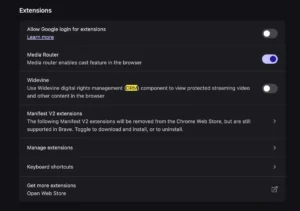
The landscape of digital media consumption has undergone a fundamental transformation over the past three decades, shifting from decentralized peer-to-peer sharing networks to centralized, cloud-based streaming subscription models. In the early days of widespread broadband internet adoption, acquiring and archiving digital media—ranging from compressed audio files to full-length motion pictures—was a ubiquitous practice for digitally literate consumers. Platforms such as Napster, Kazaa, and LimeWire defined an era where local storage was the primary medium for entertainment and information. However, contemporary web architecture relies heavily on dynamic streaming protocols, encrypted media streams, and browser-level restrictions, including blob URLs and digital rights management (DRM) technologies, designed explicitly to prevent local file retention. Despite these technological barriers, open-source utility software has evolved in parallel, empowering users to preserve educational, cultural, and entertainment media for offline use. Among these tools, the command-line utility yt-dlp has emerged as the definitive standard for extracting and saving video and audio assets from thousands of internet platforms, led predominantly by YouTube.
The Historical Shift from Local Storage to Cloud Streaming
To understand the current reliance on specialized downloading utilities, one must examine the trajectory of internet infrastructure and copyright enforcement. During the late 1990s and throughout the 2000s, personal computing relied on expanding hard disk drives to accommodate vast libraries of MP3 audio tracks and downloaded video files. The emergence of BitTorrent protocol in 2001 revolutionized peer-to-peer file sharing by decentralizing bandwidth distribution, making the transfer of large files exceptionally efficient.
As broadband speeds increased and mobile internet infrastructure matured in the early 2010s, industry stakeholders systematically pivoted toward cloud-based distribution. Services like Spotify, Netflix, and YouTube introduced consumers to on-demand streaming, eliminating the perceived need for local storage. While this shift reduced digital piracy and streamlined user experience, it introduced vulnerabilities related to digital permanence. Content hosted on third-party platforms remains subject to arbitrary removal due to copyright claims, policy updates, creator account terminations, or sudden corporate restructuring. Consequently, digital archivists, researchers, and everyday consumers have increasingly turned to command-line tools to maintain personal backups of essential media.

The Rise, Fall, and Successors of Media Extraction Standards
The lineage of YouTube downloading tools dates back nearly to the inception of the video-sharing platform itself, which launched in 2005. For many years, the Python-based utility youtube-dl served as the foundational open-source tool for retrieving media streams from YouTube and hundreds of secondary websites. Released initially in 2006, youtube-dl became a staple for developers, system administrators, and digital archivists.
However, as the scale of video platforms expanded and anti-bot measures grew increasingly sophisticated, maintenance of youtube-dl faced significant hurdles. Frequent updates by platform operators to break scraping mechanisms meant that the original tool often suffered from throttling, broken extractors, and delayed updates. This operational bottleneck led to the creation of yt-dlp, a feature-rich fork of the original software.
By actively integrating community contributions, expanding format support, and implementing advanced speed optimizations, yt-dlp quickly surpassed its predecessor in performance and reliability. Industry analysts note that open-source projects of this nature highlight the persistent demand for user autonomy over digital data, even as platform providers implement stricter gatekeeping measures.
Technical Mechanics: How Modern Extraction Utilities Function
Modern video platforms rarely serve static files via direct, downloadable hyperlinks. Instead, they employ complex adaptive bitrate streaming protocols such as HTTP Live Streaming (HLS) and Dynamic Adaptive Streaming over HTTP (DASH). These protocols split video and audio tracks into small, encrypted or unencrypted segments, delivering them dynamically based on the viewer’s network bandwidth and device capabilities.
Utilities like yt-dlp bypass the surface-level browser interface by parsing the target URL, executing automated queries to retrieve platform metadata, and identifying the direct source manifests of the media streams. Once the raw audio and video streams are located, the software downloads them simultaneously and utilizes helper applications—most notably FFmpeg—to mux, or recombine, the streams into a standard container format such as MP4 or MKV.
For users seeking strictly audio content, the software streamlines this workflow further by incorporating extraction and conversion flags. Executing a command such as:
yt-dlp -x --audio-format mp3 https://www.youtube.com/@beetlejuicearchives3490instructs the utility to extract the media stream, strip the video track entirely (-x), and convert the remaining audio stream into a universally compatible MP3 file using internal encoding libraries. This capability has made the tool particularly popular for archiving long-form lectures, podcasts, and rare musical performances that might otherwise be lost if the source channel becomes unavailable.
Data and Demographics: The Growing Demand for Offline Flexibility
Market research into digital consumption habits indicates a steady rise in offline media consumption, driven by commuters, travelers, and individuals residing in regions with unstable or expensive cellular data networks. According to data compiled by digital media analysts, over 45% of regular podcast and long-form video consumers prefer storing files locally to ensure uninterrupted playback during transit or travel.

Furthermore, educational institutions and researchers rely heavily on local archiving to preserve primary source material. YouTube hosts millions of hours of historical documentaries, rare archival footage, academic lectures, and independent journalism. Because digital platforms frequently purge or restrict content due to evolving terms of service, local retention serves as an essential safeguard against digital decay and the loss of cultural heritage.
Industry and Platform Responses
Content platforms and copyright holders maintain a complex relationship with media extraction utilities. On one hand, automated downloading tools are frequently scrutinized by media conglomerates for their potential to facilitate copyright infringement and bypass monetized paywalls or advertisements. Major streaming providers continually deploy technological countermeasures—such as encrypted media extensions (EME) and aggressive rate-limiting—to obstruct unauthorized scraping and downloading.
Conversely, open-source developers and digital rights advocates argue that media extraction falls under fair use principles when utilized for personal archiving, accessibility enhancements, educational research, or transformative works. The legal status of software like yt-dlp generally remains protected under software freedom principles, as the tool itself is dual-purpose: it can be used to download copyrighted commercial content illegally, or it can be used to retrieve public domain, Creative Commons, and legally accessible personal data. Legal scholars emphasize that liability typically rests with the end-user’s application of the software rather than the codebase itself.
Broader Implications and Future Outlook
The persistence of tools like yt-dlp underscores a broader philosophical debate regarding digital ownership in the twenty-first century. As consumers increasingly lease access to media rather than owning physical or digital copies, their ability to access culture and information remains tethered to the economic viability and policy whims of multinational tech conglomerates.

The widespread adoption of command-line downloaders demonstrates that a significant segment of the digital populace values technological self-reliance. Whether used by archivists preserving endangered dialects, travelers preparing for connectivity blackouts, or enthusiasts curating personal music libraries, these utilities bridge the gap between closed ecosystem models and the foundational open ethos of the early internet.
As streaming platforms continue to refine their delivery mechanisms and introduce stricter authentication protocols, the technological arms race between platform operators and open-source developers is expected to intensify. However, the fundamental demand for data portability and offline permanence ensures that tools empowering user-controlled archiving will remain an essential component of the modern digital toolkit.