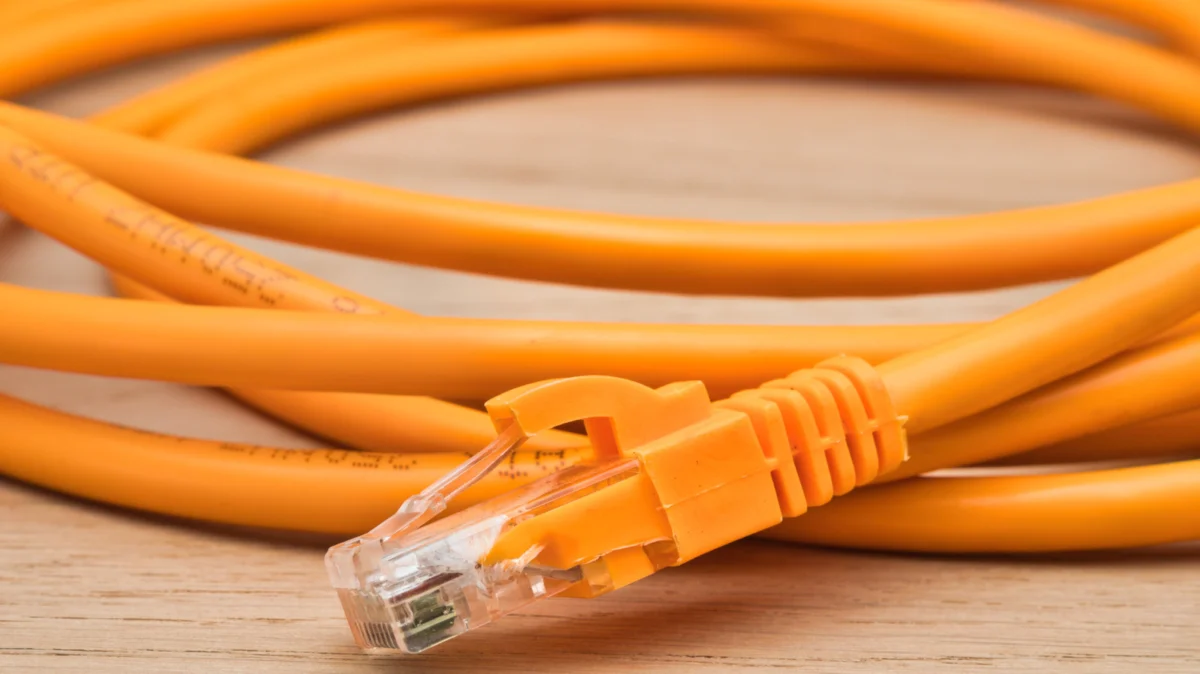
For millions of home office users, competitive gamers, and enterprise IT administrators, the wired network connection remains the gold standard for reliability, speed, and minimal latency. While Wi-Fi technology has seen exponential leaps in performance over the last decade, the physical Ethernet cable remains the foundational backbone of digital infrastructure. Despite this, these components are frequently treated as "install and forget" hardware, often buried behind walls or tucked under floorboards for years. Unlike perishable goods or even some consumer electronics with clear lifecycle ratings, Ethernet cables lack a formal expiration date. However, they are not immortal. Understanding the physical and chemical degradation of these cables is essential for maintaining a high-performance network.
The Physics of Degradation: Why Cables Fail
At their core, Ethernet cables are sophisticated bundles of copper wiring, dielectric insulators, and protective outer jackets. The primary mechanism of failure for an Ethernet cable is not a software-based obsolescence or a digital "expiry," but rather mechanical and environmental fatigue.
Copper, while highly conductive, is susceptible to oxidation if the protective jacket is compromised. When oxygen and moisture penetrate the sheath, the copper strands begin to corrode, significantly increasing electrical resistance and leading to packet loss. Furthermore, the plastic polymers used in the outer jacket—typically Polyvinyl Chloride (PVC) or Low Smoke Zero Halogen (LSZH) materials—are prone to "plasticizer migration." Over time, these chemicals leach out of the plastic, causing the jacket to become brittle. Once the jacket loses its elasticity, even minor vibrations or shifts in the cable can cause internal micro-fractures in the copper conductors.
A Chronology of Reliability
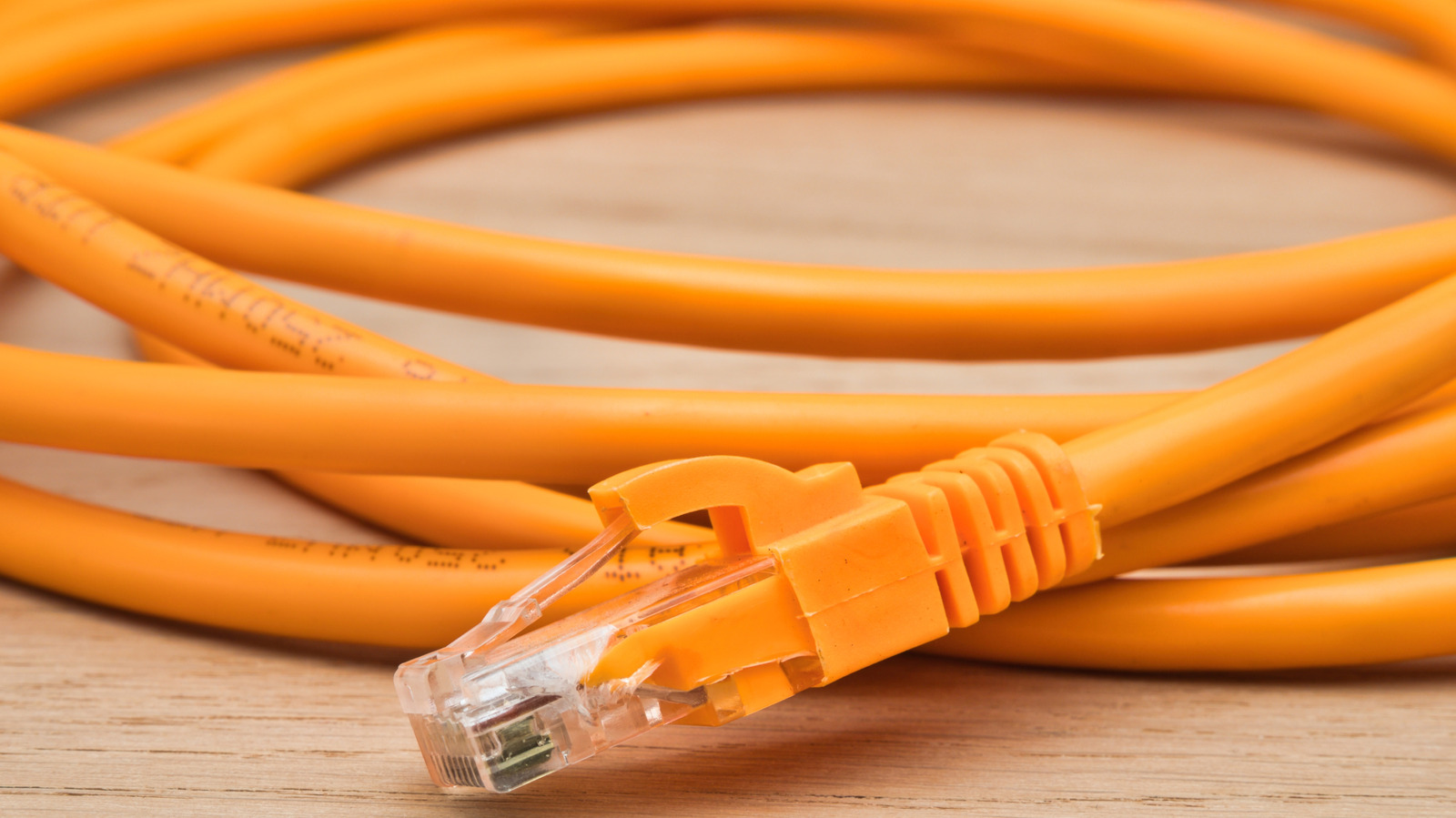
While there is no "best by" date, industry standards provide a framework for the expected service life of structured cabling. According to guidelines set by the Telecommunications Industry Association (TIA) and the International Organization for Standardization (ISO), high-quality copper cabling installed in a controlled, indoor environment is engineered to provide a service life of approximately 15 to 20 years.
However, this timeline is highly contingent on the initial installation quality. During the late 1990s and early 2000s, the mass adoption of Cat5 cabling set the standard for residential internet. Many of these legacy cables are still in active service today. Yet, the demands placed on them have shifted. A cable installed in 1999 was designed for 100 Mbps throughput; today’s networks often require 1 Gbps or 10 Gbps speeds. While the physical copper may still conduct electricity, the physical twists per inch and the shielding standards of older categories often fail to meet the "crosstalk" interference requirements of modern high-speed data transmission. Thus, while the cable hasn’t "expired" in a chemical sense, it has effectively expired in a functional one.
Environmental and Structural Factors
The environment in which an Ethernet cable resides is the single most significant predictor of its longevity.
- Temperature Fluctuations: Cables routed through attics or near HVAC systems undergo thermal expansion and contraction. Over thousands of cycles, this physical stress fatigues the copper strands and accelerates the degradation of the insulation.
- UV Exposure: Standard indoor-rated Ethernet cables are not designed for direct sunlight. Ultraviolet radiation breaks down the chemical bonds in the PVC jacket, turning it chalky and brittle within a few years. Outdoor-rated cables, conversely, utilize polyethylene (PE) jackets specifically engineered to resist UV degradation.
- Mechanical Stress: Sharp bends—often referred to as violating the "bend radius"—are a primary cause of premature failure. Every cable type has a minimum bend radius (typically four times the cable’s outside diameter). Exceeding this radius creates kinks that permanently deform the internal twisted pairs, leading to impedance mismatches and signal reflection.
Material Quality: Copper vs. CCA
A critical distinction in the market is the difference between pure copper and Copper-Clad Aluminum (CCA). Pure copper is the standard for high-performance networking; it is flexible, durable, and highly conductive. CCA, a cheaper alternative, consists of an aluminum core coated with a thin layer of copper.
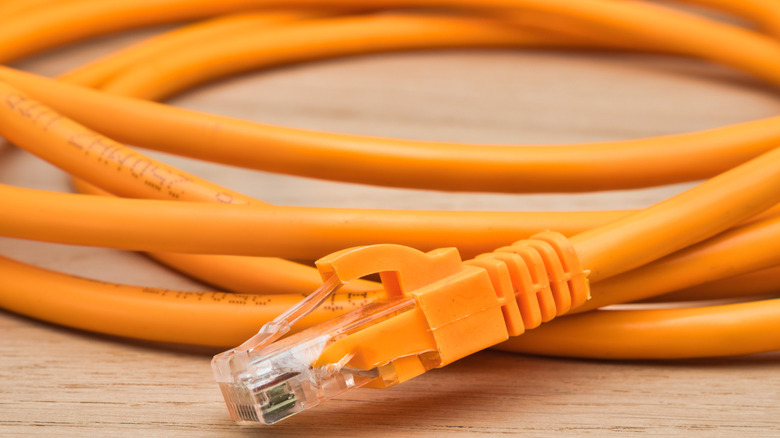
CCA cables are significantly more prone to breakage during installation and are highly susceptible to corrosion. Because aluminum has different expansion properties than copper, the junction points—such as at the RJ45 connector—can become loose, leading to intermittent connectivity. Industry experts and network engineers consistently advise against using CCA for any long-term infrastructure project, as these cables rarely maintain their performance integrity for more than a few years, effectively "expiring" much faster than their pure copper counterparts.
Indicators of Failure and Replacement Protocols
Identifying a failing cable can be deceptive because the symptoms often mirror those of a faulty router or an ISP outage. Network administrators and residential users should look for the following "red flags":
- Intermittent Link Negotiation: If a device frequently drops from a 1 Gbps connection to 100 Mbps or 10 Mbps, it is often a sign of a damaged conductor or oxidation at the RJ45 contact point.
- Physical Deformation: Any visible crushing, deep nicks, or signs of rodent activity necessitate immediate replacement.
- PoE Instability: Power over Ethernet (PoE) requires consistent electrical characteristics. If devices powered by the cable (such as security cameras or access points) are rebooting randomly, the cable may have high resistance or internal damage preventing it from delivering stable power.
- Latency Spikes: While rare, a degraded cable can cause an increase in CRC (Cyclic Redundancy Check) errors. These errors force the network hardware to retransmit data packets, which the end-user experiences as increased latency or "jitter."
The Broader Impact of Modern Networking Standards
As we transition into an era defined by Wi-Fi 7 and multi-gigabit home networking, the bottleneck is often no longer the ISP, but the internal cabling. Replacing a legacy Cat5e cable with a Cat6a or Cat7 cable is not merely about replacing a broken part; it is about infrastructure modernization.
The implication for the average consumer is that "if it isn’t broken, don’t fix it" is a flawed strategy for network maintenance. If an installation is over 15 years old, it is likely running on hardware standards that cannot leverage modern fiber-optic internet speeds. The physical act of replacing these cables ensures that the entire digital chain—from the modem to the end device—is capable of handling current throughput requirements without becoming a hardware-induced bottleneck.
Conclusion: A Pragmatic Approach
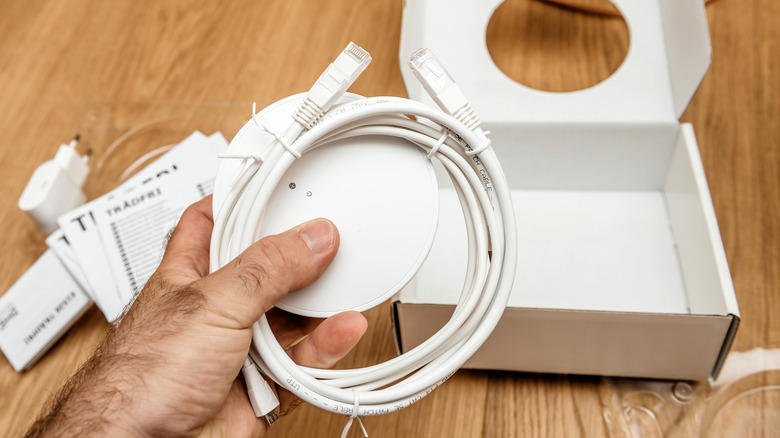
To summarize the lifecycle of Ethernet cables: they do not have a hard expiration date, but they do have a "useful life" that is dictated by material composition and environmental protection. For the average user, an indoor, undisturbed Ethernet cable can last for decades. However, for those seeking to maximize the efficiency of modern hardware, or for those whose cables are exposed to heat, movement, or external elements, periodic inspection is necessary.
The transition from a "reactive" maintenance approach—replacing cables only when they fail—to a "proactive" approach—upgrading cabling to meet the requirements of modern network standards—is essential for ensuring that the benefits of high-speed internet are fully realized across all connected devices. By selecting high-quality, pure-copper cabling and ensuring proper routing, users can build a network foundation that remains robust for the next generation of digital connectivity.