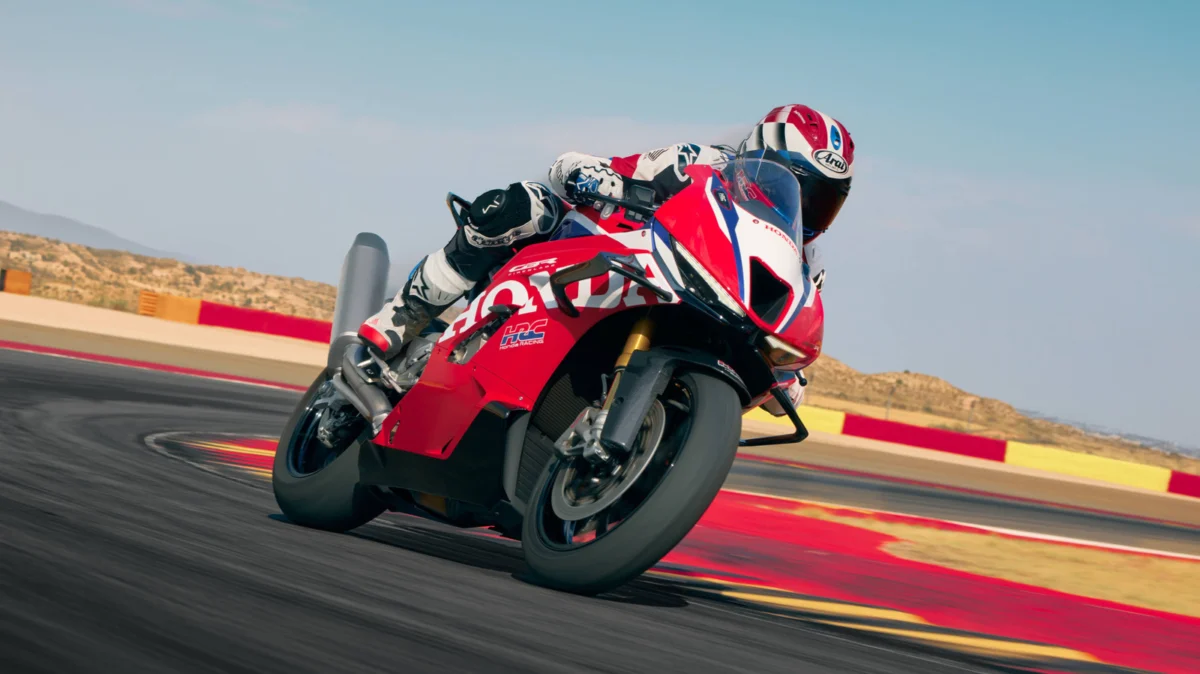
Honda is currently experiencing a significant renaissance in its two-wheeled division, leveraging a blend of engineering heritage and aggressive technological modernization to capture a broader market segment. As the motorcycle industry navigates the transition toward stricter emissions standards and the integration of digital connectivity, Honda’s 2027 product cycle stands as a pivot point for the brand. From the high-stakes world of World Superbike (WSBK) racing to the practical, efficiency-focused urban mobility segment, the Japanese manufacturer has unveiled a suite of machines designed to reinforce its dominance in both performance and reliability.
The 2027 Strategic Shift
The release of these models follows an intensive period of research and development aimed at diversifying Honda’s portfolio. While recent years saw the successful introduction of the CB750 and CB1000 Hornet platforms—models that revitalized Honda’s naked sport bike identity—the 2027 strategy shifts toward refinement and segment expansion. Honda has opted for a "tiered" approach, updating its flagship adventure and racing platforms while simultaneously filling the gap in the sub-500cc high-performance category.
Industry analysts suggest this strategy is a response to the "small-displacement boom," where manufacturers like Kawasaki and BMW are increasingly focusing on the 400cc–500cc segment. By aligning its production lines with these market trends, Honda is positioning its Wing Mark brand to maintain its global market share against intensified competition.
Engineering Advancements in the Africa Twin
The 2027 Africa Twin (CRF1150L) represents the most significant structural update to the platform in the last five years. By increasing the parallel-twin engine displacement to 1,131cc, engineers have successfully raised output to 119 horsepower and 87 pound-feet of torque. This shift is not merely about power; it is an optimization of the power-to-weight ratio.
The transition to a three-variant lineup—Standard, Adventure Sports, and Enduro Sports—signals a move toward better market segmentation. The Enduro Sports trim, characterized by its specialized off-road geometry and high-mounted fender, reflects a direct response to customer feedback regarding the previous generation’s weight. Furthermore, the integration of a dual-screen digital cockpit, featuring a 7-inch primary display for navigation and multimedia alongside a 5.7-inch secondary TFT display, highlights Honda’s commitment to "connected-rider" technology, bridging the gap between traditional adventure touring and modern automotive-style UX.
The Evolution of the Fireblade
In the high-performance sector, the 2027 CBR1000RR-R Fireblade remains the crown jewel of Honda’s racing endeavors. Despite the industry’s broader move toward electrification, the internal combustion engine of the Fireblade continues to receive meticulous attention. The inclusion of new intake funnels specifically tuned for low-to-mid-range torque addresses a long-standing criticism of the platform, which previously favored high-RPM power at the expense of street-rideability.
The introduction of the HRC Works Edition, which utilizes high-spec materials such as a titanium fuel tank and magnesium cylinder head covers, underscores the brand’s commitment to homologation-special manufacturing. By reducing unsprung weight and rotating mass, Honda is ensuring the Fireblade remains a competitive force in the FIM Superbike World Championship. These technological trickle-downs are expected to inform the development of future street-legal sport bikes, keeping the CBR line at the forefront of the liter-bike class.
Mid-Range Performance: The CBR600RR Redesign
The middleweight class has historically been the heartbeat of sport bike sales. The 2027 CBR600RR update is perhaps the most anticipated release for enthusiasts who value agility over raw power. By adopting the braking architecture of the larger Fireblade, the 600RR gains a level of stopping power that was previously absent in the middleweight category.
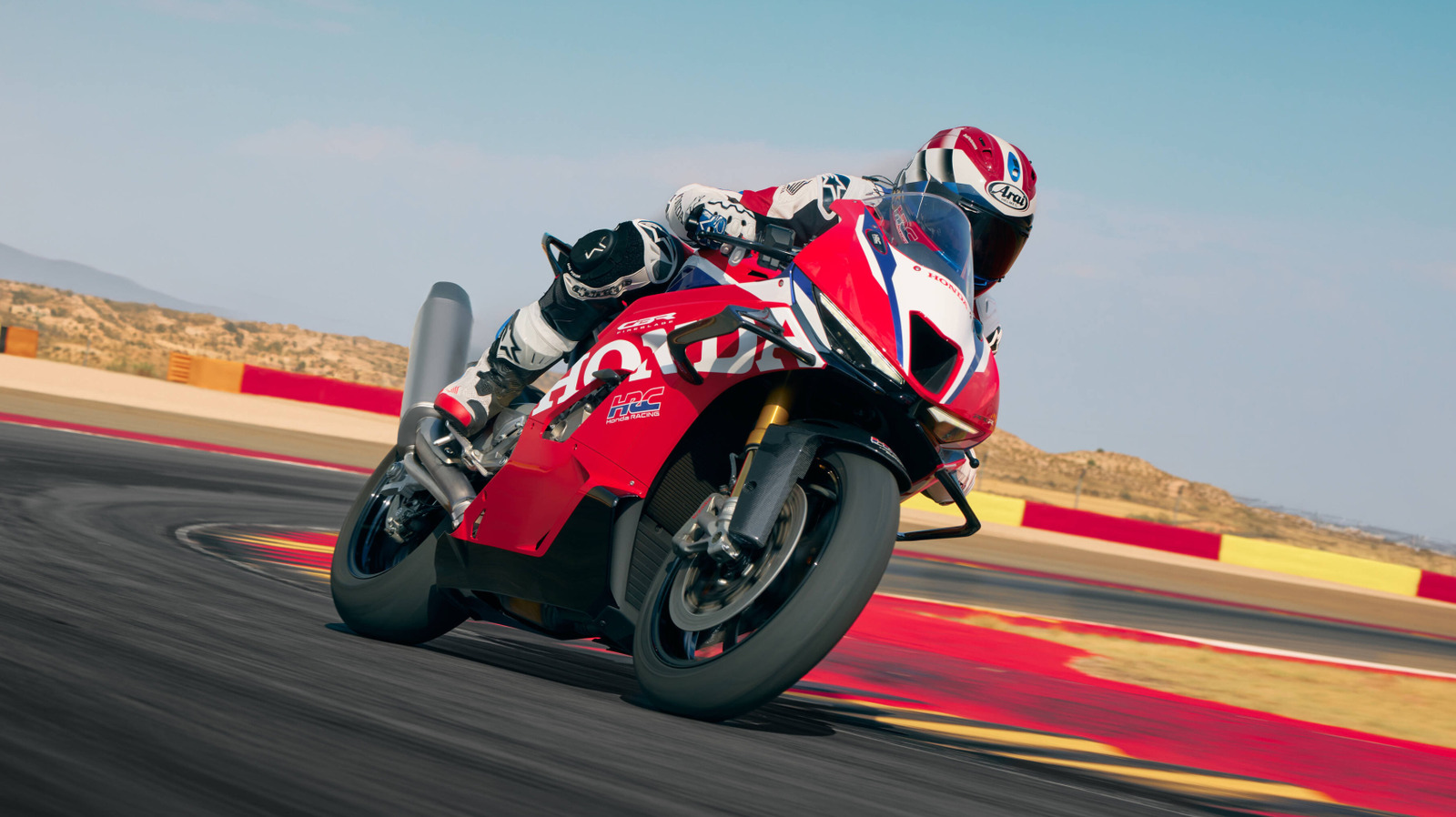
The inclusion of aerodynamic winglets—a design feature derived directly from the MotoGP RC213V program—serves both a functional and aesthetic purpose, increasing front-end downforce during high-speed cornering. While North American availability remains a point of speculation, the update of VIN-coding in NHTSA documentation strongly suggests that the U.S. market is being prepared for a 2027 launch, a move that would provide a much-needed shot in the arm for Honda’s middleweight sales.
The Emergence of the CBR500 Four
Perhaps the most notable addition to the 2027 catalog is the CBR500 Four. This model is a direct competitor to the high-revving four-cylinder bikes that have recently surged in popularity. By utilizing a 500cc version of the legendary Super Four engine, Honda has created a machine that produces 72 horsepower—a figure that significantly outpaces traditional twin-cylinder options in this class.
The standardization of the E-Clutch on this model is a strategic choice. Honda’s E-Clutch technology has been praised for reducing rider fatigue without removing the tactile experience of a manual transmission. By integrating this into a smaller-displacement sport bike, Honda is effectively lowering the barrier to entry for novice riders who might be intimidated by the stall-prone nature of traditional manual transmissions, while still providing enough performance to satisfy experienced track-day enthusiasts.
Off-Road Dominance: The CRF450R
In the motocross arena, the 2027 CRF450R undergoes a complete chassis and powertrain overhaul. The decision to redesign the frame and subframe, combined with a higher-capacity fuel tank and updated Showa suspension, is intended to address the demands of modern supercross tracks, which have become increasingly technical.
Honda’s investment in the CRF line remains critical to its brand image. According to internal performance data, the CRF450R remains the most successful motocross platform in its history. By continuing to iterate on this model, Honda maintains its status as the preferred manufacturer for professional AMA teams. These refinements, including the upgraded wiring harness and transmission components, demonstrate a commitment to long-term reliability—a trait that differentiates Honda from smaller, more boutique off-road manufacturers.
Urban Utility: The ADV125
Reflecting the global trend toward urban efficiency, the ADV125 arrives as an entry-level scooter with premium sensibilities. Achieving 130 mpg, the ADV125 is a solution to the rising cost of fuel and the congestion of modern metropolitan areas. The design, which mimics the rugged aesthetic of larger adventure bikes, is clearly aimed at a younger demographic.
The feature set, including a 29-liter under-seat storage capacity and optional integrated heated grips, positions the ADV125 as a legitimate commuter vehicle rather than a disposable runabout. The implementation of a USB-C charging port and smartphone connectivity demonstrates that Honda recognizes the modern rider’s need for digital integration, even in the scooter segment.
Market Implications and Future Outlook
The 2027 lineup demonstrates a clear, dual-pronged strategy: aggressive innovation in performance-oriented machines and practical, high-value engineering for utility-based models. While European markets will see the full rollout of these models first, the global nature of Honda’s supply chain suggests a phased introduction in North America.
Industry experts note that the 2027 cycle is a calculated move to stabilize the brand’s image during a period of economic volatility. By offering products that serve both the professional racer and the fuel-conscious commuter, Honda is hedging against market shifts. As these models move into mass production, the success of the E-Clutch technology and the adoption of the new CBR500 Four will likely serve as indicators for the direction of the motorcycle industry over the next decade. Honda’s ability to balance its storied racing heritage with modern technological demands ensures its continued relevance in a rapidly changing global transportation landscape.