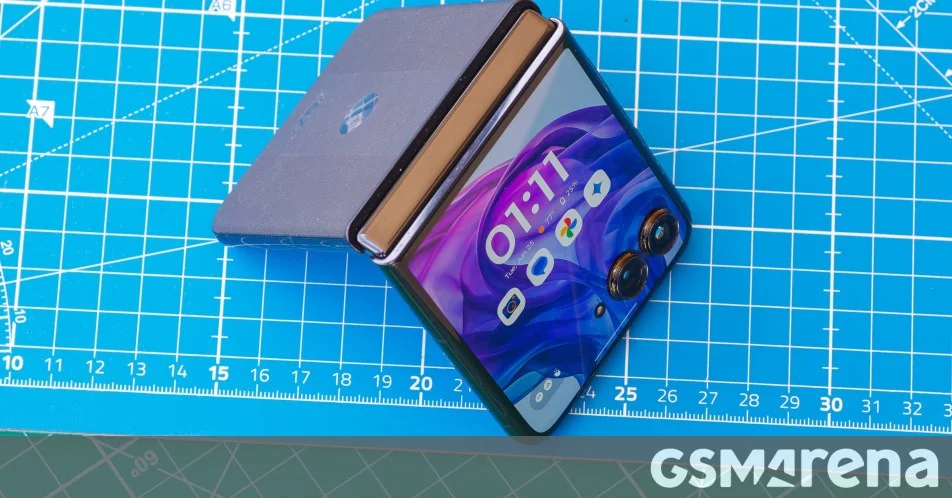
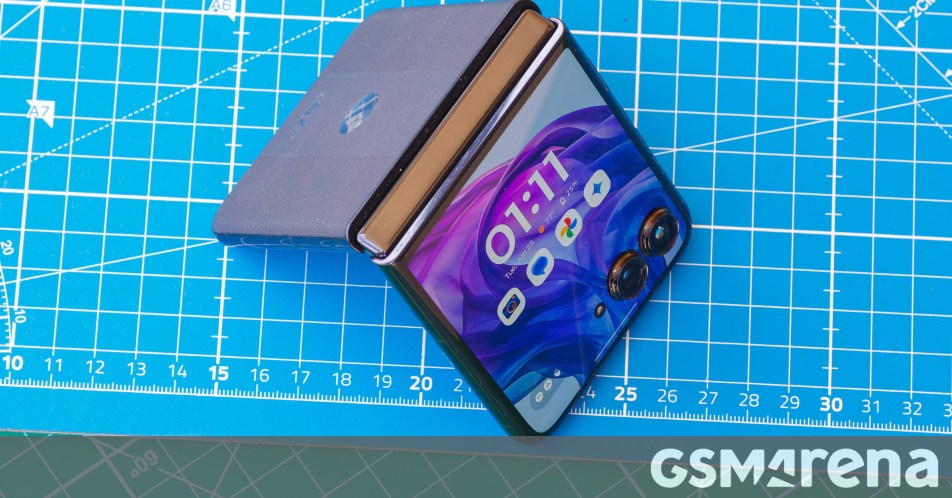
The Motorola Razr 50 Ultra, marketed in the United States as the Razr+ 2024, has officially reached a significant milestone in its software lifecycle by receiving the stable release of Android 17. This development follows a lengthy testing period that began in April of this year, when the device was first included in Motorola’s Android 17 beta program. While newer iterations, such as the Razr Ultra 2026, have already transitioned to the stable build, the two-year-old foldable is now finally being brought into the current ecosystem, signaling Motorola’s commitment to long-term software support for its flagship clamshell devices.
Deployment Method and Initial User Reports
The rollout, while technically underway, has not yet reached the standard over-the-air (OTA) distribution phase for the general public. Reports surfacing from the Reddit community indicate that owners of the European retail variant of the Razr 50 Ultra are currently able to access the build, but only through a manual intervention method. Users have successfully triggered the update by utilizing Motorola’s proprietary Software Fix tool installed on Windows-based PCs.
This non-standard delivery method has led to a fragmented user experience, where only tech-savvy owners willing to connect their devices to a computer have been able to install the latest OS version. While the Software Fix tool provides a bridge for early adopters, it is a stark departure from the seamless, push-based updates that consumers typically expect. Furthermore, users are advised to exercise extreme caution; while the tool is designed to update the firmware, it includes a "Rescue" function that executes a full factory reset, permanently erasing all onboard data. Those opting to use the tool must ensure they have comprehensive cloud backups of their personal files before proceeding.
Features and Functional Improvements
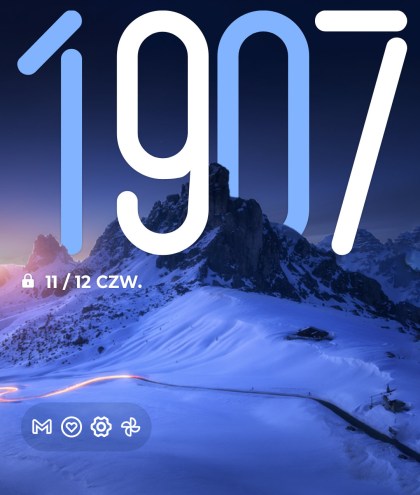
The Android 17 update introduces a series of refinements aimed at improving the unique foldable experience of the Razr series. Among the most notable additions is the implementation of a sophisticated depth effect for wallpapers, which leverages the device’s display capabilities to provide a more immersive visual interface.
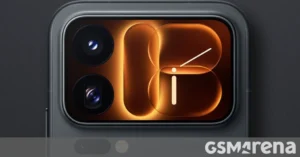
Functionality on the external cover screen—a hallmark of the Razr 50 Ultra—has seen significant improvements. Following the Android 16 release, which reportedly introduced a regression that hindered the usability of several applications on the cover display, the new update restores full operational integrity. Additionally, the update includes a redesigned Quick Settings panel, streamlining access to toggles and system controls. Users have also noted a tactile improvement, specifically reporting that haptic feedback and vibration intensity feel more refined and robust compared to previous iterations. A new clock face has also been integrated into the cover screen’s customization options, offering users more aesthetic variety when the device is closed.
Challenges and Reported Technical Anomalies
Despite the excitement surrounding the update, the transition to Android 17 has not been without its technical hurdles. Early adopters have reported several inconsistencies that suggest the stable release may still require minor patch updates to reach peak stability.
One primary concern raised by users involves the "expanded bubbles" feature, a staple of modern Android multitasking. According to reports from the initial installation cohort, the feature appears to be missing or disabled in this build. As a result, the functionality is currently limited to messaging applications, mirroring the restrictions found in previous versions of the software. Beyond the bubbles feature, some users have noted sporadic, intermittent bugs affecting the cover screen’s touch responsiveness and UI fluidity. Given these reports, many in the community are advocating for a "wait-and-see" approach, recommending that general users wait for the official OTA rollout, which will likely include hotfixes for these identified issues.
The Broader Context: Motorola’s Software Strategy
Motorola’s trajectory with the Razr series reflects a broader shift in the mobile industry toward extended support cycles. Historically, the company faced criticism regarding the frequency and longevity of its software updates. However, by incorporating the Razr 50 Ultra into the Android 17 beta program early in the year, Motorola signaled a strategic pivot toward proactive software lifecycle management.
The inclusion of the Razr 50 Ultra stands in contrast to the status of the standard Razr 50 (known as the Razr 2024 in the US market). Currently, the standard model is notably absent from the official list of devices slated for the Android 17 update. This creates a clear tiering in Motorola’s portfolio, where software longevity is explicitly tied to the "Ultra" branding. For consumers, this reinforces the importance of hardware tiering when considering long-term device investment.
Timeline and Regional Availability
The chronology of this update is vital for understanding the current state of the rollout:
- April 2024: The Razr 50 Ultra joins the Android 17 beta testing phase.
- Late 2024: Newer models, specifically the Razr Ultra 2026, receive the stable Android 17 release.
- November 2026: Initial reports confirm the stable build is accessible for the European retail version of the Razr 50 Ultra via the desktop software tool.
- Future Outlook: The timeline for a full, global OTA release remains unconfirmed, as does the prospect of an Android 17 release for the US-based Razr+ 2024.
As of this writing, there is no official communication from Motorola regarding the specific dates for the North American rollout. The disparity in release timing between European and American variants is a common phenomenon in the mobile industry, often due to carrier certification requirements and localized software adjustments required for the North American market.
Implications for Foldable Technology
The introduction of Android 17 features specifically tailored for the cover screen—such as the refined app support—underscores the ongoing evolution of the foldable form factor. As the hardware becomes more durable and widespread, the burden of excellence shifts to software optimization. Motorola’s ability to successfully deliver a stable OS update that enhances the utility of the cover screen is a critical factor in maintaining the relevance of the Razr series in a market dominated by larger, slab-style devices.
Furthermore, the reliance on a desktop-based software tool for this update highlights the complexities of managing Android versions across varying hardware architectures. While power users may appreciate the ability to force an update, the average consumer remains dependent on the manufacturer’s server-side push. Motorola’s decision to offer this method suggests a desire to provide a path for enthusiasts while the company continues to monitor the stability of the OTA package for the general population.
Final Recommendations for Users
For those currently in possession of a Razr 50 Ultra in Europe, the path forward is clear but requires caution. The standard recommendation is to periodically navigate to Settings > System > System updates to check for the over-the-air notification. This remains the safest and most reliable method to ensure that the update is applied correctly without the risk of data loss associated with the manual Software Fix tool.
Should a user choose to utilize the manual tool on a Windows PC, it is imperative to avoid the "Rescue" option, which performs a destructive wipe of the device. Following the "Update" path, while still requiring caution, allows for the preservation of personal data. However, given the reports of minor bugs and the omission of certain features like expanded bubbles, there is no immediate pressure to force the update. Allowing for an additional few weeks of testing by the community may result in a more polished experience once the OTA package is eventually pushed to devices globally.
Motorola’s ongoing commitment to the Razr 50 Ultra, despite the introduction of newer models, demonstrates a continued interest in sustaining its premium foldable lineup. As the mobile landscape continues to shift toward longer support cycles, the successful deployment of Android 17—and the subsequent patches that will inevitably follow—will be a definitive indicator of the company’s long-term software capabilities and its responsiveness to user feedback. The company is expected to release further information regarding the North American rollout and a roadmap for secondary devices in the coming months, providing further clarity to the global user base.