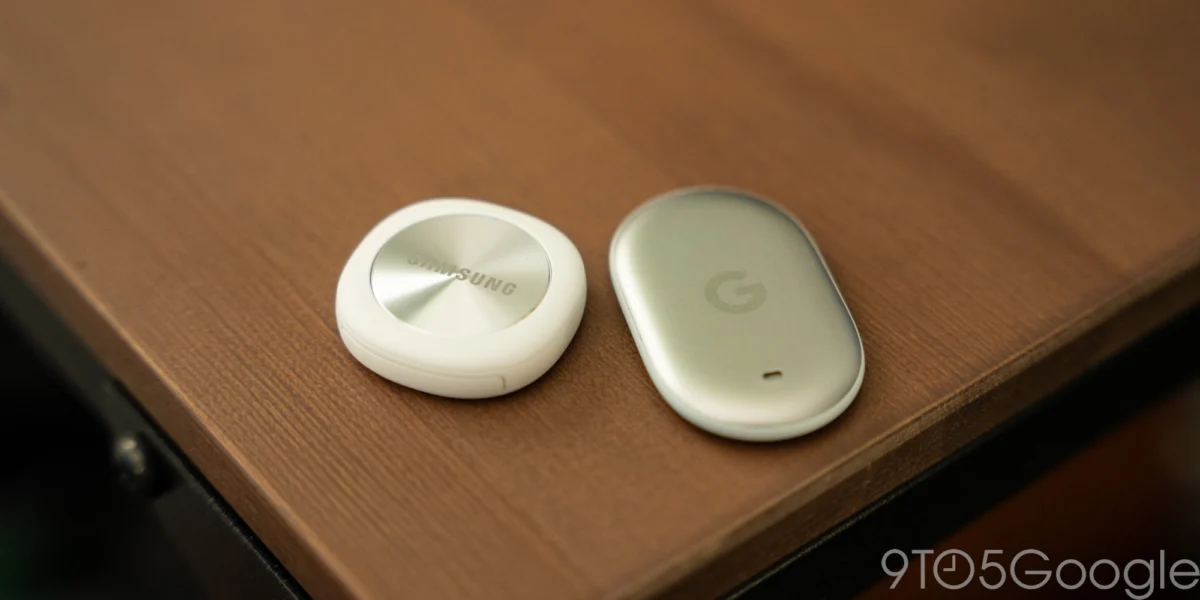
Barely seven days after its official retail debut, the Samsung Galaxy SmartTag 3 has already seen its first significant price reductions. While the device maintains an MSRP of $29.99 through official Samsung channels, secondary retailers—most notably Woot—have introduced aggressive discounting strategies that bring the cost of a single unit down to $23.99, with bulk purchases driving the per-unit price as low as $20. This rapid pricing adjustment highlights a volatile market for Bluetooth tracking devices, as Samsung attempts to fortify its ecosystem presence against the encroaching popularity of Google’s recently released Pixel Tag.
The arrival of the SmartTag 3 comes at a pivotal moment for the industry. For years, Bluetooth trackers have been divided into distinct camps: the Apple AirTag ecosystem, the Samsung SmartThings network, and the broader, more fragmented Android ecosystem. With Google’s introduction of the Pixel Tag and the Find My Device (FMD) network, the landscape has shifted, forcing manufacturers to differentiate their products not just on hardware, but on the reliability and reach of their respective location-tracking networks.
Chronology of the SmartTag Evolution
The trajectory of Samsung’s tracking technology has been marked by iterative refinement. The original Galaxy SmartTag, launched in early 2021, established the basic framework for proximity-based location tracking. It was succeeded by the Galaxy SmartTag 2 in October 2023, which introduced a redesigned chassis, improved UWB (Ultra-Wideband) capabilities, and a more robust battery life.
The Galaxy SmartTag 3, which officially reached consumers in early November 2026, represents the third major hardware iteration. Throughout the development cycle, Samsung has prioritized two specific areas: design ergonomics and user security. The SmartTag 3 features a significantly smaller footprint than its predecessor, a strategic choice aimed at making the device more versatile for use on keys, luggage, and pet collars. However, this redesign removed the integrated mounting loop found on the SmartTag 2, a decision that has garnered mixed reviews from power users who value attachment convenience.
Despite these design shifts, the technical upgrades are substantial. The SmartTag 3 boasts enhanced battery longevity, a refined NFC interface that allows for the seamless sharing of contact information when a lost device is scanned, and—notably—limited cross-platform support that allows iPhone users to interact with certain security features, though the core functionality remains tethered to the Samsung Galaxy ecosystem.
Comparative Network Performance: Samsung vs. Google
A primary point of contention in the current market is the discrepancy between the Google Find My Device network and the established Samsung SmartThings Find network. While Google’s network is technically designed to support a vast array of Android devices, user reports and community data analysis from platforms like Reddit have frequently highlighted performance gaps.

The Google Find My Device network, which relies on the collective signal strength of millions of Android smartphones, has struggled with consistency in dense urban environments and remote areas. Conversely, the Samsung SmartThings network has had several years to mature. Because Samsung has integrated its tracking capabilities deeply into the firmware of nearly every Galaxy smartphone sold over the last five years, the "density" of the network—the number of devices capable of reporting a tag’s location—often proves superior in real-world scenarios.
This performance delta is a significant factor for consumers. While the Google Pixel Tag is marketed as a universal solution for Android users, the inherent reliability of the Samsung network remains a compelling argument for maintaining brand loyalty within the Galaxy ecosystem. Samsung’s ability to leverage its massive install base of hardware continues to provide a "crowdsourced" location accuracy that, for many users, currently outpaces the nascent Google FMD network.
Pricing Strategy and Market Implications
The immediate discounting of the SmartTag 3 suggests a high-stakes competitive environment. By offering a four-pack of trackers for $79.99—essentially $20 per unit—Samsung is positioning its hardware as a high-value alternative to the Pixel Tag. When a consumer evaluates the cost of entry, the difference between a $30 tracker and a $20 tracker becomes a decisive factor, particularly for households that require multiple units for various assets.
Market analysts observe that these discounts are not necessarily a sign of poor performance, but rather a standard retail strategy employed by third-party platforms like Woot to capture market share during the post-launch window. By undercutting the MSRP, retailers create a "value proposition" that encourages consumers to choose Samsung hardware over Google’s, even if those consumers were previously considering a switch to the Pixel ecosystem.
Furthermore, the simultaneous discounting of the Galaxy SmartTag 2 at retailers like Amazon indicates that Samsung is attempting to clear older inventory while simultaneously promoting the new hardware. This creates a tiered pricing structure: the SmartTag 2 serves as the budget-friendly entry point, while the SmartTag 3 is marketed as the premium, feature-rich upgrade.
Official Stance and User Experience
Samsung has maintained that the SmartTag 3 is designed to provide "peace of mind through precision." The inclusion of the NFC-based contact sharing feature is a direct response to privacy and recovery concerns. In previous generations, if a lost tag was found, the finder had no way of knowing who the owner was without specialized equipment. The new NFC implementation allows anyone with a smartphone—including iPhone users—to tap the tag and receive pre-programmed contact details provided by the owner.
From an institutional perspective, Samsung’s focus remains on the "walled garden" approach. By keeping the most advanced features exclusive to the Galaxy ecosystem, the company incentivizes users to stay within their product lineup. This stands in contrast to Google, which is attempting to build an open standard that invites third-party hardware manufacturers to join the Find My Device network.

Broader Industry Impact
The competition between these two tech giants has broader implications for the IoT (Internet of Things) market. As Bluetooth trackers become a commodity, the focus shifts toward "network density." The more devices a company has in the wild, the better its tracking service becomes. This creates a "network effect" that benefits the user, but it also increases the barrier to entry for smaller, independent tracking companies.
For the average consumer, the current state of affairs is advantageous. The competition has driven down prices, forced manufacturers to innovate in terms of design and battery life, and accelerated the adoption of privacy-focused features like unauthorized tracker detection. Both Google and Samsung have implemented safeguards to prevent the abuse of these devices, such as alerting users if an unknown tracker is moving with them, a feature that has become the industry standard following global public outcry over privacy risks.
Looking forward, the success of the SmartTag 3 will likely be measured by how effectively it maintains its connection to the SmartThings network while integrating with broader smart home ecosystems. As Samsung continues to expand its "SmartThings Find" capabilities to include items beyond Bluetooth trackers—such as earbuds, tablets, and even third-party compatible devices—the value of owning a Galaxy-branded tracker may extend beyond simply finding lost keys.
Analytical Summary
The rapid price drop of the Galaxy SmartTag 3 should be viewed as a tactical maneuver rather than a reflection of hardware quality. It signals a shift in retail strategy where bulk bundles and early-cycle discounts are utilized to cement brand loyalty before Google’s FMD network can fully stabilize. For consumers, the choice remains clear: if the priority is network reliability and deep integration with existing Samsung hardware, the SmartTag 3—especially at the $20-per-unit price point—presents a formidable value proposition. If the priority is a vendor-neutral, future-proof network that aims to serve the entire Android ecosystem, the Pixel Tag remains the logical choice.
Ultimately, the consumer benefits from this rivalry. The pressure on both companies to deliver superior tracking accuracy, better battery performance, and robust privacy protections ensures that the technology will continue to evolve rapidly. As we move into the next fiscal quarter, the industry will be watching to see if Google responds with its own pricing adjustments or if it chooses to double down on the software advantages of its unified Find My Device network. For now, the Galaxy SmartTag 3 stands as a refined, albeit iterative, piece of hardware that has become significantly more accessible to the average consumer within just seven days of its release.