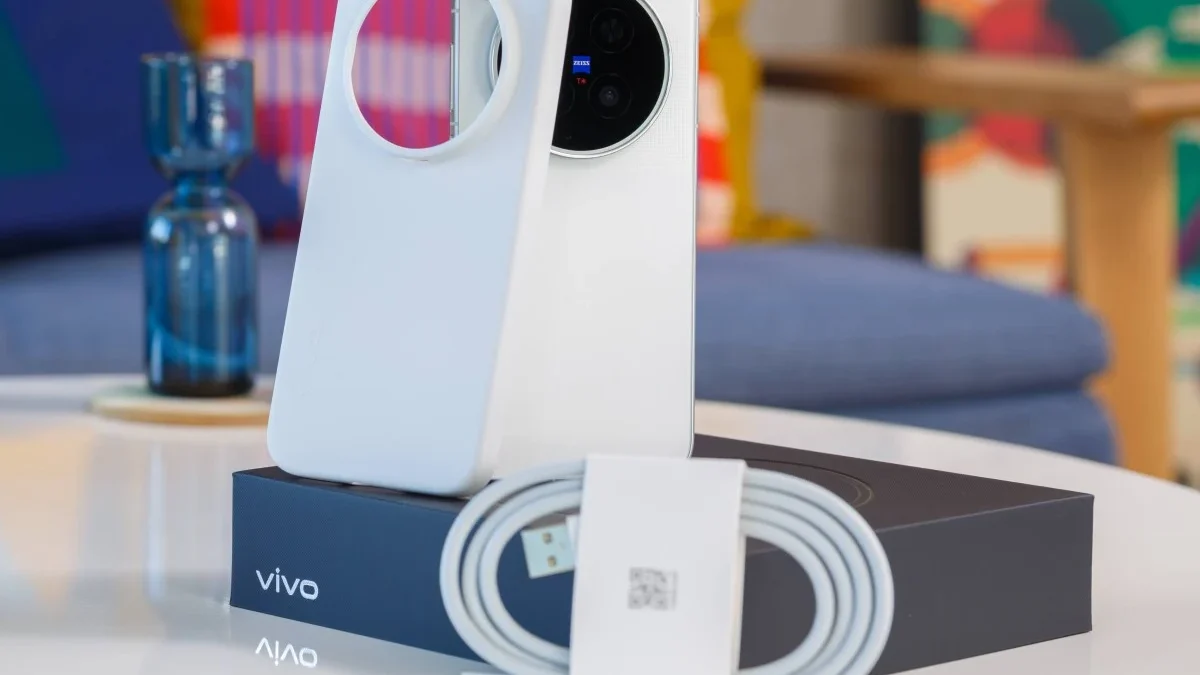
The mobile industry is currently witnessing a significant tactical realignment as Vivo officially shifts the identity of its X-series flagship line. With the debut of the X500 Pro, the company has explicitly moved away from the design philosophy that defined the previous X300 Pro. By positioning the new device as a compact flagship, Vivo is directly challenging the market dominance of devices like the Apple iPhone 18 Pro, while relegating the role of the ultra-premium, photography-centric handset to the X500 Pro Max. This strategic pivot reflects a broader industry trend where manufacturers are segmenting their top-tier offerings to cater to users who demand high performance without the cumbersome dimensions of "Ultra" or "Max" sized devices.
A Chronology of the X-Series Evolution
To understand the significance of the X500 Pro, one must look at the trajectory of Vivo’s recent hardware cycles. Historically, the X-series served as a unified flagship platform. However, starting in late 2024 and accelerating into the 2026 product cycle, the company began evaluating the necessity of distinct hardware tiers. The X300 Pro acted as a versatile, jack-of-all-trades device that attempted to balance size, camera performance, and battery life.
The transition to the X500 series represents a maturation of this strategy. By splitting the flagship into a "Pro" model and a "Pro Max" model, Vivo is essentially creating two distinct user personas. The Pro Max is now the dedicated vessel for experimental, high-end sensor arrays—such as its 200MP telephoto capabilities—while the X500 Pro is designed for the high-volume, performance-oriented segment that favors ergonomics and handling. This shift allows the brand to optimize its supply chain and marketing efforts, ensuring that the Pro model competes squarely in the sub-6.5-inch category, which has seen a resurgence in consumer demand.
Design Philosophy and Hardware Specifications
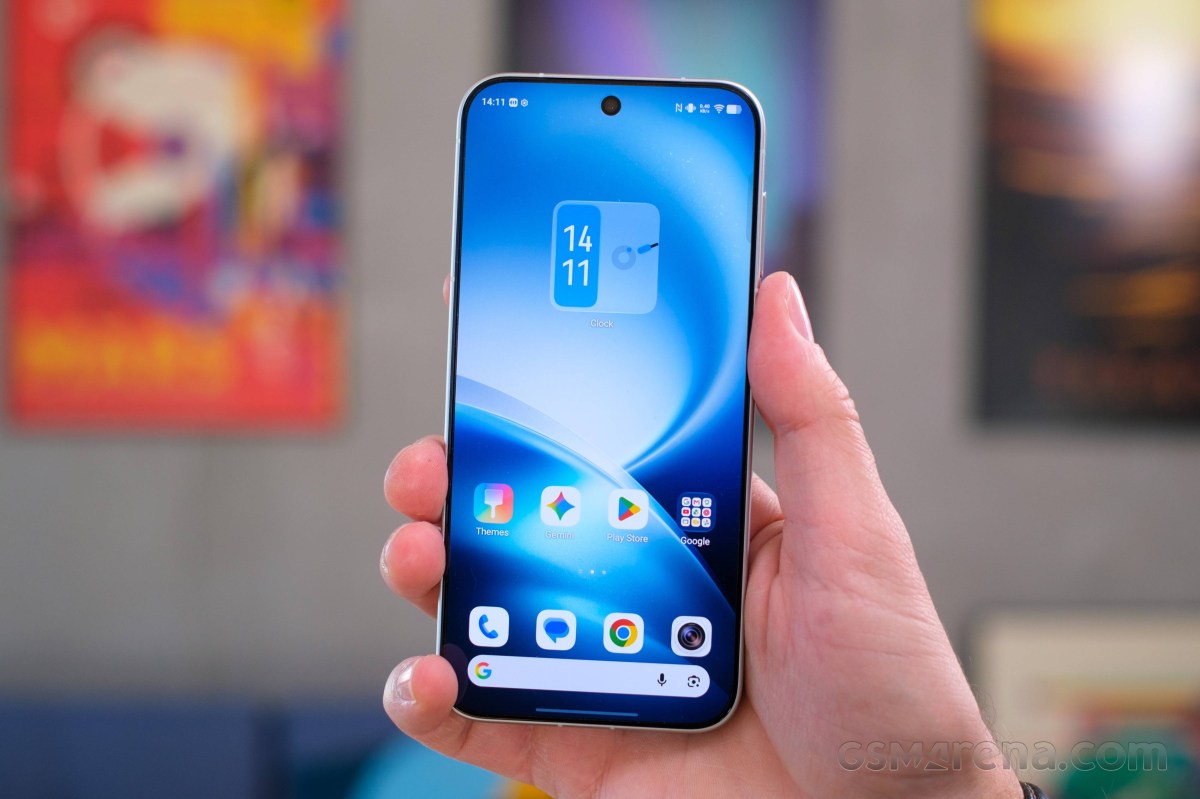
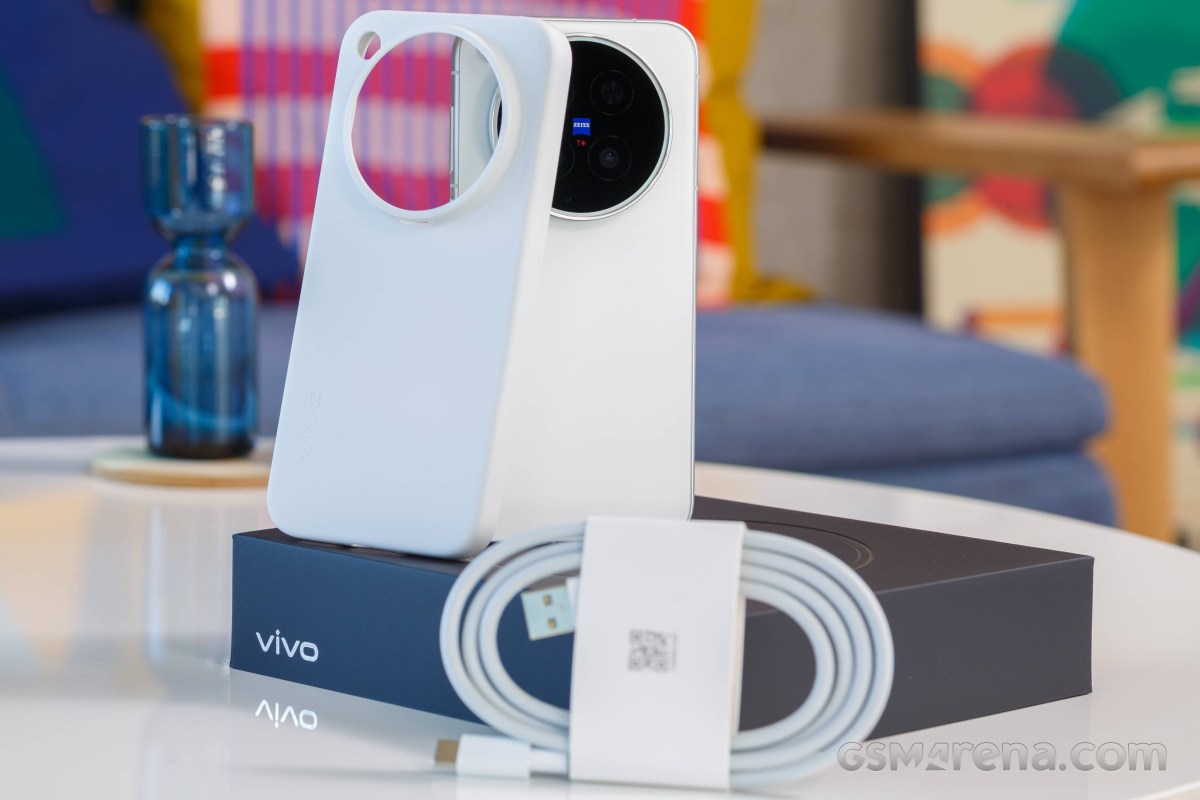
The Vivo X500 Pro is built around a 6.36-inch display, a diagonal size that has become the gold standard for compact flagships. The device avoids the trend of ultra-narrow or unusually tall aspect ratios, opting instead for a conventional display geometry that prioritizes ease of use and content compatibility. Despite its compact footprint—measuring 151.8 x 71.9 x 8.1 mm—the device maintains a significant presence. Weighing between 192 and 197 grams depending on the rear material finish, the phone avoids the "hollow" feel often associated with lighter materials, providing a dense, premium tactile experience.
At the heart of the device is the MediaTek Dimensity 9600 Pro, a 2nm chipset that represents the current ceiling of mobile silicon performance. The decision to integrate this chip into a smaller chassis presents a notable engineering challenge regarding thermal dissipation. Maintaining peak performance without aggressive thermal throttling is the primary metric by which this device will be judged by power users. Early indicators suggest that Vivo has invested heavily in vapor chamber cooling technology to manage the heat generated by the Dimensity 9600 Pro, a necessary inclusion given the tighter internal volume.

Battery Technology and Regional Disparities
Perhaps the most ambitious aspect of the X500 Pro is the inclusion of a 6,510mAh silicon-carbon battery. Silicon-carbon technology allows for higher energy density compared to traditional lithium-ion cells, enabling a capacity that would have been physically impossible to achieve in a 151mm chassis just two years ago.
However, this implementation comes with a caveat. While the majority of global markets will receive the full-capacity 6,510mAh battery, specific regulatory environments in Germany and Austria have necessitated a hardware revision, resulting in a lower capacity for those regions. This regional fragmentation is a persistent frustration for international tech enthusiasts and highlights the complex regulatory hurdles that global manufacturers face when introducing new battery chemistries into the European Union.
In terms of power management, the device supports high-speed charging. While the retail package—in keeping with modern industry environmental standards—does not include a charging brick, the company has implemented a promotional strategy where select European online storefronts include a 90W charger at no additional cost. Utilizing this charger, combined with the proprietary cable included in the box, is essential for users to tap into the device’s full charging velocity.
The Camera Strategy: Shared DNA, Distinct Goals
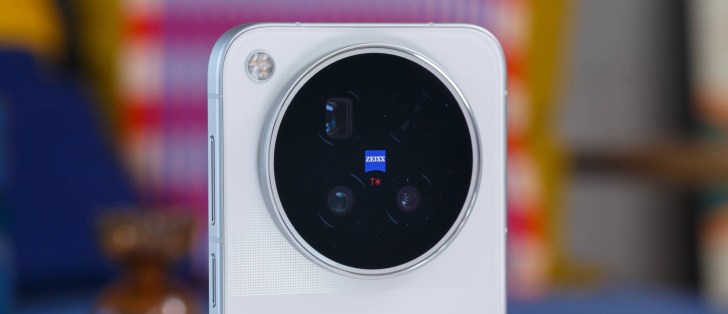
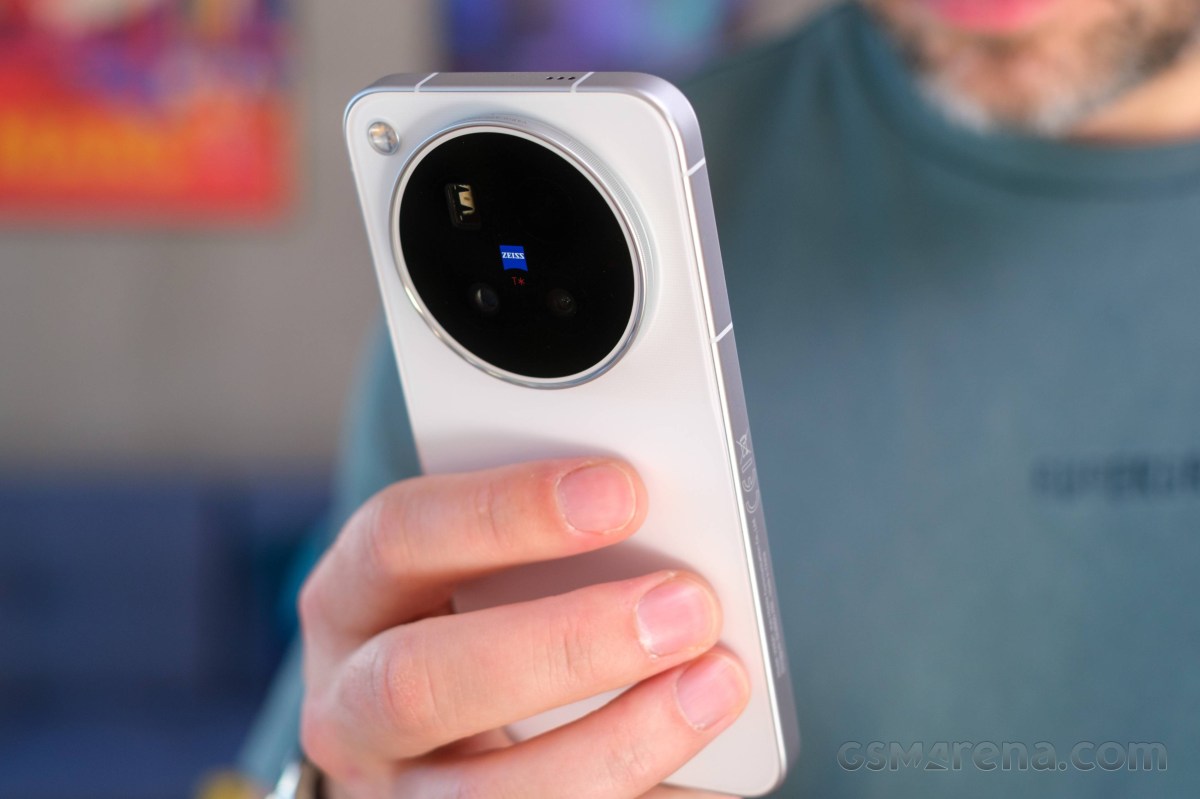
The camera system on the X500 Pro highlights the strategic split between the standard and "Max" variants. Both devices utilize the 50MP LYT-910 LOFIC sensor as their primary shooter. The LYT-910, known for its high dynamic range and superior performance in challenging lighting conditions, serves as the anchor for both models.
Where the divergence occurs is in the telephoto hardware. The Pro Max features a 200MP telephoto sensor, a clear indication that it is intended for long-range photography and high-resolution cropping. In contrast, the X500 Pro opts for a 64MP telephoto unit. While this is less "ambitious" in terms of raw pixel count, it is a highly capable system that maintains parity with the Pro Max in video recording features and computational processing. This implies that Vivo is targeting the X500 Pro at users who prioritize the main camera for everyday photography while maintaining a "good enough" approach to zoom, rather than chasing the extreme optical reach found in the more expensive sibling.
Market Implications and Competitive Analysis
The entry price of €1,399 for the 256GB/12GB model places the X500 Pro firmly in the premium category. At this price point, the device is competing against mature, established ecosystems. The implication of this pricing strategy is that Vivo is no longer attempting to undercut competitors on cost; rather, they are attempting to match them on value and innovation.
The shift toward a more "compact" flagship is a direct response to the saturation of the "Ultra" market. As devices have grown larger and heavier over the last five years, a segment of the user base has voiced dissatisfaction with the ergonomics of modern smartphones. By delivering flagship-tier silicon and a high-end camera system in a more manageable form factor, Vivo is attempting to capture the "prosumer" who finds devices like the Galaxy S24 Ultra or the X500 Pro Max to be too unwieldy for one-handed operation.
Furthermore, the integration of an ultrasonic under-display fingerprint reader, stereo speakers, and wireless charging underscores that the X500 Pro is not a "lite" version of a flagship. It is a full-featured, high-performance device that makes trade-offs only where absolutely necessary to maintain its physical dimensions.
Final Technical Assessment
The success of the X500 Pro will ultimately hinge on software optimization and thermal management. A 2nm chipset, while efficient, demands precise coordination with the operating system to prevent background processes from triggering heat spikes. If the device can sustain the advertised performance levels during intensive tasks—such as 4K video editing or high-frame-rate gaming—it will likely be viewed as one of the most successful hardware designs in Vivo’s recent history.
The company has clearly learned from the mixed reception of the X300 Pro, which struggled to define its identity between the mid-range and the ultra-premium tiers. By adopting a clear, dual-track flagship strategy, Vivo has provided a path forward that clarifies the roles of its devices. For the consumer, this simplifies the purchasing decision: if the goal is maximum optical reach and the largest possible screen, the Pro Max is the target. If the goal is a premium, powerful, and ergonomic daily driver, the X500 Pro is the logical choice.
As global rollout continues, the impact of the regional battery capacity limitations will be the next major narrative to watch. Should consumer feedback in Germany and Austria reflect disappointment, it may force Vivo to rethink how it manages regional hardware variations in the future. For now, the X500 Pro stands as a testament to the fact that the "compact" flagship is not a dying breed, but rather a vital component of a sophisticated and diverse product portfolio. The device represents a mature, calculated step forward for Vivo, positioning it as a formidable contender in the top tier of the global smartphone market.