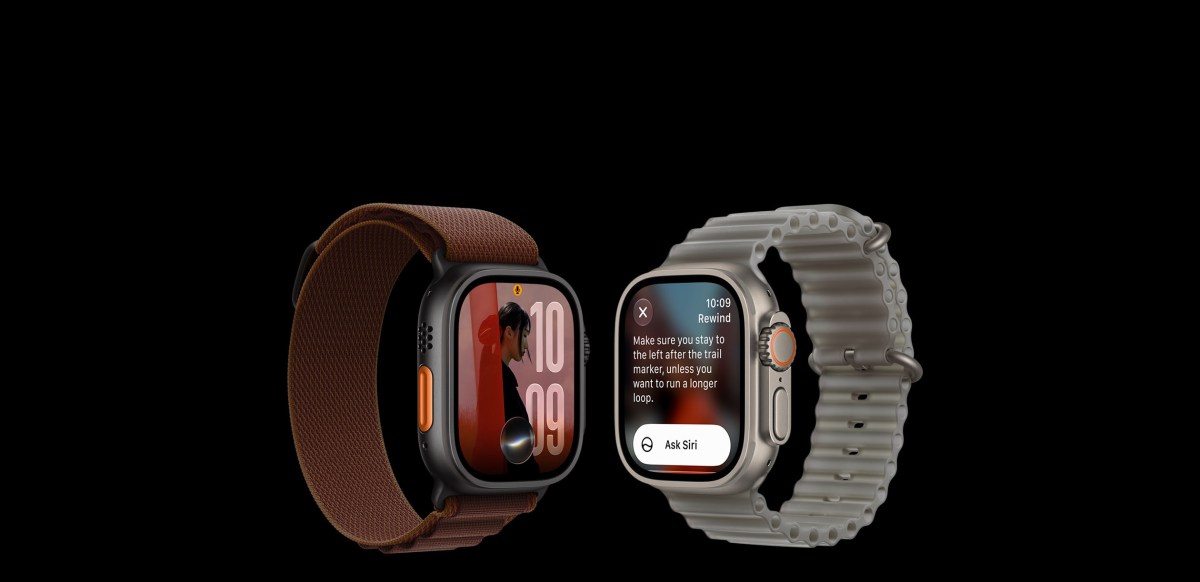
Apple has officially unveiled its latest generation of wearable technology, marking a significant transition in its product lineup with the introduction of the Apple Watch Series 12 and the Apple Watch Ultra 4. These devices represent a calculated evolution in health-centric computing, powered by the new S11 chipset and a suite of advanced biometric sensors designed to push the boundaries of consumer-grade health tracking. As Apple faces increasing competition from specialized fitness trackers and integrated health ecosystems, the launch of these two models signals a firm commitment to maintaining its position as a leader in the global smartwatch market.
Chronology of Development and Design Philosophy
The trajectory of the Apple Watch has remained remarkably consistent since its debut in 2015. Each iteration has focused on refining the balance between a personal communication tool and a sophisticated health monitor. The Series 12 continues this trend, offering 42mm and 46mm case sizes that cater to a broad range of user preferences. The inclusion of the S11 chip across both the Series 12 and the Ultra 4 suggests a unified architectural strategy, ensuring that processing power—essential for the increasingly complex health algorithms—is consistent across the premium and standard tiers.
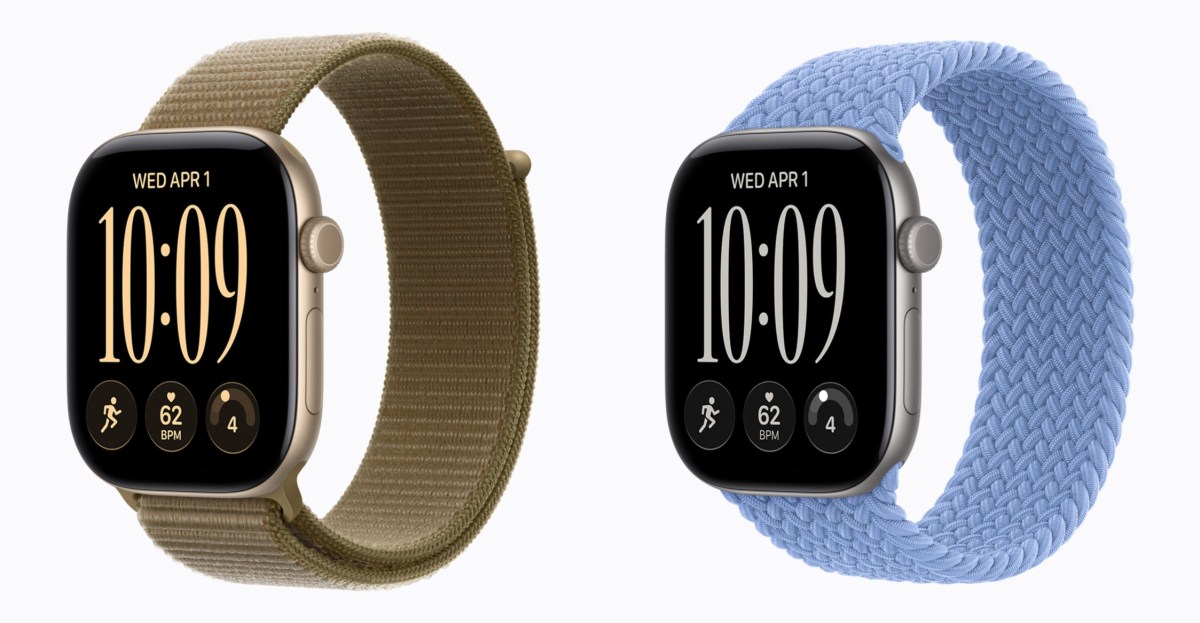
The design language of the Series 12 has seen a notable expansion in material options. By reintroducing ceramic models in Pearl White and Night Blue, Apple is signaling a return to premium aesthetic choices that were largely absent from the core lineup for several years. Furthermore, the commitment to sustainability is evident, with all aluminum models constructed from 100% recycled materials and the titanium cases being 3D printed from recycled alloys. The introduction of Ceramic Shield 2 glass on aluminum models, touted as 60% tougher than the previous Ion-X glass, addresses long-standing consumer feedback regarding the durability of the entry-level models.
Advanced Biometrics and the New Health Paradigm
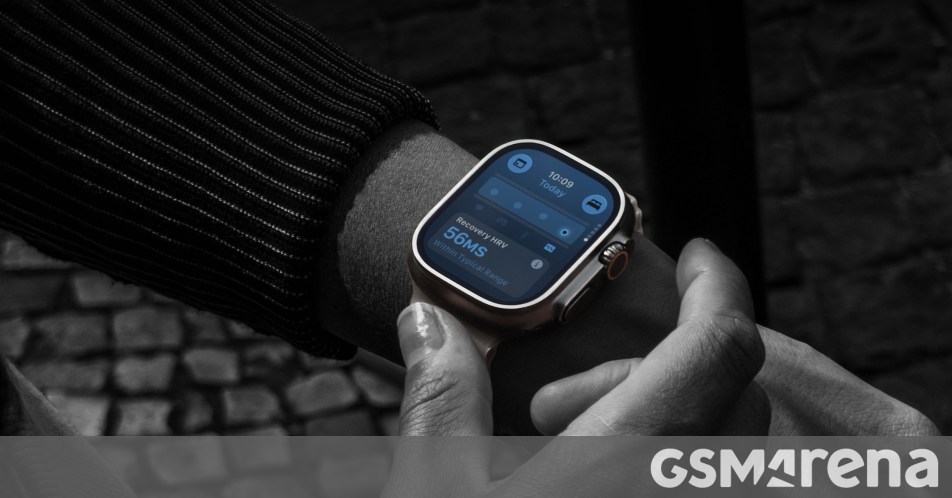
Central to the appeal of the new lineup is the upgraded Health Sensing System. Apple claims its new wearables offer the most accurate heart rate sensing available in a consumer wearable today. This assertion is supported by a comprehensive internal study involving over 1,000 participants, which benchmarked the new sensor array against existing industry leaders. By increasing the frequency of heart rate measurement to once every five seconds and amplifying the sampling rate of heart rate variability (HRV) by a factor of 24, Apple is providing users with a high-fidelity data stream that was previously only available in medical or professional sports-science environments.
The introduction of the "Readiness" score, a metric ranging from 0 to 10, serves as a bridge between raw data and actionable advice. This score provides users with a standardized measure of how their body is recovering, effectively informing them whether they should push through an intense training session or opt for active recovery. This mirrors the functionality seen in specialized sports watches like those from Garmin or Oura, demonstrating Apple’s intent to capture the demographic of serious amateur athletes.
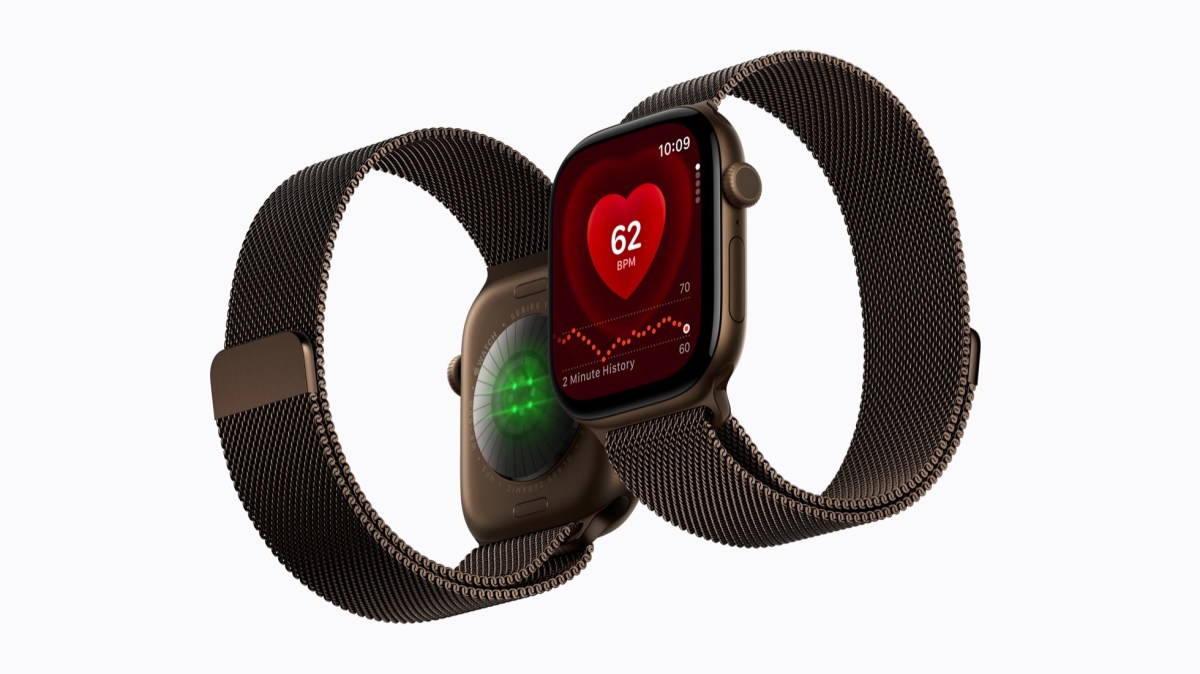
Furthermore, the new "Health Age" metric, integrated into the redesigned Health app, represents a shift toward predictive rather than merely reactive health monitoring. By synthesizing VO2 max, resting heart rate, HRV, and sleep quality, the device calculates a biological age. While the feature is debuting on the new hardware, Apple has confirmed that it will be rolled out to older compatible models later this year, initially starting in the United States. This move is significant; it positions the Apple Watch not just as a piece of hardware, but as the cornerstone of a long-term wellness strategy.
Audio Intelligence and Human-Machine Interaction
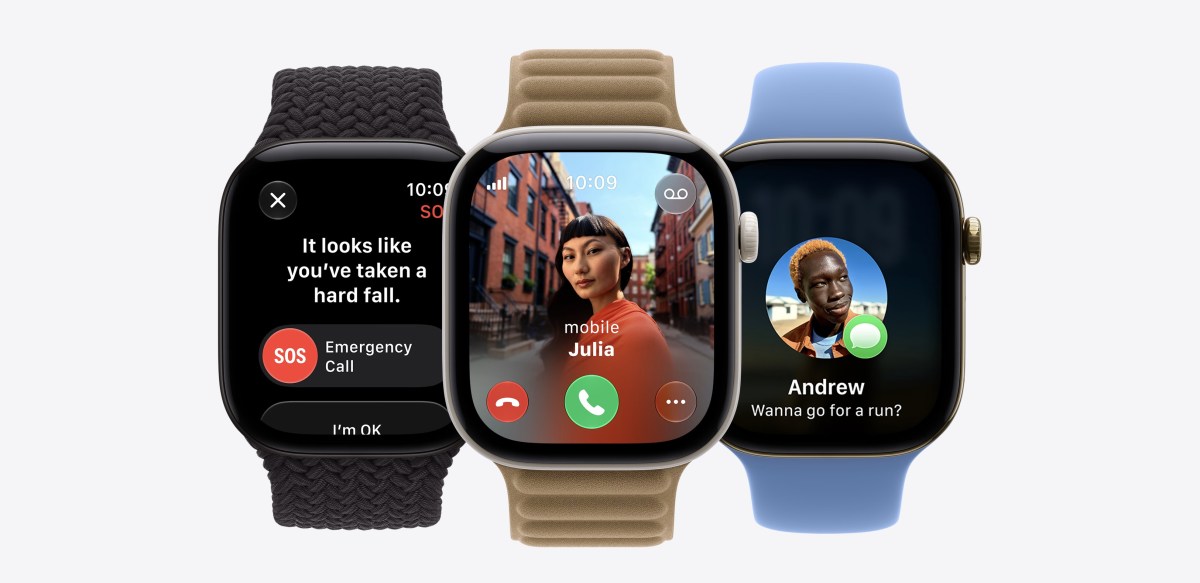
Beyond physical health, the Series 12 and Ultra 4 introduce "Audio Intelligence," a suite of features powered by the onboard microphone and the S11 processor. This technology is designed to assist users with hearing impairments by identifying and alerting them to critical environmental sounds. Perhaps more broadly applicable is the new Siri recap function, which automatically generates titles and key points from conversations. Combined with Shazam integration that identifies background music, these features represent a move toward "ambient computing," where the watch proactively interprets the user’s environment to provide context and assistance.
Battery Performance: The Ultra 4 Advantage
Battery life has historically been the primary friction point for the Apple Watch. The Ultra 4 addresses this with a notable improvement, offering up to 50 hours of normal use—an 8-hour increase over the Ultra 3. When utilizing the specialized Low Power Mode, this extends to 84 hours. For users engaged in multi-day expeditions or extreme endurance activities, this 19% improvement is a critical hardware milestone.
The Series 12, while maintaining the standard 24-hour baseline for normal use, has seen a 25% increase in outdoor workout battery life, now rated at up to 10 hours. This optimization is a direct result of the power efficiency gains afforded by the S11 chip, allowing the device to maintain high-frequency sensor activity without compromising the daily charging cycle that has become standard for the Series lineup.
Industry Implications and Market Positioning
The launch of the Series 12 and Ultra 4 arrives at a time when the wearable market is becoming increasingly crowded. Competitors are rapidly iterating on blood oxygen monitoring, glucose estimation, and advanced recovery tracking. By focusing on "Longevity" as a pillar of its brand, Apple is attempting to shift the narrative from "tracking fitness" to "managing biological aging."
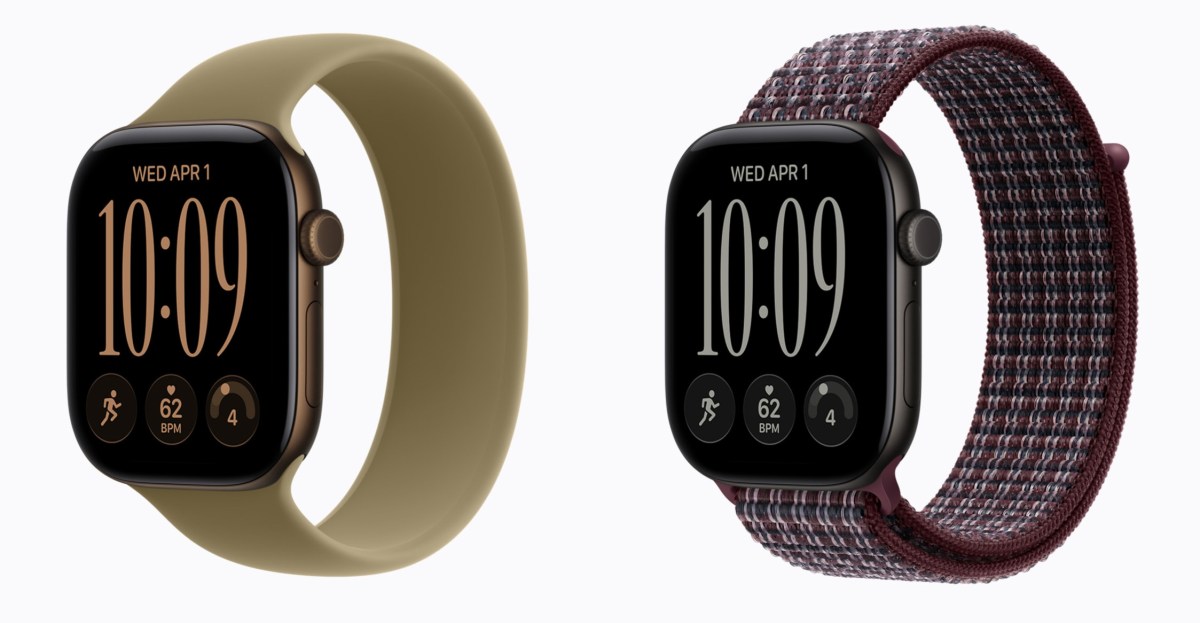
From a market perspective, the starting price points—$399 for the Series 12 and $799 for the Ultra 4—maintain the established pricing hierarchy. By offering a wide array of finishes, including the new Dark Bronze, Black, and Light Gold aluminum, alongside the classic titanium options, Apple is ensuring that the watch remains both a functional tool and a fashion accessory.
The reliance on the S11 chip is a strategic move to future-proof the ecosystem. As machine learning models on the device become more sophisticated, the increased overhead provided by the new silicon will be necessary to run the Health Age and Audio Intelligence features without causing latency issues. Analysts suggest that this hardware cycle is less about a single "killer feature" and more about the integration of existing metrics into a cohesive health narrative that keeps the user engaged with the Apple ecosystem for years.
Conclusion and Availability
The Apple Watch Series 12 and the Apple Watch Ultra 4 are positioned as sophisticated upgrades that prioritize health accuracy, battery efficiency, and smart environmental awareness. With pre-orders commencing immediately and a general market release set for September 18, Apple is prepared to test whether its focus on "Health Age" and deep data analysis will resonate with a consumer base that is increasingly conscious of long-term wellness.
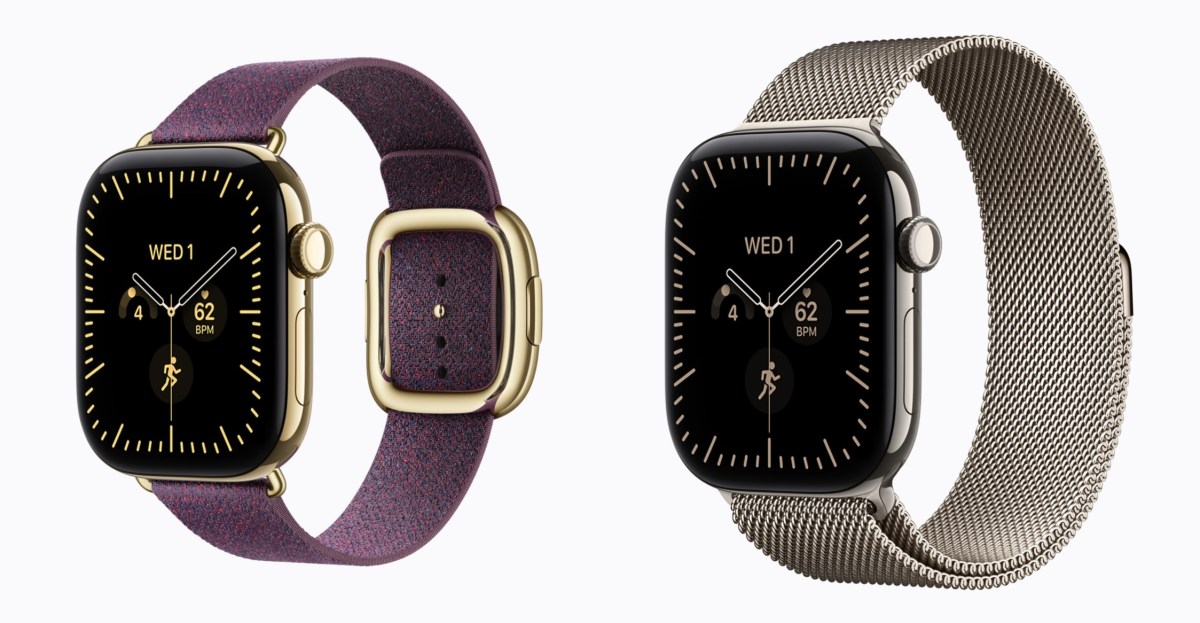
The transition to recycled titanium and the return of ceramic cases highlight a dual-pronged strategy: addressing environmental concerns while appealing to the luxury market. As these devices enter the hands of consumers, the real-world validation of the heart rate sensing accuracy and the utility of the Readiness score will be the ultimate determinants of the success of this generation. For now, Apple remains firmly committed to the philosophy that the most useful computer is the one that stays in contact with the user’s skin, continuously measuring the pulse of their daily life.