While the 2026 smartphone market has already seen the release of several flagship devices, the final quarter of the year remains a critical period for manufacturers seeking to capture end-of-year consumer spending. With the mobile landscape shifting toward foldable form factors, a resurgence of interest in physical keyboards, and the integration of next-generation silicon, the upcoming product launches represent a significant technological transition. This report outlines the confirmed release schedule and technical specifications for eight of the most anticipated mobile devices arriving before the end of the year and into early 2027.
The Foldable Frontier: Apple’s Strategic Shift
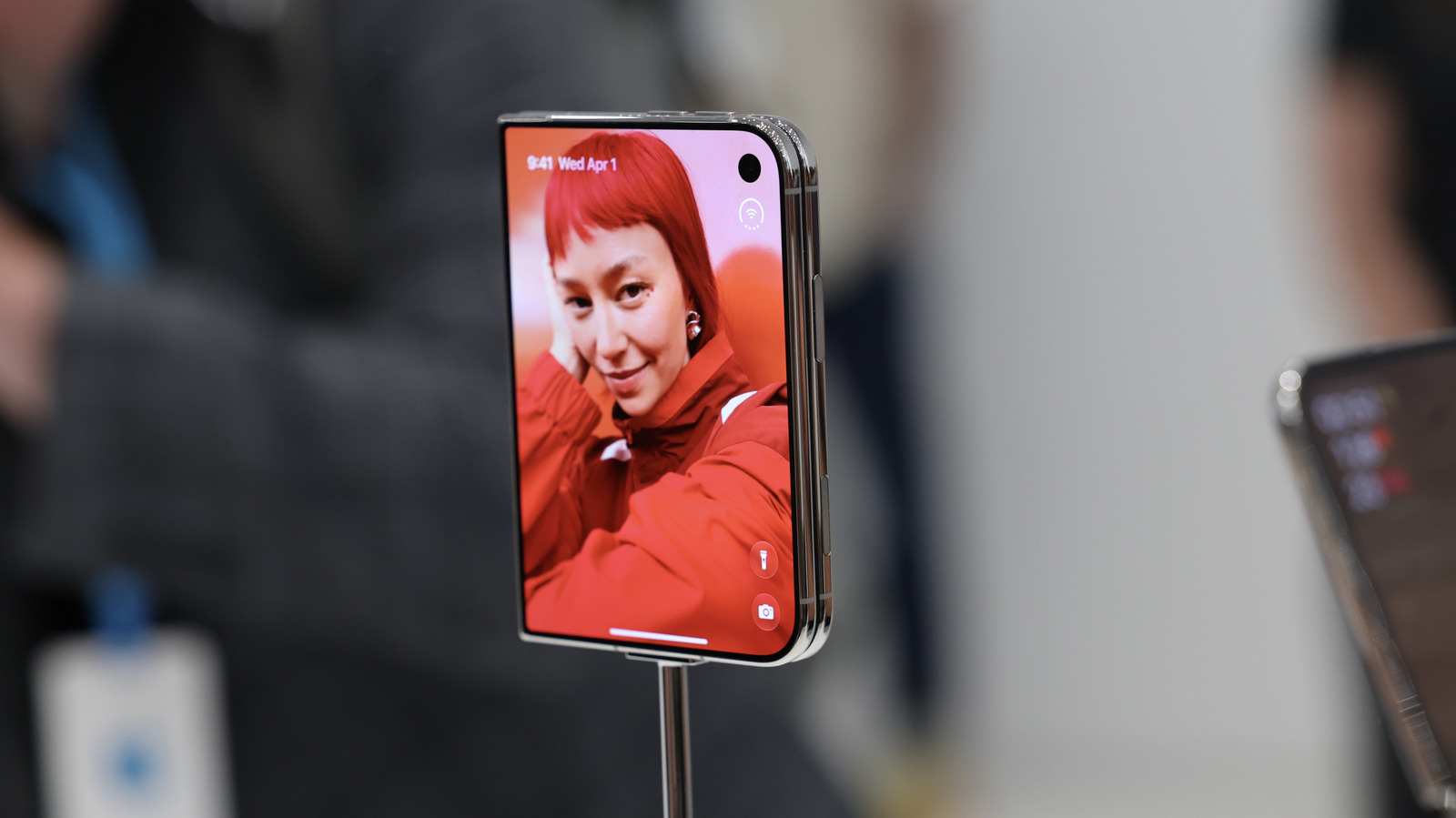
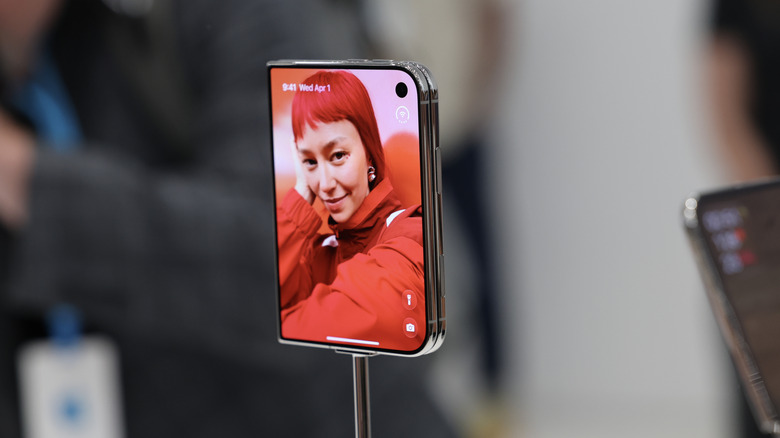
The most consequential arrival in the current landscape is the Apple iPhone Duo. Following years of internal development and intense market speculation, Apple officially unveiled its first foldable handset during its September keynote. Positioned as a direct competitor to the high-end foldable market, the iPhone Duo marks a departure from Apple’s traditionally conservative approach to hardware form factors.
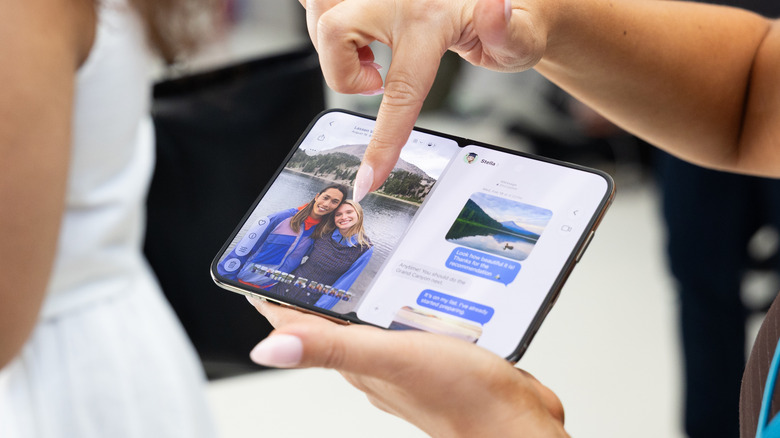
The device features a 5.4-inch external display that expands into a 7.6-inch internal canvas, utilizing a complex hinge mechanism composed of over 100 individual components. Despite the mechanical complexity, Apple has confirmed that the device maintains its signature water resistance ratings. Under the hood, the Duo is powered by the A20 Pro chip, aligning its processing power with the iPhone 18 Pro series. However, it distinguishes itself with a 48MP dual-camera system. Apple’s decision to launch the device at a $1,999 starting price for the 256GB base model signals a clear intent to target the ultra-premium segment, effectively positioning the phone as a luxury productivity tool rather than a mass-market upgrade. Preorders are slated for October 16, with retail availability beginning October 23, 2026.
Next-Generation Performance: The Snapdragon 8 Elite Surge
The latter half of 2026 is defined by the integration of Qualcomm’s Snapdragon 8 Elite Extreme Gen 6 processor. Motorola is among the first to capitalize on this architecture with its upcoming Signature 27 smartphone. While Motorola has yet to finalize a specific retail price or regional carrier support, the company has confirmed a global rollout scheduled for completion by the end of the year.
The Signature 27 is positioned as a hardware-first flagship, featuring an advanced cooling system designed to manage the thermal output of the high-performance chipset. Furthermore, the device introduces a strategic partnership with Bang & Olufsen to provide high-fidelity audio, a feature intended to differentiate the handset in a saturated market. The camera system features a 200MP telephoto lens, a significant upgrade from its predecessor’s 50MP sensor. With a commitment to seven years of operating system updates and the integration of native AI-driven media generation tools, Motorola is attempting to pivot toward a longevity-focused business model.
The Resurgence of the QWERTY Keyboard
A distinct trend emerging in Q4 2026 is the return of the physical keyboard, a response to a niche but vocal demographic of users who prioritize tactile feedback and "digital minimalism."
The Clicks Communicator, which gained significant traction during its CES 2026 announcement, is finally moving into the shipping phase this December. Originally conceptualized as an accessory-style device, the Communicator has evolved into a fully realized Android 17 smartphone. Key specifications include 12GB of RAM, 256GB of expandable storage, and a 4,350mAh battery. The device’s physical keyboard serves a dual purpose: it allows for traditional input while functioning as a touch-sensitive trackpad for navigation. At $650, the device targets professionals and enthusiasts who remain nostalgic for the BlackBerry era.
Concurrent with this trend is the Unihertz Titan 2 Elite, which offers a similar QWERTY experience at a lower entry price of $490. While it lacks some of the premium features found in the Clicks Communicator—such as wireless charging—it remains a competitive option for the professional sector, supported by security updates extending through 2031. For those prioritizing a stripped-back software experience, the Minimal Phone 2 also enters the market this December, further cementing the "distraction-free" phone movement as a viable sub-segment of the mobile industry.
Looking Toward 2027: The iPhone 18 Roadmap
While most devices in this analysis are slated for immediate release, the Apple iPhone 18 warrants mention due to its impact on Apple’s revised production schedule. Industry reports suggest that Apple is decoupling its base-model releases from the Pro and Duo series to optimize its supply chain. Consequently, the iPhone 18 is not expected until the first quarter of 2027.
Based on current technical projections, the iPhone 18 will likely feature the A20 processor and an upgraded 9GB of RAM to accommodate the increasing resource demands of Apple’s latest software features. Financial analysts anticipate a price increase for the base model, citing the rising cost of raw materials and advanced components, such as the rumored C2 network chip. This strategic delay allows the iPhone 17 to maintain its position in the market for a longer duration, a departure from the company’s standard annual cycle.
Global Flagship Contenders: Xiaomi and OnePlus
While Xiaomi does not maintain an official retail presence in the United States, its 18 Pro and Pro Max models are significant indicators of global technological trends. Currently on sale in China and heading for international markets, these devices utilize the Snapdragon 8 Elite Gen 6 chips. The Pro Max, in particular, has garnered attention for its massive 8,500mAh battery—a capacity rarely seen in mainstream flagships—and a dual 200MP camera array.
Similarly, the OnePlus 16 is scheduled for a Chinese release on October 12. Despite the company’s diminished presence in the North American market, the device remains a benchmark for high-performance hardware, featuring a 185Hz display and UFS 5.0 storage speeds. These devices highlight a growing trend among non-U.S. manufacturers to prioritize high-frequency display technologies and aggressive power management systems to distinguish their offerings in the highly competitive Asian and European markets.
The Oppo Find X10 Series: International Expansion
Oppo has finalized the release of its Find X10, Find X10 Pro Max, and the budget-conscious Find X10 E. By opening early-bird deposit channels in Europe and the United Kingdom, Oppo is signaling an aggressive expansion into Western markets outside of the U.S.
The Find X10 series is characterized by its reliance on MediaTek’s Dimensity 9600 Pro chipset, a deliberate alternative to the Qualcomm-dominant flagship market. With an 8,000mAh battery across the series and an 80W wired charging capability, the devices are engineered for rapid power turnover. The Pro Max variant, with its triple-200MP sensor array, represents the current zenith of smartphone photography hardware.
Market Implications and Analysis
The release schedule for the final quarter of 2026 and early 2027 underscores a fragmented but specialized industry. Manufacturers are no longer relying solely on iterative processor upgrades. Instead, they are diversifying into specific use cases: foldable displays for productivity, physical keyboards for professional precision, and massive battery capacities for power users.
The move by Apple to introduce the iPhone Duo is perhaps the most significant structural change in the market, as it validates the foldable form factor for the mainstream consumer base. Simultaneously, the success of the Clicks and Unihertz handsets indicates that a significant portion of the consumer market is experiencing "touchscreen fatigue," leading to a demand for tactile hardware.
From an economic perspective, the trend toward higher pricing—evidenced by the $1,999 iPhone Duo and the expected price hikes for the iPhone 18 and OnePlus 16—reflects the escalating costs of R&D and component manufacturing. As silicon becomes more advanced and battery technology reaches new density milestones, the premium smartphone segment is becoming increasingly decoupled from the mid-range market. For consumers, the upcoming months offer a rare window of choice, where the "one-size-fits-all" smartphone paradigm is finally being replaced by a diverse array of specialized, highly capable devices.