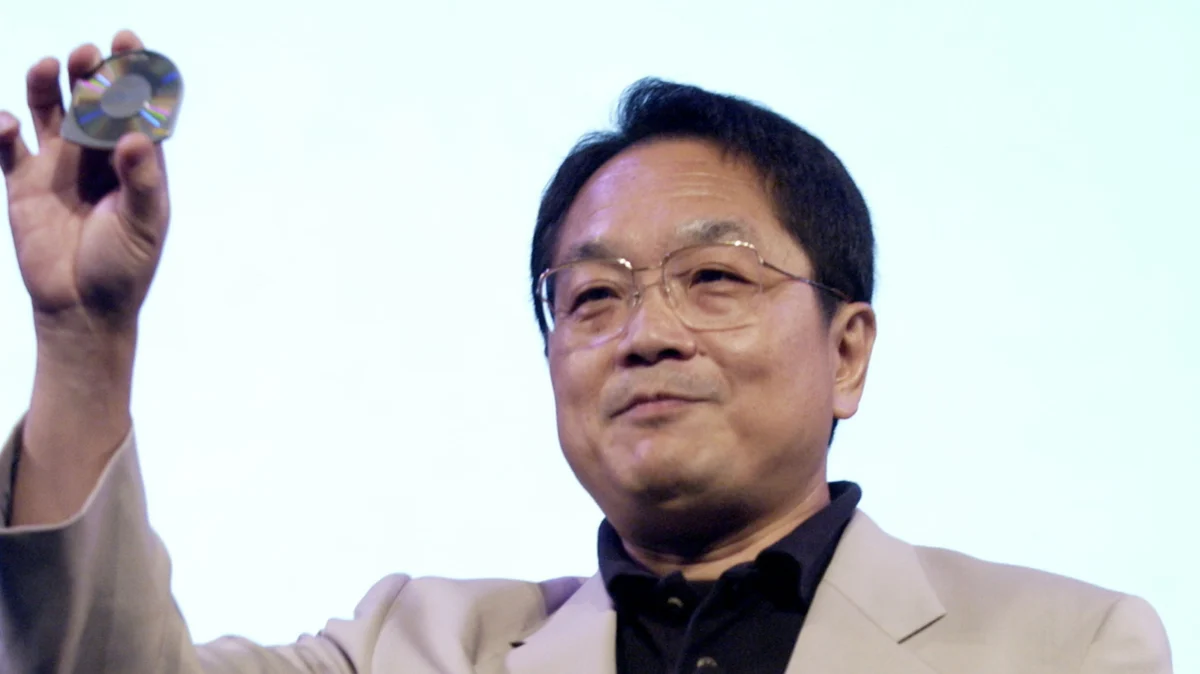
The landscape of video game distribution is undergoing a fundamental transformation that marks the end of an era for physical media. Sony’s recent announcement confirming the cessation of physical disc production for new PlayStation titles, effective January 2028, has reignited a fierce debate within the gaming community regarding ownership, preservation, and the evolution of consumer habits. Amidst this transition, Ken Kutaragi, the visionary often referred to as the "Father of the PlayStation," has offered a perspective that challenges the traditionalist sentiment held by many long-time gamers.
Kutaragi, who spearheaded the development of the original PlayStation, the PlayStation 2, and the PlayStation 3, suggests that the outcry over the death of the physical disc is rooted less in technological necessity and more in a "mentality issue." According to Kutaragi, the industry’s pivot toward digital-first distribution is an inevitable economic progression, one that mirrors the shift already solidified in the smartphone and streaming media sectors.
The Economic Realities of Modern Gaming
The transition away from physical media is not an arbitrary decision made by corporate executives; it is a response to overwhelming market data. While passionate segments of the gaming community continue to champion physical media for its perceived stability and resale value, the financial reality paints a starkly different picture.
According to industry figures from 2025, the total consumer spending on video games in the United States reached approximately $52.4 billion. Of that staggering total, physical media accounted for a mere $1.5 billion—representing just 2.86% of the market. This decline has been accelerating for over a decade. The convenience of high-speed internet, the rise of subscription services like PlayStation Plus, and the prevalence of digital storefronts have effectively rendered the logistics of manufacturing, shipping, and retailing plastic discs an inefficient model for major publishers.
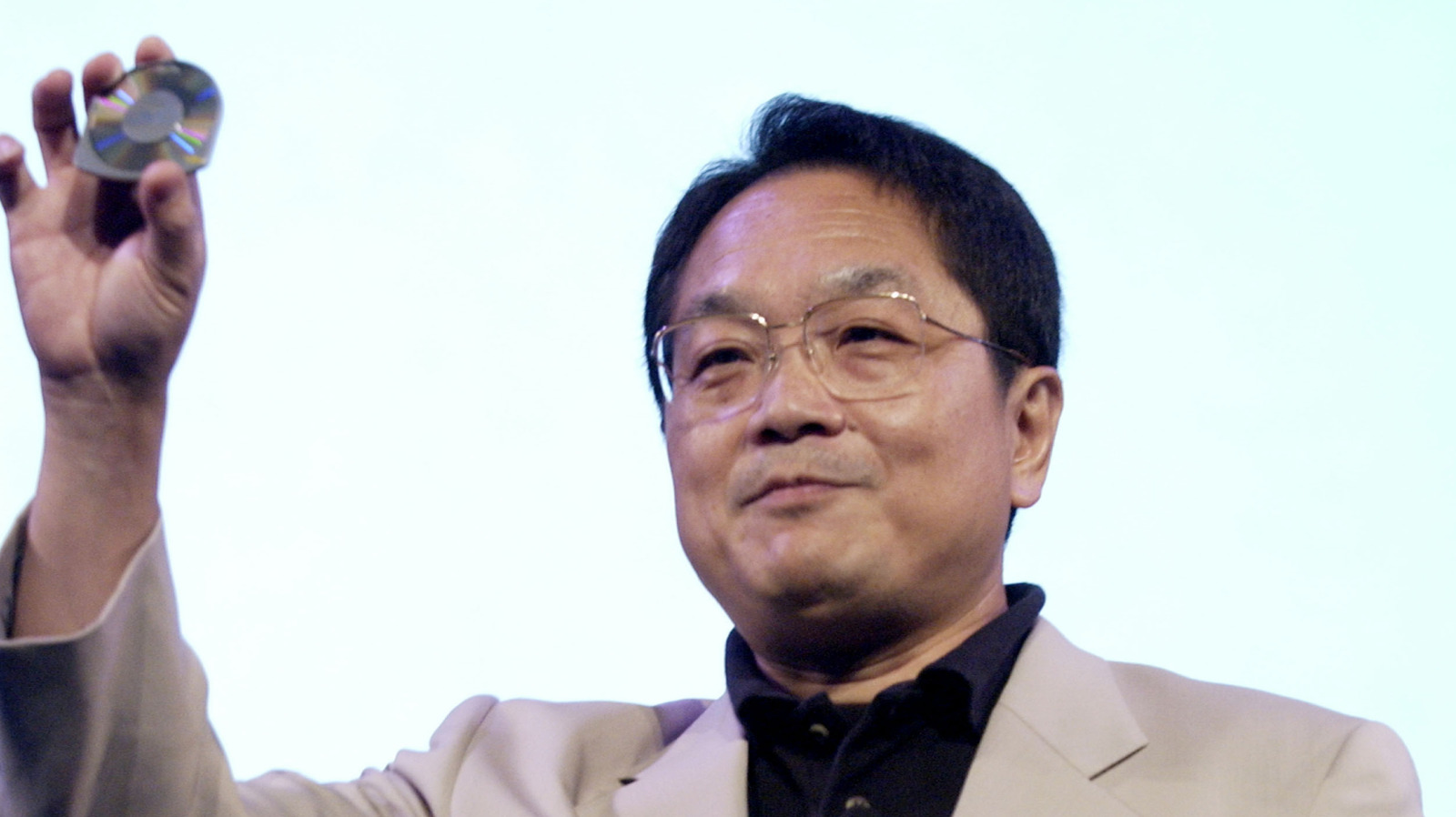
Kutaragi notes that the digital pivot is supported by the nature of modern connectivity. In the era of the PlayStation 2, network infrastructure was insufficient to support the seamless downloading of massive game files. Today, however, the digital ecosystem is the baseline. Kutaragi draws a direct comparison to the smartphone industry, noting that users rarely express concern over "owning" a physical copy of an application or a mobile game. The expectation of persistent digital access has become the standard for the average consumer, and Sony’s current leadership appears to be aligning its long-term strategy with this modern behavior.
A Chronology of the Digital Shift
The journey toward a disc-less future has been gradual, punctuated by several key strategic shifts from major platform holders:
- 2006–2010: The rise of digital distribution platforms like Steam and the PlayStation Store begins to supplement, rather than replace, physical retail.
- 2013: The launch of the PlayStation 4 and Xbox One emphasizes day-one digital downloads, though physical discs remain the primary way to install games due to limited internet bandwidth for many users.
- 2020: The release of the PlayStation 5 Digital Edition signals Sony’s intent to cater to a segment of the audience that has already abandoned physical media.
- 2026: In July, Sony officially announces that the production of physical discs for new PlayStation games will cease in January 2028.
- 2028 (Scheduled): The implementation of the digital-only policy for new releases takes effect, marking a definitive end to the physical disc era for Sony’s hardware ecosystem.
It is important to note that this policy is prospective. Sony has clarified that it will not affect the accessibility or functionality of games released on disc prior to the 2028 deadline. However, the announcement has created a sense of urgency and unease among collectors and preservationists who worry about the long-term status of digital libraries should servers go offline.
The Cultural Divide: Ownership vs. Access
The tension between Kutaragi’s perspective and the gaming public is a philosophical one. For the consumer, a physical disc serves as a tangible manifestation of ownership—a "metaphor," as Kutaragi acknowledges. The ability to lend, trade, or resell a game is a fundamental aspect of the gaming experience for millions. When a game is purely digital, that agency is transferred to the platform holder, who retains the right to revoke access or remove content from their servers at any time.
Kutaragi’s view represents a macro-level understanding of corporate strategy. He observes that modern Sony executives, many of whom possess backgrounds in streaming media and software-as-a-service (SaaS) industries, view the PlayStation platform less as a hardware device and more as a content delivery service. In this light, the console is merely the terminal for a subscription-based experience.

However, the "mentality issue" described by Kutaragi also touches upon the disconnect between the platform provider and the legacy fan base. While the general consumer base may have migrated to digital, the most loyal "power users"—those who invest in collector’s editions and physical media—view the digital-only transition as an erosion of their consumer rights.
Implications for the Future of Preservation
The industry-wide move toward digital-only content creates significant hurdles for the long-term preservation of video games. Physical discs, despite the necessity of "day one" patches, provide a base level of software that can be stored and archived offline. Digital distribution, conversely, relies entirely on the longevity of the publisher’s servers.
As the industry moves into this new phase, several implications are already becoming clear:
- Market Consolidation: With the removal of the physical secondary market (used game sales), publishers will gain greater control over pricing and revenue, as they will be the sole source of software distribution.
- Infrastructure Reliance: The transition places a massive premium on global internet infrastructure. Regions with poor broadband access risk being left behind, potentially shrinking the total addressable market for next-generation consoles.
- Digital Rights Management (DRM): The reliance on digital-only formats necessitates stricter DRM, further complicating the ability for consumers to play their games in an offline or "offline-first" capacity.
- The Rise of Preservationists: As the official paths for ownership disappear, the role of independent groups and emulation communities will likely expand to ensure that games do not vanish into the digital ether once official support ends.
Conclusion: A New Era for PlayStation
Ken Kutaragi’s comments, while potentially jarring to the traditional enthusiast, reflect the candid reality of a business model that has fundamentally changed. As a pioneer of the medium, Kutaragi understands the emotional weight of the physical disc, yet he remains an architect of systems—a man who helped build the very infrastructure that has now superseded his own invention.
Whether the transition to a digital-only future will be viewed as a brilliant move for efficiency or a strategic error that alienates a core demographic remains to be seen. What is clear is that the "mentality" of the gaming public is being tested by the relentless momentum of the digital age. As 2028 approaches, the PlayStation ecosystem will undergo its most significant transformation since the launch of the original console in 1994, moving from a platform of physical ownership to a platform of service and access. For the average consumer, the shift may be seamless; for the preservationist and the collector, it represents a permanent change to the way gaming history is recorded and maintained.