In the rapidly evolving landscape of digital marketing, maintaining a consistent brand presence across multiple social channels is no longer a luxury but a fundamental necessity for businesses and individual creators. As the digital ecosystem expands to include platforms like Threads, Bluesky, and Mastodon, the demand for robust management software has surged. Two industry stalwarts, Buffer and Later, have emerged as primary solutions for users looking to streamline their publishing workflows, analyze performance metrics, and engage with their audiences. While both platforms provide essential scheduling capabilities, they diverge significantly in their pricing models, target demographics, and feature sets, making the choice between them a critical strategic decision for any marketing team.
The Evolution of Social Media Management
The history of social media management tools traces back to the early 2010s, a period marked by the transition of social platforms from purely social networks to vital business storefronts. Buffer was established in 2010 as a simple tool to queue posts for Twitter, while Later (originally founded as Latergramme in 2014) grew out of the specific need for visual planning on Instagram. Over the past decade, these platforms have evolved into comprehensive suites. Buffer has expanded its support to 11 major platforms, emphasizing cross-channel flexibility and affordability, while Later has refined its visual-first approach, centering its utility on the aesthetic and logistical requirements of visual-heavy platforms like Instagram, TikTok, and Pinterest.
Structural Differences in Pricing and Accessibility
One of the most profound distinctions between the two platforms lies in their fiscal structure. Buffer utilizes a granular, channel-based pricing model. Users can add or remove individual social accounts, ensuring that they pay only for the specific connections they utilize. This approach is highly favored by freelancers and solopreneurs, as paid plans begin at a competitive $6 per month per channel.
Conversely, Later employs a bundled model centered around "social sets." Each set comprises one account per platform. While this provides a cohesive environment for managing a brand across multiple networks, it introduces rigidity. If a user requires multiple accounts on a single platform—for instance, three separate LinkedIn pages—they are forced to purchase additional social sets, which can lead to a rapid increase in monthly overhead. Later’s entry-level paid tiers start at $25 per month, a significantly higher threshold for small-scale creators compared to Buffer’s modular entry point.
Comparative Feature Analysis and Workflow Integration
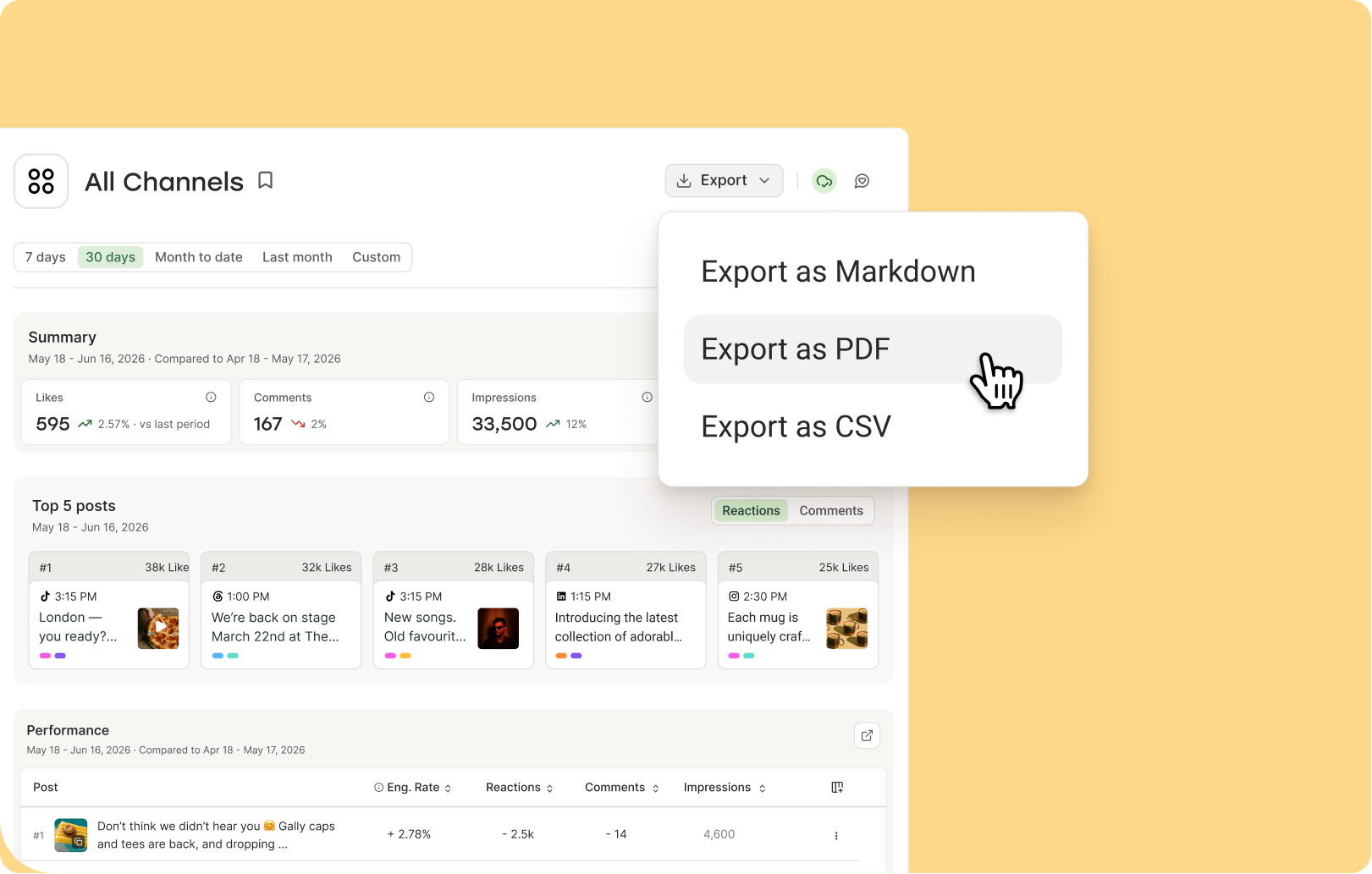
The utility of a social media management tool is ultimately defined by its workflow efficiency. Buffer distinguishes itself through its "Create Space," a centralized hub for brainstorming, and its generous inclusion of unlimited AI-assisted content generation on all plans. For teams managing large volumes of content, Buffer also provides the capability to bulk-schedule up to 100 posts using a CSV file.
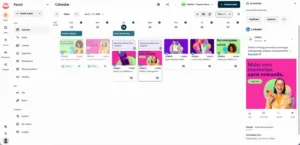
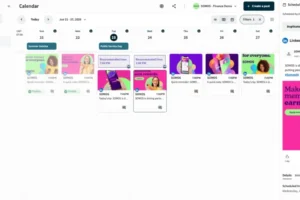
Later, by contrast, prioritizes the visual planning experience. Its drag-and-drop calendar interface is highly regarded for its ability to simulate how an Instagram grid will appear before a post is finalized. While Buffer also offers a grid preview, Later’s integration of media management—complete with shared libraries for teams—makes it a more specialized tool for visual storytellers and brands where aesthetic consistency is paramount.
Data-Driven Insights and Analytics
Analytics serve as the feedback loop for any social media strategy. Buffer’s "Insights" tool is integrated into all tiers, including its free plan, providing users with basic performance data. Its advanced reporting features, available on paid tiers, utilize AI to provide actionable "Takeaways," which simplify the process of interpreting complex metrics like engagement rates and follower growth.
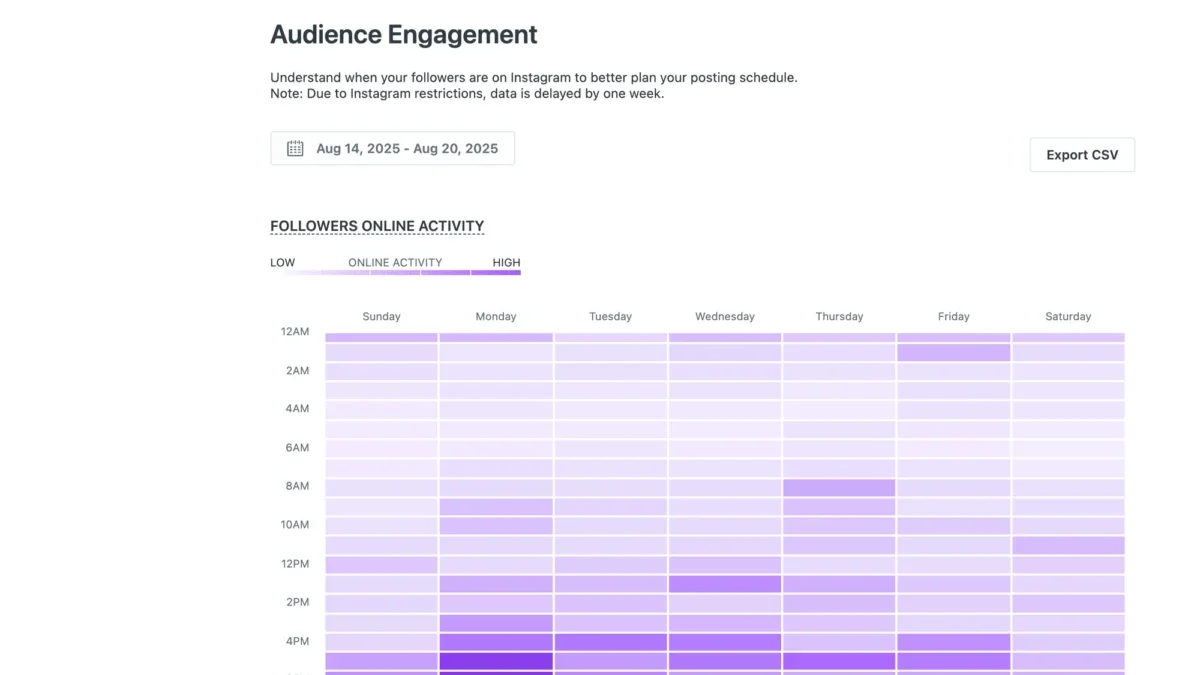
Later’s analytics suite is robust, particularly for Instagram, Facebook, and TikTok users. It offers granular data, including audience demographics and specific heatmaps showing when a brand’s followers are most active. However, these features are gated behind higher-tier plans. For organizations requiring a comprehensive, bird’s-eye view of performance across all channels, Buffer’s unified reporting tends to be more accessible, whereas Later offers deeper, platform-specific diagnostics for power users of visual networks.
Team Collaboration and Enterprise Utility
For agencies and growing marketing departments, the management of user permissions and internal workflows is vital. Buffer’s Team plan supports an unlimited number of users, which simplifies internal cost management as a team expands. Its permission structure is straightforward, allowing for specific access levels to different social accounts.
Later utilizes "Access Groups" to organize workflows. While this is effective for agencies managing disparate clients, it can be cumbersome due to the platform’s social set architecture. Later does, however, offer a distinct advantage for organizations deeply involved in influencer marketing. Its platform includes specialized tools to manage influencer relationships, track campaign results, and facilitate product seeding through Shopify integrations. These tools are separate from its core scheduling platform, reflecting a broader ecosystem strategy that differentiates Later from Buffer’s primary focus on organic growth and community engagement.
Engagement and Community Management
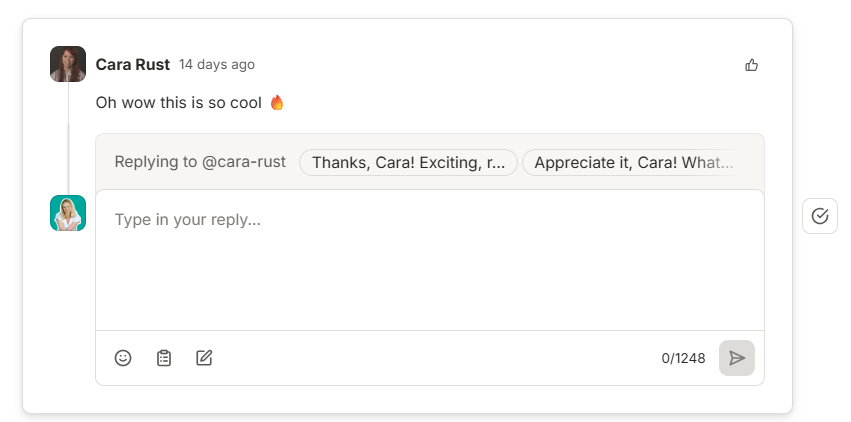
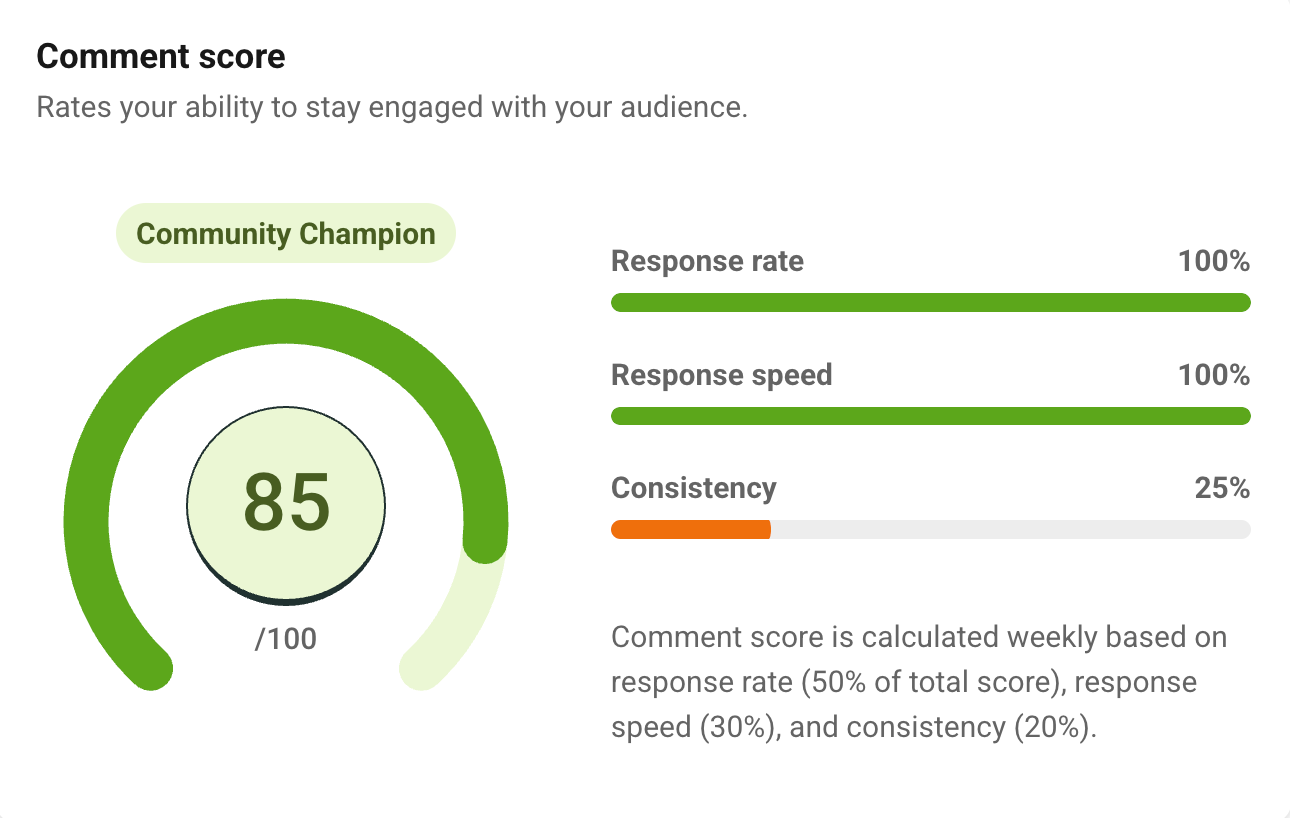
Building a digital community requires more than just scheduling; it requires active conversation. Buffer provides a "Community" inbox on all plans, allowing users to reply to comments, mentions, and direct messages from a single dashboard. Its inclusion of a "comment score" helps managers track the speed and consistency of their responses, a feature that provides significant accountability for customer support teams.
Later’s social inbox aggregates DMs and comments from Instagram, Facebook, and TikTok, but this feature is restricted to its higher-tier plans. For a solo creator or a small startup, the lack of an inbox on entry-level plans may necessitate manual check-ins on each native app, potentially nullifying the time-saving benefits of using a management tool.
Strategic Implications for Businesses
The decision to adopt Buffer or Later should be predicated on the specific goals of the organization.
Buffer is, by design, a horizontal tool. Its support for platforms like X (formerly Twitter), Bluesky, Mastodon, and Google Business Profile makes it the superior choice for brands that prioritize text-heavy communication, real-time news updates, and diverse channel presence. Its transparent, channel-based pricing and commitment to a functional free tier make it a low-risk investment for businesses navigating the early stages of their digital journey.
Later is a vertical tool. Its strength lies in its specialization. For businesses whose primary revenue driver is Instagram or TikTok, the platform’s visual planner, hashtag suggestions, and commerce-oriented link-in-bio features provide an integrated workflow that is difficult to replicate elsewhere. Its ability to connect with affiliate marketing platforms and its dedicated influencer marketing suite make it a powerhouse for retail brands and lifestyle influencers.
Final Assessment
As of the current market cycle, both Buffer and Later offer 14-day trials, allowing potential users to test their respective interfaces against their specific operational needs. The market trend suggests that while the barrier to entry for professional social media management has lowered, the complexity of managing an increasing number of platforms continues to rise.
Buffer remains the standard for organizations that value cost-efficiency, cross-platform breadth, and high-volume, text-and-image-based publishing. Its commitment to providing AI tools and basic analytics on free plans aligns with the needs of the modern creator economy. Conversely, Later continues to dominate the niche for visual-first brands, offering a sophisticated suite of tools for those whose primary business objective is the monetization of visual engagement.
Ultimately, the choice hinges on whether a brand prioritizes the breadth of their digital footprint or the depth of their visual storytelling. Both platforms provide the necessary scaffolding to build a consistent presence, but the path to growth will look different depending on which dashboard a marketing team chooses to call home.