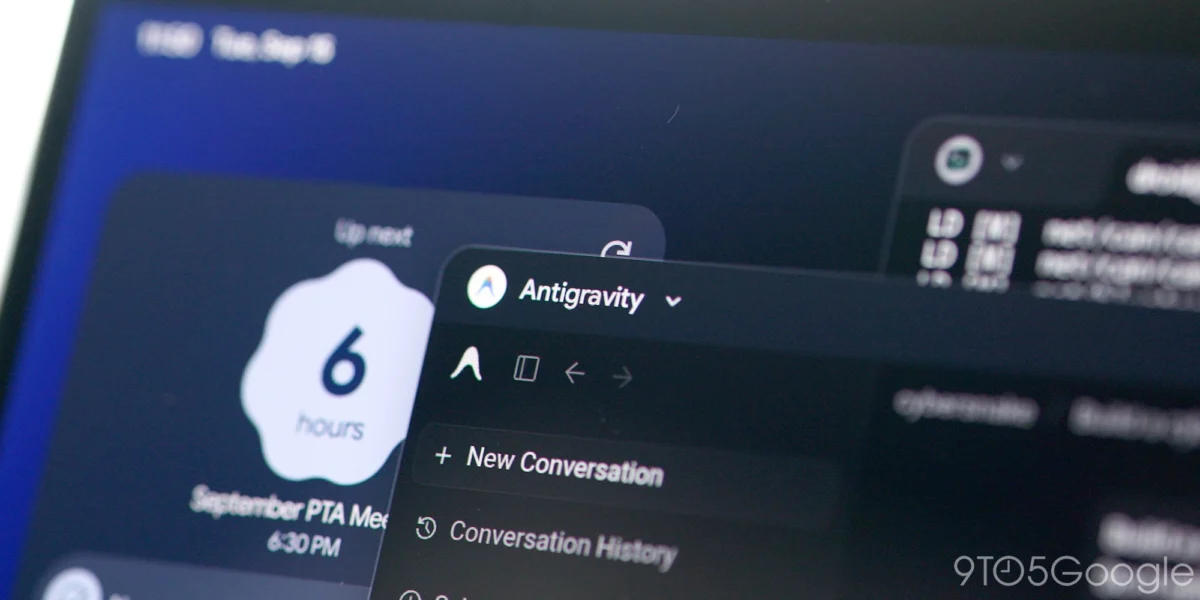
As the technology industry prepares for the highly anticipated retail debut of the Googlebook, Google has taken a significant step toward establishing the platform as a premier destination for software development. With the release of the Antigravity application on the Google Play Store, the company is bridging the gap between its powerful agentic development platform and its newest hardware ecosystem. This move marks the transition of Antigravity from a desktop-centric tool into a mobile-first environment designed to empower developers to create, test, and deploy software directly from their portable hardware.
The Evolution of Antigravity: From I/O 2026 to Mobile
Google’s Antigravity platform first captured the attention of the developer community during the I/O 2026 conference in May. Introduced as a "dedicated mission control" for AI-driven development, version 2.0 of the software redefined how engineers interact with autonomous agents. Unlike traditional integrated development environments (IDEs) that rely solely on manual input, Antigravity was built as an agent-first suite, allowing developers to steer, customize, and monitor agents that execute complex tasks in the background.
The platform was initially rolled out across macOS, Windows, and Linux environments, catering to established workflows. However, the release of the Android-native application—version 2026.09.23.988012583—signifies a shift in strategy. By providing a native interface that interacts directly with the Linux subsystem embedded within the Googlebook, Google is signaling that the Googlebook is not merely a consumption device, but a workstation intended for professional-grade coding.
Technical Architecture and Integration
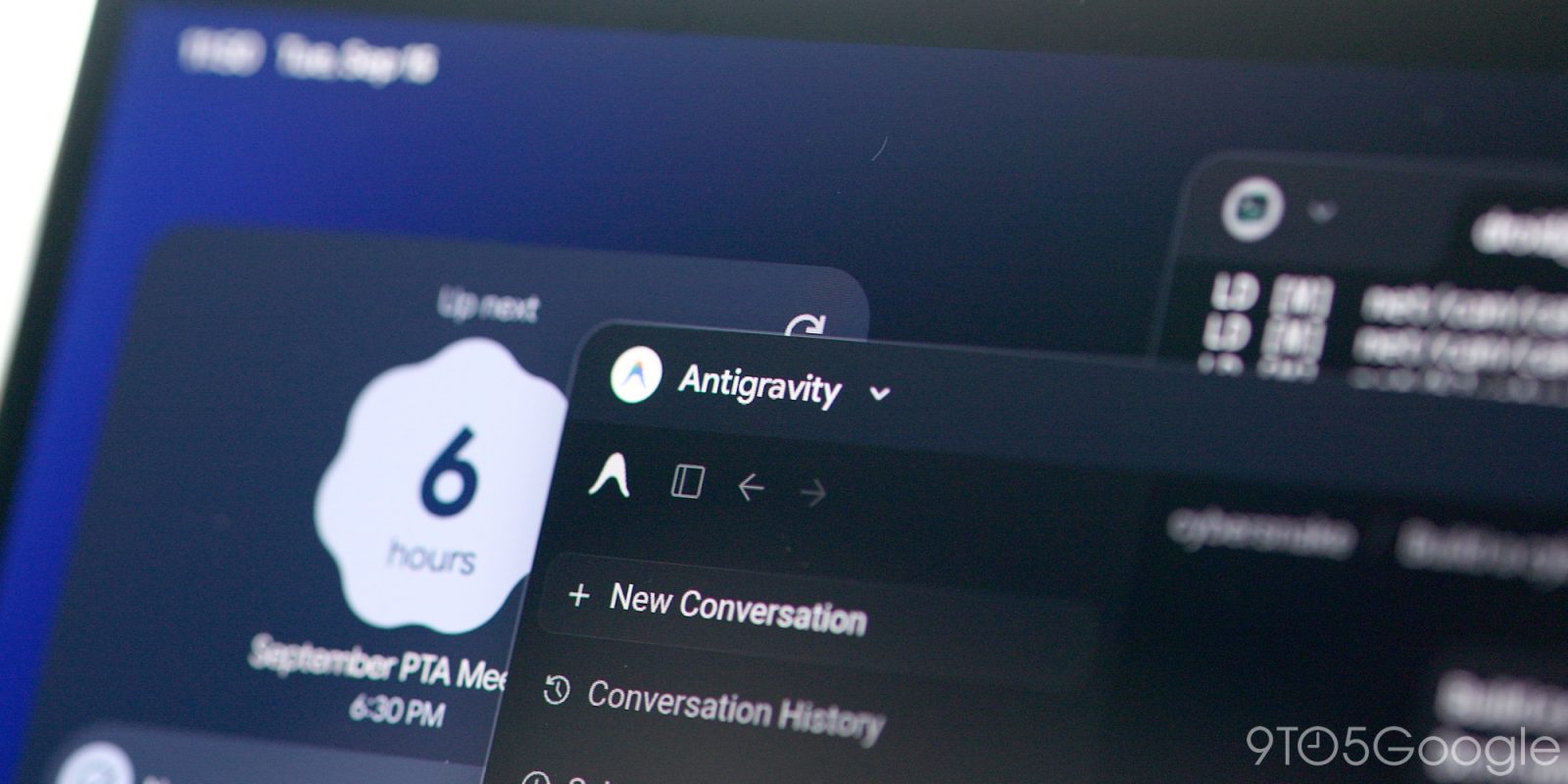
The new application, identified by the package name com.google.android.apps.antigravity, is meticulously engineered to interface with the unique Linux environment found on the Googlebook. This integration allows the application to bridge the gap between Android’s user-friendly interface and the robust, command-line-driven needs of software development.
The ability to deploy applications directly from a Googlebook is a cornerstone of the company’s pitch to developers. By leveraging the Antigravity CLI (Command Line Interface) accessible via the Googlebook terminal, users can execute complex scripts, manage containerized environments, and handle deployment pipelines without needing to switch to a secondary machine. While the application is currently optimized for the Googlebook OS, the underlying framework is compatible with Android’s broader device ecosystem. However, Google has yet to provide specific documentation on whether the interface will be optimized for smaller smartphone form factors or if it will remain exclusive to the larger, keyboard-equipped Googlebook.
A Chronology of the Agentic Shift
The trajectory of Google’s developer tooling has accelerated rapidly throughout 2026. To understand the significance of the Antigravity mobile launch, one must look at the recent timeline:
- May 2026: Google I/O serves as the launchpad for Antigravity 2.0, introducing the concept of "agent-first" development to the public.
- June–August 2026: Google expands Antigravity’s compatibility, releasing stable versions for Linux, Windows, and macOS, while refining the agentic engine to support more complex programming languages.
- September 2026: The Googlebook hardware is teased, with leaks highlighting a heavy focus on professional-grade hardware and specialized OS features.
- Late September 2026: The Antigravity mobile application hits the Google Play Store, coinciding with the final countdown to the Googlebook’s retail availability.
This timeline illustrates a deliberate strategy: establish the software foundation, prove its efficacy on legacy desktop systems, and then deploy it as a "killer app" for the new hardware launch.
The Competitive Landscape of AI-Assisted Development
The decision to bring Antigravity to the Googlebook is also a defensive and proactive move in a crowded market. The landscape of AI-powered coding tools has become increasingly competitive. Developers are currently choosing between various agents, including Claude Code and OpenAI’s Codex, both of which are fully compatible with the Linux environment on the Googlebook.
By providing a native Antigravity app, Google is attempting to create a "walled garden" that is nonetheless highly functional. While users are free to install alternative tools like Claude Code or Codex, Google’s platform offers a streamlined, integrated experience. The core advantage of Antigravity is its ability to handle the "mission control" aspect of development—managing multiple agents simultaneously—which is a distinct departure from the single-agent focus of many competing tools.
Implications for the Developer Ecosystem
Industry analysts suggest that the arrival of a native development platform on the Googlebook represents a paradigm shift in mobile computing. For years, the tablet and laptop-hybrid market has been criticized for lacking the tools necessary for serious software engineering. By providing a native, high-performance interface for Antigravity, Google is challenging the status quo.
The implications of this move are threefold:

- Lowering the Barrier to Entry: By moving development to a more accessible, integrated platform, Google is likely attempting to capture a larger share of the emerging developer demographic—those who prioritize speed and AI-assisted workflows over traditional, manual IDEs.
- Platform Loyalty: By anchoring the development experience to the Googlebook, the company creates a cycle of dependency. Developers who optimize their workflows for Antigravity on the Googlebook are less likely to migrate to hardware that lacks native, first-party support for the platform.
- The "Agentic" Standard: The rapid iteration of the Antigravity platform—which currently receives major feature updates on a weekly basis—sets a high bar for competitors. If Google can maintain this pace of development on the Android/Googlebook platform, it could effectively set the industry standard for how AI agents interact with software repositories.
Challenges and Future Considerations
Despite the excitement surrounding the release, there are technical hurdles that remain. The primary concern is feature parity. In the fast-moving world of agentic development, the desktop versions of Antigravity receive constant, incremental updates. Whether the mobile/Googlebook version will receive these updates with the same frequency remains an open question. If the mobile app lags behind the desktop version by even a few weeks, it could alienate power users who require the latest agentic capabilities.
Furthermore, the interface remains a point of scrutiny. While the desktop versions have been praised for their efficiency, translating that density to an Android-based OS requires a delicate balance. If the UI becomes too cluttered or difficult to navigate on smaller screens, it may hinder rather than help developer productivity.
Official Stance and Market Reception
While Google has not released a formal statement regarding the specific long-term roadmap for the mobile application, the company’s focus on "agentic developer suites" has been a consistent theme in their 2026 communications. In previous briefings, Google executives emphasized that the goal of Antigravity is to "democratize" complex coding, allowing agents to handle the boilerplate while developers focus on architecture and high-level logic.
The early reception from the developer community on platforms like GitHub and Reddit has been cautiously optimistic. Many see the integration as a logical step, though they remain focused on whether the platform will support a broad enough range of languages and third-party integrations to replace their current desktop-based workflows.
Final Analysis: A New Era for Mobile Computing
The launch of Antigravity on the Play Store is more than just a software release; it is a declaration of intent. Google is positioning the Googlebook not as a side-project, but as a primary machine for the next generation of developers. By embedding a powerful, agent-first platform directly into the OS, the company is betting that the future of coding is not just about writing lines of text, but about managing the agents that do the heavy lifting.
As the Googlebook begins to reach consumers, the success of the Antigravity application will be a key metric for the success of the platform itself. If it proves to be a reliable, robust tool for professional developers, it could very well define the standard for mobile development for the remainder of the decade. For now, the developer community is watching closely, waiting to see if this "mission control" can truly handle the complexities of real-world software engineering on the go.