
The sensory experience of opening a favorite childhood snack has undergone a profound transformation over the last three decades, often leaving consumers with a sense of cognitive dissonance. The tactile weight of a bag, the auditory profile of a crunch, and the final price point at the register frequently fail to align with the memories of previous generations. This shift is not merely a byproduct of nostalgia; it is the result of a deliberate, data-driven evolution within the food manufacturing industry, characterized by widespread recipe reformulations, strategic resizing, and aggressive repricing tactics.

The Macroeconomic Drivers of Change
The evolution of packaged goods is rooted in a complex intersection of regulatory shifts, volatile global commodity markets, and the widespread adoption of "shrinkflation"—the practice of reducing product size while maintaining or increasing the retail price.

Beginning in the early 2010s, regulatory pressures—most notably the U.S. Food and Drug Administration’s (FDA) 2015 decision to phase out partially hydrogenated oils (PHOs) by 2018—forced a massive overhaul of the snack industry’s supply chain. Manufacturers were compelled to replace these cost-effective, shelf-stable fats with alternative lipids. These changes, while intended to improve public health outcomes, often altered the mouthfeel, structural integrity, and flavor profiles of iconic products, from cream-filled sponge cakes to chocolate-covered wafers.

Simultaneously, the mid-2020s witnessed unprecedented volatility in cocoa, sugar, and dairy prices. According to data from the International Cocoa Organization, global cocoa prices reached record highs during this period due to crop failures and climate-related disruptions in West Africa. Rather than passing the full cost of these raw materials onto consumers through visible price hikes, manufacturers opted for "hidden" inflation. By reducing the net weight of packages or substituting high-quality ingredients with cheaper starches and gums, corporations maintained profit margins while shielding themselves from the immediate consumer backlash associated with higher shelf prices.

A Chronology of Reformulation
The snack aisle is currently undergoing its most significant structural change since the mass-market adoption of ultra-processed foods in the 1980s.

- The Regulatory Era (2015–2018): Following the FDA’s ruling on trans fats, brands rushed to reformulate. This period marked the decline of the "original" taste for many shelf-stable baked goods.
- The Transparency Shift (2019–2022): Public pressure regarding synthetic food dyes led several major manufacturers to announce transitions toward natural colorants derived from fruit and vegetable juices. While healthier, these natural dyes often result in less vibrant aesthetic outcomes, fueling consumer perception that the products have "changed."
- The Shrinkflation Peak (2023–Present): Following global inflationary spikes, industry analysts observed a sharp increase in the number of products undergoing "value engineering." This involved reducing the number of pouches in a box or the count of crackers in a sleeve, often while maintaining the same outer packaging dimensions.
Analyzing the Impact on Consumer Spending
For the average household, these incremental changes represent a significant "leaky bucket" in the grocery budget. The phenomenon of buying single-serve convenience packs—often marketed as "lunchbox-ready"—has emerged as a primary driver of increased expenditure. Data consistently shows that the cost per ounce of snacks in individual-serve packaging can be 30% to 50% higher than bulk-size equivalents.

For instance, the quintessential orange-colored cracker sandwich, once sold in substantial multi-packs, has seen its market dominance shift toward single-sleeve convenience units. While this appeals to time-poor consumers, the mathematical reality is a substantial markup for the convenience of pre-portioned packaging. Similarly, the transition from powdered drink mixes to liquid concentrate bottles or pre-made single-serve beverages has moved consumers away from high-value, high-volume products toward premium-priced, low-volume alternatives.
The Role of Artificiality and Labeling
The debate surrounding artificial dyes and flavorings has become a focal point for both manufacturers and regulators. Many legacy brands have moved to replace Yellow 5, Red 40, and Blue 1 with alternatives. While this aligns with modern dietary preferences, it has created a disconnect between the consumer’s expected flavor profile and the product’s current reality.
Manufacturers argue that these changes are necessary to ensure the long-term viability of their brands in an increasingly health-conscious market. However, critics note that these reformulations are often used as an opportunity to introduce cheaper filler ingredients—such as high-fructose corn syrup alternatives, modified starches, or varying levels of emulsifiers—to mitigate the rising costs of traditional ingredients.

Strategic Shopping in a Changing Market
To navigate these changes, retail experts and consumer advocates emphasize the importance of unit pricing. The "price per ounce" listed on shelf tags serves as the only objective metric for evaluating value, bypassing the deceptive nature of box sizes and packaging aesthetics.

- Bulk vs. Individual: Households that transition from single-serve pouches to reusable, home-portioned containers can realize significant savings. This is particularly effective for snacks like fruit leather, animal crackers, and cheese-flavored puffs.
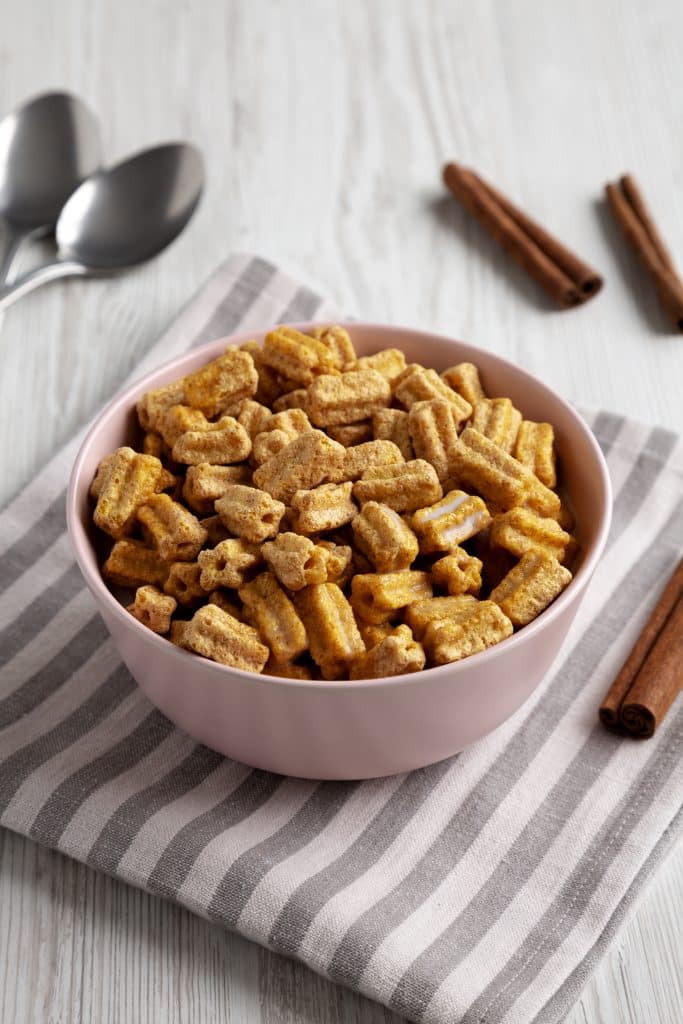
- The Store-Brand Alternative: In many categories, such as cinnamon-dusted cereals or chocolate sandwich cookies, private-label products have reached parity with national brands in terms of ingredient quality and flavor.
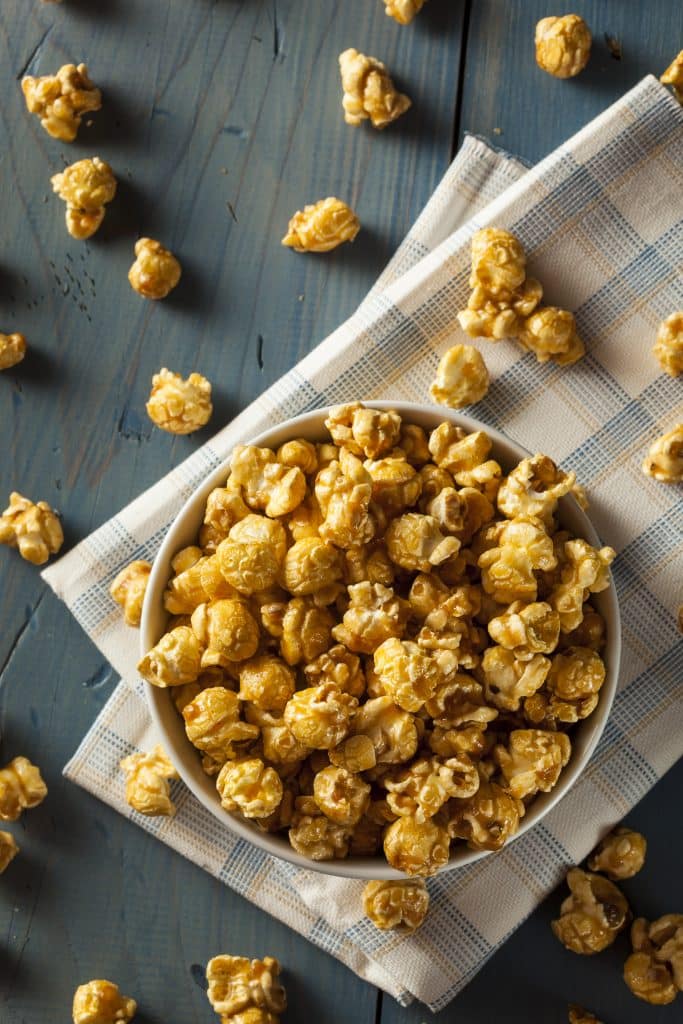
- The "Make-at-Home" Factor: Categories like rice cereal treats, caramel corn, and pudding remain among the most cost-effective to produce in a domestic kitchen. By purchasing raw materials—plain cereal, marshmallows, bulk sugar, and dairy—consumers can insulate themselves from the markup associated with industrial processing and packaging.
Industry Perspective and Future Outlook
While manufacturers rarely issue formal announcements regarding recipe adjustments, industry trade groups maintain that these decisions are driven by the necessity to balance quality, shelf stability, and affordability. A spokesperson for a major food industry trade association noted that "the goal is to maintain the essence of the consumer experience while navigating global supply chain constraints and evolving health regulations."

However, the trend toward smaller, more expensive portions appears to be a permanent feature of the modern retail landscape. As consumer awareness grows, the divide between "convenience shoppers" and "value-conscious shoppers" is likely to widen. The former will continue to pay a premium for pre-packaged ease, while the latter will increasingly turn toward bulk procurement and home-based food preparation.

Ultimately, the snacks of the past have not necessarily disappeared, but they have evolved to fit a new economic reality. Whether through a reduction in net weight, a change in fat composition, or a shift in how they are portioned, these items serve as a microcosm of the broader food industry’s struggle to provide value in a high-cost environment. For the modern consumer, the most effective defense remains a skeptical eye toward branding and a strict adherence to the data found in the fine print of the nutritional label and the unit price tag. By treating the grocery list with the same diligence as any other financial account, families can mitigate the impact of these silent changes and ensure their food budget remains intact.