The digital publishing landscape is undergoing a notable shift as AI-driven monetization tools traditionally reserved for specific niches expand into broader markets. Stay22, an established artificial intelligence-powered travel affiliate platform widely utilized by travel bloggers, has officially rolled out a comprehensive retail affiliate program. This strategic expansion opens its automated monetization engine to non-travel website operators, allowing general content creators, niche site owners, and digital publishers to integrate advanced affiliate marketing protocols into their existing digital properties.
Background Context of the Platform’s Evolution
Founded as a specialized mapping and booking affiliate tool designed to optimize hotel and travel accommodations, Stay22 gained widespread adoption within the travel blogging community for its high conversion rates. The platform leverages proprietary AI algorithms to dynamically display relevant booking links, interactive maps, and localized accommodation options based on user behavior and context.
However, the saturation of the travel vertical and the growing demand for diversified revenue streams among digital publishers prompted the company to develop a generalized retail counterpart. Historically, non-travel bloggers relied heavily on traditional programmatic display advertising networks, such as Mediavine, Raptive, or Ezoic, alongside standard affiliate networks like Amazon Associates. By introducing an AI-driven retail monetization layer, Stay22 aims to bridge the gap between automated affiliate link injection and everyday content publishing across diverse verticals, including technology, lifestyle, finance, and home goods.

Mechanics of the New Retail Affiliate Integration
The newly introduced retail program operates through two primary deployment methods designed for seamless integration into content management systems, predominantly WordPress.
The first method allows publishers to generate direct, customized affiliate links for specific retail merchants via a centralized dashboard. This traditional approach gives creators manual control over precise product recommendations embedded within editorial content.
The second, more disruptive method utilizes a sitewide JavaScript snippet known as the Link Monetization Algorithm (LMA) script. Once installed in a website’s header, the script operates autonomously in the background. It systematically converts existing outbound links into monetized affiliate links and dynamically injects new promotional links based on real-time conversion data. According to early platform adopters, the system prioritizes high-converting offers from major online retail partners, though specific merchant identities remain bound by non-disclosure agreements (NDAs).
Publisher Adoption and Initial Financial Impact

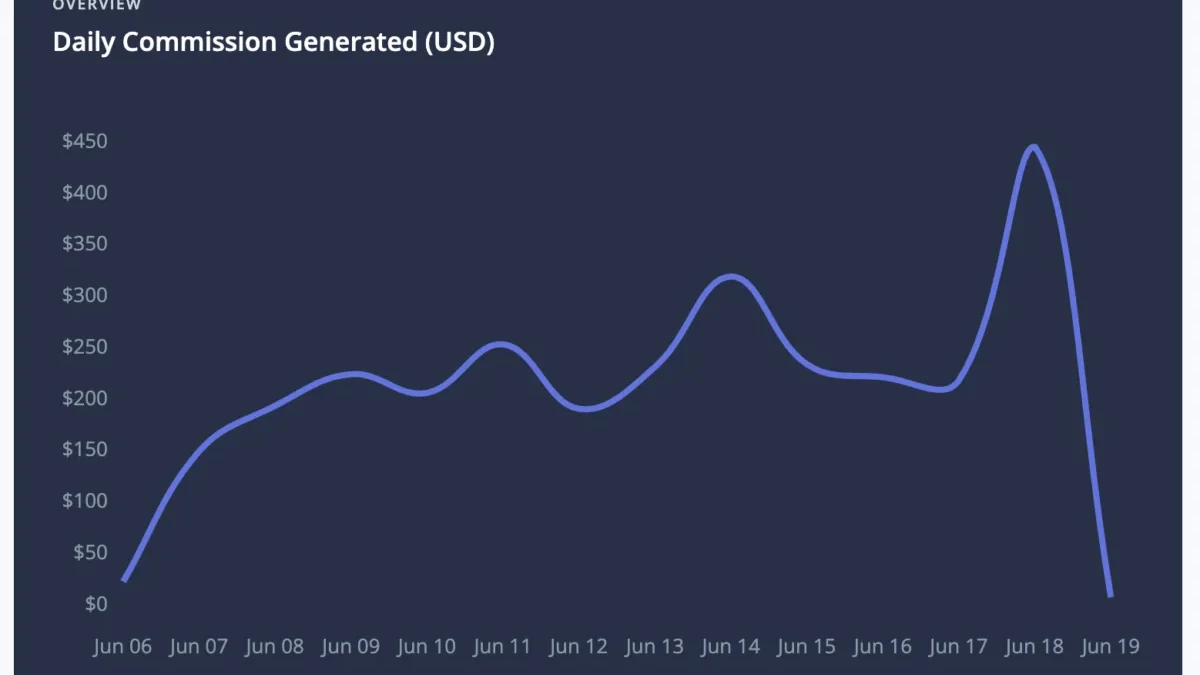
Early reports from veteran digital publishers indicate rapid revenue scaling following the implementation of the beta retail script. Industry operators testing the software have reported daily passive earnings ranging from $200 to upwards of $4,500 within the first week of deployment.
A critical concern for publishers adopting aggressive automated link-injection tools is potential interference with existing display advertising revenue. Programmatic ad networks rely heavily on strict viewability metrics, page load speeds, and user experience guidelines. Preliminary testing by independent publishers indicates that running the Stay22 retail script alongside major display networks like Mediavine does not negatively impact ad RPMs (Revenue Per Mille) or user engagement metrics. Furthermore, joining the platform incurs no upfront subscription or membership fees, as the company operates on a revenue-sharing model embedded directly into the transaction backend.
Current Limitations and Reporting Infrastructure
Despite strong financial performance in its early rollout phase, the platform’s expansion into retail remains in a beta testing phase, resulting in certain operational limitations. Publishers have noted that while reporting dashboards for travel-related bookings are robust and detailed, analytics for the new retail vertical are currently basic.
Company representatives have communicated to early adopters that reporting transparency, tracking accuracy, and advanced analytics features will be progressively updated and refined as the retail division scales out of its initial launch window.

Broader Implications for the Digital Publishing Industry
The launch of a generalized retail AI affiliate tool highlights a broader trend within digital publishing: the convergence of automated content monetization and machine learning. As search engine traffic patterns shift and traditional display ad yields fluctuate due to macroeconomic factors and privacy regulations, publishers are increasingly turning to automated affiliate solutions that maximize yield per visitor without requiring extensive manual link management.
For independent content creators, tools that integrate seamlessly with existing site architecture without cannibalizing display ad revenue represent a valuable diversification strategy. If the early financial results reported by beta testers prove sustainable across larger content portfolios, AI-driven contextual affiliate platforms like Stay22 could establish a new standard for passive income generation across all niches of digital media.