
Modern households are currently navigating a complex economic landscape defined by the "slow-burn" of inflation, where recurring costs—ranging from utility hikes to the accumulation of "background" subscription services—are quietly eroding disposable income. Unlike a single large purchase, these incremental expenses often go unnoticed until a comprehensive review of bank statements reveals a significant discrepancy between income and expenditure. Economic data suggests that companies have increasingly shifted toward "pricing for inertia," relying on the tendency of consumers to avoid the friction of switching providers or renegotiating existing contracts. By adopting a proactive stance, households can effectively reclaim thousands of dollars annually, not through extreme austerity, but through disciplined financial maintenance.

The Mechanics of Household Financial Drift
Financial analysts observe that household spending patterns often suffer from "drift," a phenomenon where fixed costs increase annually due to automatic renewals and unmonitored price creep. Research from the Consumer Financial Protection Bureau (CFPB) indicates that many consumers pay a premium for loyalty, particularly in the telecommunications and insurance sectors, where long-term customers are often charged higher rates than new sign-ups. This structural imbalance highlights the necessity of an active management approach to personal finance.

Grocery Procurement and the Shift to Value-Based Planning
Food expenditure remains one of the most volatile components of a household budget. Historically, families have prioritized menu planning based on preference rather than market pricing. However, data from the Bureau of Labor Statistics (BLS) shows that food-at-home costs have seen sharp increases, making traditional shopping methods inefficient.

By reversing the process—consulting digital flyers and store-specific applications to identify loss leaders and discounted proteins—households can reduce their weekly grocery bills by 15% to 25%. This strategy is supported by the habit of "stockpiling" staples during deep-discount cycles and utilizing meal-prep techniques to reduce the frequency of impulse-driven "quick trips" to the store, which often result in higher per-unit costs.

Energy Efficiency and the Phantom Load
Electricity costs account for a significant percentage of annual household budgets, with "phantom loads"—energy consumed by devices in standby mode—contributing an estimated 5% to 10% of total utility bills. The modern home is saturated with electronics that remain active while idle, including cable boxes, gaming consoles, and smart home devices.

Implementing smart power strips and adjusting hardware settings to disable "instant-on" features can yield immediate reductions in energy consumption. Furthermore, the practice of regulating water heaters to 120°F serves as a high-impact, low-effort adjustment. Energy efficiency experts note that most units are set to 140°F by default, a temperature that is not only excessive for most residential needs but also accelerates the accumulation of sediment, shortening the appliance’s lifespan.

The Role of Public Infrastructure and Community Resources
In an era of rising costs for digital content, local library systems have evolved into essential hubs for fiscal management. Beyond traditional book lending, modern library cards provide access to premium databases, e-book platforms, and streaming services that would otherwise require individual subscriptions. By leveraging these public resources, households can eliminate the "subscription tax" associated with multiple digital platforms, saving hundreds of dollars per year without sacrificing access to media.

Structural Home Maintenance and Long-Term Savings
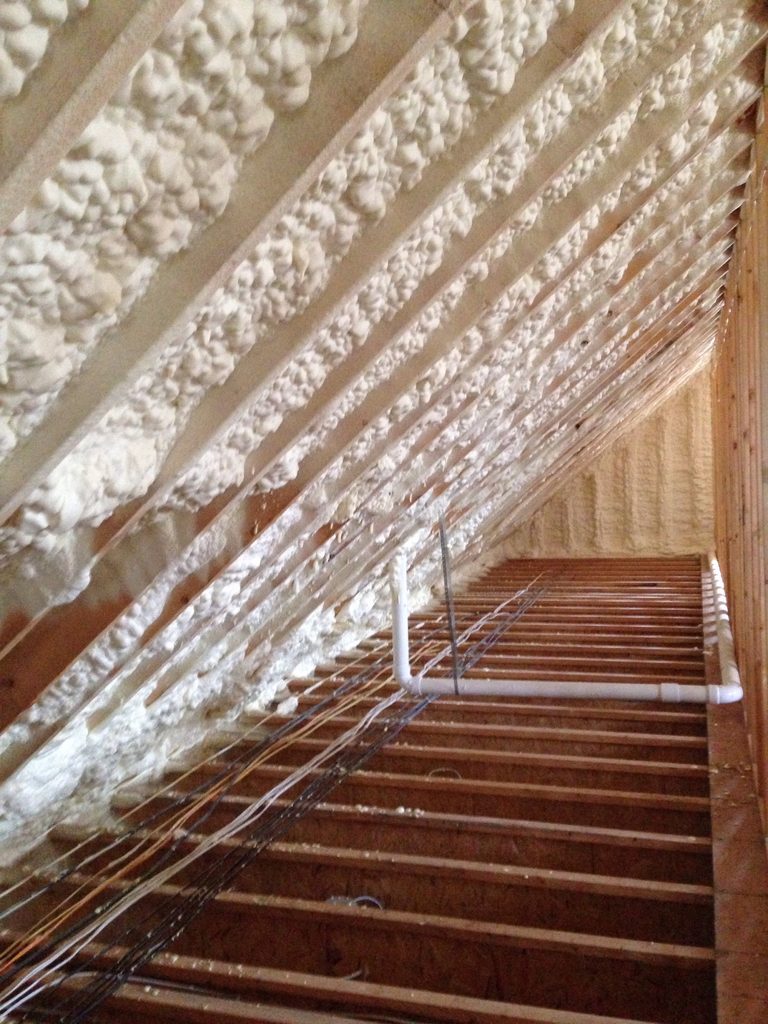
Neglected maintenance, particularly regarding air infiltration and water leaks, functions as a perpetual financial drain. Studies from the Department of Energy suggest that air sealing—addressing gaps around doors, windows, and attic hatches—can reduce heating and cooling costs by up to 15%.

Similarly, water waste from undetected leaks is a significant factor in inflated utility bills. A standard running toilet, for instance, can lose up to 200 gallons per day. Routine inspections of water meters and the application of inexpensive DIY fixes, such as replacing flapper valves or installing door sweeps, prevent these minor issues from escalating into major repair expenses.

Insurance Optimization and the Competitive Marketplace
Auto and homeowners insurance premiums have reached historic highs, with many providers implementing double-digit percentage increases during recent renewal cycles. The prevailing industry logic encourages consumers to accept these renewals without comparison. However, market competition remains robust. Financial advisors consistently recommend a policy audit at every renewal cycle.

By increasing deductibles—provided the household maintains a liquid emergency fund to cover the difference—policyholders can achieve substantial premium reductions. This strategy assumes that insurance should function as a hedge against catastrophic loss rather than a tool for minor claims.

Debt Management: The Avalanche vs. The Snowball
High-interest debt represents the most significant barrier to long-term wealth accumulation. For households juggling multiple obligations, the choice between the "debt avalanche" (prioritizing high-interest rates) and the "debt snowball" (prioritizing the smallest balances) is crucial. While the avalanche method is mathematically superior in terms of interest savings, the snowball method provides psychological momentum that can prevent the abandonment of a debt-repayment plan. Financial experts emphasize that the most critical factor is the cessation of new credit card charges during the repayment process.

The Annual "Bill Day" and Systematic Review
To combat the tendency of expenses to revert to higher levels, successful households implement a recurring "Bill Day." This event, scheduled annually, serves as a comprehensive audit of all recurring costs. During this session, households:

- Re-shop insurance and utility providers.
- Cancel unused subscriptions and redundant digital services.
- Review credit reports for inaccuracies that could impact interest rates.
- Assess the performance of rewards credit cards.
By formalizing this process, the household removes the burden of willpower and replaces it with a structured system. Data suggests that an intensive two-hour review session can result in $500 to $1,500 in annualized savings.

The Psychology of Sustainable Budgeting
The most common reason for the failure of household budgets is the "crash diet" approach, where all discretionary spending is eliminated abruptly. This inevitably leads to "splurge cycles" that invalidate previous gains.
A more sustainable strategy involves the creation of a "fun fund." By allocating a modest, pre-determined amount to non-essential luxuries, individuals satisfy the psychological need for comfort and enjoyment without jeopardizing the stability of the core budget. This approach recognizes that financial health is a marathon, not a sprint. By shifting the focus from total deprivation to intentional, smart spending, households can maintain their standard of living while significantly improving their long-term financial trajectory.
Ultimately, the goal is not to live with less, but to stop overpaying for the status quo. Through the consistent application of these 25 strategies, households can achieve a meaningful increase in disposable income, effectively securing a raise without requiring a change in salary. As inflation continues to impact purchasing power, the ability to audit, negotiate, and optimize recurring expenses will remain the most powerful tool for individual financial security.