The digital landscape for professional networking is undergoing a significant transformation, as new data suggests a clear departure from traditional business-hour engagement patterns. An extensive analysis conducted by Buffer’s data science team, led by Julian Winternheimer, has examined over 4.8 million posts to identify the optimal scheduling windows for LinkedIn. The findings indicate that the most effective time to reach professional audiences has shifted decisively toward late afternoon and evening hours, a trend that mirrors shifting consumption habits on platforms like Instagram and TikTok.
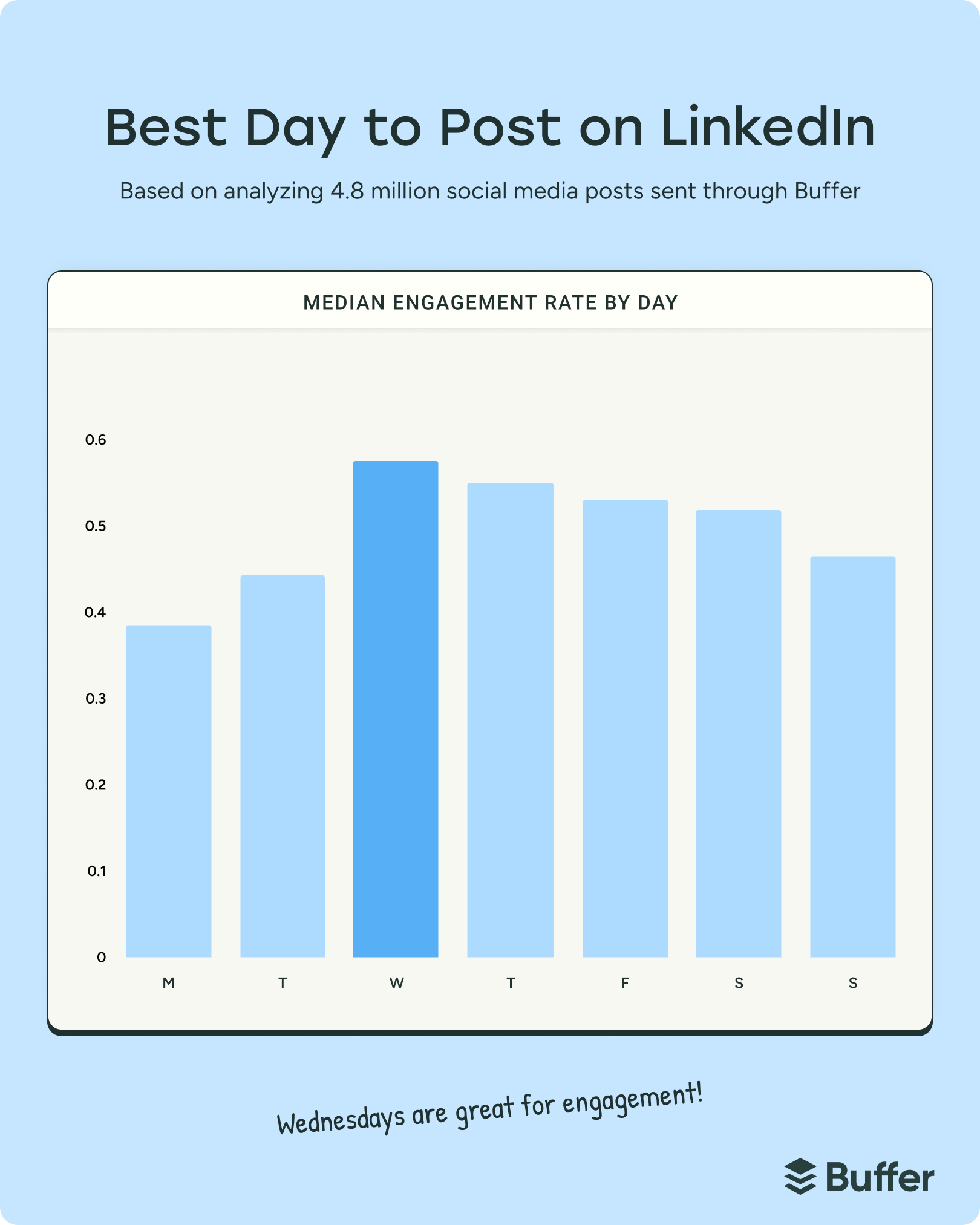
For years, the conventional wisdom for LinkedIn success was tied strictly to the nine-to-five workday. Digital marketers and personal brand builders operated under the assumption that users engaged primarily during morning coffee breaks or mid-afternoon lulls. However, the 2026 data reveals that the highest engagement rates—measured by reactions, comments, and shares—now occur consistently between 3 p.m. and 8 p.m. on weekdays. Wednesday at 4 p.m. has emerged as the single most effective time slot for maximizing visibility.
A Chronology of Changing Consumption
To understand the gravity of this shift, one must look at the evolution of social media usage over the past twenty-four months. In 2025, the data showed that engagement was heavily concentrated within standard working hours, with a sharp decline occurring precisely at 5 p.m. This pattern was consistent with the long-standing belief that LinkedIn was a "desk-bound" platform.
By early 2026, the data began to diverge from this trend. As mobile accessibility improved and the nature of remote and hybrid work became more fluid, the distinction between "working hours" and "leisure hours" blurred on social feeds. Professionals are increasingly accessing LinkedIn while commuting, during post-work wind-down periods, or as they engage in late-evening networking. This shift indicates that the platform has evolved from a repository for formal job hunting into a persistent, daily feed for industry discourse and thought leadership.
Data-Driven Scheduling: The Weekly Breakdown
The analysis of 4.8 million posts allows for a granular look at how engagement fluctuates throughout the week. While the general rule favors the mid-to-late afternoon, specific nuances exist for each day of the week.
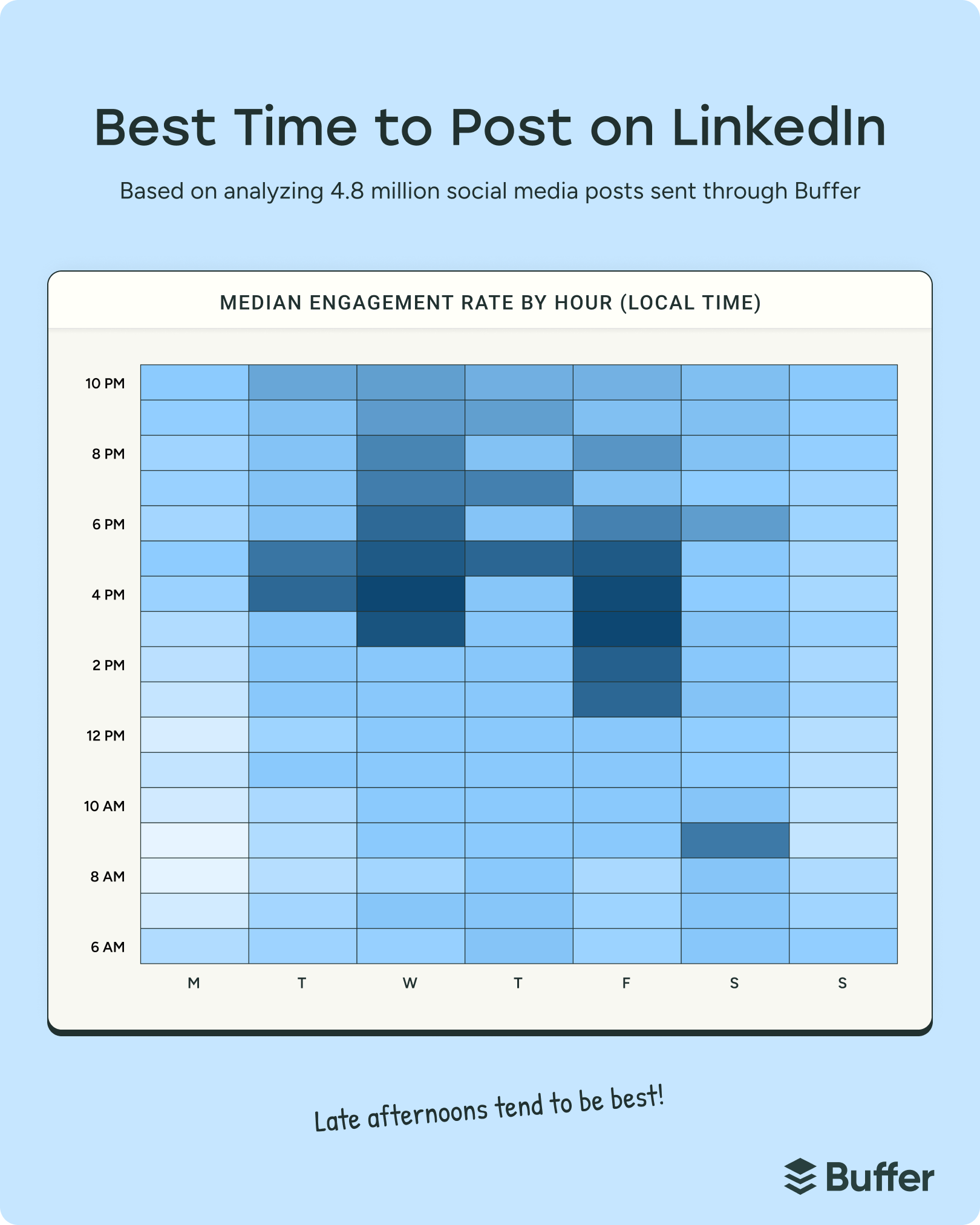
- Monday: Engagement is historically lower at the start of the work week. The optimal time for posting is 10 p.m., followed by 5 p.m. and 9 p.m. It is recommended that users reserve high-priority content for later in the week.
- Tuesday: The trend begins to pick up, with 4 p.m. serving as the peak. Secondary windows include 5 p.m. and 10 p.m.
- Wednesday: This is identified as the peak day for overall engagement. A 4 p.m. post on Wednesday is statistically the most likely to achieve maximum reach, with 3 p.m. and 5 p.m. also proving highly effective.
- Thursday: The late-day trend continues, with 5 p.m. as the optimal slot, supported by 7 p.m. and 9 p.m.
- Friday: Interestingly, Friday remains a strong day for engagement. The best time to post is 3 p.m., as users begin to conclude their work week, followed by 4 p.m. and 5 p.m.
- Saturday & Sunday: Weekend engagement remains predictably lower than weekdays. However, for those who choose to post, Saturday at 9 a.m. offers a niche opportunity, while Sunday evening at 10 p.m. shows surprising activity as users prepare for the week ahead.
Algorithmic Implications and User Behavior
The mechanics behind these findings are rooted in how the LinkedIn algorithm functions. The platform prioritizes content that generates immediate, high-quality interaction. When a post receives reactions and comments shortly after being published, the algorithm interprets this as a signal of value, subsequently increasing the post’s visibility to a broader audience. By aligning publication times with the hours when the highest number of active, intentional users are online, creators can effectively "prime" the algorithm to boost their content’s reach.
There is a qualitative difference in the engagement occurring during these evening hours. Unlike the passive, rapid-fire scrolling often associated with other social networks, the late-afternoon and evening activity on LinkedIn appears more deliberate. Professionals appear to be using these windows to catch up on long-form thought leadership, analyze industry news, and participate in professional discussions after the pressures of immediate daily tasks have subsided.
Strategic Adjustments for Brands and Individuals
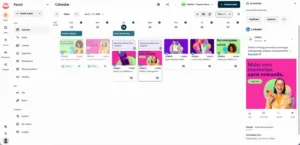
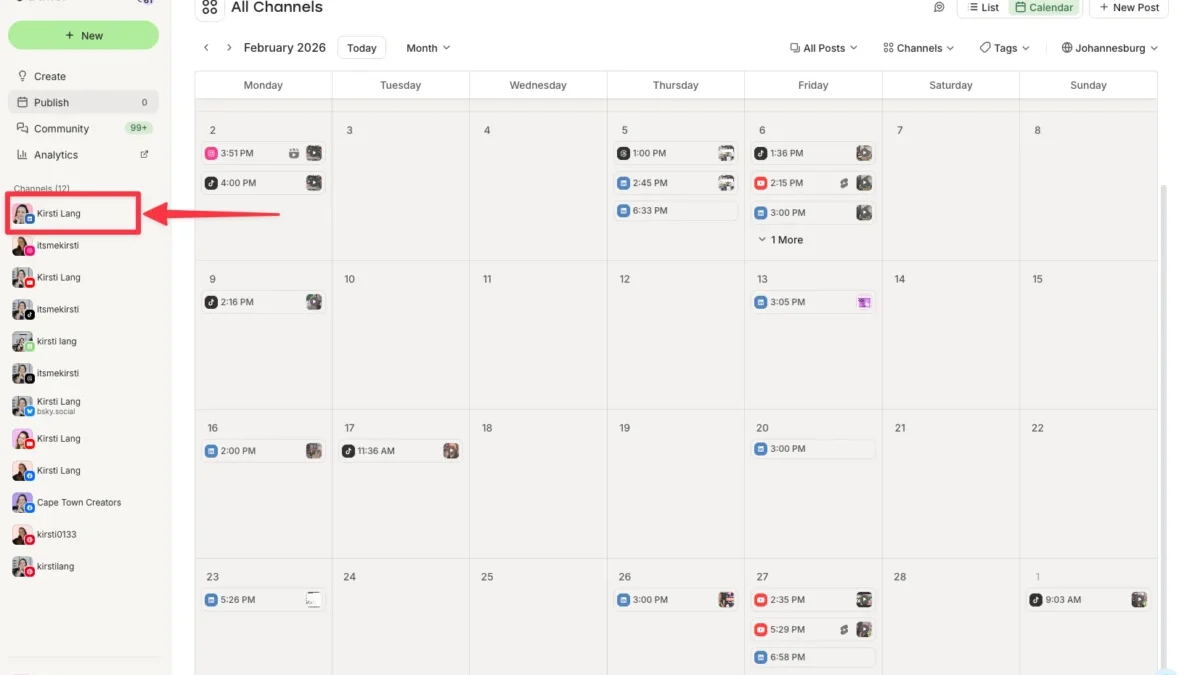
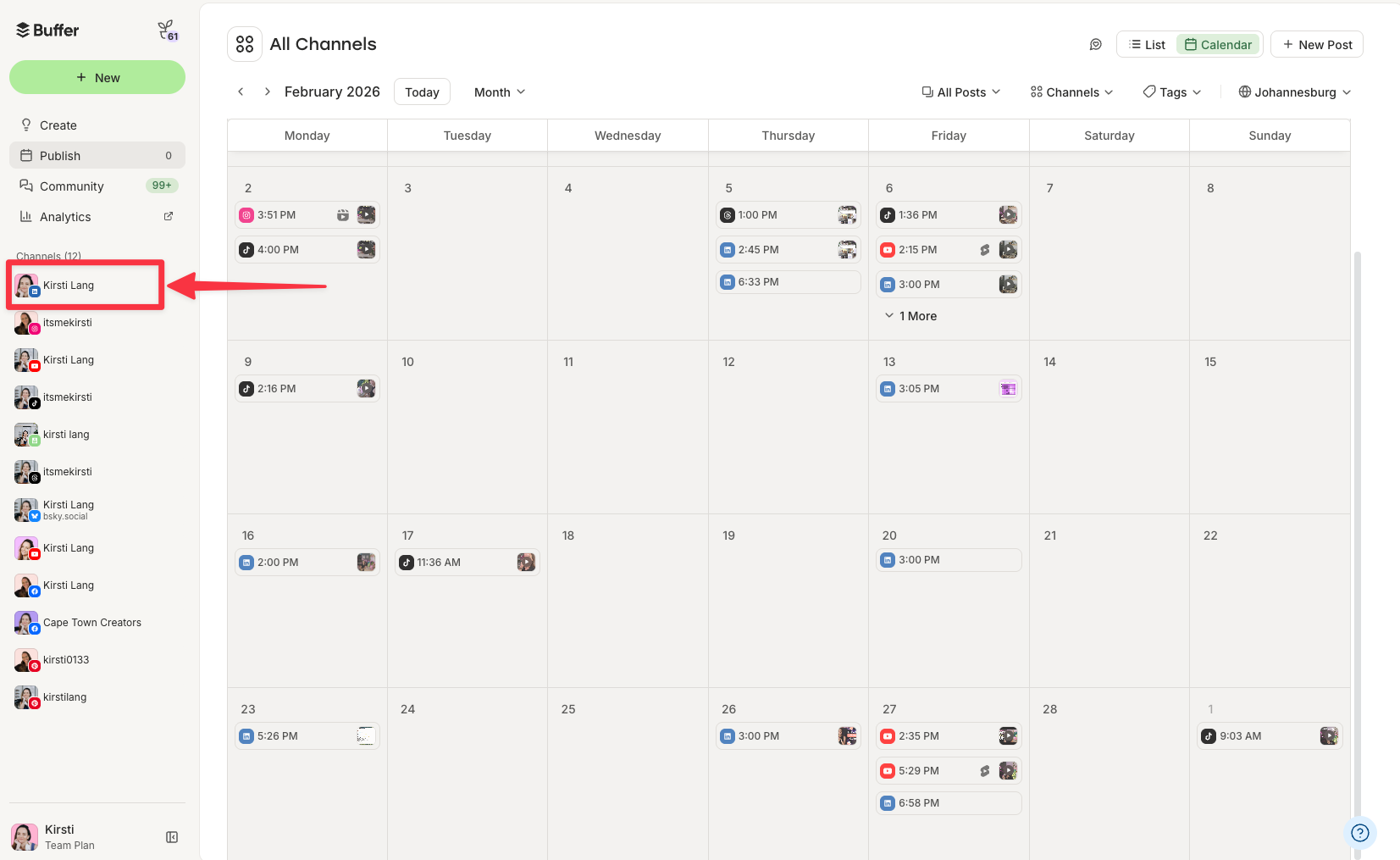
For businesses and personal brands, the implication is clear: the "publish and forget" strategy is no longer sufficient. Scheduling tools, such as those integrated into the Buffer suite, allow users to automate their content calendars to align with these data-backed windows. By utilizing features that suggest optimal posting times based on audience activity, users can remove the guesswork from their social strategy.
However, industry experts advise that timing is only one component of a successful content strategy. While posting at 4 p.m. on a Wednesday can provide a significant visibility boost, it cannot compensate for content that lacks relevance, clarity, or value. The best results are achieved when optimized timing is paired with high-quality, audience-centric content.
Addressing Common Misconceptions
A frequently asked question concerns the relevance of time zones. The 2026 dataset has been normalized to local time, meaning that if an optimal time is identified as 4 p.m., it refers to 4 p.m. in the local time zone of the user’s target audience. This eliminates the need for complex global conversions, simplifying the planning process for international teams.
Another common inquiry involves the "Golden Hour"—the period immediately following a post. While LinkedIn has not officially confirmed a specific window of influence, it is widely observed that the first 60 to 90 minutes are crucial. Engaging with early comments during this time is an effective way to maintain momentum, encouraging the algorithm to keep the post in the primary feed.
The Broader Impact of Content Format
While timing is critical, the type of content being shared also dictates performance. Current analysis shows that carousel (document) posts currently generate up to 596% more engagement than standard text-only updates. This suggests that as users shift their browsing habits toward the evening, they are more likely to interact with visual, swipeable, and educational content that provides value in a condensed, easy-to-digest format.
Future-Proofing Your LinkedIn Strategy
As LinkedIn continues to update its interface and discovery features, the reliance on historical data will remain a cornerstone of effective marketing. The shift toward later posting times represents a more mature, digitally integrated professional class that consumes information on their own terms.
To successfully navigate this, organizations should move toward a model of continuous testing. Data serves as a compass, but every audience is unique. By using these 2026 benchmarks as a starting point and regularly reviewing individual analytics, creators can refine their schedules to match the specific habits of their own followers. In an era where digital noise is at an all-time high, the ability to deliver content precisely when the audience is most receptive remains a vital competitive advantage.
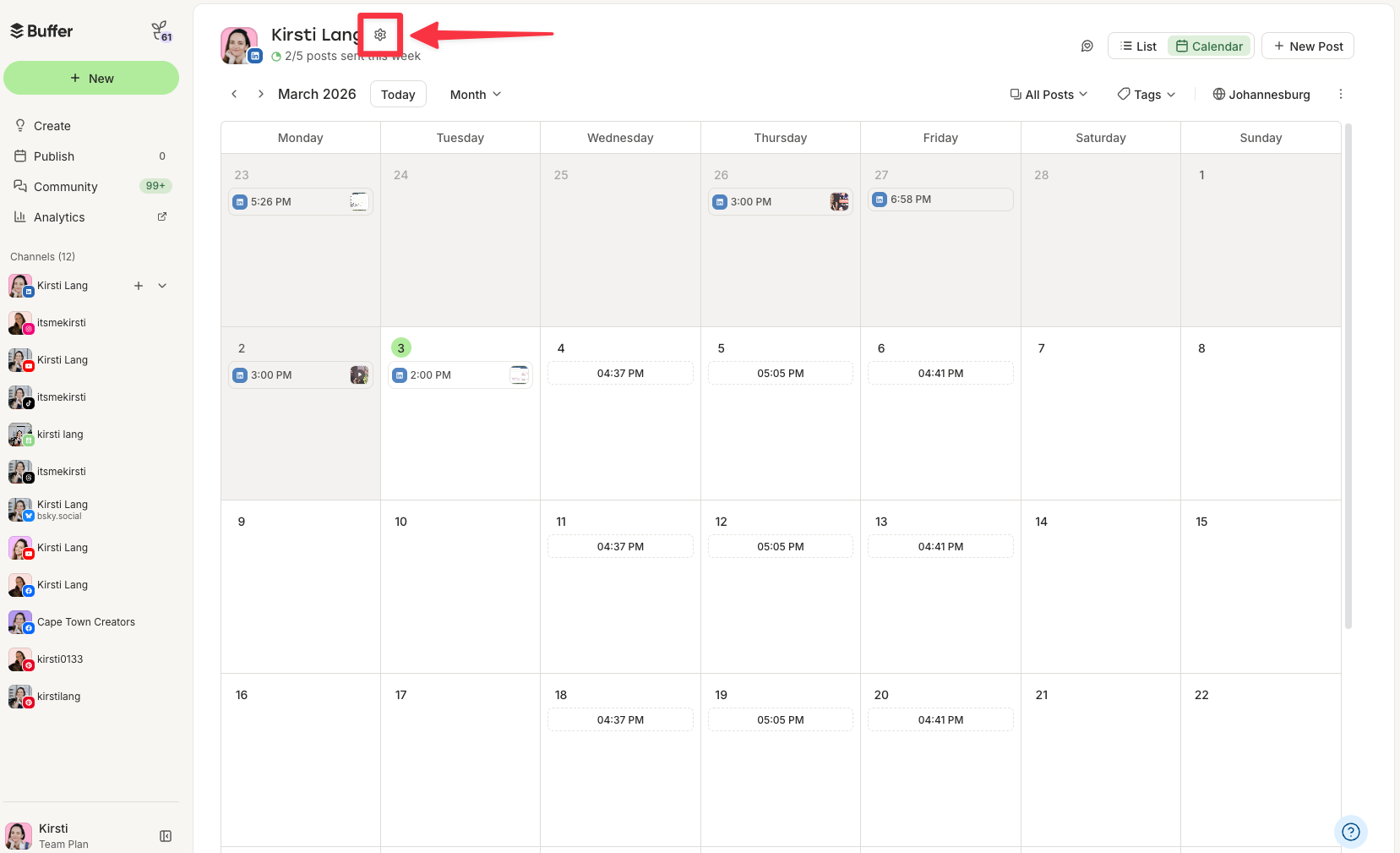
Consistency remains the final, critical factor. It is far more effective to commit to a sustainable schedule of two to five posts per week that aligns with these high-engagement windows than to attempt a high-volume, erratic schedule that ignores the underlying data. By aligning with these emerging behavioral patterns, professionals can ensure their voice is heard in an increasingly crowded digital landscape.