The fourth quarter of 2022 marked a period of unprecedented operational transformation and strategic consolidation for Meta Platforms, as the tech giant navigated regulatory pressures, shifting consumer behaviors, and macroeconomic headwinds. Throughout the final months of the year, Meta deployed a series of major algorithmic overhauls, advanced machine learning-driven advertising suites, and critical brand safety frameworks designed to stabilize revenue and enhance user engagement across Facebook, Instagram, and WhatsApp. As marketers and advertisers closed the book on 2022, the digital landscape was fundamentally reshaped by deeper automation, cross-platform streamlining, and an intensified focus on short-form video infrastructure.
An exhaustive review of Meta’s architectural and policy updates from late 2021 through the close of 2022 reveals a company pivoting aggressively toward algorithmic optimization and immersive digital environments.
The Strategic Shift Toward Automation and Machine Learning
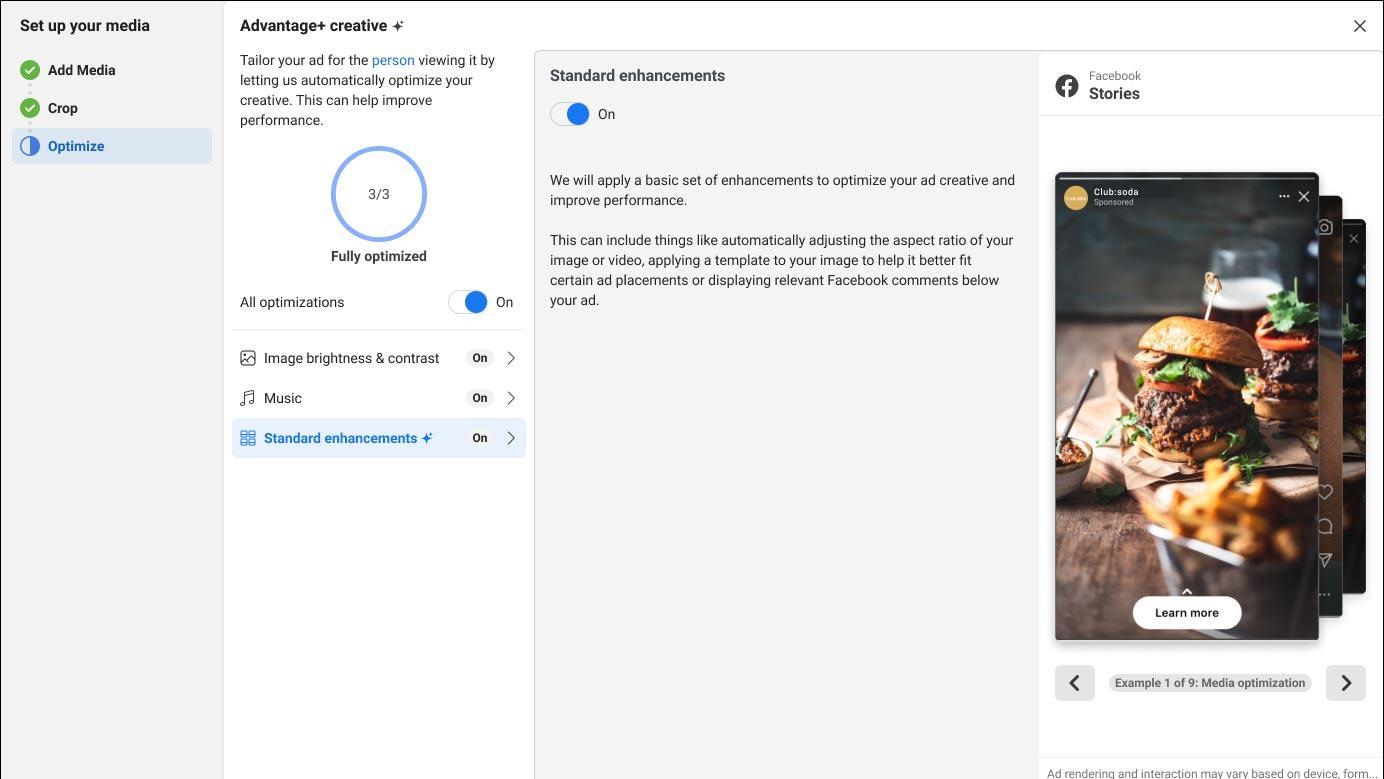
As digital advertising faced historic privacy overhauls—most notably Apple’s AppTracking Transparency (ATT) framework introduced in April 2021—Meta accelerated its development of automated, privacy-safe optimization tools. The cornerstone of this initiative was the introduction of the Meta Advantage Suite, an umbrella framework consolidating automated ad products designed to leverage machine learning for superior performance.
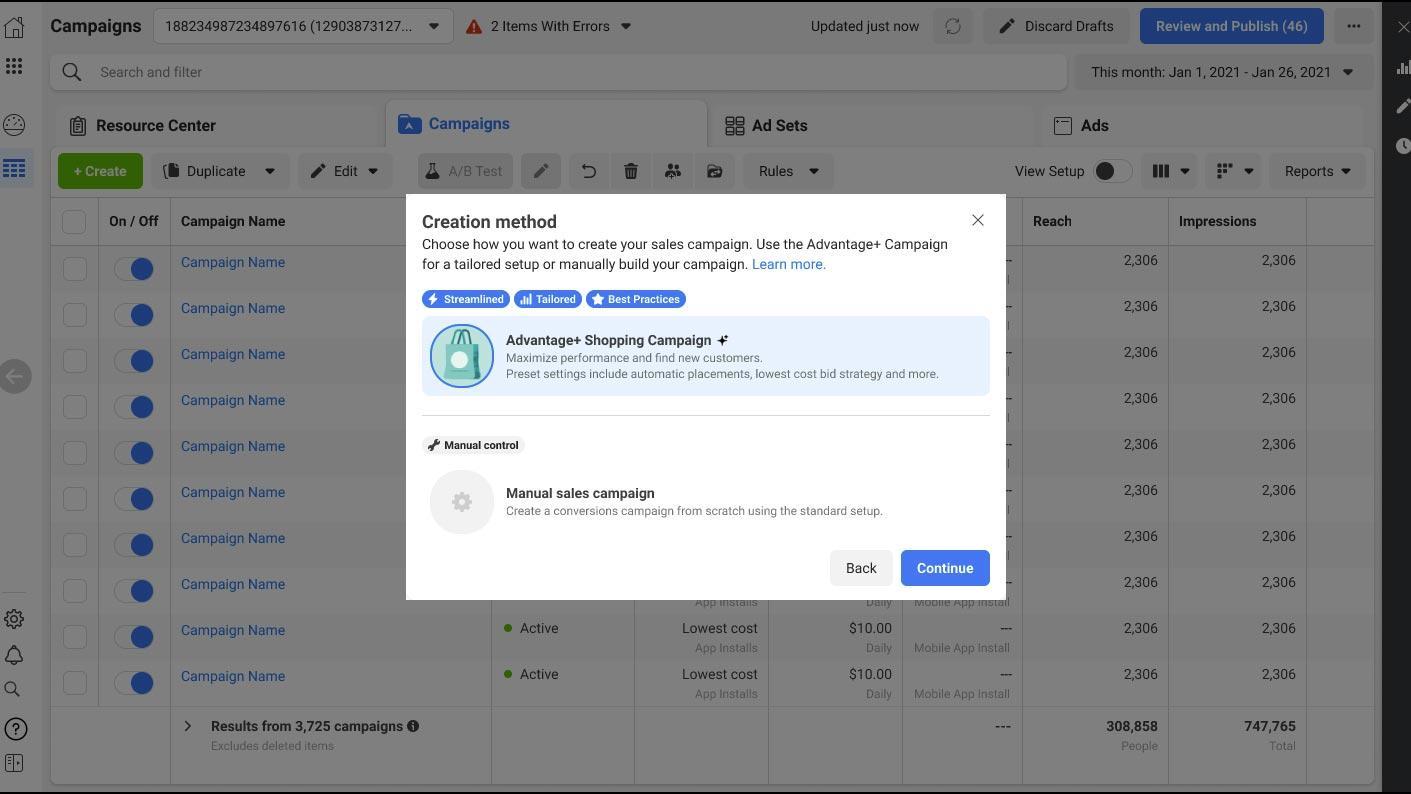
By 2022, Advantage+ shopping campaigns had become central to Meta’s value proposition for digital marketers. Utilizing machine learning to test up to 150 creative variations simultaneously, these campaigns drastically reduced manual setup time while driving statistically significant improvements in cost-per-purchase metrics. Industry performance data released by Meta indicated that Advantage+ shopping campaigns yielded a 12% lower cost-per-conversion compared to legacy, manually targeted ad structures.
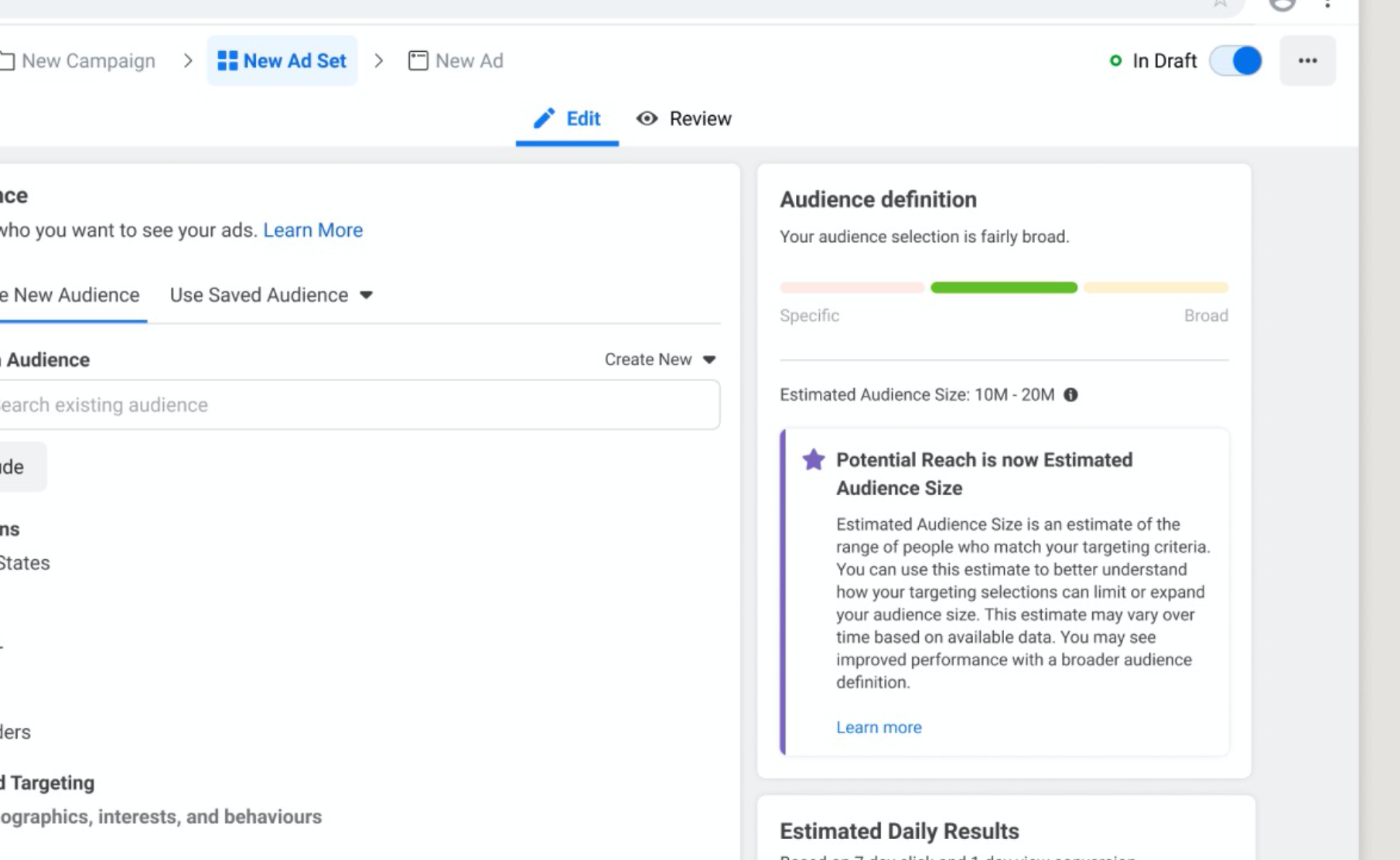
Concurrently, Meta overhauled its ad creation and audience estimation frameworks. In October 2021, the company transitioned pre-campaign reach estimates from single-point figures to flexible audience size ranges. This modification served to accurately reflect the probabilistic nature of modern digital audience modeling while preparing media buyers for a post-cookie advertising ecosystem.
Instagram’s Visual and Functional Metamorphosis
Instagram underwent a series of seismic structural changes between 2021 and 2022, systematically eroding the boundaries between static photo sharing, long-form video consumption, and real-time e-commerce.
The Rise of Reels and Video Integration
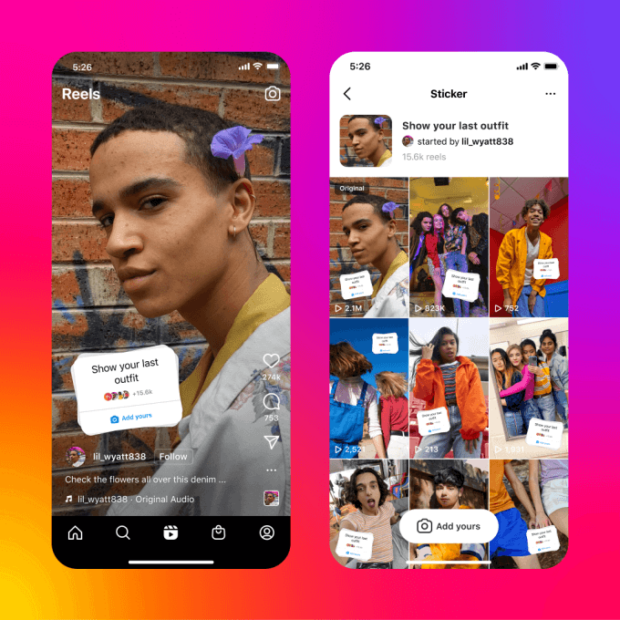
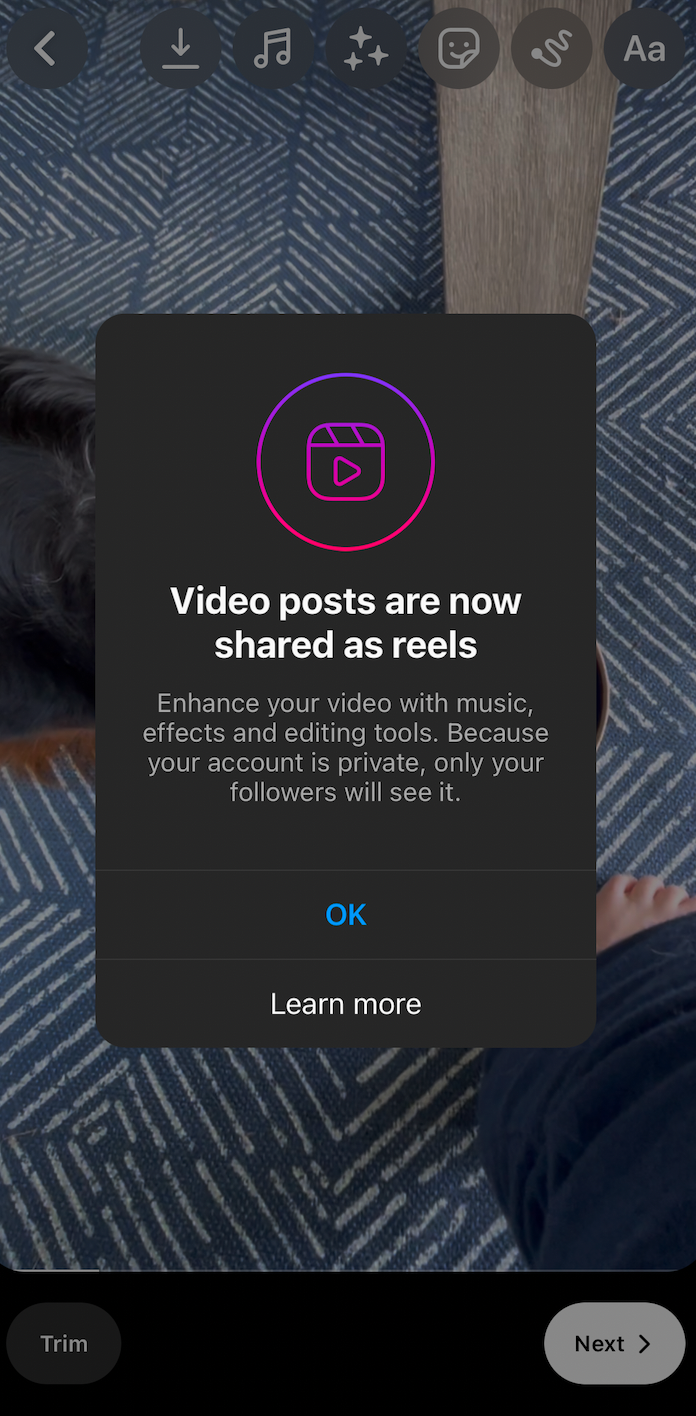
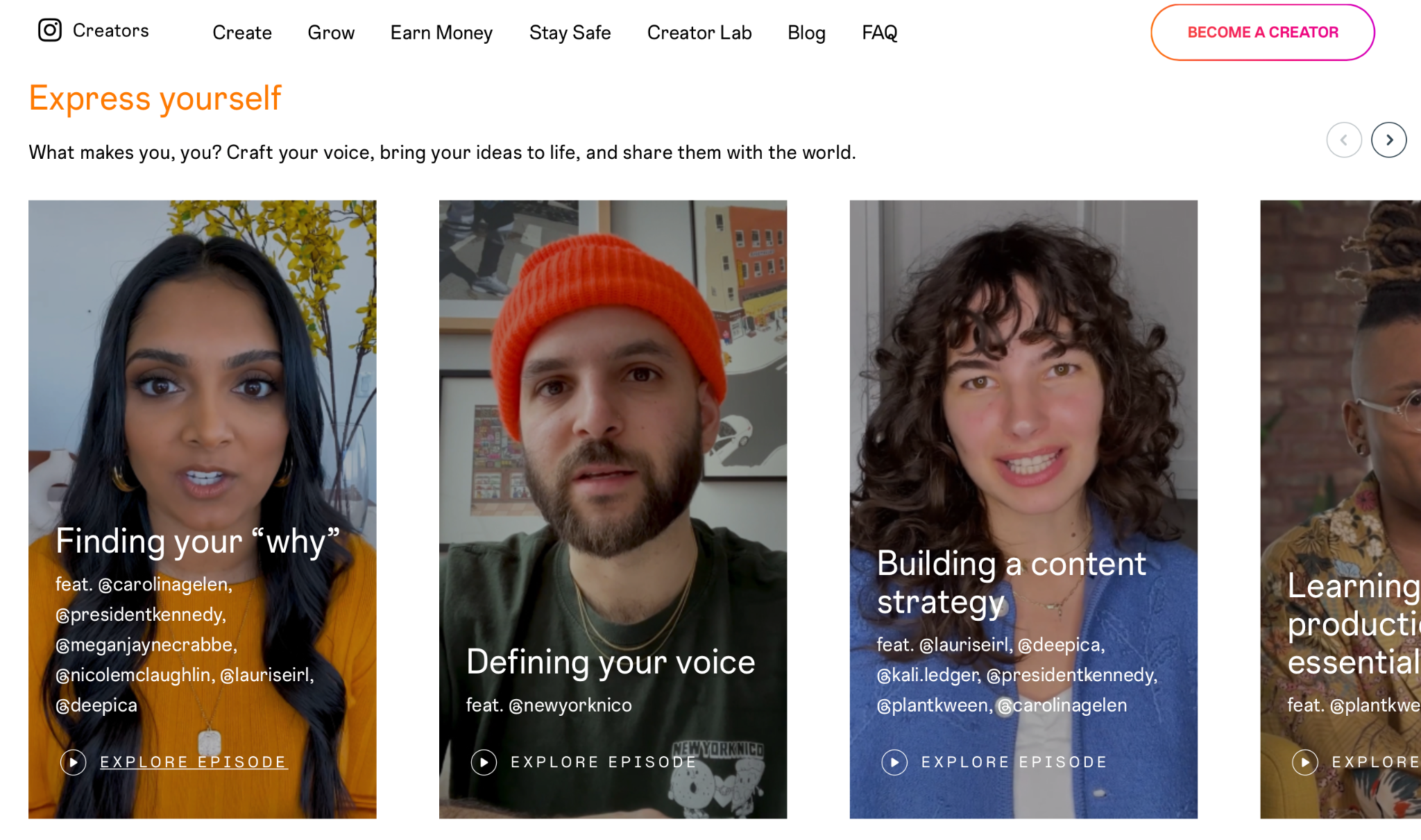
Recognizing the meteoric rise of short-form video consumption popularized by TikTok, Meta positioned Reels at the absolute center of its platform strategy. By mid-2022, Instagram initiated a global transition where all video uploads under 15 minutes were automatically shared as Reels, merging the previously distinct video and Reels profile tabs. This integration democratized access to advanced editing tools and full-screen vertical formats.

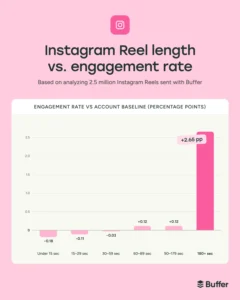
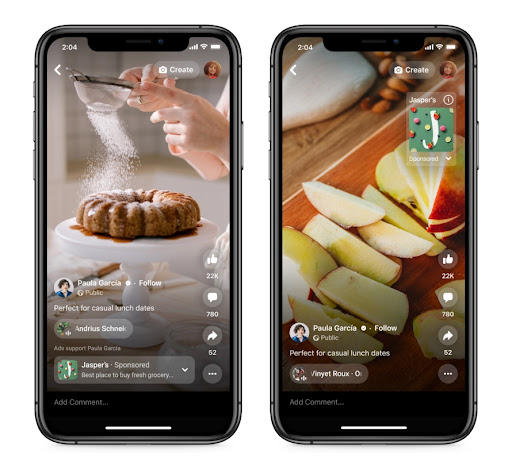
To support this content shift, Meta expanded monetization and discovery avenues. August 2022 brought the global rollout of Instagram Reels ads, allowing advertisers to utilize immersive, looping video placements of up to 30 seconds. Furthermore, the maximum duration for organic Reels was extended from 60 to 90 seconds in April 2022, providing creators and brands with extended windows for instructional and narrative content.
Native Scheduling and Creator Infrastructure
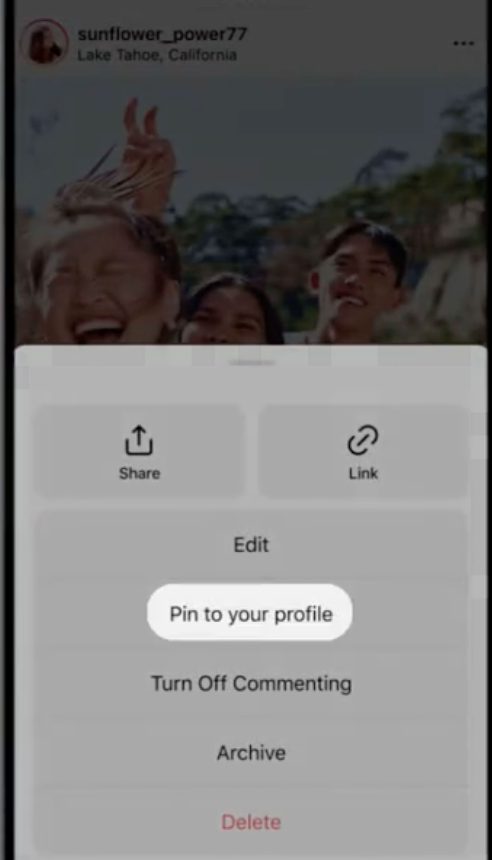
Operational efficiency for brands and content creators received a major boost in December 2022 with the introduction of native post scheduling directly within the Instagram mobile application. Business and Creator accounts gained the ability to schedule Reels, photos, and carousel posts up to 75 days in advance without relying on third-party software.

Parallel to these scheduling capabilities, Meta aggressively courted high-value creators to solidify platform loyalty. In July 2021, the corporation announced a $1 billion financial commitment dedicated to creator bonus programs through the end of 2022. This initiative was complemented by the phased expansion of the Instagram Creator Marketplace, serving as an on-platform matching service that streamlined brand partnerships, campaign deliverables, and secure communications.
Monetization and Direct Commerce
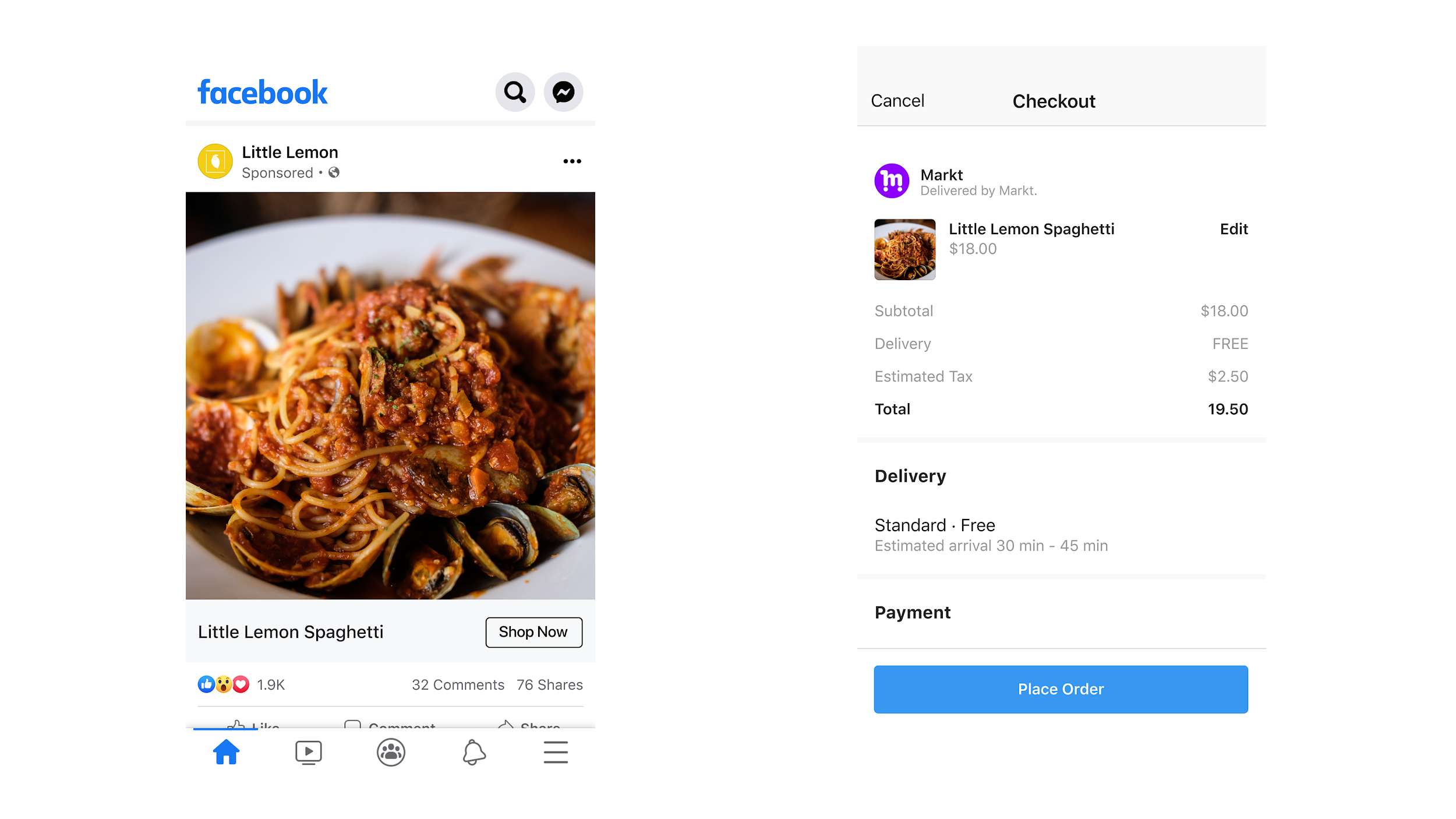
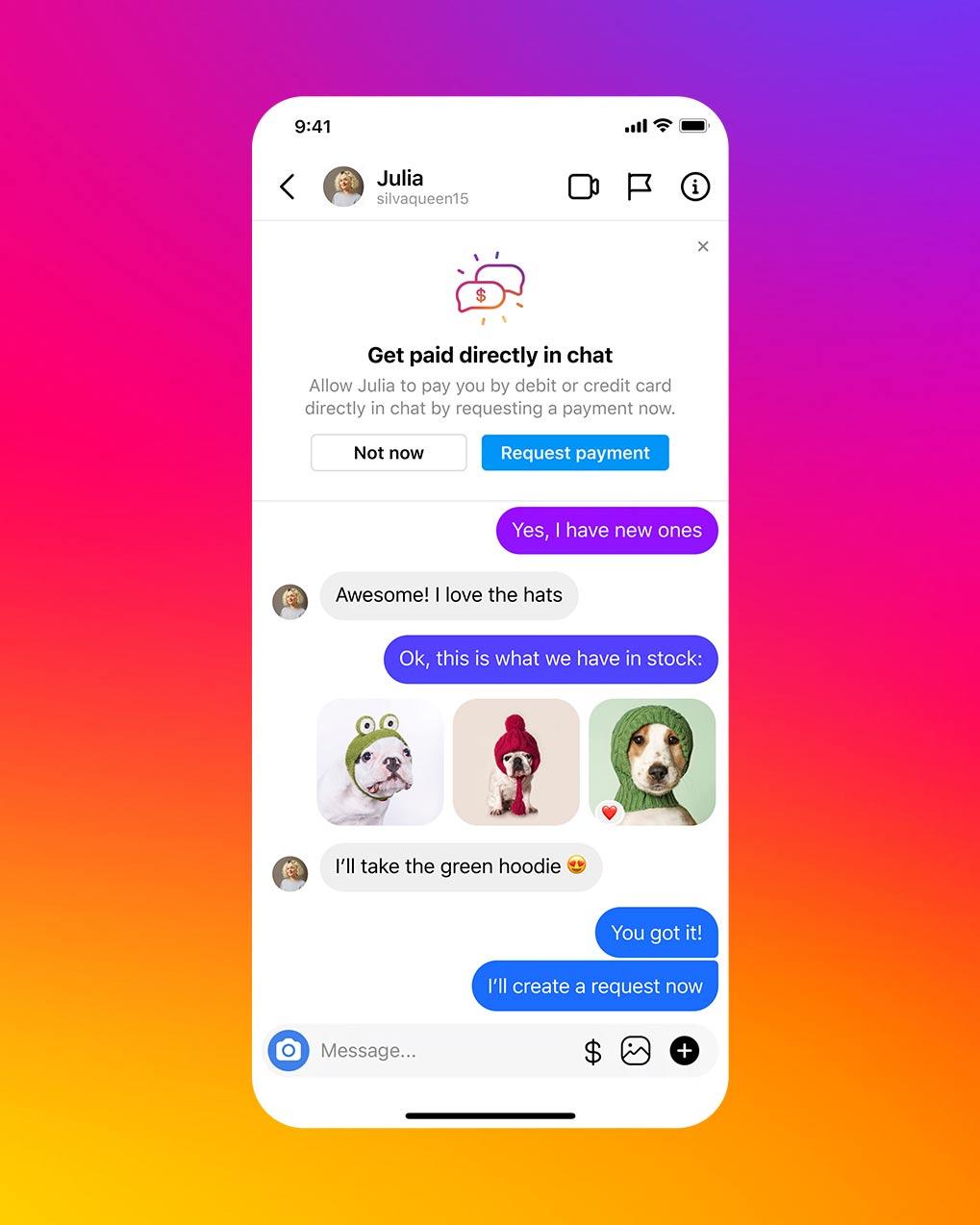
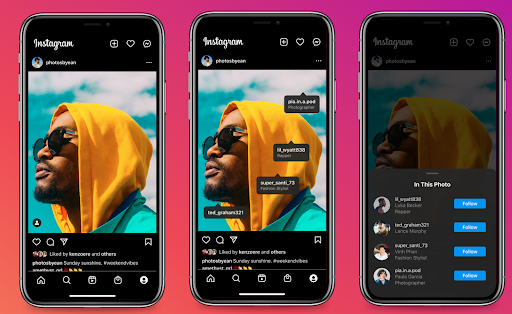
Instagram’s evolution into a transactional ecosystem accelerated significantly through 2022. The platform introduced in-chat payment processing, enabling eligible business accounts to accept payments directly within Direct Messages (DMs) without redirecting consumers to external websites. Customers gained the ability to complete transactions securely using Meta Pay, credit cards, or PayPal, significantly reducing friction in the social commerce funnel.
Additionally, the integration of music into in-feed photo posts in December 2022 allowed brands to attach up to 90 seconds of licensed audio to static imagery, bridging the sensory gap between traditional photo sharing and dynamic video formats.
Content Moderation, Brand Safety, and Intellectual Property
As regulatory scrutiny regarding platform integrity intensified globally, Meta invested heavily in technological and procedural safeguards to protect both users and advertisers.
Media Rating Council Accreditation
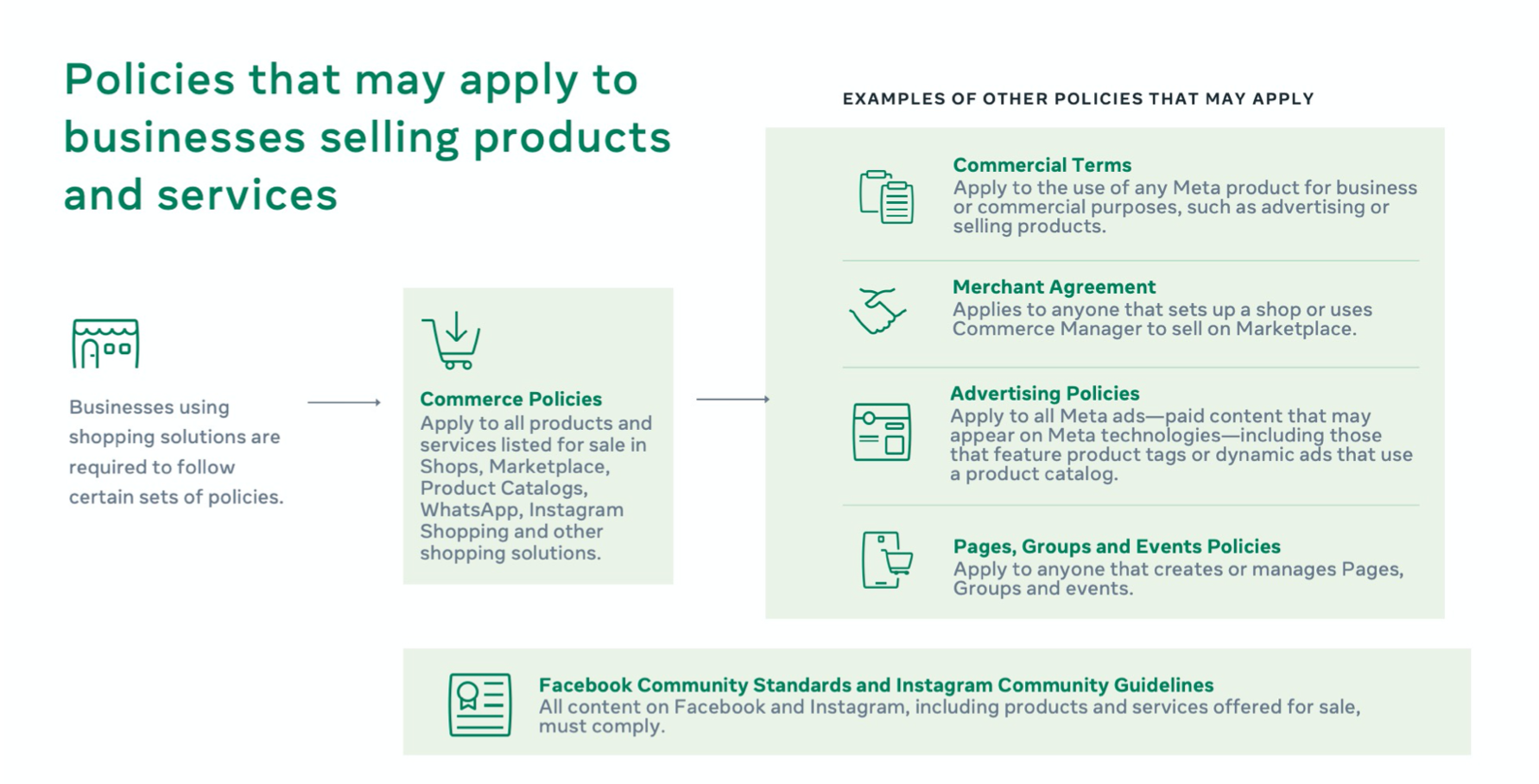
A major milestone in Meta’s brand safety maturation occurred in November 2022, when the company secured independent accreditation from the Media Rating Council (MRC) for content-level brand safety on Facebook. Rigorous independent audits evaluated Meta’s Partner Monetization Policies, Content Monetization Policies, and associated brand suitability controls applied to Instant Articles and In-Stream video across desktop and mobile environments. This accreditation provided enterprise-level validation of Meta’s content classification algorithms, reassuring major global brands regarding ad placement security.
Intellectual Property Protection and Advanced AI
To combat rising digital counterfeiting and copyright infringement, Meta deployed the IP Reporting API in October 2022. Designed to integrate directly with the Graph API, the system empowered original content creators and rights holders to report intellectual property violations programmatically. This was bolstered by continuous upgrades to the Brand Rights Protection manager, utilizing automated image recognition to identify counterfeit goods, trademark infringements, and unauthorized platform impersonation.
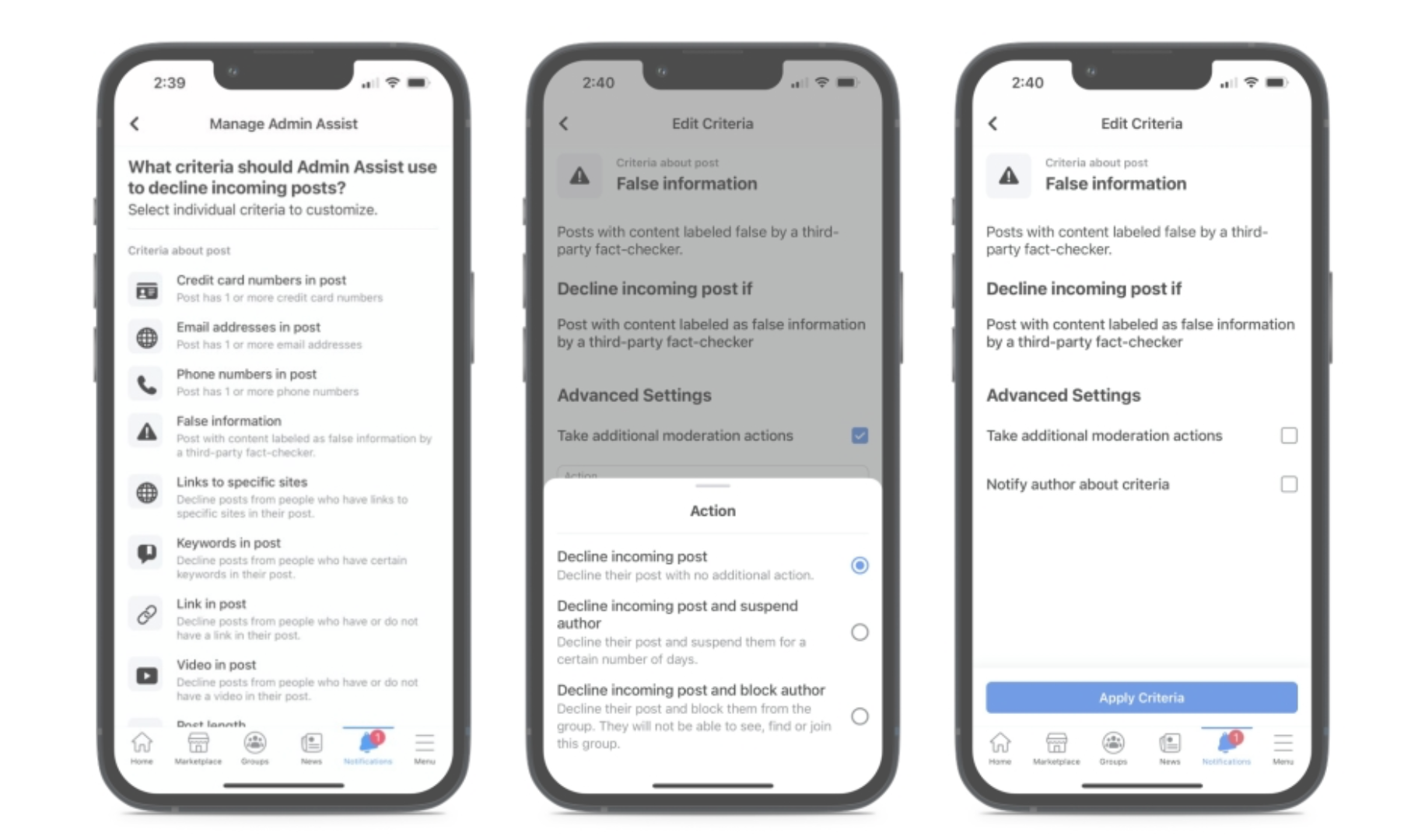
In parallel, Meta leveraged artificial intelligence to address platform abuse, developing advanced detection models to identify deepfakes and automated "coordinated inauthentic behavior." By reverse-engineering the generative models behind synthetic media, Meta significantly improved its automated removal rates for deceptive video content prior to widespread distribution.
Platform Governance, Messaging APIs, and Small Business Support
Meta’s enterprise strategy throughout 2022 placed a heavy emphasis on unified communications infrastructure and localized economic support.
The Messenger API for Instagram
Launched broadly following the F8 Refresh conference in June 2021, the Messenger API for Instagram represented a critical turning point for enterprise social media management. By enabling third-party software providers—such as Hootsuite and Sprout Social—to integrate Instagram DMs into their primary dashboards, Meta resolved a massive operational bottleneck for high-volume consumer brands. Customer service teams could now manage cross-platform communications, execute automated messaging flows, and track lead conversion pipelines through a single centralized interface.
Economic Recovery and Small Business Initiatives
Throughout 2022, Meta rolled out targeted economic relief and educational resources designed to assist small and medium-sized enterprises (SMEs) navigating post-pandemic market conditions. Programs such as Meta Small Business Studios provided on-demand digital marketing courses and live regional bootcamps across the United States. Furthermore, specialized grants, advertising credits, and dedicated mentorship programs—such as the Amplify API initiative and partnerships supporting Black-owned businesses—were deployed to foster economic equity across underrepresented entrepreneurial communities.
Strategic Outlook and Future Implications
The cumulative effect of Meta’s 2022 operational updates reflects a mature digital conglomerate systematically adapting to a privacy-first, automated, and video-centric era. By consolidating ad automation under the Advantage Suite, standardizing short-form video formats, and securing third-party brand safety validations, Meta successfully defended its core advertising revenue model against macroeconomic pressures and regulatory headwinds.
As digital marketers analyze the multi-platform ecosystem entering 2023, the strategic imperatives established by Meta are clear: algorithmic reliance will continue to replace manual targeting, native commerce tools will increasingly blur the line between content discovery and transaction, and virtual reality investments will remain a long-term capital priority under Mark Zuckerberg’s metaverse vision. Organizations that successfully adapt to these automated, privacy-compliant workflows will be best positioned to capture consumer attention across Meta’s vast digital footprint.