Meta Platforms is leaning further into the ecosystem integration of its artificial intelligence-enabled smart glasses, showcasing a suite of newly designed capture modes and device-specific editing features on Instagram. Originally previewed earlier in the year, these tools are now being actively promoted to creators and everyday users as a primary value proposition for owning the hardware. However, this high-profile marketing push arrives at a precarious time for the tech giant. Meta is simultaneously navigating a wave of negative public sentiment, coordinated grassroots activism, and formal regulatory investigations driven by alarming reports of non-consensual covert filming and privacy violations.
The tension between Meta’s aggressive push for wearable AI technology and the growing societal pushback highlights the complex tightrope technology companies must walk when introducing devices capable of capturing audio, video, and biometric data in public spaces. While Meta continues to highlight the creative potential of its hardware, critics, privacy advocates, and lawmakers are increasingly questioning whether the safeguards built into these devices are sufficient to protect public privacy.
An Overview of Meta’s New AI Glasses Features on Instagram
In its latest promotional campaign shared across Instagram, Meta detailed several exclusive functionalities designed to elevate the content creation process for users of its AI-powered eyewear. These capabilities are intended to make first-person perspective footage more dynamic, engaging, and flexible for social media audiences accustomed to high production values.
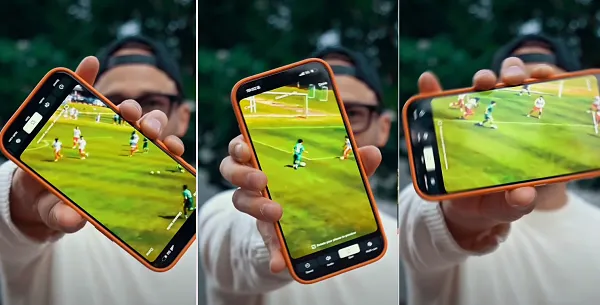
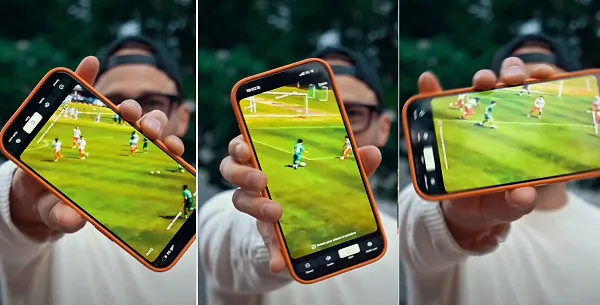
Chief among these additions is "spin view," a novel capture and playback mode that allows viewers to experience a heightened sense of immersion. By physically turning their mobile device while viewing a video, users can dynamically expand the field of view, revealing more of the environment captured through the glasses. Meta argues this feature bridges the gap between traditional flat video and true-to-life spatial experiences, offering a unique storytelling medium that standard smartphone cameras cannot easily replicate.
Another major feature highlighted by the company is "multi-cam," a tool that seamlessly synchronizes video feeds from both a user’s smartphone and their Meta AI glasses. This dual-perspective setup enables creators to broadcast or record two distinct angles simultaneously—typically the user’s face or a wider scene from the phone alongside the point-of-view perspective from the glasses. By simplifying what was previously a complex multi-camera editing workflow, Meta aims to help creators produce more engaging, multi-faceted narratives for platforms like Instagram Reels and Stories.
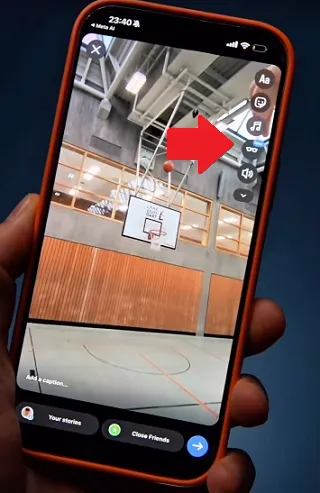
Additionally, Meta has introduced a dedicated suite of glasses-specific editing tools directly within the Instagram application. These native tools provide wearers with specialized options to refine, crop, color-grade, and stylize content captured specifically through the wearable hardware. First teased by the company back in June, these features are now being positioned as essential ecosystem add-ons to convince potential buyers of the long-term utility of Meta’s smart eyewear lineup.
A Timeline of Innovation and Controversy: The Chronology of Meta’s Smart Glasses
To understand the current friction surrounding Meta’s AI glasses, it is necessary to examine the trajectory of the product line and the escalating concerns that have accompanied its market penetration.

The rollout of camera-equipped and AI-integrated wearables by Meta represents years of iterative development, beginning with early partnerships with traditional eyewear brands like Ray-Ban. These initial iterations focused primarily on hands-free photo capture, music playback, and basic voice assistant queries. However, as generative artificial intelligence capabilities advanced, Meta integrated sophisticated multimodal AI models directly into the frames, allowing the glasses to analyze visual data in real-time, answer questions about the wearer’s surroundings, and stream high-definition video directly to social media networks.
As the hardware gained traction among early adopters and digital creators, reports began to surface regarding potential vulnerabilities and misuse. The core controversy centers around the hardware’s built-in privacy indicator—typically a small LED light designed to illuminate whenever the camera is actively recording or streaming. Investigative reports and user disclosures revealed that certain individuals had found methods to tamper with, mask, or deactivate this LED indicator.
By disabling the recording light, unscrupulous wearers could covertly film unsuspecting individuals in public spaces, private venues, and sensitive environments without their knowledge or consent. These illicit recordings have, in some instances, been uploaded to online platforms, sparking widespread outrage and igniting fierce debates over personal privacy in the digital age.
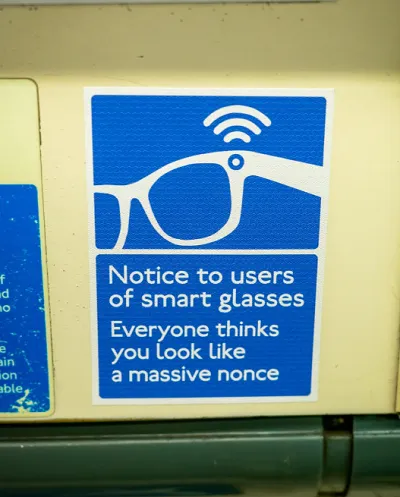
The resulting backlash has translated swiftly from online forums to the physical world. Protest groups and digital rights activists have begun campaigning aggressively against the normalization of always-on wearable recording devices. Notably, activist collectives such as Radical Graffiti launched a targeted awareness campaign in the London Underground, posting stark anti-AI glasses posters warning commuters about the dangers of covert surveillance and non-consensual recording.
Regulatory Response and Global Investigations
The emergence of covert filming techniques and the widespread distribution of unapproved footage have not gone unnoticed by global regulators. Privacy watchdogs and government agencies in multiple jurisdictions, including the United Kingdom and the United States, have initiated formal inquiries and investigations into Meta’s smart glasses.
Regulators are primarily examining whether Meta implemented adequate technical and physical safeguards to prevent the intentional tampering of privacy indicators. Furthermore, authorities are scrutinizing the company’s data collection practices, user consent frameworks, and the protocols in place to swiftly remove and penalize accounts that distribute non-consensual recordings.
For Meta, these regulatory pressures pose a significant compliance challenge. If authorities determine that the hardware designs inherently facilitate privacy violations or fail to meet statutory transparency standards, the company could face severe financial penalties, mandated design overhauls, or potential sales restrictions in key international markets.
Meta’s Strategic Response and Public Relations Efforts
Faced with mounting scrutiny, Meta has adopted a two-pronged strategy: actively working to address technical vulnerabilities while aggressively marketing the lifestyle and creative benefits of the hardware.

Engineering teams at Meta have been tasked with investigating methods to detect and prevent LED tampering, exploring software updates that could potentially disable the device entirely if physical tampering of the indicator light is detected. Concurrently, the company has reiterated its commitment to user privacy, pointing to built-in software guardrails, voice commands, and safety guidelines designed to promote responsible usage among consumers.
Despite the negative headlines, protests, and regulatory inquiries, Meta’s financial and sales reports have yet to show a direct, measurable negative impact on smart glasses adoption. Demand for the hardware remains relatively robust among tech enthusiasts and social media creators eager to experiment with new content formats. By continuing to roll out advanced creative features like spin view and multi-cam, Meta is betting that the utility and entertainment value of the device will ultimately outweigh public anxieties and cement the product category as a permanent fixture in the consumer technology landscape.
Broader Industry Implications and the Future of Wearable AI
The controversy surrounding Meta’s AI glasses serves as a bellwether for the broader wearable technology industry. As companies like Apple, Google, and various hardware startups race to develop augmented reality (AR) glasses and AI-driven wearables, the delicate balance between seamless functionality and individual privacy will remain a central point of contention.
The incident highlights a fundamental design dilemma: the more discreet and powerful a wearable recording device becomes, the greater the threat it poses to public expectation of privacy. Traditional cameras are bulky and conspicuous, naturally signaling to individuals when they are being filmed. Smart glasses, by contrast, look nearly identical to conventional eyewear, eroding the traditional visual cues that people rely on to gauge their privacy in public spaces.
As the market for AI wearables expands, technology firms will likely be forced to adopt stricter industry-wide standards. This may include more robust hardware-level security measures that make indicator lights impossible to bypass, clearer legal frameworks regarding the publication of first-person point-of-view footage, and more transparent consent mechanisms.
Ultimately, Meta’s ongoing efforts to promote sophisticated Instagram editing tools demonstrate the company’s unwavering commitment to its vision of ambient computing. However, the long-term commercial viability and social acceptance of these devices will depend heavily on Meta’s ability to restore public trust, satisfy regulatory demands, and ensure that technological innovation does not outpace ethical and legal protections for the general public.