The pursuit of digital authenticity has become a primary objective for brands, public figures, and content creators operating in an increasingly complex social media landscape. Among the most sought-after digital assets on Meta platforms is the verification badge—the ubiquitous blue checkmark that signals to users that a profile or page is the genuine article. Originally introduced to combat rampant impersonation and identity theft, the verification system has evolved significantly over the past decade, shifting from an exclusive marker for high-profile celebrities to a standardized security feature accessible to a broader tier of public figures and businesses. However, securing this digital endorsement remains an opaque and competitive process, requiring meticulous preparation and strict adherence to platform guidelines.
Background and Evolution of the Verification System
The concept of account verification was first popularized by Twitter in 2009 before Meta adopted the practice for Facebook in May 2013. In its initial iteration, the verification program was strictly limited to a select group of globally recognized entities, including high-profile politicians, elite athletes, major musicians, and multinational corporations. The primary objective at the time was to mitigate the spread of misinformation and protect public figures from malicious actors attempting to siphon audiences through fake profiles.
As digital ecosystems expanded, so did the criteria for verification. By 2018, Facebook extended the program to encompass Pages with substantial follower counts and significant public interest, regardless of whether the entity was a traditional celebrity. In recent years, the platform further democratized the process, allowing individual profiles that meet specific thresholds of public interest and audience scale to apply for the blue checkmark. Historically, Facebook experimented with various other indicators, including gray checkmarks for local businesses and specific Marketplace verification tiers, though these alternatives have since been phased out in favor of a streamlined global standard centered exclusively on the iconic blue badge.

The Strategic Value of the Verification Badge
For businesses and influencers alike, the verification badge offers tangible operational benefits that extend far beyond mere prestige. Foremost among these is credibility. In an era where digital scams, phishing attacks, and impersonation schemes are increasingly sophisticated, consumers are naturally wary of unverified interactions. A verified badge serves as an immediate trust signal, reassuring potential customers that they are engaging with the legitimate representative of a brand.
Furthermore, verification impacts platform visibility. Facebook’s search algorithms frequently prioritize verified pages in query results, granting certified accounts a distinct advantage in organic discovery. This enhanced visibility translates directly into improved traffic acquisition, higher engagement rates, and a more robust defense against brand dilution caused by bad actors who duplicate corporate assets to defraud consumers.
Prerequisites for Application: Establishing Authenticity and Notability
While any user can access the digital request form via Meta’s support portal, submitting an application without adequate preparation frequently results in rejection. Meta evaluates applicants based on two foundational pillars: authenticity and notability.
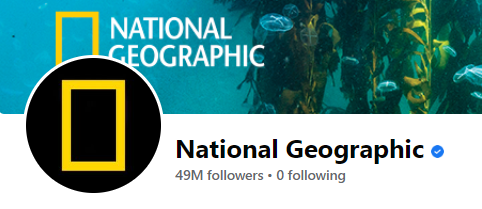
Authenticity requires proof that the account represents a real person, a registered business, or a legally recognized entity. To satisfy this requirement, applicants must submit official government-issued documentation, such as a driver’s license, passport, or tax identification papers, ensuring that the name on the account matches the legal records provided. For corporate entities, articles of incorporation, tax exemption certificates, or utility bills in the business’s name are typically required.
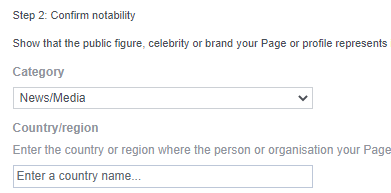
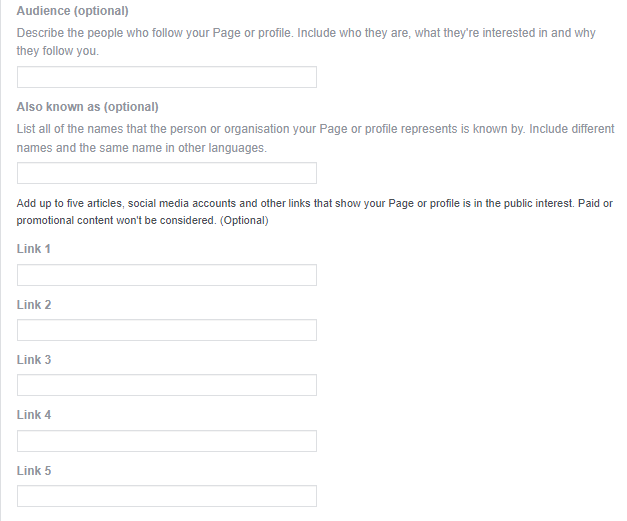
Notability, conversely, is the hurdle where many applicants falter. Meta defines a notable account as one that represents a heavily searched-for, prominent, or historically recognized individual, brand, or organization. To demonstrate notability, the application process requires users to designate their industry category, geographic region of primary influence, and optional demographic data regarding their audience. Crucially, applicants must provide up to five independent digital references—such as news articles, features in reputable publications, or official web properties—that substantiate the public interest surrounding the entity. Meta explicitly excludes paid or promotional content from these evaluations, demanding organic evidence of media coverage and public relevance.
Step-by-Step Optimization Strategy Before Applying
Industry experts and digital marketing strategists consistently advise brands to optimize their digital infrastructure long before clicking the submit button on the verification form. Meeting Meta’s internal review criteria involves a systematic audit of the applicant’s entire online footprint.
First, comprehensive updating of company information is paramount. Reviewers cross-reference the data provided in the application with the information displayed on the Facebook Page or profile. Inconsistent addresses, outdated contact numbers, or mismatched brand names will almost invariably trigger an immediate rejection. Every detail in the "About" section—including mission statements, founding dates, and official contact channels—must be verified for accuracy and cross-platform consistency.
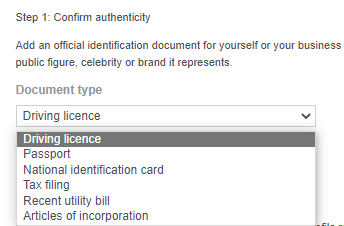
Second, maintaining a professional digital aesthetic is critical. The visual identity of a Facebook page must mirror the real-world branding of the enterprise. This includes utilizing high-resolution profile and cover imagery, adhering to established corporate color schemes, and purging any historical content that could be perceived as controversial, spammy, or detrimental to public credibility.
Third, establishing a robust cross-linking strategy demonstrates official connectivity. Businesses must ensure that their official website prominently links to their Facebook Page, and conversely, that the Facebook Page contains a direct, working link to the primary web domain. This bidirectional verification loop provides automated crawlers with undeniable proof of ownership.
Finally, proactive community building cannot be overlooked. Accounts that exhibit stagnant engagement or negligible follower counts rarely satisfy the notability threshold. Brands must cultivate an active community through consistent organic posting, responsive customer interaction, and targeted community-management practices that organically drive traffic and bolster engagement metrics.
Post-Application Timelines and Review Protocols
Once an application is formally submitted, the review timeline typically spans anywhere from 48 hours to 45 days. During this window, Meta’s internal compliance teams manually and algorithmically review the provided identification documents, assess the validity of the supporting web links, and measure the applicant’s public standing. Applicants receive notification of the final decision via the email address associated with their account.
In the event of a rejection, Facebook’s policies permit users to reapply after a designated waiting period—usually 30 days. Analysts recommend utilizing this interval to further amplify media coverage, expand organic reach, and rectify any deficiencies identified in the initial submission.
Sustaining Verification Status: Security and Compliance
Securing the blue checkmark is not a permanent guarantee; Meta retains the right to strip verification status from any account that violates platform policies or experiences a shift in organizational status. Maintaining verified status requires adherence to stringent operational protocols.
The most critical maintenance step is the mandatory implementation of two-factor authentication (2FA). Because verified accounts are prime targets for cybercriminals seeking to hijack established audiences, enabling robust security measures—such as authenticator app codes or SMS verification—protects the asset from unauthorized access. A security breach resulting in policy violations can lead to the immediate revocation of the verification badge, alongside potential account suspension.
Furthermore, verified entities are held to strict compliance with Facebook’s Community Standards and Terms of Service. While all users must abide by baseline rules regarding harassment, hate speech, and intellectual property, verified public figures and brands face heightened scrutiny. Reposting third-party content, for example, must strictly align with copyright laws and privacy regulations. Any infraction that results in content removal or temporary account restriction significantly increases the risk of losing the coveted checkmark.
Broader Implications for the Digital Economy
The ongoing reliance on platform-managed verification highlights the centralization of digital trust in the modern economy. As social media networks act as the primary gatekeepers of public discourse and consumer engagement, the blue checkmark has transitioned from a simple user-interface feature into a vital commercial asset. For enterprises navigating the digital marketplace, securing and safeguarding this status is no longer merely a marketing tactic, but a fundamental component of brand equity, cybersecurity, and consumer protection. By meticulously preparing for the application process, maintaining rigorous compliance, and prioritizing genuine public engagement, organizations can successfully establish and protect their authenticity in an increasingly crowded digital ecosystem.