The digital landscape for professional photography has evolved significantly, moving away from simple image hosting toward sophisticated, high-performance portfolios that function as both galleries and business platforms. For photographers utilizing the WordPress ecosystem, the selection of a theme is no longer merely an aesthetic choice; it is a critical technical decision that impacts image resolution, page load speeds, and search engine optimization (SEO) performance. With high-resolution imagery capable of consuming significant bandwidth, the underlying architecture of a theme often dictates the success of a professional photographer’s online presence.
The Technical Requirements of Modern Photography Sites
Research into web performance indicates that image-heavy websites are particularly susceptible to high bounce rates if loading times exceed three seconds. Unlike text-based blogs, photography portfolios require themes that balance visual fidelity with optimized rendering. The core challenge lies in "responsive image management," where a site must deliver a high-quality visual experience across devices ranging from 4K desktop monitors to mobile smartphones, without incurring the performance penalties associated with large file sizes.
Industry standards for photography-focused WordPress development have shifted toward "lazy loading" capabilities, where images only render as the user scrolls, and "WebP" image format support, which offers superior compression compared to traditional JPEG or PNG files. A theme that lacks native integration for these features forces a site owner to rely on multiple third-party plugins, which can lead to software conflicts and reduced site stability.
Comparative Analysis of Leading WordPress Frameworks
The current market for photography-oriented themes can be categorized into three primary segments: multipurpose themes with specialized starter sites, drag-and-drop site builders, and niche professional-grade solutions.
1. Multipurpose Frameworks: Sydney, Neve, and Astra
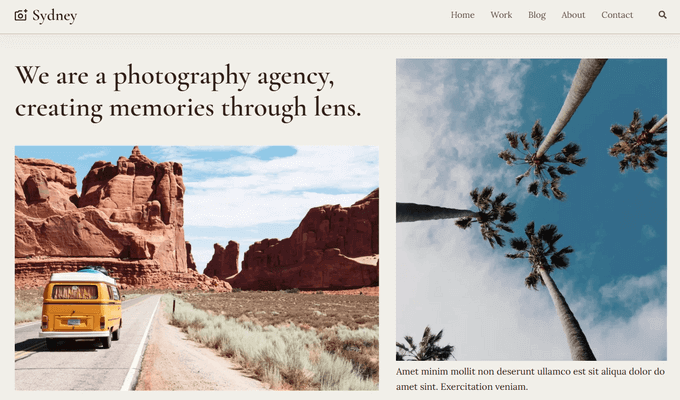
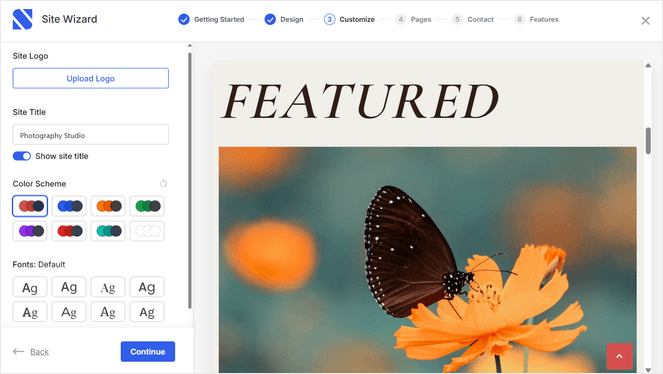
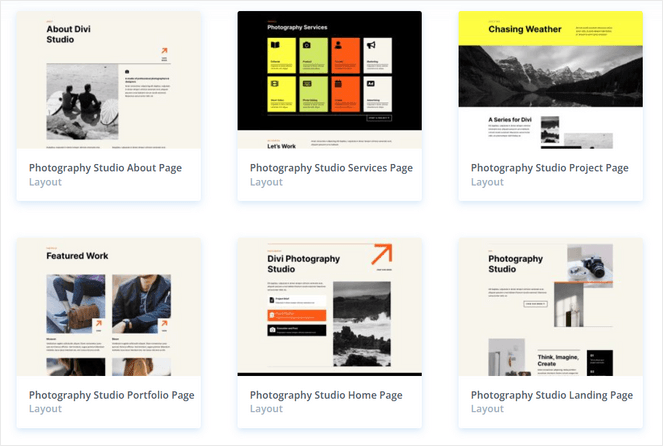
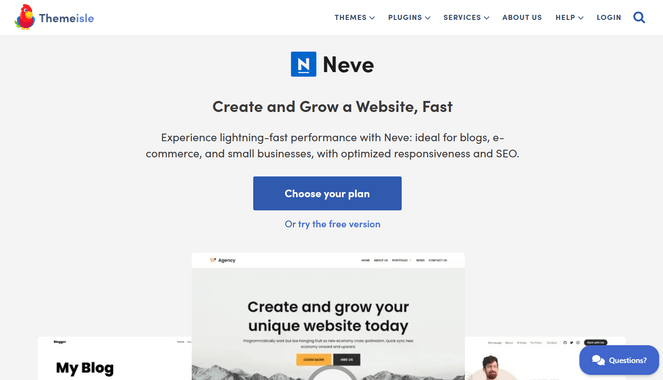
These themes have gained significant market share due to their "lean" codebases. Sydney, for instance, has demonstrated consistent performance in core web vital metrics. By utilizing a modular approach, these themes allow for the rapid deployment of photography-specific "starter sites"—pre-configured templates that include gallery grids, header sliders, and optimized navigation. Data suggests that these themes are preferred by independent contractors who require a balance between ease of use and performance.
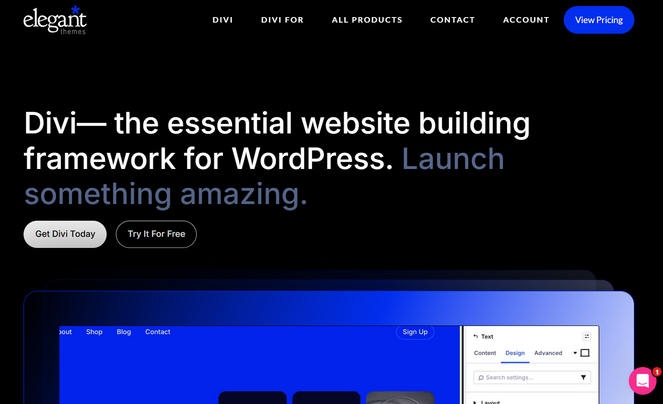
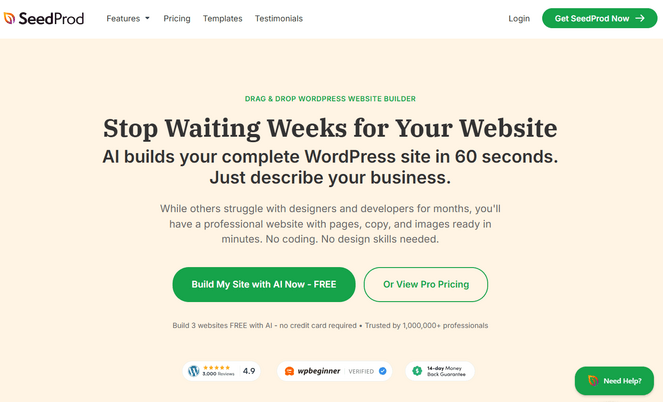
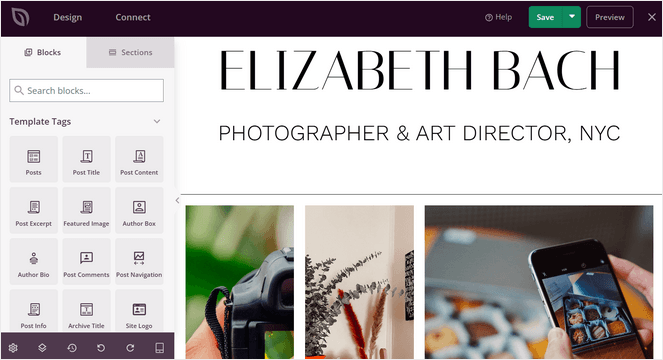
2. Advanced Customization Platforms: SeedProd and Divi
For photographers seeking full creative autonomy, site builders like SeedProd and Divi represent a departure from traditional theme limitations. These platforms function as a "theme builder," allowing users to design custom layouts at the template level. While these tools require a steeper learning curve, they offer sophisticated control over user interface (UI) and user experience (UX) elements, such as parallax scrolling, custom hover effects, and interactive gallery transitions that are often unavailable in standard templates.
3. Enterprise-Level Solutions: Imagely and Border
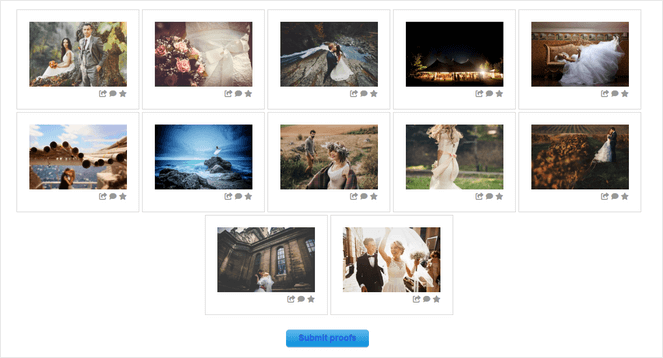
For professional photography businesses, the requirements extend beyond simple display. Imagely, for example, integrates client proofing, print sales, and automated laboratory fulfillment directly into the WordPress dashboard. This integration represents a significant shift in business management, effectively centralizing operations that previously required disparate third-party software. By removing the need for external platforms to handle orders, these themes reduce administrative overhead for professional studios.

Market Trends and User Adoption
The shift toward "all-in-one" solutions is evident in the adoption rates of themes that incorporate WooCommerce support natively. With the growth of digital print sales, photographers are increasingly looking for themes that provide seamless "add-to-cart" functionality. According to recent surveys on digital creator workflows, nearly 60% of professional photographers who maintain their own websites have moved toward integrated e-commerce solutions to facilitate easier print-on-demand services.
Strategic Implications for Photographers
Choosing the right theme involves a trade-off between customization and speed. A brief analysis of current site performance data reveals that while highly custom, feature-rich themes offer superior visual impact, they often require more rigorous optimization of assets. Conversely, lightweight frameworks like Neve or Astra provide a faster "out-of-the-box" experience but may require additional coding or specialized plugins to achieve high-end visual effects like animated portfolio transitions or sophisticated gallery layouts.
Assessing Future-Proofing and Support
A critical factor often overlooked by amateur photographers is the long-term support and update cycle of their chosen theme. In the rapidly changing environment of WordPress—where core updates are released frequently—themes that do not maintain compatibility with the latest versions of PHP and the WordPress block editor risk becoming obsolete or vulnerable to security breaches. Themes like OceanWP and Astra maintain massive user bases, which ensures that they receive frequent security patches and community-driven support, making them statistically safer choices for long-term project viability.

Establishing a Professional Workflow
For the modern photographer, the website is the primary storefront. A successful deployment typically follows a specific chronology:

- Asset Optimization: Prior to uploading to a theme, images must be compressed and resized to match the theme’s specific breakpoints.
- Framework Selection: Choosing a foundation that supports native lazy-loading to ensure speed is not sacrificed for resolution.
- Integration of Business Logic: For professionals, selecting a theme that includes client-proofing and payment gateway integration to streamline customer interaction.
- SEO Configuration: Ensuring the theme supports clean metadata, as image-heavy sites require robust alt-tagging and schema markup to rank in search results.
Conclusion: Matching Objectives to Features
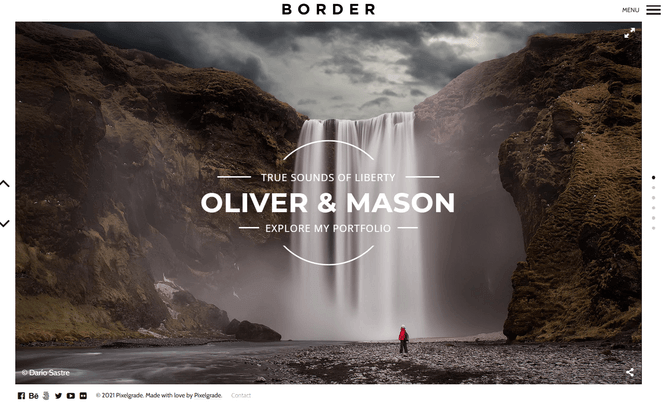
The decision-making process should be grounded in the photographer’s primary goal. If the objective is a minimalist portfolio, the distraction-free layouts of a theme like Border are ideal. If the objective is to build a scalable photography brand with e-commerce, client management, and high-volume traffic, a specialized enterprise solution like Imagely is the industry standard. For the majority of freelance photographers, a high-performance multipurpose theme—such as Sydney or Astra—offers the most efficient path to a professional, fast, and SEO-friendly online presence.
Ultimately, the best theme is one that stays in the background, allowing the imagery to command the viewer’s full attention while maintaining a technical performance that satisfies modern search engine requirements. As web standards continue to prioritize Core Web Vitals, the emphasis on choosing a theme that is "performance-first" will remain the most important consideration for any serious visual artist in the digital age.