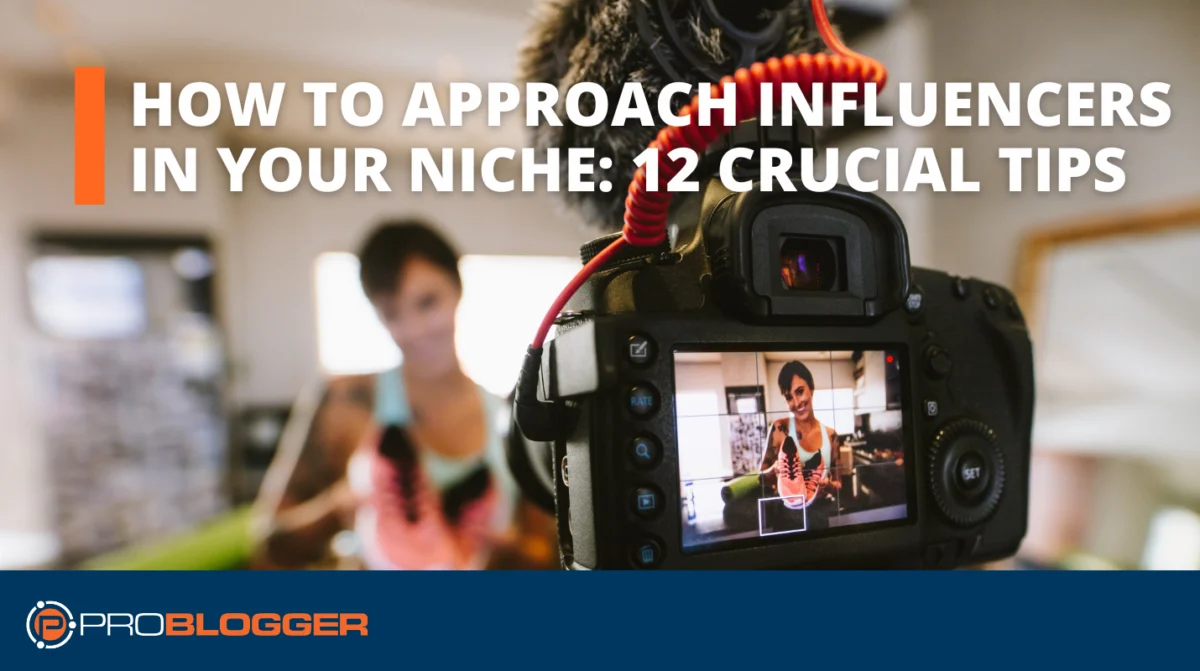
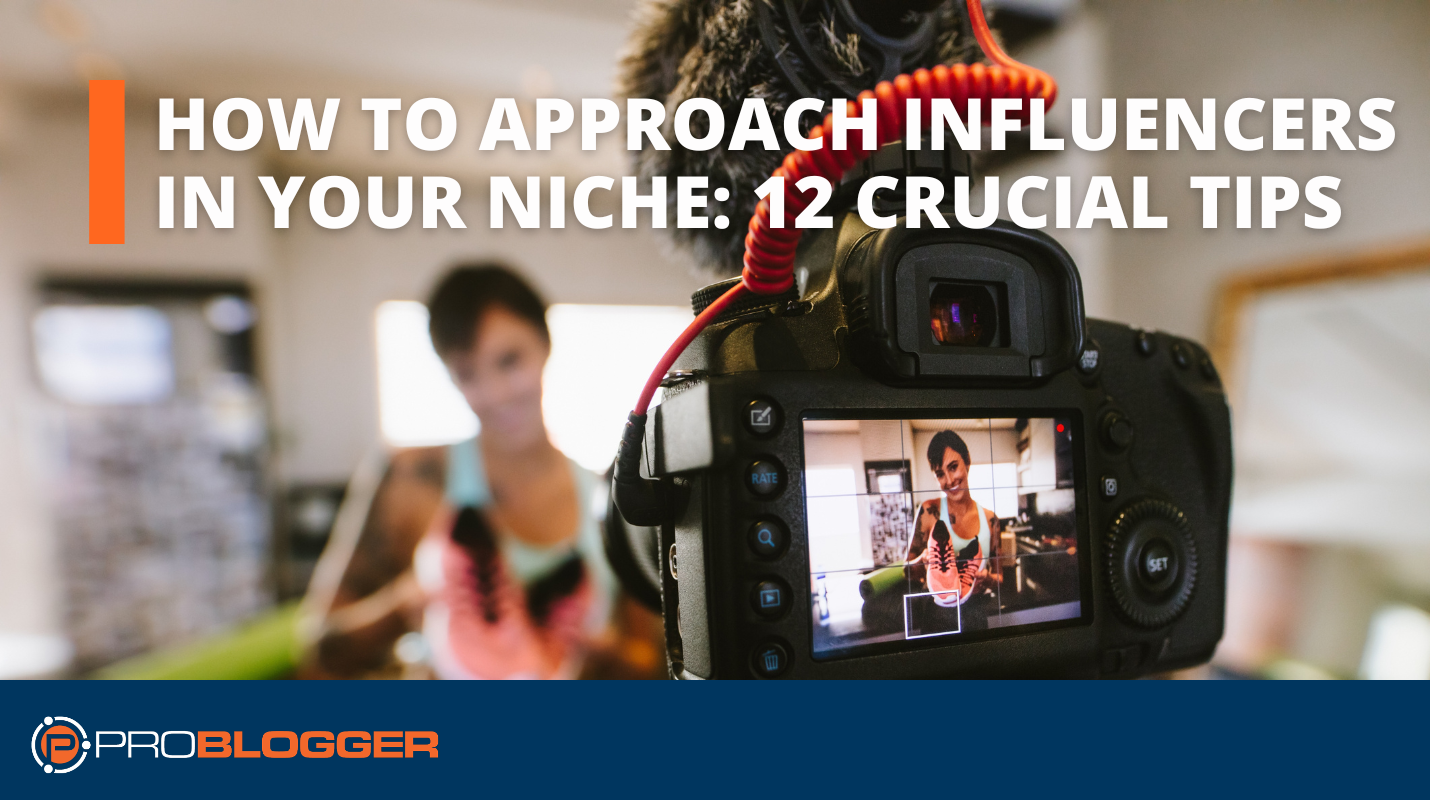
In the modern digital economy, the ability to build meaningful professional relationships with industry influencers has become a cornerstone of successful brand development and audience expansion. As the content landscape becomes increasingly saturated, the efficacy of traditional cold-outreach methods has plummeted. Industry data indicates that mass-automated email campaigns, once the industry standard for networking, now experience engagement rates of less than 2%, as influencers at the top of their fields report receiving upwards of 100 unsolicited solicitations per day. This shift necessitates a move toward high-touch, value-driven engagement strategies that prioritize genuine human connection over systemic automation.
The Failure of Automated Outreach Systems
The proliferation of "influencer outreach software"—tools designed to automate mass email sequences based on open rates and click-through metrics—has created a paradox for digital creators. While these tools promise efficiency, they often result in significant brand degradation for the sender. Analysis of high-volume inbox management suggests that influencers frequently discard automated communications due to their lack of personalization, frequent grammatical errors, and blatant misalignment with the recipient’s current professional focus.
Historically, the evolution of digital networking has seen a departure from the "spray and pray" methodology of the early 2010s. By 2024, the professional standard has shifted toward "relationship-first" networking. Experts in digital communications note that influencers who have spent years curating their audience are inherently protective of their brand identity. Consequently, any approach perceived as robotic or transactional is frequently met with silence or, in extreme cases, public dismissal, which can permanently blacklist a brand from a specific influencer’s network.
Strategic Framework for Influencer Engagement
For professionals aiming to build long-term collaborations, the process must be viewed as an investment in social capital rather than a marketing tactic. A chronological approach to this process involves three distinct phases: Observation, Value Contribution, and Targeted Engagement.
Phase I: Establishing Professional Credibility
Before initiating contact, the prospective partner must conduct an audit of their own digital footprint. Influencers, when approached, perform "due diligence" by researching the sender’s website, social media activity, and professional history. An influencer’s decision to engage is often predicated on the sender’s perceived credibility. An active, professional, and consistent online presence acts as a baseline requirement. If a potential partner’s social media feed is dominated by negative discourse or lacks a clear thematic focus, the probability of securing a high-level partnership drops significantly.
Phase II: Mapping Engagement Channels
Successful networking requires identifying the specific platforms where an influencer is most active and receptive. While an individual may maintain profiles on five or more social networks, they rarely maintain uniform engagement levels across all of them. Strategic research—tracking where an influencer replies to comments or hosts live discussions—is essential. By focusing efforts on these high-activity channels, the sender can ensure their communication reaches the recipient in a space where they are psychologically prepared to interact.
Phase III: Contributing to the Ecosystem
The most successful outreach initiatives are those that alleviate the workload of the influencer. This involves proactive, non-solicited contributions to the influencer’s ecosystem, such as:

- Substantive Commentary: Moving beyond superficial praise to provide constructive, value-added insights in the comment sections of an influencer’s blog or social media posts.
- Community Management: Assisting in the moderation or welcoming of new members within an influencer’s private group or forum, thereby freeing the influencer to focus on high-level content production.
- Content Support: Providing research, identifying broken links, or flagging typographical errors in a professional and private manner. Such actions demonstrate a commitment to the influencer’s quality standards.
Data-Driven Approaches to Value Creation
Supporting an influencer’s business objectives—specifically those related to audience growth and product sales—is the most effective way to transition from a stranger to a recognized professional contact.
Industry analysts observe that influencers are most receptive to external engagement during key growth cycles, such as a product launch, a book release, or a shift in platform focus (e.g., launching a new YouTube channel). During these periods, the influencer’s bandwidth is constrained, yet their need for distribution is at its peak. Providing assistance through affiliate marketing, creating high-quality testimonials, or offering to produce secondary content (such as a case study or a guest post) creates a mutually beneficial "win-win" scenario.
Research indicates that public endorsements, such as linking to an influencer’s work from a high-authority publication or mentioning them during a public presentation, are among the most effective methods for catching an influencer’s attention. When an individual provides "earned media" for an influencer, it establishes a record of mutual respect that far outweighs the impact of a direct cold email.
Ethical Boundaries and Professional Conduct
A critical aspect of professional networking is the maintenance of clear boundaries. The distinction between an "enthusiastic professional" and a "stalker" is often defined by the respect shown for the recipient’s time and privacy. Sending unsolicited, high-value, or overly personal gifts is generally discouraged, as it can create an uncomfortable obligation.

Furthermore, the "no-response" scenario is a standard reality of professional life. With thousands of followers and complex daily schedules, influencers often lack the capacity to respond to every inquiry. Industry experts advise that a lack of response should never be interpreted as an invitation to escalate, attack, or complain on public forums. Such actions are professionally fatal and often lead to immediate isolation within the niche community.
Long-Term Implications for Brand Networking
The cumulative effect of these twelve tips is the creation of a genuine, sustainable relationship that exists independently of a specific "ask." The most productive networking occurs when the initial connection is established long before a favor or collaboration is required.
From a strategic perspective, the goal of networking is to move from being an unknown entity to a "known quantity." When an influencer recognizes a name as a consistent, helpful, and professional presence, the barrier to future collaboration is significantly reduced. This long-term view is essential for anyone seeking to scale their brand within a competitive niche.
Conclusion
Building relationships with industry leaders is not a process that can be outsourced to software. It requires a commitment to human-centric interaction, professional decorum, and the consistent delivery of value. By focusing on the influencer’s needs, maintaining a high standard of professional integrity, and accepting the reality of the digital communication cycle, professionals can navigate the complexities of modern networking. Ultimately, the success of these efforts is measured not by the number of emails sent, but by the strength of the professional community one is able to build over time.