The landscape of digital marketing is experiencing a profound technological disconnect, driven by the rapid evolution and subsequent stagnation of artificial intelligence tools in the workplace. While corporate executives and senior marketing leaders have increasingly embraced artificial intelligence as the ultimate panacea for efficiency and scale, practitioners on the front lines of social media management are sounding the alarm. According to recent industry data, a staggering chasm has opened between executive confidence and operational reality, proving that general-purpose artificial intelligence models are fundamentally ill-equipped to handle the fast-paced, highly nuanced environment of contemporary social media networks.

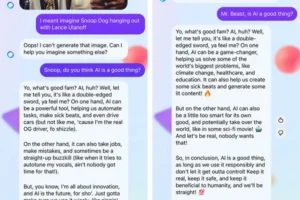
The core of this systemic failure lies in the architectural foundation of most existing artificial intelligence systems. General-purpose large language models are typically trained on static web crawls, historical internet archives, and generalized corporate data, leaving them with significant knowledge cutoffs. Consequently, these systems operate with a blind spot toward the real-time ecosystem of social media, where cultural conversations shift, peak, and disappear within a matter of 48 hours. When social media managers rely on these legacy tools, they encounter generic phrasing, formal blog-like structures, and tone-deaf content that fails to resonate with platform-native audiences.
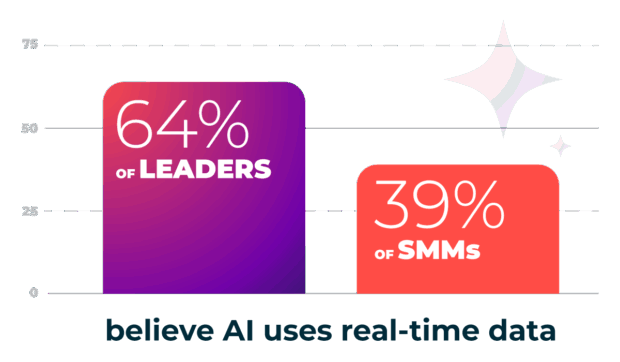
The operational implications of this technological mismatch are both costly and exhausting. Far from saving time, current general-purpose artificial intelligence solutions frequently demand intensive micromanagement. Industry metrics indicate that over forty percent of social media managers now spend more than eleven hours every week coaxing usable content out of tools that were originally marketed as time-saving automation assets. Instead of being liberated to focus on high-level creative strategy and community building, these professionals find themselves trapped in endless review cycles, manually rewriting robotic copy, and reverse-engineering underperforming outputs.
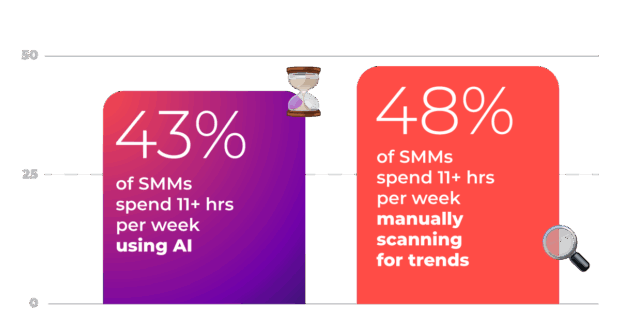
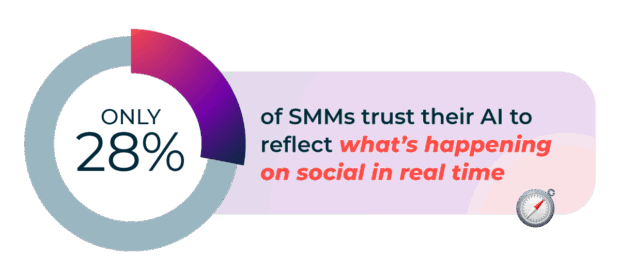
This inefficiency cascades upward into corporate strategy, severely hampering organizational agility. Nearly sixty percent of senior marketing leaders report that their campaigns routinely launch long after the relevant trend window has closed. In an industry where timing dictates visibility and relevance, missing a cultural moment by a matter of days renders a marketing campaign effectively obsolete. This structural delay has fueled a crisis of confidence among practitioners; only twenty-eight percent of social media managers express genuine trust in their current suite of artificial intelligence tools to accurately reflect real-time developments across digital networks.
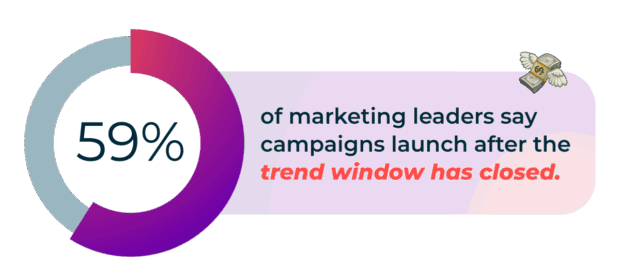
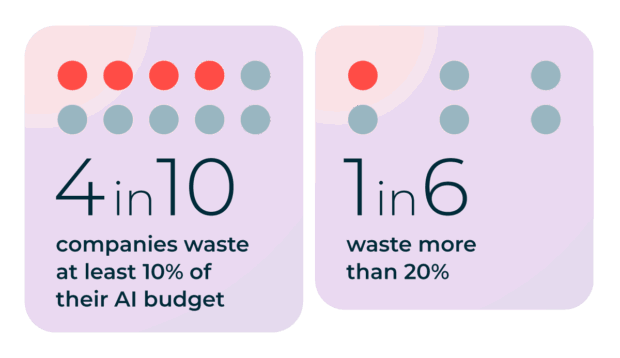
The financial fallout from this misalignment is becoming increasingly difficult for corporate finance departments to ignore. Recent enterprise marketing surveys reveal that forty percent of senior marketing executives admit to wasting at least ten percent of their allocated artificial intelligence budgets on underperforming software solutions that failed to deliver measurable return on investment. Despite these widespread failures, corporate investment in artificial intelligence continues to climb at an unprecedented pace. Organizations are aggressively expanding their technology expenditures, with many allocating more than twenty percent of their overall marketing budgets to artificial intelligence infrastructure. However, industry analysts point out that organizational readiness lags significantly behind financial commitment; while budgets swell, only a fraction of companies possess the necessary framework to successfully scale these capabilities.
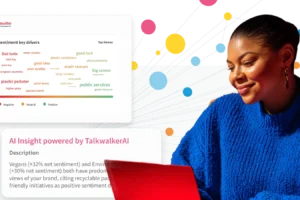
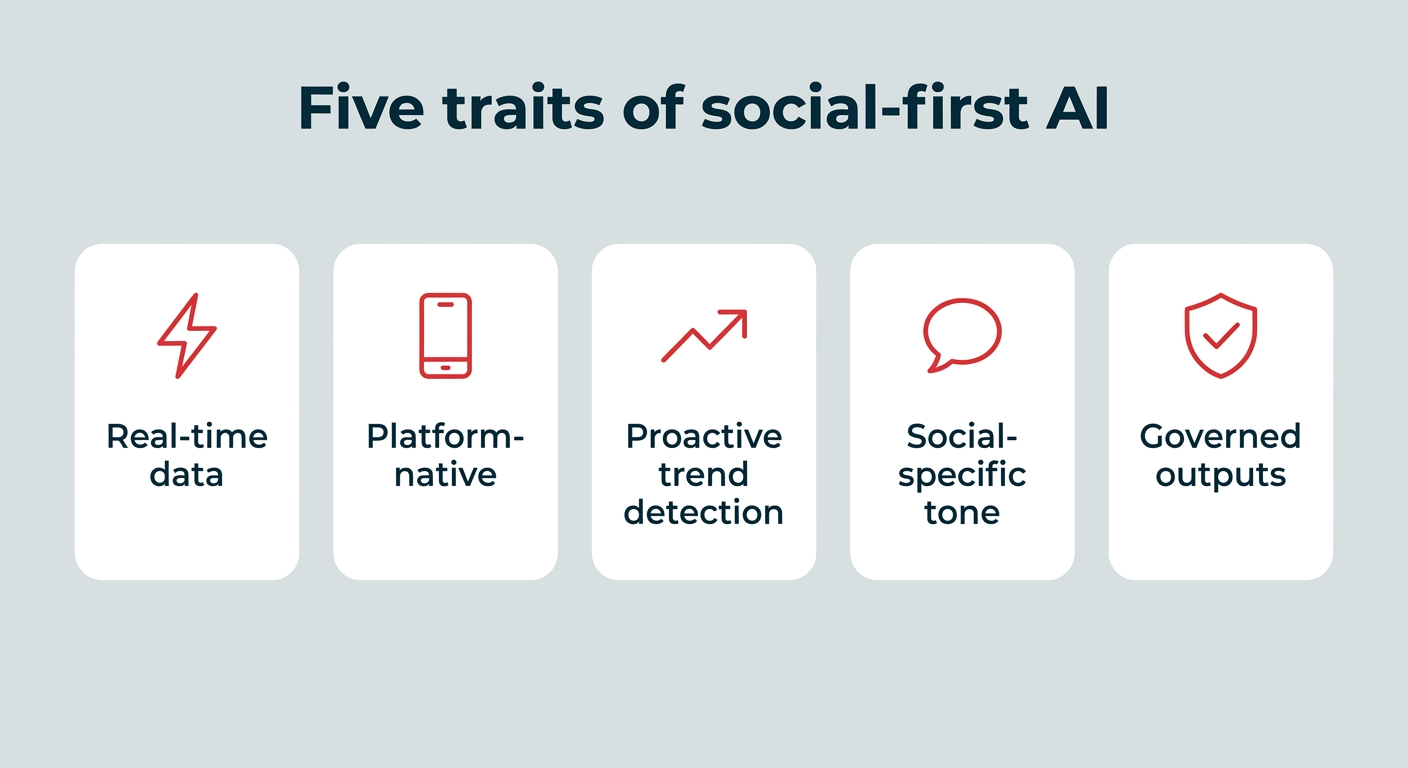
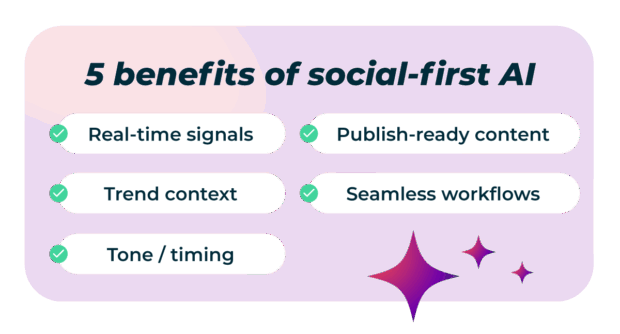
Industry experts argue that the solution does not lie in abandoning artificial intelligence, but rather in a fundamental paradigm shift toward social-first artificial intelligence architectures. Unlike their general-purpose predecessors, social-first systems are engineered explicitly around live social signals, platform-native workflows, and dynamic trend detection algorithms. By grounding content generation and sentiment analysis in real-time streaming data from millions of global sources, these specialized platforms narrow the gap between digital conversation and corporate execution.
The distinction between general-purpose and social-first systems manifests clearly across several operational dimensions. While general-purpose models rely on outdated web data and treat every digital channel with a uniform voice, social-first architectures are designed to recognize the distinct formatting, audience norms, and linguistic nuances of individual platforms like TikTok, LinkedIn, and Instagram. Furthermore, advanced social intelligence systems incorporate proactive trend detection mechanisms that alert teams to emerging conversations on day one, rather than summarizing historical metrics in a retrospective weekly report.
To address these systemic shortcomings, enterprise technology providers are beginning to roll out integrated social operating systems designed specifically to bridge the divide between insight and action. Platforms such as Hootsuite Social OS exemplify this transition by unifying conversational artificial intelligence, real-time listening intelligence, content creation, customer care, and strict governance controls into a single, cohesive ecosystem. Within such integrated frameworks, specialized artificial intelligence agents handle distinct operational duties—ranging from multilingual sentiment tracking and competitive analysis to automated brand safety checks and compliance approvals.
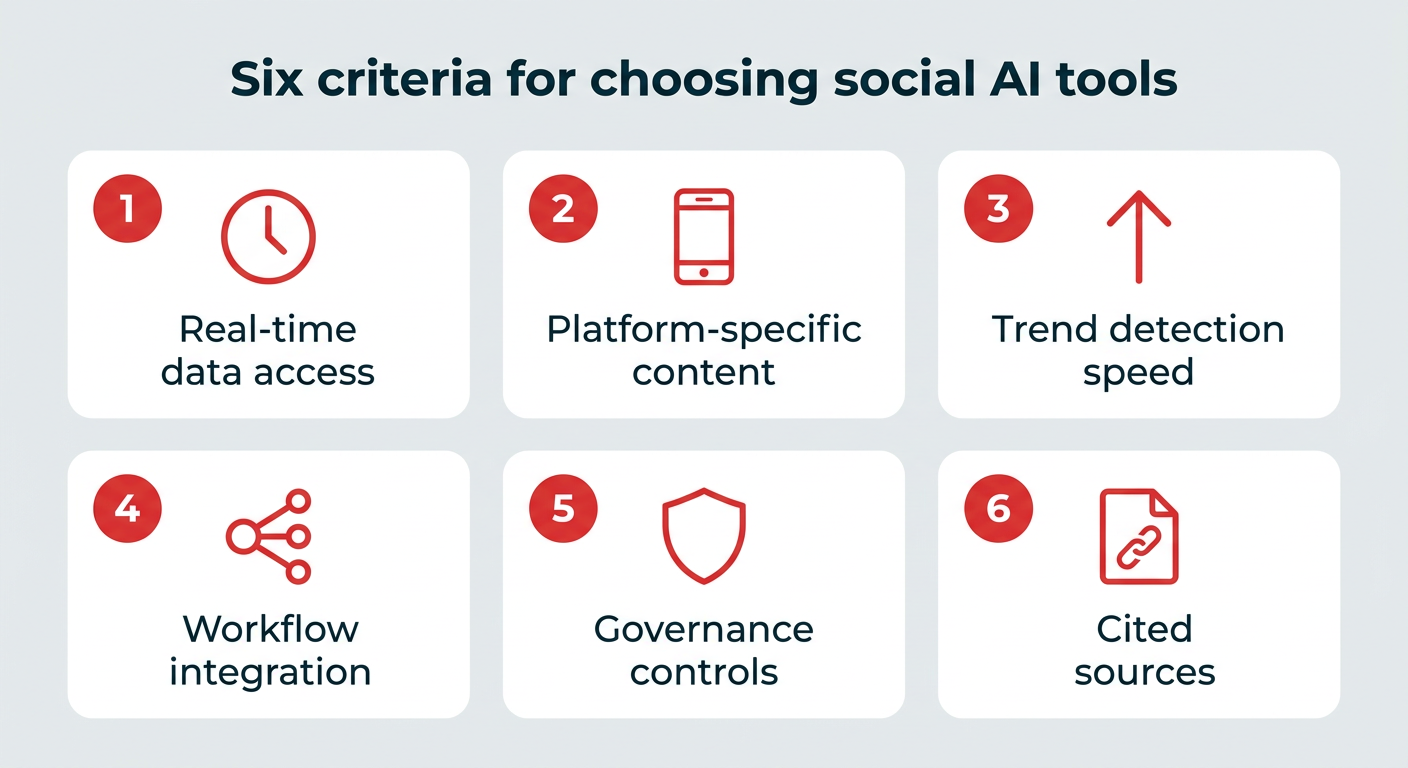
Governance and brand safety remain paramount concerns as enterprises scale their artificial intelligence operations. Speed without strict oversight exposes organizations to severe reputational risks, unverified statistics, and compliance breaches. Consequently, modern social-first platforms incorporate robust governance layers that enforce brand guidelines, route content through predefined approval hierarchies, and maintain immutable audit trails. These built-in safeguards ensure that the velocity enabled by machine learning does not compromise corporate integrity or brand voice.
Looking ahead, the trajectory of artificial intelligence in marketing is poised to move beyond simple content drafting and performance summarization. The next phase of development centers on agentic workflows and advanced machine-to-machine connectors that seamlessly integrate social intelligence into broader enterprise software suites. By allowing real-time social signals to automatically inform broader organizational strategies, businesses can transition from reactive content generation to proactive, coordinated market responsiveness. Ultimately, the successful deployment of social-first artificial intelligence will redefine the relationship between data and creativity, transforming social media management from a high-friction administrative burden into a streamlined, high-impact driver of business growth.