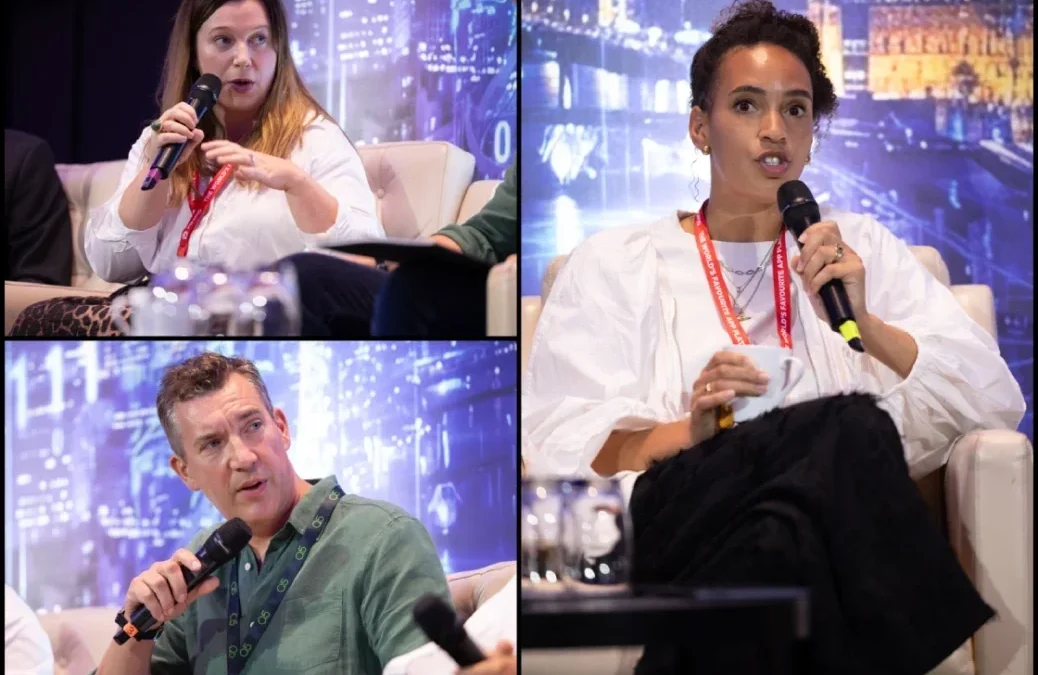
Legacy publishers and major broadcasters must pivot away from narrow platform fixation and instead adopt the deeply community-driven mindsets of independent digital creators, industry leaders argued at the Press Gazette Future of Media Technology Conference in London.
Held on September 10, 2026, the high-profile gathering brought together prominent figures from the British media landscape to dissect the shifting paradigms of digital distribution, monetization, and audience engagement. As traditional linear television models decline and social video consumption skyrockets, executive voices from the BBC, The Guardian, and corporate advisory firm Q5 outlined how legacy organizations are redefining their strategies to compete—and collaborate—with the booming creator economy.
The urgency of this transition is underlined by a landmark Reuters Institute report released earlier this year. The study revealed that 76% of senior publishing executives want their editorial and production staff to operate more like individual creators. Furthermore, the findings showed that half of these media organizations plan to actively partner with established digital creators for content distribution, while 31% intend to hire independent creators outright to bolster their social video output.
Graham Page, head of media at corporate consultancy Q5, highlighted the profound cultural shift happening inside newsrooms during his presentation at the conference. Page noted that publishers are increasingly demanding greater personality and stronger opinions from their journalists. To keep pace with the agile, hyper-responsive creator economy, traditional reporters are being pushed to turn stories around faster, speak directly to the camera, and publish updates rapidly.
BBC Studios Transforms Social Footprint Through Watch Time Focus
Among the legacy institutions successfully navigating this digital migration is BBC Studios. Producing high-profile entertainment and factual content for globally recognized brands such as Top Gear, BBC Earth, Doctor Who, and Bluey, the commercial arm of the public broadcaster operates more than 150 dedicated social media channels worldwide.
This robust digital portfolio is designed to capture advertising revenue that has steadily migrated away from traditional linear television viewing and toward social video platforms. The strategy is paying massive financial and engagement dividends. According to the BBC’s annual report and accounts for the period leading up to March 31, social video revenue at BBC Studios surged by 23% year-on-year. Concurrently, total watch time for its content on YouTube nearly doubled, reaching an astonishing 14.7 billion annual views, with the Top Gear YouTube channel alone seeing a 100% increase in watch time.
Jasmine Dawson, Senior Vice President of Digital at BBC Studios, explained to the London conference audience that her team has deliberately avoided becoming what she termed "platform obsessed."
"I think there’s a real danger to that because you sort of go, oh, everyone’s on Substack. What’s our Substack strategy?" Dawson said. Instead of chasing every emerging tech trend, Dawson emphasized that her organization remains rigorously "obsessed" with its audience. This focus, she argued, is the definitive dividing line between independent creators and traditional media companies.
"Creators are so obsessed with their audience. They live and breathe in their audience’s world 24/7," Dawson remarked. She detailed how this deep audience understanding dictates the BBC Studios content pipeline, allowing them to precisely coordinate what type of content is published on a Monday morning versus a Thursday night, thereby cultivating a genuine two-way relationship with viewers.
Crucially, Dawson noted that the lessons learned in entertainment media apply equally to news publishers expanding their social video footprints. The BBC Studios digital team has notably pivoted away from fixating on raw view counts. Instead, they measure success by audience retention and the duration of engagement required to convert casual viewers into dedicated fans.
Dawson also cautioned against the reflexive urge among legacy publishers to exclusively target young demographics for survival. Knowing one’s core audience, she argued, remains far more vital than blindly chasing youth trends. On the commercial front, Dawson advised publishers against relying entirely on the platform-controlled monetization models of giants like YouTube or TikTok. To maintain financial stability, BBC Studios built an in-house digital sales team capable of independently selling creator-specific branded content, sponsorships, and custom campaigns.
The Guardian Leverages Two Centuries of Trust for New Video Push
While entertainment brands look to creators for agile formats, legacy print institutions are seeking to merge modern creator techniques with deep-seated institutional credibility. The Guardian is currently building non-news digital shows through its newly established in-house production arm, Guardian Studios.
Tasked with creating talent-led, long-form video content specifically tailored for platforms like YouTube, Guardian Studios represents a significant pillar in the publisher’s broader global investment strategy. Announced in June, the initiative includes the creation of 55 new digital jobs designed to make the legacy newspaper more visual, digital, global, and experimental. Among the high-profile hires is TV developer Derren Lawford, who recently joined the hub as executive producer for development.
Leah Green, head of Guardian Studios, told the Future of Media Technology Conference that while The Guardian boasts a stellar history and ongoing output of rigorous news videos and podcasts, substantial white space remains for lifestyle, culture, tech, AI, and food programming.
Green addressed the common perception that operating as a 200-year-old legacy brand acts as a restrictive anchor in the fast-paced digital era. On the contrary, she argued that the institutional trust and reputation accumulated over centuries represents an invaluable asset that independent creators can never replicate.
"I think it would be a mistake to try and completely replicate the creator economy. I think it’s about learning and taking the best of it, while also being true to the brand that you have and should be very proud of," Green stated. Having previously worked on acclaimed Guardian podcasts such as Today in Focus and Comfort Eating with Grace Dent, Green emphasized that bringing in external talent must be done carefully, avoiding a blind rush to hire transient "TikTok news people" that could alienate the existing readership.
Unlike traditional legacy multimedia output that often evolved reactively over the past decade, Guardian Studios is building its upcoming slate directly around individual hosts and personalities from day one. Monetization for these new personality-led shows will rely heavily on brand sponsorships and integrated advertising, representing one of the closest collaborations between commercial and editorial departments in the publisher’s history.
Strategic Frameworks and Financial Sustainability for Publishers
Synthesizing the core dilemmas facing modern media houses, Graham Page of Q5 outlined four primary strategic avenues available to legacy companies looking to harness the creator economy:
- In-House Investment: Committing significant financial and institutional resources to empower existing brand talent to produce content through innovative formats, mirroring the approach of Guardian Studios.
- Alternative Brand Incubation: Creating entirely new digital brands detached from the parent legacy name to capture audiences who might otherwise harbor preconceived biases against traditional outlets like the BBC or major newspapers.
- Joint Ventures and Acquisitions: Partnering with established independent creative businesses or outright acquiring digital-first production companies.
- Platform Independence and Revenue Diversity: Maintaining strict control over distinct monetization streams rather than surrendering financial autonomy to third-party tech platforms.
Page warned publishers that chasing every new digital channel risks inflating operational costs without generating genuinely valuable journalism. He stressed that editorial leaders must be willing to divest from underperforming legacy outputs before funding new experimental formats. Furthermore, Page reiterated the importance of platform diversification, noting that while services like Substack currently allow creators to retain customer data if they choose to leave, media companies must prioritize absolute control over their audience relationships and revenue streams.
As the media landscape continues to evolve through 2026, the consensus among industry leaders in London is clear: survival and growth require legacy publishers to combine the personal authenticity and audience obsession of the creator economy with the enduring editorial standards and trust of established journalism.