The recent standoff between the White House and several major news organizations has culminated in a high-stakes legal confrontation that tests the boundaries of the First Amendment and the executive power of the President of the United States. This unprecedented week of administrative obstruction and judicial intervention has sparked a nationwide debate regarding the role of the press in a democracy, the nature of government transparency, and the limits of presidential authority over access to the federal seat of power.
The Genesis of the Conflict
The dispute began when the Trump administration revoked the press credentials of several prominent news outlets—specifically CNN, MS NOW, and Politico—citing dissatisfaction with their reporting and editorial tone. In an era where the relationship between the executive branch and the media has become increasingly adversarial, this act represented a significant escalation. By denying physical access to the White House grounds, the administration sought to restrict the ability of these journalists to perform their duties, including attending daily briefings and covering events of national importance.
The administration’s initial justification for these revocations centered on vague allegations of "unprofessionalism" and "negativity." However, legal analysts and constitutional scholars quickly noted that the administration failed to provide the necessary due process protections required when stripping journalists of their access—a privilege that, while not explicitly granted in the Constitution, has become a cornerstone of the American democratic tradition to ensure accountability.
A Chronology of the Legal Battle
The week’s events unfolded with remarkable speed, moving from executive action to judicial rebuke and administrative defiance:
- Early Week: The administration formalizes the ban on CNN, MS NOW, and Politico, effectively barring their correspondents from White House grounds.
- Wednesday: U.S. District Judge Timothy Kelly presides over a hearing to determine if the administration’s actions violated the due process rights of the affected journalists.
- Thursday, 12:00 AM: Judge Kelly issues a 14-day temporary restraining order, demanding the "immediate" reinstatement of the credentials. The judge explicitly notes the government’s failure to provide notice or an opportunity for the outlets to respond to the allegations against them.
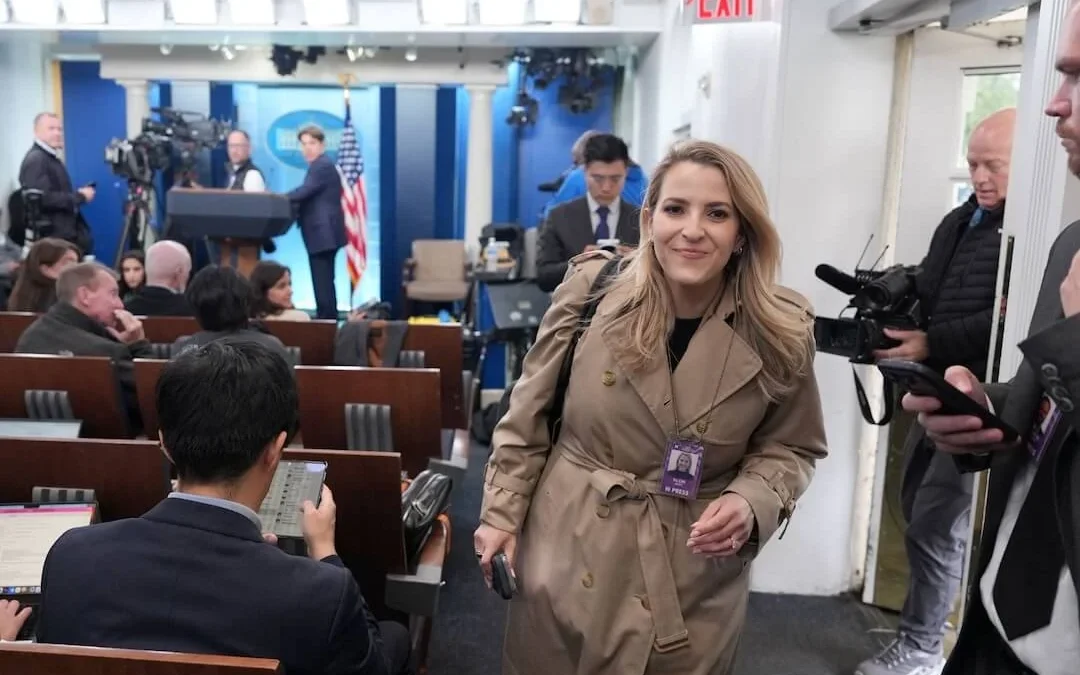
- Thursday, 6:00 AM–11:00 AM: Despite the court order, multiple journalists report being denied entry by White House security.
- Thursday, 12:30 PM: Following an emergency motion filed by legal counsel for the media outlets, the White House claims that credentials were being processed, though eyewitness accounts from journalists on the scene contradict the government’s timeline.
- Thursday, Afternoon: Full access is eventually restored, though the administrative friction continues with the exclusion of certain reporters from covering a state dinner featuring Chinese leader Xi Jinping.
The Judiciary and the Fifth Amendment
At the heart of Judge Kelly’s ruling was not just the First Amendment—which protects the freedom of the press—but the Fifth Amendment, which guarantees due process. Judge Kelly’s decision emphasized that even if the government has the right to manage access to its facilities, it cannot do so arbitrarily or without providing a mechanism for the affected party to contest the decision.
The judge’s skepticism toward the administration’s "national security" justification was particularly notable. In his written opinion, Kelly highlighted that the President’s own public statements focused on his personal dislike for the content and tone of the reporting, rather than any legitimate, objective security concerns. This gap between the administration’s stated public rationale and the President’s documented motives provided the legal basis for the court to intervene.
The Government’s Response and Tactical Defiance
The White House’s response to the court order was marked by inconsistency and administrative obstruction. While press operations officials, including Micah Stopperich, claimed that badges were "back on" as early as 9:00 a.m., reporters physically present at the gates provided conflicting testimony. This discrepancy created a moment of profound tension, as the executive branch appeared to be in a state of technical non-compliance with a federal court order.
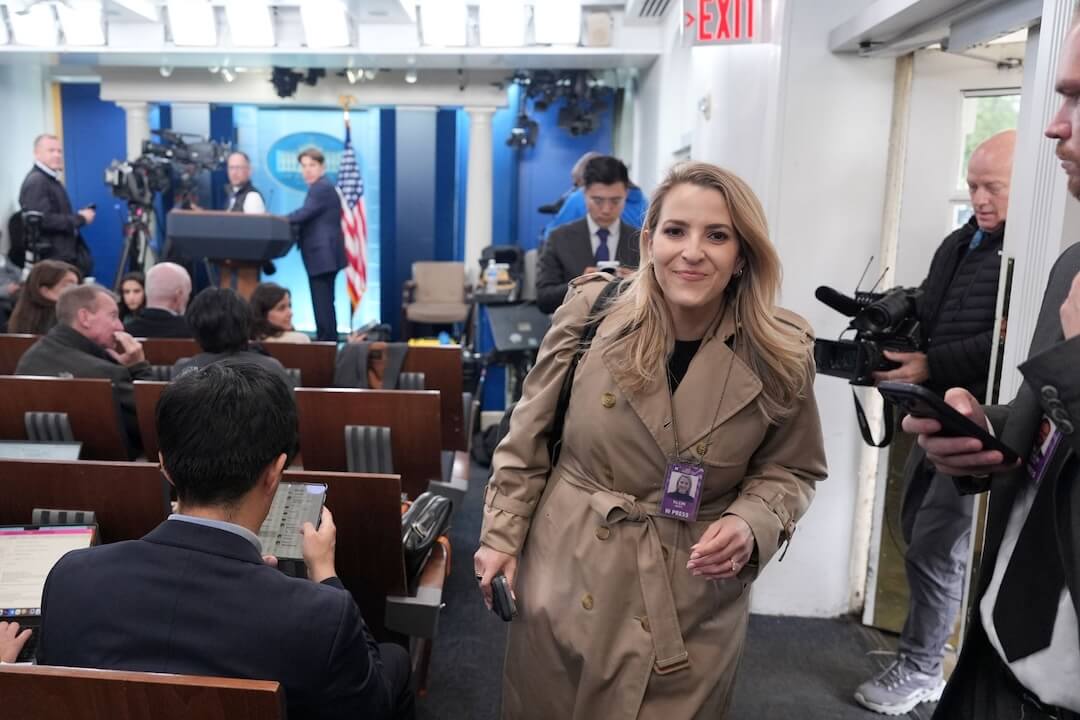
Furthermore, the exclusion of reporters from the North Portico during the state dinner suggests a pattern of behavior that goes beyond simple credentialing. By limiting access to specific outlets—allowing them camera and audio capability but denying them an "editorial presence"—the administration signaled a desire to exert control over the narrative, even while technically complying with the letter of the judge’s order.
Broader Implications for Democracy
The impact of this week’s events extends far beyond the three outlets involved. As legal counsel Theodore J. Boutrous noted during a recent broadcast appearance, the government’s initial legal brief contained language that suggested an skepticism toward the very existence of a free, critical press. For many observers, this rhetoric is more alarming than the ban itself, as it reflects a fundamental shift in the government’s perception of its own accountability.
The presence of Chinese leader Xi Jinping at the White House during this period served as a sharp, unintended metaphor. As the administration sought to project strength and diplomacy on the world stage, it simultaneously engaged in practices that mirror the restrictive media policies of authoritarian regimes. This irony was not lost on the press corps, who pointed out that state-run media outlets were granted access while domestic, independent journalists were being blocked.
The Vitality of the First Amendment
The legal victory, however temporary, underscores the resilience of the American system of checks and balances. The fact that the judiciary was able to quickly intervene and hold the executive branch accountable serves as a vital safeguard for the democratic process.
Journalism serves as a conduit of information between the government and the governed. When that conduit is restricted, the public’s ability to make informed decisions—whether in local town halls or national elections—is diminished. As media experts have argued, the protection of press freedom is not merely about protecting the interests of media corporations; it is about protecting the public’s right to know what their government is doing.
Moving Forward: The Future of Press Access
As the 14-day temporary restraining order remains in effect, all eyes are on the next phase of the litigation: the preliminary injunction. The administration will likely attempt to refine its legal arguments, perhaps by attempting to create a more formal, documented framework for the revocation of credentials. However, as legal experts have pointed out, the President’s own public comments will continue to make such an argument difficult to sustain in court.
The broader media landscape is now forced to confront a new reality where access to the White House may no longer be a standard expectation for journalists, but a privilege that must be defended in the courts. This shift will likely lead to increased cooperation among media outlets, who now recognize that an attack on one is an attack on the institutional integrity of the press as a whole.
In conclusion, this week will be remembered as a pivotal moment in the history of the modern presidency. It highlighted the fragility of the norms that govern the relationship between the White House and the press, and it served as a stark reminder of the necessity of the judiciary in maintaining the balance of power. Whether this conflict marks a temporary deviation or the beginning of a more permanent state of confrontation remains to be seen, but the outcome will undoubtedly shape the landscape of American political reporting for years to come. The fundamental question remains: in an era of intense political polarization, can the government and the press exist in a space of mutual respect, or is the adversarial nature of their relationship destined to become a permanent feature of the American political system? For now, the courts have signaled that the Constitution provides a robust, if sometimes tested, defense for the role of the press in a free society.