The modern DIY landscape has empowered millions of homeowners to undertake complex renovations, repairs, and landscaping projects. However, this accessibility masks a sobering reality: power tools, while indispensable, are inherently dangerous instruments that contribute to an estimated one million medically treated injuries annually in the United States. According to data from the U.S. Consumer Product Safety Commission (CPSC) and the Occupational Safety and Health Administration (OSHA), a significant portion of these accidents stems from improper operation, failure to utilize safety guards, and a general lack of familiarity with specific equipment nuances.
When consumers purchase tools from major retailers like Home Depot, they are acquiring high-performance machinery that requires precise handling. Manufacturers provide detailed instruction manuals not merely as a formality, but as essential safety blueprints. Understanding the mechanical limitations, kinetic energy outputs, and maintenance requirements of these tools is the primary defense against the life-altering injuries that characterize the statistics compiled by federal agencies.
The Anatomy of Power Tool Risks
The history of power tool safety reflects a persistent struggle between efficiency and operator protection. In the mid-20th century, as power tools became household commodities, injury rates surged, leading to the establishment of the Consumer Product Safety Act of 1972. This legislation mandated stricter design standards, including dead-man switches and blade guards. Despite these advancements, the human factor remains the most significant variable. Whether utilizing a benchtop band saw or a professional-grade welder, the transition from professional usage to residential DIY projects often creates a "skill gap" that manuals are designed to bridge.
High-Risk Equipment and Operational Hazards
Table Saws: The Kinetic Danger
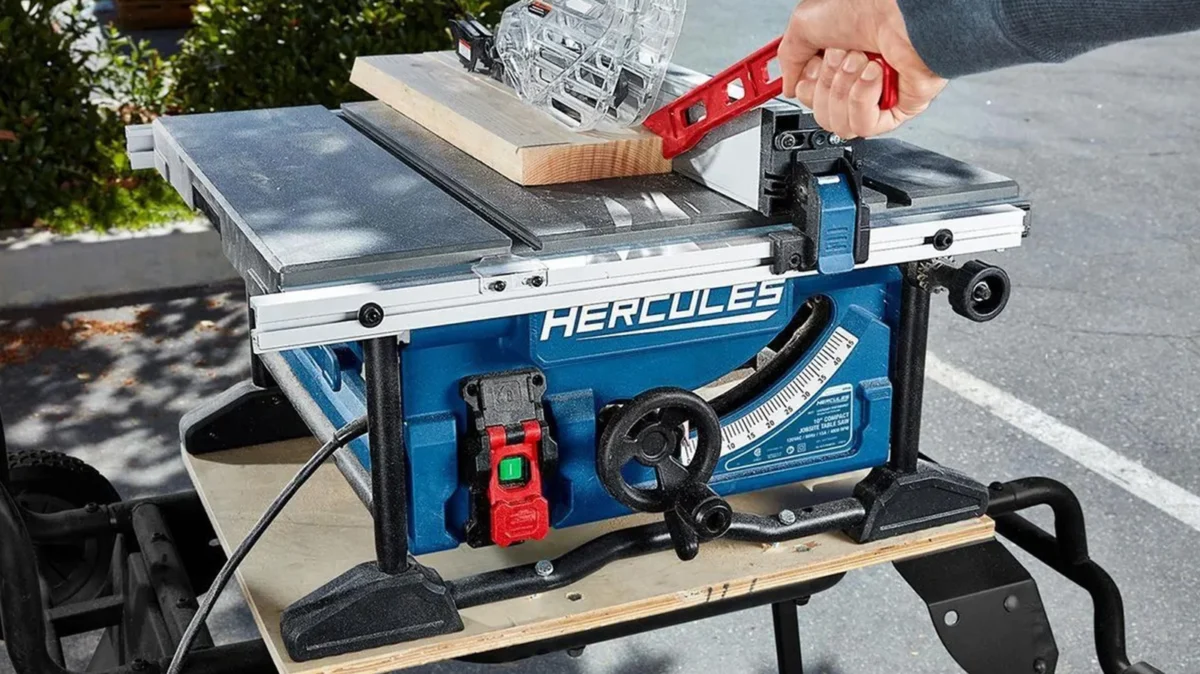
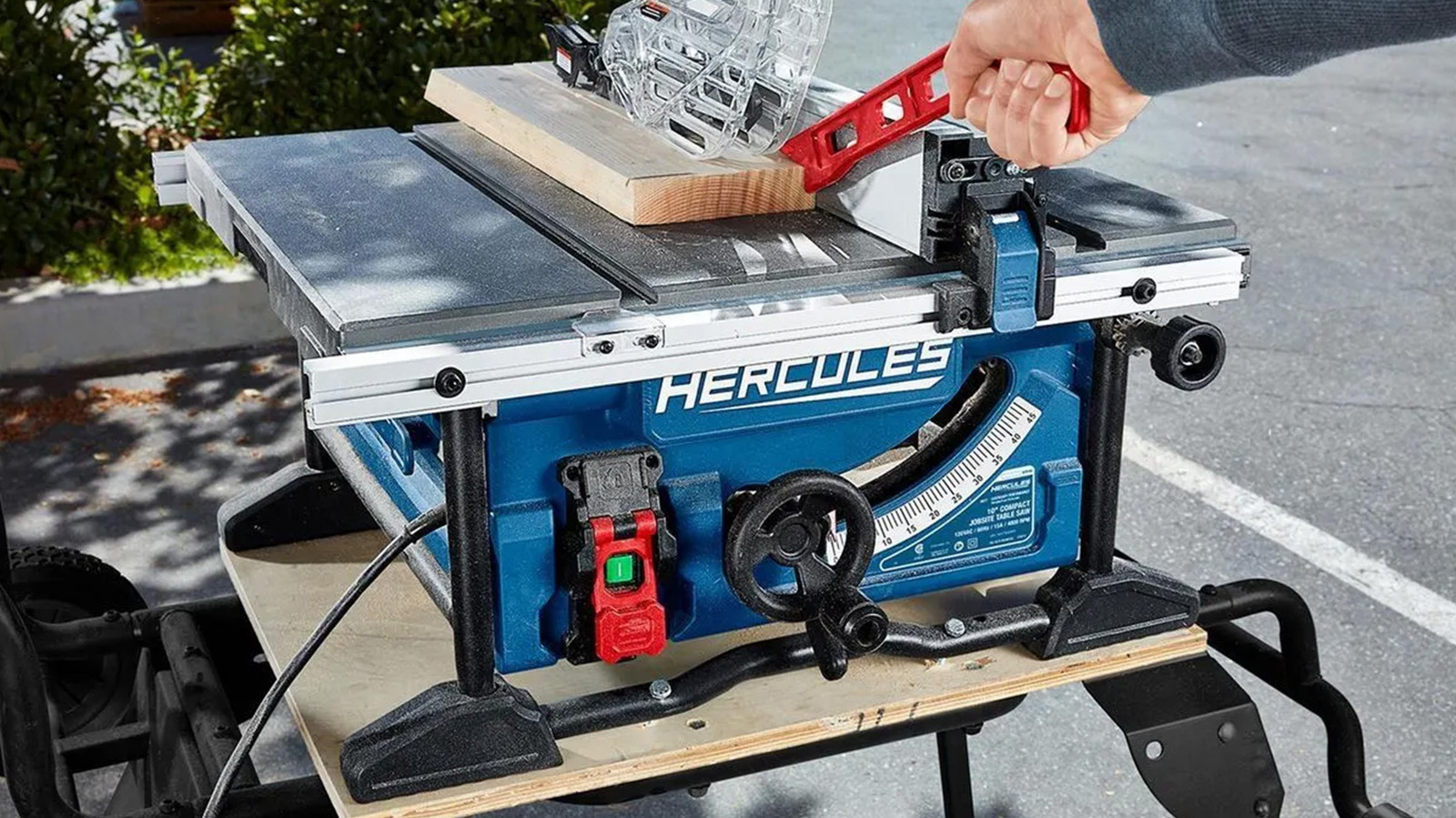
Table saws, such as the Ryobi 13-Amp 8-1/4-inch Compact Portable Table Saw, represent a category responsible for approximately 40,000 emergency room visits annually. The primary danger lies in the combination of high-speed rotation and the potential for "kickback," where the workpiece is propelled violently toward the operator. Because many residential models lack advanced flesh-sensing technology, the margin for error is non-existent. Manuals for these units emphasize the mandatory use of anti-kickback pawls and riving knives, which are critical safety components that users often bypass to facilitate specific cuts.
Angle Grinders: Managing Shatter Risks
Angle grinders, exemplified by the Milwaukee M18 Fuel 4-1/2-inch model, are among the most intimidating tools in a workshop. These devices operate at high RPMs, often exceeding 8,500, creating significant torque. When a disc shatters—a common result of applying lateral pressure or attempting curved cuts—shrapnel can travel at speeds sufficient to cause severe lacerations or ocular damage. OSHA guidelines explicitly warn against removing safety guards, a practice that frequently leads to the 5,400 injuries attributed to grinders each year.
Chainsaws: Bridging the Proficiency Gap
The DeWalt 20V MAX 12-inch Chainsaw highlights the divide between professional arborist training and amateur application. With nearly 25,000 annual injuries linked to chainsaws, the data suggests that improper chain tension and a failure to maintain lubrication are key catalysts for accidents. A dull chain forces the operator to apply excessive pressure, increasing the likelihood of the tool slipping or experiencing "tip kickback." The maintenance section of the manufacturer’s manual is not merely for performance; it is a critical safety document.
Planers and Woodworking Machinery
Woodworking tools like the Makita 6.5-Amp 3-1/4-inch Corded Planer account for over 10,000 injuries per year. These tools are often misused by operators who fail to account for power requirements, leading to potential electrical malfunctions. Furthermore, the risk of "snatch," where the wood is pulled into the blades, necessitates strict adherence to depth-of-cut settings outlined in the technical documentation.
Benchtop Band Saws: Sustained Focus
The Wen 2.8-Amp 9-inch Benchtop Band Saw illustrates the need for constant vigilance. With 3,550 annual injuries, the primary risk involves blade tracking and tensioning. A band saw blade that is improperly tensioned can deviate during a cut, potentially leading to blade breakage or binding, which often results in the operator’s hands moving toward the cutting line.
Welding and Thermal Hazards
The Ridgid 180-Amp Electric TIG Welder brings the dangers of "hot work" into the residential garage. The National Fire Protection Association (NFPA) notes that hot work is responsible for nearly 3,400 structural fires annually. Beyond the fire risk, welding involves exposure to toxic fumes and high-voltage electrical current. The manual serves as a vital guide for gas tank connectivity, gas types (such as the requirement for argon), and essential personal protective equipment (PPE) protocols.
Nail Guns: High-Velocity Risks
The Ryobi ONE+ 18V AirStrike Brad Nailer is a marvel of efficiency, yet it carries the risk of accidental discharge. Research from the U.S. Bureau of Labor Statistics indicates that two in five carpentry apprentices sustain a nail gun injury during their training. Safety manuals emphasize the "sequential trip" mechanism, which prevents the tool from firing unless the contact element is depressed against the work surface—a feature that must be understood to prevent accidental injury.
Compound Miter Saws: Precision and Power
The DeWalt 15-Amp 12-inch Compound Miter Saw is a powerful instrument capable of complex bevel cuts. Its manual provides essential diagrams for blade replacement and safety adjustments. Failure to calibrate the miter saw correctly can lead to dangerous "drift" during the cut, while the failure to address fine dust inhalation—a known health hazard—often goes unheeded by casual users.
Soldering Irons: The Subtle Danger
While soldering irons like the Weller 30W/120V unit do not cause catastrophic trauma, they are frequent sources of thermal burns and fire damage. The danger is often underestimated because the tool is small and handheld. However, the risk of leaving a heated element unattended or soldering near flammable materials is a frequent cause of minor to moderate household incidents.
Circular Saws: The Versatile Threat
Circular saws, such as the Milwaukee M18 Fuel 6-1/2-inch model, are involved in roughly 40,000 accidents annually. These injuries are often the result of "binding"—where the wood pinches the blade—or the failure to let the blade guard return to its resting position. The manual provides necessary guidance on selecting the correct blade for the material, which significantly reduces the risk of the saw kicking back toward the operator.
Outdoor Power Equipment: Lawn Mowers and Trimmers
Lawn care equipment presents perhaps the most ubiquitous danger. The Ryobi 40V 20-inch Push Mower is part of a category causing 85,000 injuries per year, including 70 fatalities. These incidents are largely preventable through basic maintenance and behavior modification, such as removing debris before mowing and never operating on wet grass. Similarly, the DeWalt Flexvolt 60V String Trimmer introduces risks related to projectiles. Attachment-capable tools, which allow for edgers or blowers, carry the added requirement of reading supplemental manuals for each specific attachment.
Institutional Implications and Safety Culture
The frequency of these injuries has prompted industry leaders to advocate for "safety-first" procurement. Manufacturers, when pressed on the issue of tool safety, emphasize that their documentation is developed in accordance with ANSI (American National Standards Institute) requirements. These manuals are designed to be the primary training material for the end-user.
From an insurance and legal standpoint, failure to follow the manufacturer’s provided safety instructions can shift the liability in the event of an accident. The data clearly shows that tools categorized as "high-injury" instruments are not necessarily defective; rather, they are often operated by individuals who have not internalized the specific safety constraints of that machine.
Conclusion: The Manual as a Preventive Tool
The recurring theme across all these tools is the accessibility of information. Whether via digital downloads on manufacturer websites or physical booklets, the knowledge required to avoid the most common, life-altering injuries is freely available. The responsibility rests with the consumer to transition from the mindset of "unboxing and using" to "reading and understanding." By acknowledging the inherent risks of high-torque and high-velocity equipment, and by strictly adhering to the protocols outlined by the manufacturers, users can significantly reduce the statistical likelihood of becoming another entry in the annual report of preventable power tool injuries.