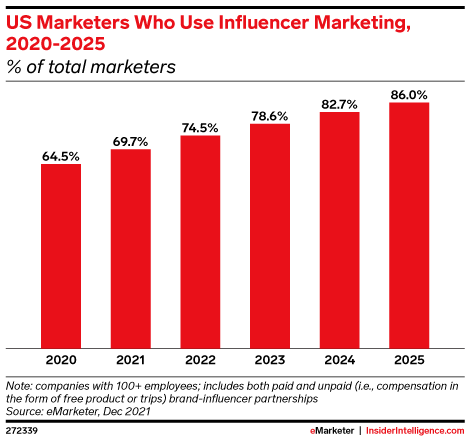
The creator economy has undergone a massive structural shift, transforming social media content creation from a speculative hobby into a robust, diversified digital enterprise. By 2026, the intersection of community building and social commerce has redefined how independent publishers, micro-influencers, and major public figures generate sustainable revenue. According to recent industry analytics from eMarketer, United States influencer marketing expenditures surpassed $10.5 billion, with projections indicating a continued upward trajectory reaching $13.7 billion by 2027. Amid this financial expansion, Instagram remains the dominant ecosystem for brand partnerships and digital monetization, capturing the largest share of overall platform investments.
Despite persistent misconceptions that financial success on social media is exclusively reserved for celebrity accounts boasting millions of followers, industry distribution data demonstrates a much more democratized landscape. Statista figures indicate that creators managing modest audiences—specifically those with follower counts ranging from 1,000 to 10,000—represent the largest share of active influencer accounts globally. Brands increasingly recognize that micro- and nano-influencers yield higher engagement rates and foster authentic consumer trust. Consequently, these smaller creators now command roughly 45.5% of total influencer marketing spend, proving that niche authority and audience loyalty far outweigh raw follower volume.

Setting the Foundation for Professional Operations
To successfully transition an Instagram presence from casual sharing to a revenue-generating asset, creators must meticulously configure their operational parameters. The platform’s built-in monetization infrastructure and advanced analytics suites are strictly restricted to optimized accounts that satisfy foundational criteria.
The initial step in this configuration process requires migrating from a standard personal profile to a Professional account through the application’s settings interface. Users must subsequently select between a Creator account or a Business account. Individuals, public figures, artists, and independent influencers typically choose the Creator designation, which provides specialized category labels and tailored monetization toolsets. Conversely, incorporated entities and merchants selling physical goods utilize the Business designation.

Following this migration, creators must navigate to their Professional Dashboard to evaluate their Account status. This critical diagnostic sector determines whether an account maintains active monetization eligibility, reviews potential content policy flags, and confirms whether posts are actively recommended to non-followers. Resolving compliance issues at this stage prevents future administrative delays. Furthermore, eligible users can opt directly into the Instagram Creator Marketplace, an internal matchmaking network where brands actively search for campaign partners based on specific niches and demographic metrics, streamlining the outreach and negotiation phases.
Diversified Revenue Streams: The 12 Pillars of Creator Income
Modern Instagram monetization extends far beyond traditional sponsored posts. Today’s digital entrepreneurs typically diversify their revenue across twelve distinct verticals, blending native platform features with external commerce strategies.
-
Sponsored Brand Partnerships
Sponsored content remains a cornerstone of influencer revenue. Brands contract creators to produce in-feed photos, multi-frame Stories, Carousels, or Reels that subtly integrate promotional messaging. Unlike historical ad formats that felt intrusive, contemporary brand collaborations emphasize authentic storytelling, such as "get-ready-with-me" videos or day-in-the-life vlogs where products are naturally featured. Micro-influencers frequently leverage the Creator Marketplace to secure these partnerships without cold pitching. -
Affiliate Marketing Programs
Affiliate marketing allows creators to earn passive commissions by sharing trackable purchase links via Story link stickers, broadcast channels, or centralized link-in-bio hubs. Utilizing platforms like Amazon Associates, LTK, ShareASale, and Rakuten, creators generate compounding revenue from evergreen content that continues to drive sales months after publication. -
Reels Ad Revenue Sharing
Instagram compensates qualifying creators through a performance-based revenue-sharing model tied to Reels ads. Because the platform prioritizes short-form video for discovery among non-followers, ad revenue tied to qualifying plays serves as a lucrative supplementary income layer, though payouts vary based on regional advertiser demand and niche demographics.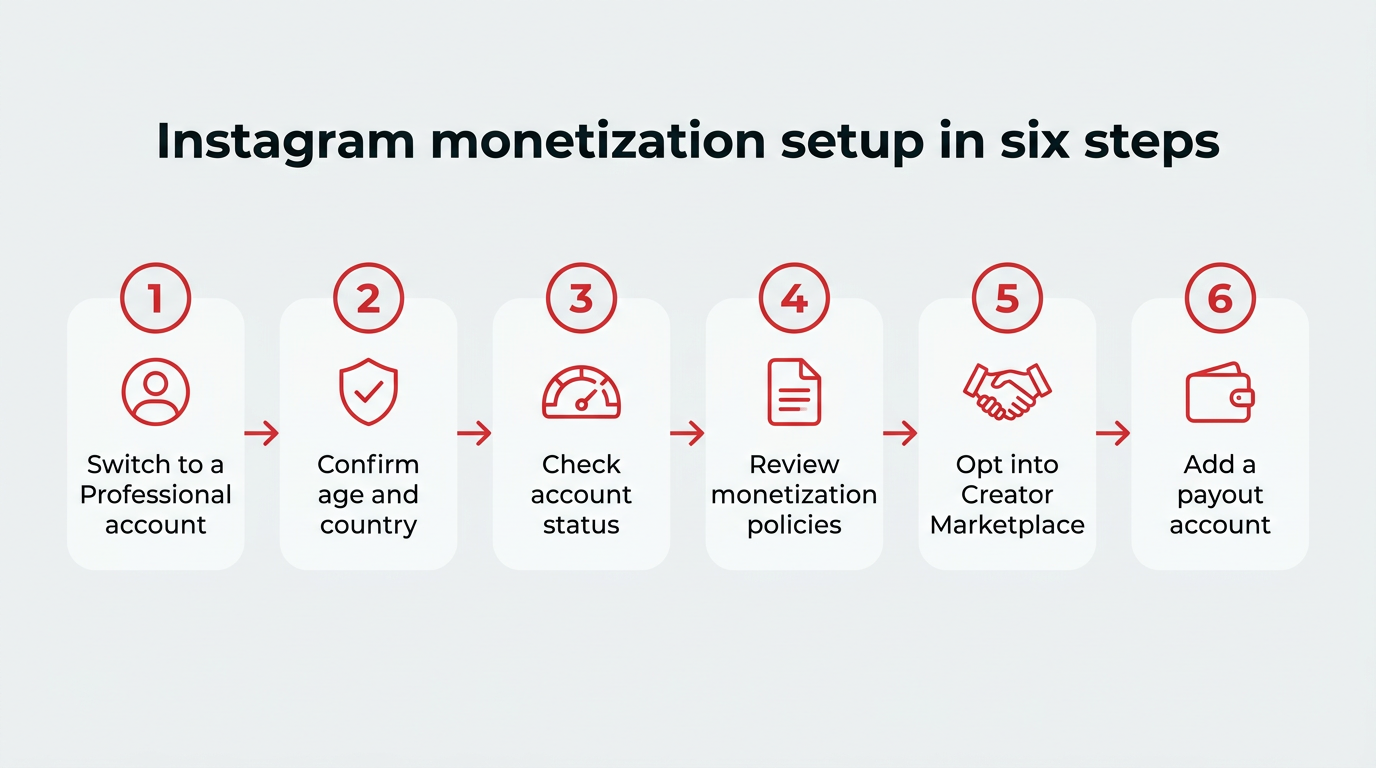
-
Recurring Income via Instagram Subscriptions
Instagram Subscriptions provide predictable, recurring monthly revenue by allowing loyal followers to pay a customized fee—ranging from $0.99 to $99.99 per month—for exclusive content. Subscribers receive a distinct purple badge and gain access to gated Stories, live streams, broadcast chats, and specialized Reels, mitigating the revenue volatility often associated with algorithmic fluctuations. -
Live Badges and Digital Gifts
During live streaming sessions, viewers can purchase Badges priced between $0.99 and $4.99 to publicly demonstrate financial support, which highlights their comments with a dedicated heart icon. Similarly, virtual Gifts applied to eligible Reels provide creators with a direct percentage of the virtual asset’s cash value, rewarding strong audience affinity. -
High-Margin Digital Products
Selling proprietary digital goods—such as e-books, preset packs, specialized templates, masterclasses, and educational guides—offers some of the highest profit margins in the creator economy. Once created, marginal fulfillment costs remain virtually zero. Creators seamlessly drive traffic to these assets via link stickers, pinned grid posts, and automated Direct Message (DM) keyword funnels.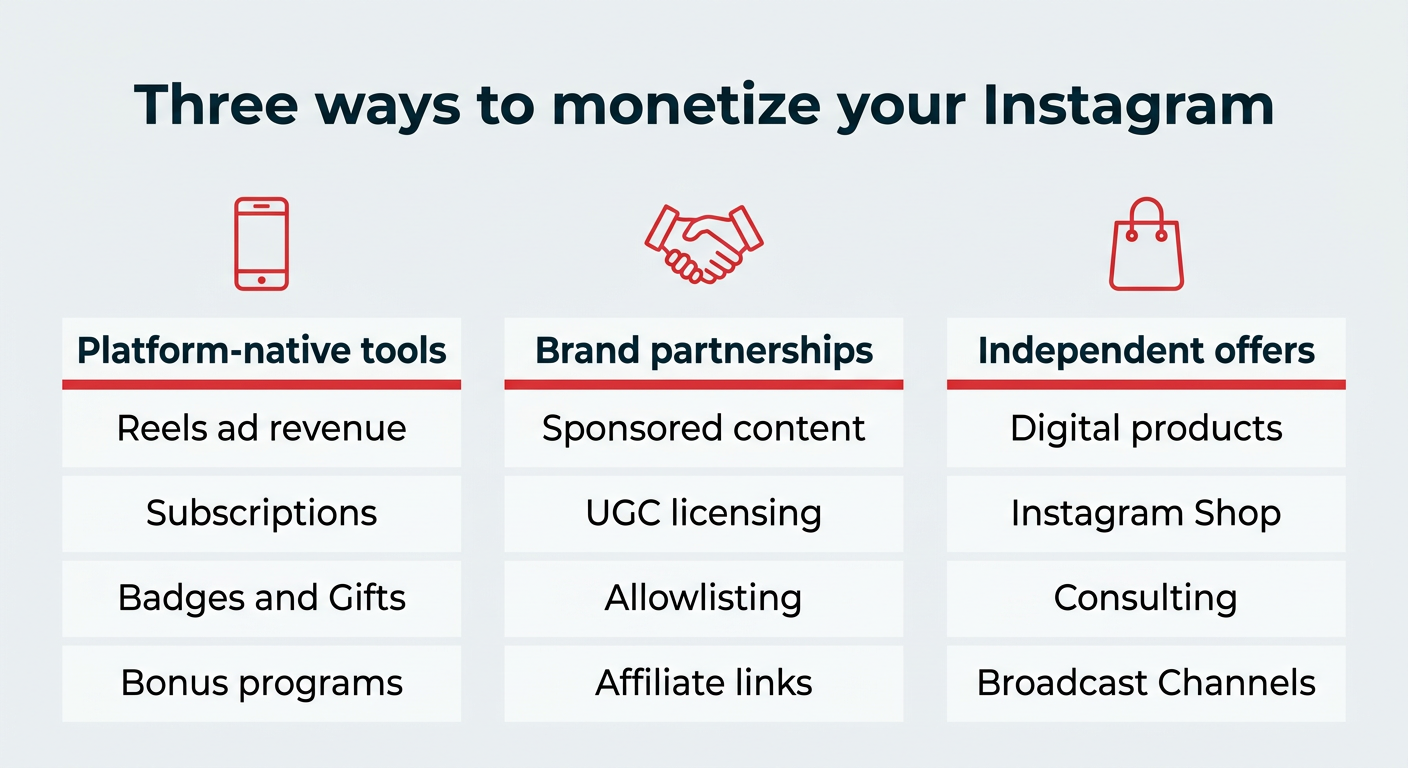
-
Integrated Instagram Shops
For creators and merchants selling physical merchandise, the native Instagram Shop feature enables tag-to-buy functionality directly within feeds, Reels, and Stories. This social commerce capability eliminates friction by allowing consumers to complete transactions without navigating away from the application. -
User-Generated Content (UGC) and Licensing
Many brands hire creators purely for content creation rather than feed distribution, utilizing user-generated content for the brand’s own marketing campaigns or paid social advertisements. Additionally, allowlisting grants brands permission to run targeted paid advertisements directly from a creator’s handle, commanding premium compensation based on usage rights and exclusivity terms. -
Broadcast Channels for Direct Engagement
Broadcast channels operate as one-to-many messaging pipelines, delivering updates, early product access, and affiliate promotions directly into a follower’s primary inbox. Because participants willingly opt-in, conversion rates within these channels substantially outperform standard public feed distribution.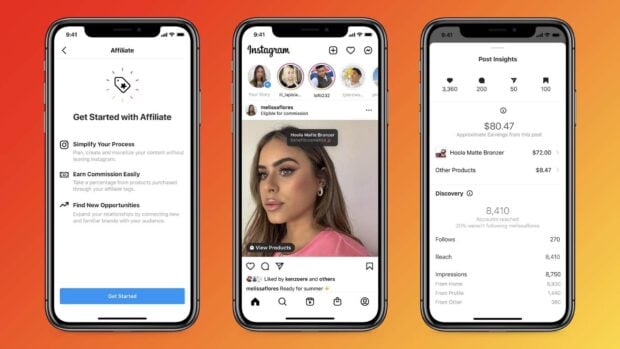
-
Professional Consulting and Coaching
Experts across industries—including fitness, photography, business strategy, and career development—utilize Instagram to market high-ticket consulting, personalized coaching retainers, and portfolio reviews, converting casual viewers into high-value clients via direct booking links. -
Exclusive Access via Close Friends Lists
Operating as a manual subscription alternative, creators collect external payments and manually add paying supporters to a restricted Close Friends list. This method proves particularly valuable in geographic regions where native Instagram Subscriptions remain unavailable. -
Platform Performance Bonuses
Instagram periodically deploys invitation-only bonus initiatives that financially reward creators for achieving specific engagement milestones across Reels and live broadcasting formats. While lucrative, these programs fluctuate and serve best as supplemental financial upside.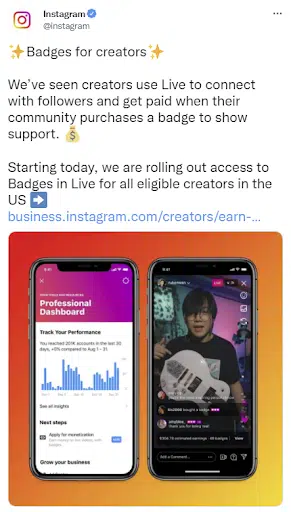
Valuation, Pricing Metrics, and Rate Benchmarks
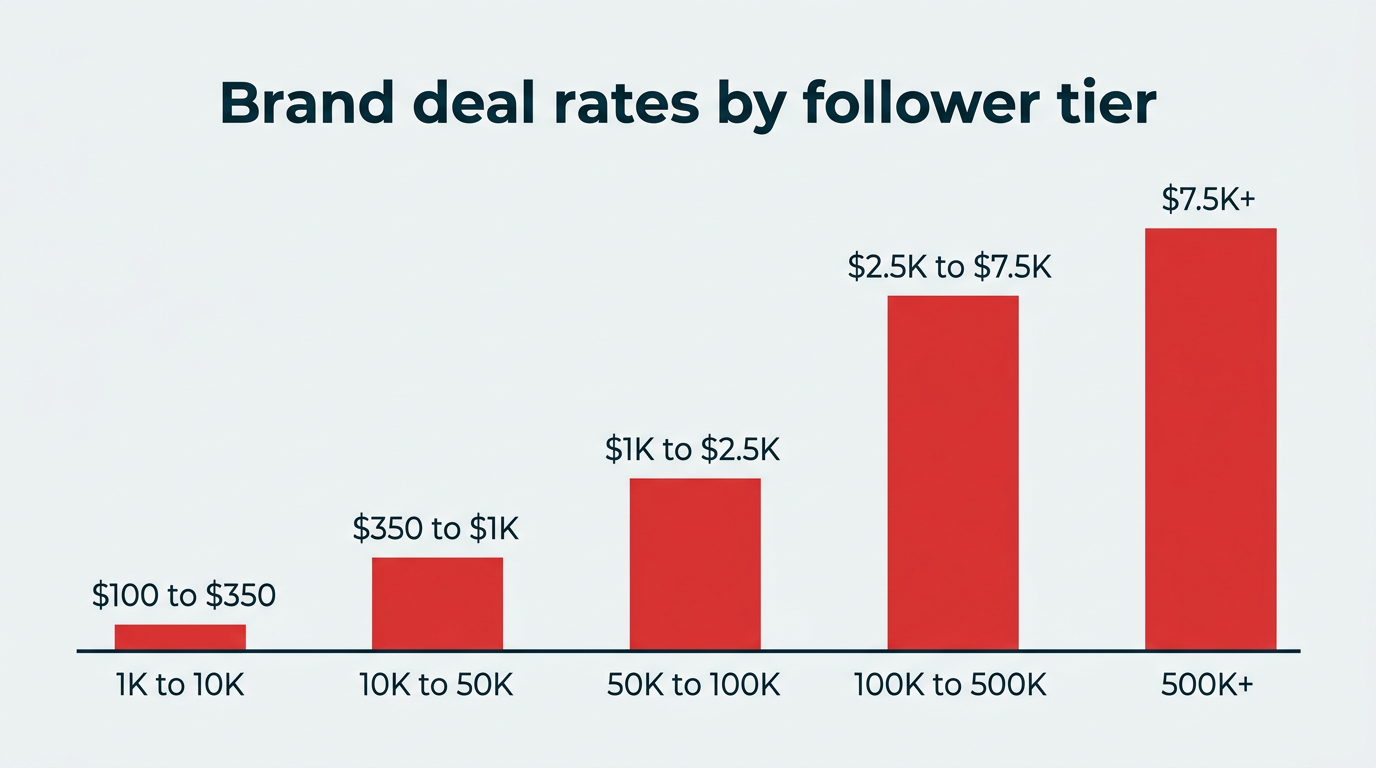
Establishing appropriate compensation for brand partnerships requires sophisticated analysis beyond outdated rules of thumb, such as charging $100 per 10,000 followers. Modern pricing models account for content format complexity, production overhead, and audience engagement rates.
For instance, micro-influencers with 1,000 to 10,000 followers typically command between $75 and $350 per post depending on format, whereas accounts exceeding 500,000 followers regularly secure $5,000 to $7,500+ per asset. Furthermore, pricing calculated by Cost Per Engagement (CPE)—where recent average interactions are multiplied by a standard valuation factor between $0.14 and $0.20—ensures that creators with highly responsive, niche communities are fairly compensated.
Professionals must also rigorously separate base content creation fees from secondary usage rights and exclusivity clauses. Granting a brand permission to repurpose content as paid media ads or demanding industry exclusivity requires percentage-based surcharges to prevent underpricing.
Compliance, Disclosure, and Regulatory Standards
Navigating the financial landscape of social media monetization necessitates strict adherence to platform terms of service and legal disclosure requirements. Regulatory bodies, such as the Federal Trade Commission (FTC), mandate clear and conspicuous notification of any material connection between a creator and a sponsoring brand. Creators must universally deploy native "Paid Partnership" tags, integrate explicit disclosures like "#ad" or "#sponsored" at the immediate beginning of captions, and verbally acknowledge commercial relationships within video content.
Failure to maintain compliance can result in severe penalties, including the sudden revocation of monetization privileges across all platform features. Maintaining transparent operational practices protects both consumer trust and long-term business viability in an increasingly regulated digital marketplace.