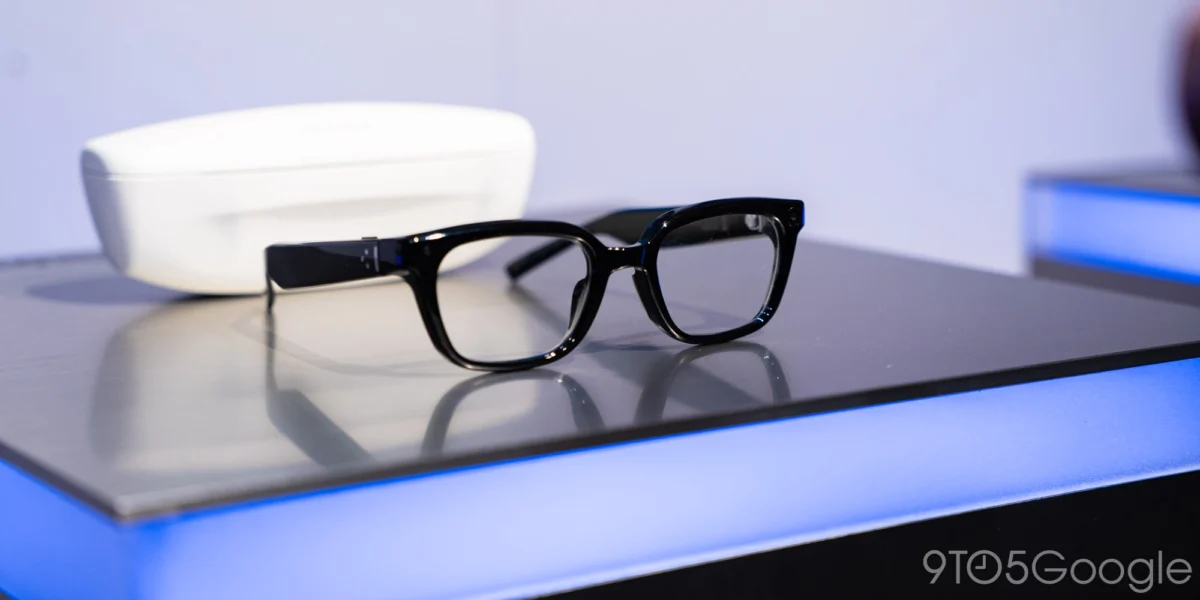
The landscape of wearable technology is set for a significant transformation this winter as fashion-forward eyewear brand Gentle Monster officially confirmed that its debut line of "Intelligent Eyewear"—powered by the Android XR platform—will hit the market in December 2026. This announcement follows closely on the heels of a similar disclosure from Warby Parker, cementing a coordinated effort between Google, Samsung, and their design partners to bring a new class of augmented reality-integrated glasses to consumers before the end of the year.
The Strategic Convergence of Fashion and Technology
For years, the promise of "smart glasses" has been plagued by bulky hardware, limited battery life, and aesthetic shortcomings that discouraged mainstream adoption. The partnership between Google, Samsung, and design-centric houses like Gentle Monster and Warby Parker represents a strategic pivot toward "Intelligent Eyewear." By leveraging the Android XR framework, these companies are prioritizing form factor and user experience, attempting to bridge the gap between traditional prescription eyewear and the functional capabilities of mobile computing.
The confirmation from Gentle Monster arrived via a cryptic but highly stylized social media campaign featuring Academy Award-winning actor Joaquin Phoenix. Directed by acclaimed filmmaker Jonathan Glazer, the campaign film, described as a "cinematic journey between reality and dream," serves as a high-profile marketing vehicle to position the glasses not merely as gadgets, but as premium fashion accessories. While the film is slated for a mid-November release, the underlying news—a December retail launch—marks the official transition from theoretical prototype to commercial product.
Chronology of the Android XR Rollout
The path to this December launch has been a carefully orchestrated timeline of industry developments. The journey began with Google’s long-term push to refine its XR (Extended Reality) ecosystem, moving beyond the failed experiments of the early 2010s toward a more robust, platform-agnostic approach.
- Early 2026: Google and Samsung announce a strategic partnership aimed at developing a unified Android XR platform, focusing on deep integration between mobile hardware and wearable displays.
- Mid-2026: Industry rumors begin to circulate regarding the involvement of major eyewear retailers, specifically identifying Gentle Monster and Warby Parker as the primary design partners.
- November 2026 (Early): Warby Parker confirms that its inaugural collection of Android XR glasses will open for pre-orders on November 12, 2026.
- November 6, 2026: Gentle Monster confirms the December 2026 release window, aligning its launch strategy with the broader Android XR ecosystem goals.
This sequence highlights a deliberate effort to synchronize the release of hardware across different design aesthetics, allowing consumers to choose between the minimalist, trend-focused styling of Gentle Monster and the established, accessible retail footprint of Warby Parker.

Technical Foundations and Ecosystem Integration
At the heart of these devices lies the Android XR software suite, which Google has meticulously designed to function as an extension of the smartphone. Unlike standalone VR headsets that require massive processors and cooling systems, the Intelligent Eyewear category is intended to be a tethered or semi-autonomous companion device.
Technical documentation and industry analysts suggest that these glasses utilize lightweight display optics, likely incorporating waveguides that project digital information directly into the user’s field of view without obstructing their natural sightline. Because the glasses are integrated with the Android ecosystem, users can expect seamless synchronization with existing applications, notification management, and potentially AI-driven assistance powered by Google’s latest generative models.
The decision to launch in December is notable, as it places these products squarely in the high-stakes holiday shopping season. While retail analysts often warn against late-quarter product launches due to supply chain complexities, a December debut allows the manufacturers to benefit from peak consumer spending and high visibility during gift-giving periods.
Industry Implications and Market Analysis
The entry of Google and Samsung into the smart glasses market is not happening in a vacuum. It represents a direct competitive response to existing players like Meta, which has seen success with its Ray-Ban smart glasses collaboration. However, the Android XR approach differs significantly by focusing on a more open ecosystem. By partnering with established eyewear brands, Google is outsourcing the "style" component to experts, allowing itself to focus on the software and connectivity layer.
Market analysts suggest that the success of this category will hinge on three specific factors:
- Latency and Performance: The user experience must be instantaneous. Any lag between a gesture or command and the visual output could render the glasses unusable for daily tasks.
- Privacy and Social Acceptance: As with any device equipped with outward-facing cameras or sensors, public perception remains a hurdle. The branding of "Intelligent Eyewear" rather than "AR glasses" is a deliberate attempt to minimize the "cyborg" perception.
- Battery Longevity: Providing a full day of utility without requiring a mid-day recharge remains the "holy grail" of wearable technology.
If the Gentle Monster and Warby Parker devices can solve these issues while maintaining the high aesthetic standards of their respective brands, they could serve as the catalyst for the next decade of mobile computing.

Official Responses and Future Outlook
While neither Google nor Samsung has provided a detailed breakdown of the internal specifications for these glasses, the collaborative messaging is consistent: the goal is to enhance, rather than replace, the physical world.
"We are building a platform that respects the user’s environment while providing them with the intelligence of the modern mobile internet," noted a representative from the Android XR development team earlier this year.
The upcoming launch in December is expected to be accompanied by a series of regional activations, particularly in major urban centers where Gentle Monster has a strong retail presence. These stores will likely serve as "experience hubs," allowing potential customers to try on the glasses and understand how the Android XR software interface interacts with the physical world.
As November 12 approaches—the date of the Warby Parker pre-orders and the release of the Gentle Monster short film—the industry is watching closely to see if consumer demand matches the hype. For the millions of Android users globally, this December could mark the first time that augmented reality becomes a practical, fashionable, and accessible reality.
Ultimately, the December 2026 launch serves as a trial balloon for the entire tech industry. Should these devices gain traction, it is highly probable that other manufacturers will scramble to join the Android XR ecosystem in 2027, leading to a broader proliferation of smart glasses that prioritize design and daily utility over the experimental, bulky form factors that have characterized the industry until now. Whether these glasses become the next "must-have" accessory or remain a niche luxury item remains to be seen, but the commitment from tech giants and fashion leaders suggests that the transition toward wearable intelligence is no longer a question of "if," but "when."