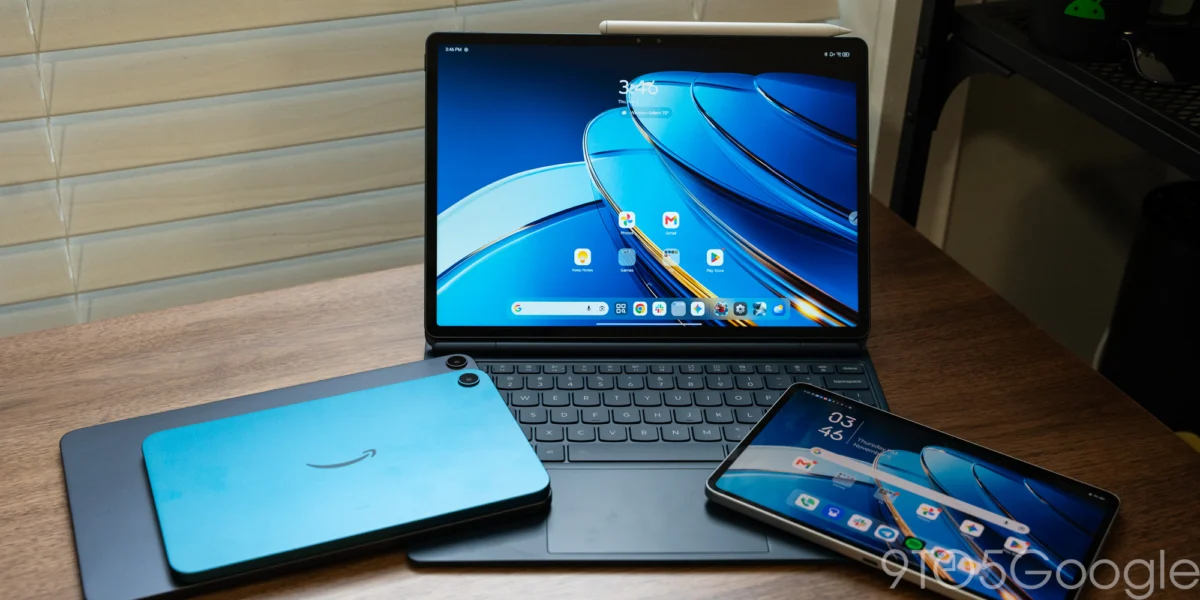
The Android tablet market is currently experiencing a profound identity crisis, marked by a paradox where hardware proliferation is outpacing user preference for portability. While industry analysts observe a clear upward trend in the sales and production of Android-based tablets, a significant segment of the consumer base is raising concerns regarding the prevailing industry obsession with gargantuan screen sizes. As companies like Samsung, Lenovo, and RedMagic continue to push the boundaries of display dimensions, the core question remains: is the modern Android tablet market serving the actual needs of the average consumer, or is it catering to a niche demand for desktop-replacement devices at the expense of true mobility?
A Chronology of the Android Tablet Renaissance
The history of the Android tablet is a volatile narrative of booms and busts. Following the initial launch of the Motorola Xoom in 2011, the market struggled to find a consistent foothold against the dominance of the Apple iPad. For years, Android tablets were relegated to the budget segment, characterized by low-resolution screens and sluggish performance, often dismissed as mere "media consumption devices."
However, the narrative shifted significantly around 2020. The global transition to remote work and distance learning acted as a catalyst for a massive surge in tablet demand. According to data from IDC, the tablet market saw its largest year-over-year growth in a decade during this period. Manufacturers, recognizing this sudden dependency on large-screen devices, began to pivot their strategy. By 2022, the industry moved away from entry-level hardware, opting instead for "premium" aesthetics and silicon—specifically the Snapdragon 8 series and high-end MediaTek Dimensity chips.
By 2024 and 2025, the trend reached its logical extreme. We saw the introduction of ultra-large form factors, such as the Samsung Galaxy Tab S9 Ultra and Lenovo’s Tab Extreme, which boast display sizes rivaling mid-sized laptops. This shift was designed to bridge the gap between tablets and traditional computing, emphasizing multitasking and productivity-focused features.
The Shift Toward Large-Format Hardware
The current industry standard for a "flagship" Android tablet has effectively settled between 12 and 14.6 inches. This represents a significant departure from the classic 7-inch and 8-inch tablets that once dominated the market—devices that were specifically designed for one-handed use, reading, and portable gaming.

Market research indicates that this move toward larger displays is driven by the professionalization of the mobile operating system. As Google continues to iterate on Android’s "Large Screen" interface—incorporating taskbars, improved split-screen functionality, and desktop-class windowing—manufacturers feel pressured to provide the physical real estate to support these software advancements.
However, this design philosophy creates a disconnect for a substantial demographic. Data from consumer sentiment surveys suggests that users who prioritize portability often feel alienated by the current market landscape. When a tablet exceeds 12 inches, it becomes cumbersome to hold for extended periods, necessitates a keyboard accessory to be functional for productivity, and loses the "toss-in-a-bag" convenience that originally defined the category.
Economic and Market Implications
From a business perspective, the strategy is calculated. Larger tablets command higher price points, offering better profit margins for hardware manufacturers. Furthermore, by positioning these devices as laptop alternatives, brands can market them to enterprise and educational sectors—markets that require more substantial hardware specifications.
According to a 2024 analysis by Counterpoint Research, the "Premium" tier of the tablet market (devices priced above $500) has outperformed the budget segment for three consecutive quarters. This suggests that while the devices are becoming larger and more expensive, there is a captive audience willing to pay for the increased power. Yet, this has created a "missing middle" in the market. The sub-$300 market is saturated with low-quality, generic tablets, while the high-end market is dominated by behemoths, leaving very few options for consumers seeking a high-quality, 8-to-10-inch device that doesn’t compromise on performance.
Perspectives from Industry Analysts
Industry experts remain divided on whether this trend is sustainable. Some analysts argue that the market is simply correcting itself to meet the demands of a mobile workforce. "The tablet is no longer just a window for content; it is a primary computing device for a significant portion of the workforce," notes one senior technology analyst at a leading global research firm. "The screen size is a direct response to the need for better multitasking, which simply cannot be achieved on a smaller display."
Conversely, others point to the "phablet" phenomenon—the rise of smartphones with 6.7-inch or larger screens—as a factor that has cannibalized the small tablet market. If a user already carries a phone with a large display, the perceived value of a 7-inch tablet diminishes, leaving a gap that only truly large tablets can fill.

However, this logic ignores the specific use cases for smaller tablets: e-book reading, digital note-taking, and handheld gaming. In the realm of gaming, companies like RedMagic have attempted to bridge the gap by producing tablets that prioritize performance and cooling for gamers, yet even these devices are trending toward larger screens to provide a more "immersive" experience, potentially overlooking the ergonomic comfort required for long gaming sessions.
The Future of Form Factor: A Call for Diversification
The current trajectory of the Android tablet market suggests that manufacturers are doubling down on the "bigger is better" ethos. But as the market matures, there is an increasing possibility that we will see a cyclical return to smaller, high-performance tablets.
The primary barrier to this return is the cost of miniaturization. Cramming high-end processors, cooling solutions, and high-density batteries into a compact chassis presents significant thermal management challenges. As such, the development of smaller, flagship-tier tablets requires more sophisticated engineering, which may initially lead to higher costs for the end consumer.
Furthermore, Google’s role in this ecosystem is critical. As the maintainer of the Android platform, Google’s software development cycle dictates how tablets function. If the Android interface remains optimized primarily for large-screen multitasking, developers will continue to build apps that favor landscape-oriented, wide-display layouts. A pivot back to smaller tablets would require Google to optimize Android’s scaling for smaller portrait-oriented displays, which is currently not a primary focus of the OS development team.
Conclusion
The resurgence of Android tablets is an undeniable success story in terms of hardware advancement and market revenue. However, the current strategy of prioritizing size over portability risks creating a segmented market where the consumer’s need for convenience is secondary to the manufacturer’s push for productivity-centric specifications.
As we move into the next phase of the tablet evolution, the industry must decide if it is content with catering solely to the productivity crowd or if it will address the growing demand for portable, powerful, and ergonomic devices. For now, the "gargantuan" trend holds sway, but history suggests that the market will eventually demand a return to balance. Consumers who are waiting for a high-end, palm-sized tablet may find themselves in a long wait, as current market indicators show no signs of the industry slowing down its race to the largest possible display. The question for consumers, ultimately, is not whether they can use these large devices, but whether they want to—and whether their purchasing power will be enough to force manufacturers to reconsider the merits of a smaller, more portable future.