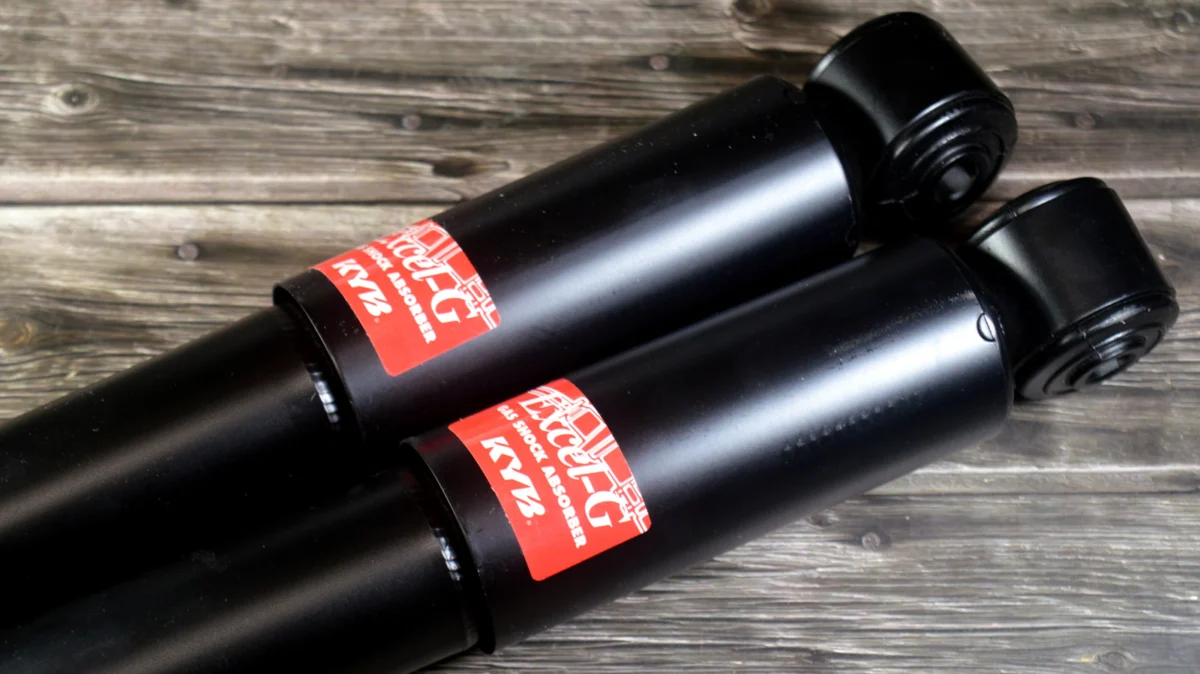
The fundamental purpose of a vehicle’s suspension system is to bridge the gap between mechanical performance and occupant comfort. At the heart of this system lies the shock absorber, a component engineered to dampen the kinetic energy generated by road irregularities. As automotive technology has evolved over the last century, two primary schools of design have emerged as the industry standard: traditional hydraulic shock absorbers and nitrogen-charged gas shocks. Choosing between these two technologies is not merely a matter of brand preference, but a decision rooted in the specific driving dynamics, vehicle architecture, and environmental conditions that an individual driver encounters on a daily basis.
The Historical Evolution of Suspension Damping
To understand the current dichotomy in shock absorber technology, one must look at the progression of vehicle suspension. Early automobiles utilized rudimentary leaf springs without sophisticated damping, leading to a ride quality that was famously jarring. The introduction of the hydraulic shock absorber—often referred to as a "damper"—represented a significant leap forward in the 1920s and 30s. These units utilized oil forced through internal orifices to convert kinetic energy into heat, effectively stopping the "bouncing" effect of a vehicle’s springs.
For decades, the standard twin-tube hydraulic shock was the gold standard. However, as vehicle speeds increased and automotive engineering prioritized tighter handling and performance, the limitations of hydraulic oil became apparent. Under heavy, sustained use, hydraulic fluid tends to aerate or "foam." When air bubbles enter the valving system, the shock loses its consistency, leading to a phenomenon known as "shock fade." In the 1950s and 60s, engineers began experimenting with pressurized gas to mitigate this issue, leading to the development of the modern nitrogen-gas shock absorber.
Technical Mechanics: How They Function
The difference between the two systems is defined by how they manage the internal hydraulic fluid.
Hydraulic Shock Absorbers
Traditional hydraulic shocks consist of a cylinder filled with oil. As the wheel moves over a bump, a piston moves through this oil, forcing the fluid through valves. The resistance created by this fluid displacement is what controls the spring’s oscillation. Because these units contain a pocket of air or have a simpler internal structure, they are highly cost-effective and provide a plush, compliant ride. They are the ideal choice for commuters who prioritize vibration isolation over cornering precision.
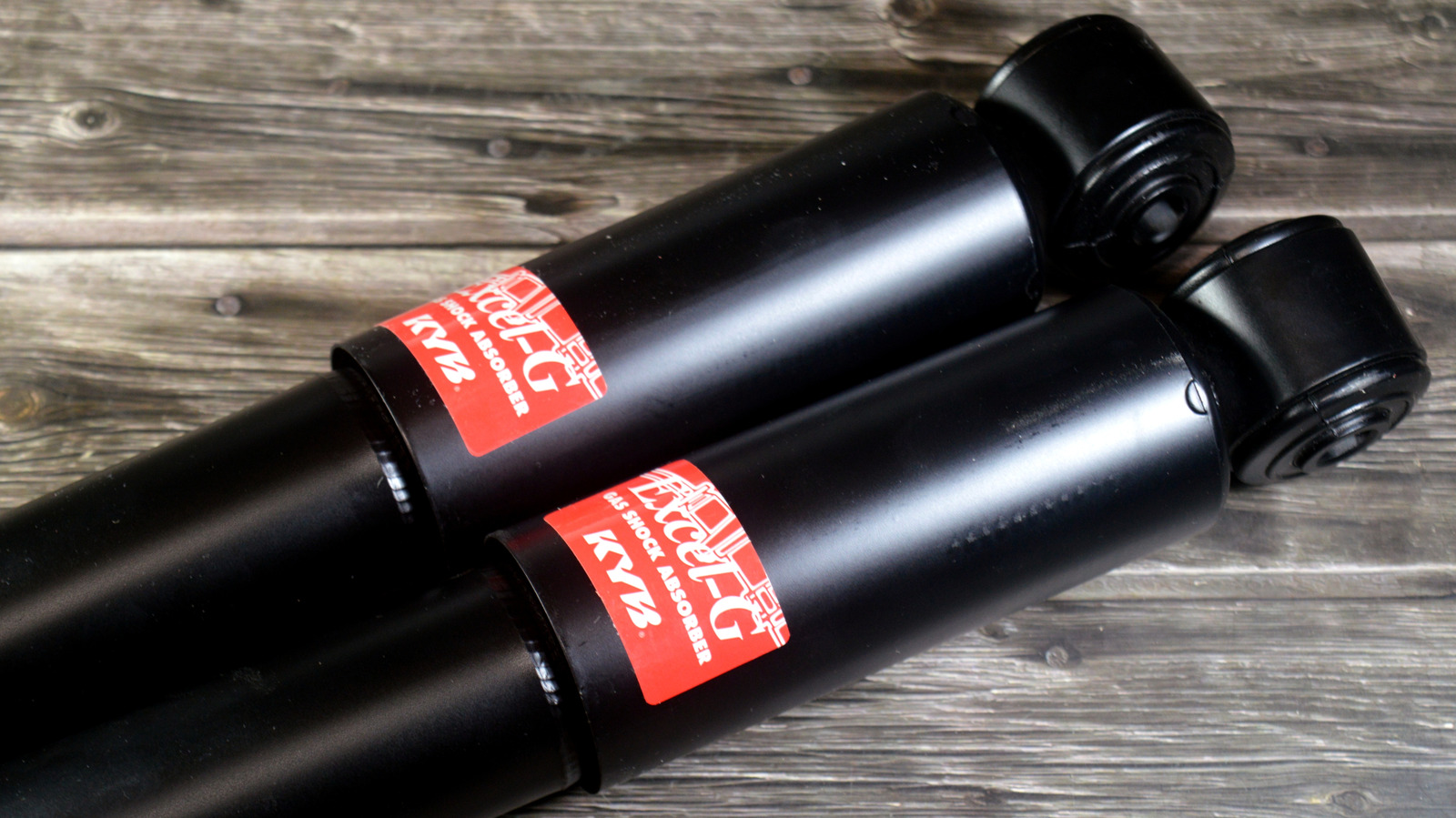
Nitrogen Gas Shock Absorbers
Gas-charged shocks, while still hydraulic in their core operation, feature a chamber filled with nitrogen gas at high pressure. This pressure serves a critical engineering function: it keeps the oil under constant compression. By preventing the oil from foaming, nitrogen gas ensures that the damping force remains consistent, even when the shock is subjected to high-frequency vibrations or long-duration heat build-up. This provides a "firmer" feel because the nitrogen acts as an auxiliary spring, pushing back against the piston immediately upon movement.
Comparative Performance Data and Driving Scenarios
For the average consumer, the distinction between these two technologies manifests in the vehicle’s handling characteristics. Data from aftermarket suspension manufacturers indicates that gas-charged shocks offer a roughly 20% to 30% increase in damping consistency over the life of the component when compared to entry-level hydraulic units.
| Feature | Hydraulic Shock | Nitrogen Gas Shock |
|---|---|---|
| Ride Quality | Soft, compliant, isolated | Firm, responsive, connected |
| Heat Resistance | Moderate (prone to foaming) | High (consistent performance) |
| Longevity | Standard | High (reduced fluid breakdown) |
| Cost | Budget-friendly | Premium |
| Best Use Case | City commuting, sedans | Performance, towing, off-road |
The implications of this data for daily driving are clear. If a vehicle is primarily used for highway commuting in a mid-sized sedan, the soft dampening of a hydraulic shock often feels more "comfortable" to the passenger. However, for drivers of SUVs, trucks used for towing, or sports cars where cornering stability is paramount, the nitrogen shock is objectively superior. The gas charge prevents the "wallowing" sensation that can occur when a vehicle is heavily loaded or pushed through aggressive maneuvers.
The Role of Struts vs. Shocks
A common point of confusion for vehicle owners is the distinction between a shock absorber and a strut. While both serve the same purpose of dampening energy, they have different structural requirements. A strut is a structural component of the suspension geometry; it supports the weight of the vehicle and helps maintain the wheel alignment.
When replacing these parts, one must consult the vehicle’s manual. Modern vehicles are often fitted with "strut-type" suspensions in the front and "shock" suspensions in the rear. Because a strut carries more lateral load, manufacturers are significantly more likely to use nitrogen-gas technology in struts than in rear-mounted shocks. When performing a full suspension overhaul, it is standard practice to match the damping technology across all four corners to ensure a balanced handling profile.
Economic and Maintenance Implications
The financial decision-making process for suspension maintenance often leads owners toward hydraulic shocks due to their lower upfront cost. However, a lifecycle analysis suggests that the cost-benefit ratio is more nuanced. Because nitrogen gas shocks are more resistant to fluid aeration and internal heat degradation, they often maintain their original damping characteristics for a longer period.
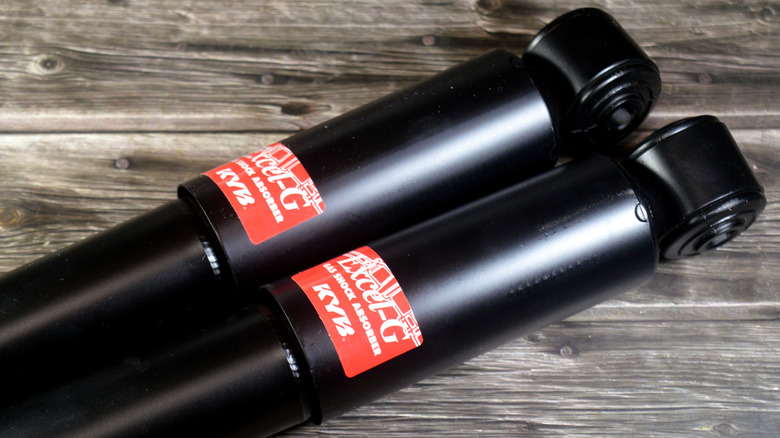
Automotive service professionals note that hydraulic shocks typically show signs of performance degradation—such as increased stopping distances or excessive nose-diving during braking—around the 50,000 to 60,000-mile mark. High-quality gas shocks, conversely, can often remain effective for longer, provided the external seals remain intact.
Furthermore, the environmental factors of one’s commute play a role. Drivers in regions with extreme temperature fluctuations or poorly maintained roads with frequent potholes may find that hydraulic shocks fail prematurely. In these harsh environments, the added durability of a gas-charged unit is a prudent investment, potentially saving the owner from multiple service visits.
Conclusion: Making the Right Choice
The determination of which shock absorber is "better" is contingent entirely on the owner’s definition of a successful driving experience.
For the driver who values a "floating" sensation and travels primarily on smooth, well-paved surfaces at moderate speeds, the hydraulic shock remains a perfectly viable, cost-effective solution. It is a mature, reliable technology that does not need to be over-engineered for the task of basic transportation.
Conversely, for the enthusiast driver, the owner of a work truck, or anyone who frequently encounters challenging road conditions, the nitrogen gas shock is the superior choice. The technological advantage of maintaining consistent oil pressure—and thus consistent control—provides a tangible safety benefit. By reducing the risk of shock fade during emergency maneuvers, nitrogen gas shocks provide an added layer of vehicle stability that is well worth the incremental increase in price.
Ultimately, the choice of shock absorber is one of the most impactful modifications a vehicle owner can make to their car’s personality. Whether opting for the supple comfort of hydraulic fluid or the responsive precision of pressurized nitrogen, understanding the mechanics behind these components empowers owners to maintain their vehicles with confidence and precision. Regardless of the choice, however, the most important factor remains timely inspection and replacement; no shock, regardless of its gas or hydraulic design, can perform its duties once its internal valves and seals have reached the end of their functional service life.