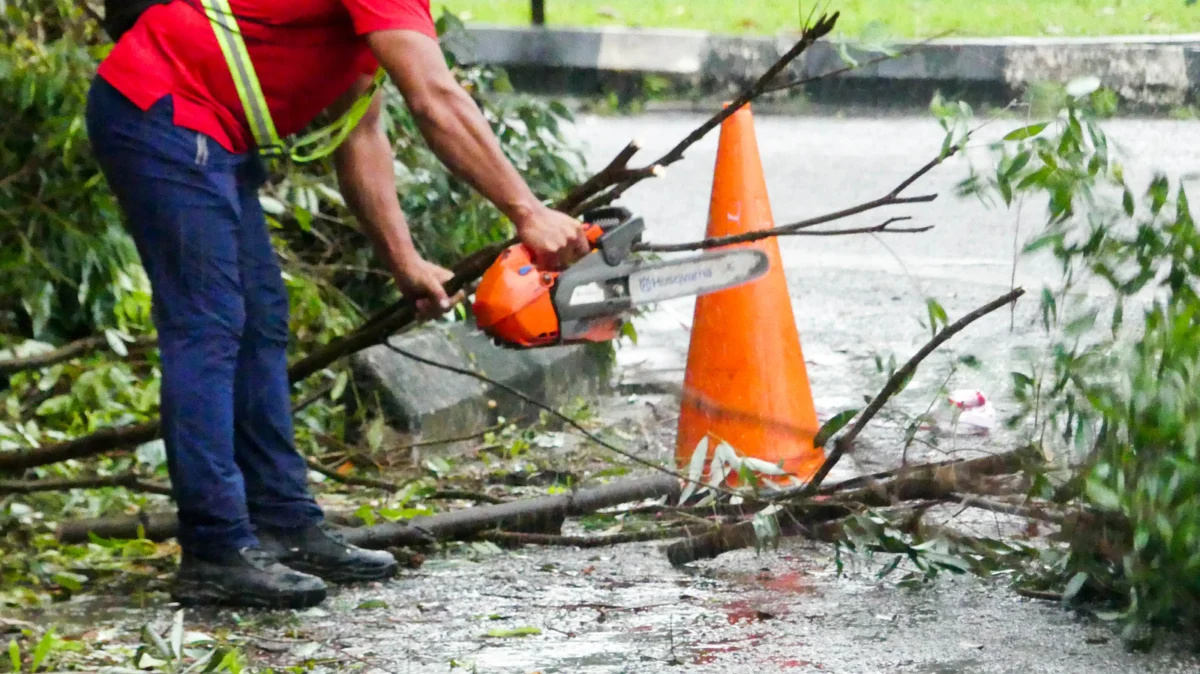
Operating a chainsaw in adverse weather conditions presents a complex intersection of mechanical limitations and significant physical risks. While property owners and forestry professionals often face urgent deadlines to clear debris from storm-damaged landscapes, the decision to engage with high-powered cutting equipment during precipitation is fraught with safety concerns. From the electrical hazards inherent in corded tools to the diminished physical control caused by moisture-slicked surfaces, the consensus among safety experts and manufacturers remains clear: rain creates an environment where the threshold for accidents is significantly lowered.
Understanding the Mechanical and Physical Risks
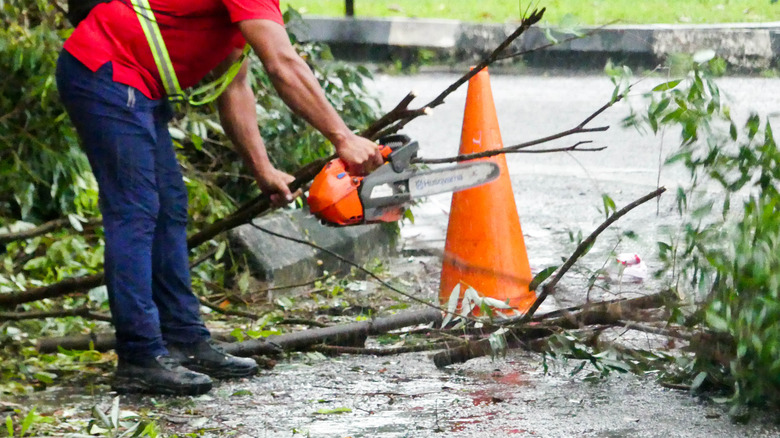
The primary danger associated with operating a chainsaw during a rainfall event is the degradation of the operator’s control over the machine. Chainsaws are precision instruments that require a high degree of stability; water reduces the friction between the operator’s hands and the machine’s handles, as well as between the footwear and the ground. This loss of traction and grip increases the probability of "kickback"—a sudden, violent reaction where the saw chain strikes an object and throws the guide bar back toward the operator.
Furthermore, moisture changes the physical properties of the wood being cut. Wet wood is often heavier and may behave differently under the force of a chainsaw, potentially causing the bar to pinch. When the chain and the guide bar are saturated with water, the lubrication process is disrupted, and the sawdust—which should be ejected efficiently—tends to form a dense, sticky paste. This accumulation clogs the housing, forces the engine or motor to work harder, and significantly increases wear and tear on the internal components.
Categorizing Risks by Chainsaw Power Source
Not all chainsaws are built to withstand the same environmental stresses. An objective assessment of power sources reveals distinct safety profiles during inclement weather:
- Corded Electric Chainsaws: These pose the most immediate and severe threat. Water and electricity are a dangerous combination; moisture can bridge internal connections, leading to short circuits, motor burnout, or, in the worst-case scenario, lethal electrical shocks to the operator. Under no circumstances should a corded electric chainsaw be operated in the rain.
- Battery-Powered Electric Chainsaws: While modern battery technology often features IP (Ingress Protection) ratings that offer some resistance to water, these tools are not inherently waterproof. Continued exposure to heavy rain can penetrate seals, leading to battery cell damage or shorting of the electronic control unit. While safer than corded alternatives, they are not recommended for sustained use in wet conditions.
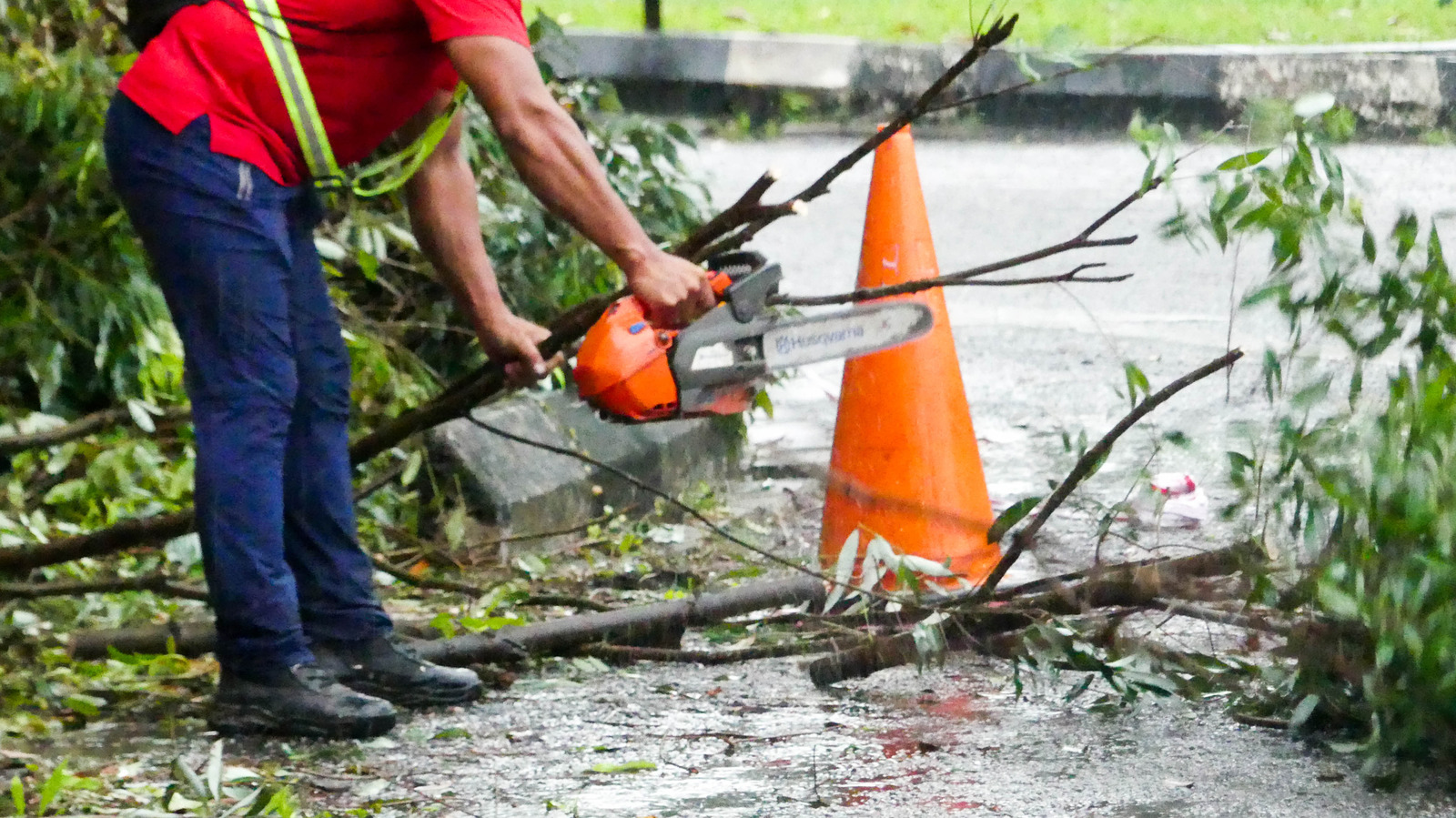
- Gas-Powered Chainsaws: These are widely considered the most resilient in wet weather because they do not rely on an external power grid. However, they remain vulnerable to water intake in the air filter and fuel system. Furthermore, the engine’s cooling system can be affected by the intake of moisture-laden air, which can lead to performance degradation.
Chronology of Safety Best Practices
In professional arboriculture and forestry management, strict protocols have evolved to govern work during inclement weather.
- Assessment Phase: Before any equipment is started, the site must be surveyed for standing water, mud, and electrical hazards. If wind speeds exceed 20–25 mph, work is typically suspended regardless of the rain intensity, as falling branches present a lethal hazard.
- Preparation Phase: If the job is deemed mission-critical, operators must ensure the use of specialized personal protective equipment (PPE). This includes high-traction, water-resistant boots, non-slip gloves, and impact-resistant eye protection that prevents water from obscuring vision.
- Execution Phase: Cutting should be done in short intervals. Operators are advised to frequently clean the guide bar and chain to prevent the buildup of wood debris and moisture.
- Post-Operation Maintenance: Immediately following the work, the tool must be completely disassembled, dried, and lubricated. Failure to do so allows moisture to settle into the chain links and sprocket, leading to rapid oxidation and metal fatigue.
Data and Industry Standards
According to safety reports from the Occupational Safety and Health Administration (OSHA) regarding forestry and landscaping operations, the majority of chainsaw-related injuries occur due to operator fatigue and lack of focus. Adding rain to the environment increases the cognitive load on the operator; they must now monitor the saw’s performance, their own footing, and the structural integrity of the timber, all while dealing with poor visibility.
Studies into mechanical failure rates indicate that chainsaws operated in high-humidity or wet conditions require maintenance cycles that are 30% to 50% shorter than those used in dry, temperate environments. Clogged air filters, which are a common consequence of wet wood cutting, lead to fuel-air mixture imbalances in two-stroke engines. This can cause the engine to overheat, leading to catastrophic internal damage that may not be covered under standard manufacturer warranties.
Manufacturer and Regulatory Perspectives
Most major manufacturers, including Stihl, Husqvarna, and Echo, include specific warnings in their owner’s manuals regarding the use of equipment in rain. These documents generally classify rain as a "prohibited operating condition." Manufacturers note that while the materials are weather-resistant, they are not weatherproof. Warranty claims involving water ingress are frequently denied, as the manufacturer defines such damage as "misuse" or "failure to provide proper care."
Professional trade organizations, such as the Tree Care Industry Association (TCIA), emphasize that professional arborists are trained to recognize the "stop-work" threshold. For the average homeowner, this threshold should be significantly lower. If the rain is heavy enough to require a raincoat or obscures vision beyond 50 feet, the risk-to-reward ratio is fundamentally unbalanced.
Broader Implications: Long-Term Tool Health
Beyond the immediate safety concerns, the long-term impact on the equipment is a factor often overlooked by casual users. A chainsaw is a precision-engineered tool. The drive sprocket, the clutch, and the chain itself are made of hardened steel that is highly susceptible to rust. When a wet chainsaw is stored in a shed or garage, the moisture trapped inside the chassis creates a humid micro-climate that promotes rapid corrosion of sensitive mechanical parts.
Furthermore, the vibration levels of a chainsaw can be exacerbated if the chain is not moving smoothly due to rust or debris buildup. This vibration contributes to Hand-Arm Vibration Syndrome (HAVS), a condition that causes long-term nerve and blood vessel damage in the hands and arms. By forcing a chainsaw to perform in wet, suboptimal conditions, the operator is not only risking an acute injury but is also shortening the functional lifespan of the equipment and potentially contributing to chronic health issues.
Final Recommendations for Property Owners
The most prudent course of action when faced with a fallen tree during a rainstorm is to secure the area and wait for a window of clear weather. If the tree presents an immediate threat to a structure or public safety, the job should be delegated to certified professionals who possess the proper equipment, such as hydraulic saws or specialized protective gear, and who have the training to mitigate the risks associated with wet-weather operations.
In conclusion, while it may be technically possible to ignite a gas-powered chainsaw during a light drizzle, the practice is rarely advisable. The risk of loss of control, combined with the inevitable mechanical degradation of the tool, makes it an inefficient and dangerous choice. Effective property management relies on foresight and planning; prioritizing safety by waiting for favorable weather conditions is the hallmark of a responsible and efficient operator. When the rain stops, the wood will remain, but the safety of the operator and the integrity of the equipment can only be guaranteed by choosing the right moment to work.