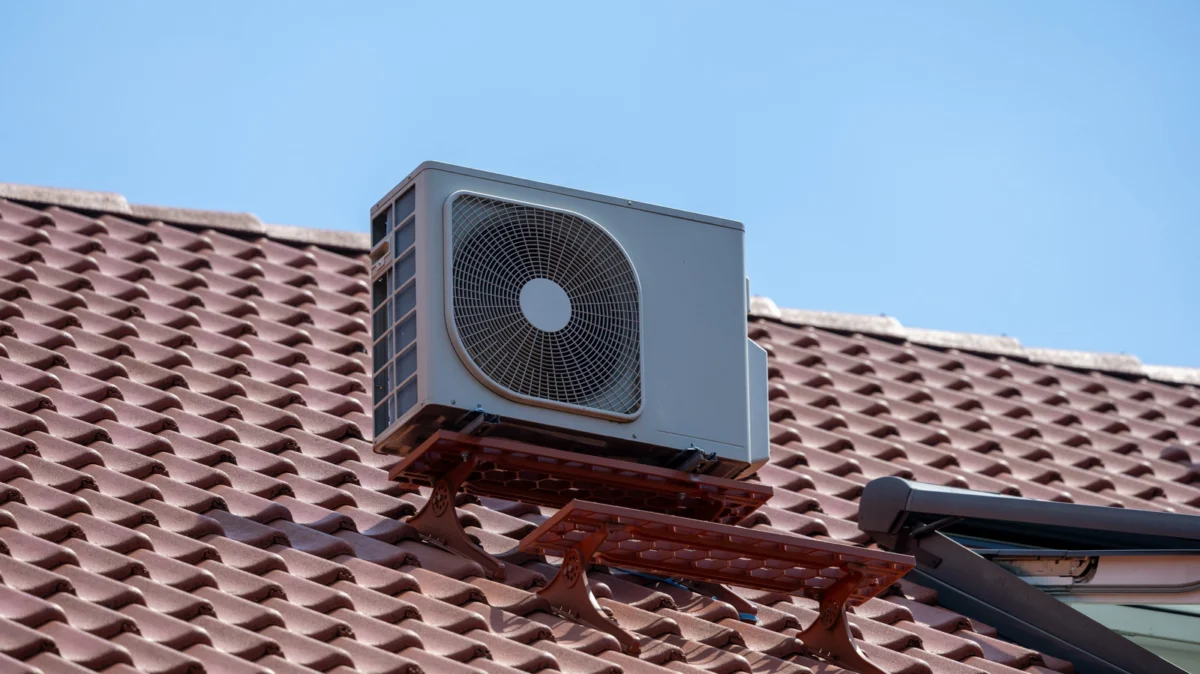
As the United States grapples with historically high temperatures, the intersection of record-breaking climate data and rising utility costs has become a primary concern for millions of homeowners. Data provided by the National Centers for Environmental Information, an arm of the National Oceanic and Atmospheric Administration (NOAA), confirms that July 2026 stood as the warmest month in a 132-year record. This sustained environmental pressure has placed an unprecedented strain on residential HVAC infrastructure. With the U.S. Energy Information Administration reporting that space cooling currently accounts for approximately 20% of the average household’s annual electricity expenditure, the urgency to optimize system performance is no longer merely a matter of comfort, but of fiscal necessity.
The Macroeconomic Impact of Cooling Demands
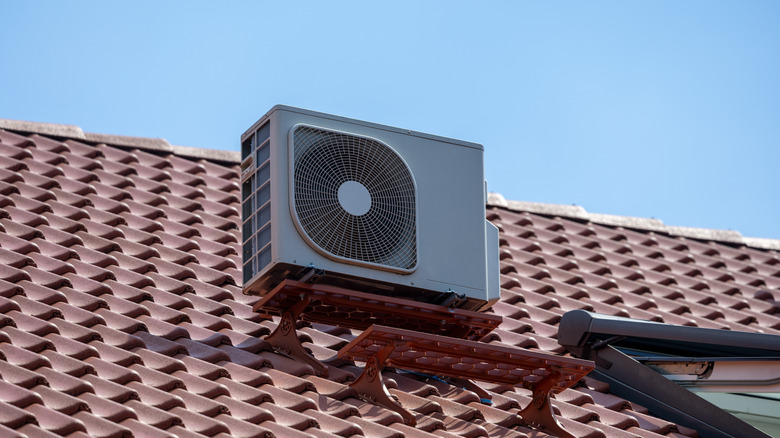
The economic implications of extreme heat extend far beyond individual household budgets. As local and regional power grids face peak demand during sustained heat waves, utility providers are increasingly forced to rely on marginal, often more expensive and carbon-intensive power generation sources to prevent brownouts. According to energy sector analysts, the widespread adoption of efficient cooling practices could significantly flatten the peak demand curve. When individual units operate at peak efficiency, the collective reduction in electrical load relieves pressure on infrastructure, potentially delaying the need for costly grid upgrades.
Chronological Evolution of Cooling Standards
The approach to home cooling has shifted dramatically over the past several decades. In the mid-20th century, air conditioning was a luxury; by the early 21st century, it became a standard expectation in most American housing stock. As of 2026, the focus of the EPA and the Department of Energy (DOE) has pivoted from simple installation to "whole-home efficiency." This shift emphasizes that an air conditioner is not an isolated appliance but a component of a larger thermal envelope. Legislative mandates and federal energy standards have evolved alongside this understanding, requiring manufacturers to increase the Seasonal Energy Efficiency Ratio (SEER2) of new units, thereby forcing a technological transition toward variable-speed compressors and smarter, sensor-driven controls.
Strategic Sizing and Thermal Dynamics
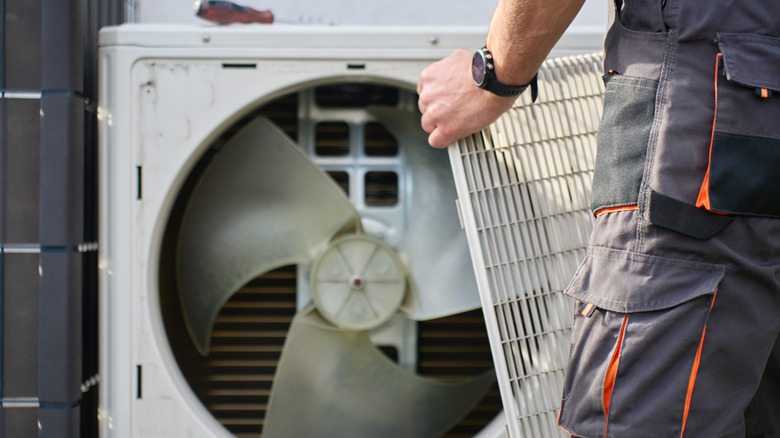
One of the most common errors in residential cooling is the "bigger is better" fallacy. Consumers often invest in high-BTU units, assuming that excessive power output will correlate with superior comfort. Engineering data suggests the contrary: an oversized unit cools a space too rapidly, triggering frequent cycling. This "short-cycling" prevents the unit from effectively dehumidifying the air, often leading to a clammy, uncomfortable indoor environment while simultaneously causing excessive wear on the compressor. Proper sizing requires a meticulous calculation of square footage, ceiling height, window orientation, and local climate zone requirements to ensure the unit runs for longer, more stable cycles.

Technological Advancements: Variable Speed Systems
Modern HVAC technology has moved away from the binary "on-off" operation that characterized older systems. Variable-speed technology allows a compressor to modulate its output based on the precise thermal load of the room. By running at lower, consistent speeds, these units maintain a steady temperature rather than forcing a room through drastic fluctuations. This steady state is significantly more energy-efficient and quieter, as the system avoids the massive energy spikes associated with constant motor startup.
The Role of Certification and Regulatory Standards
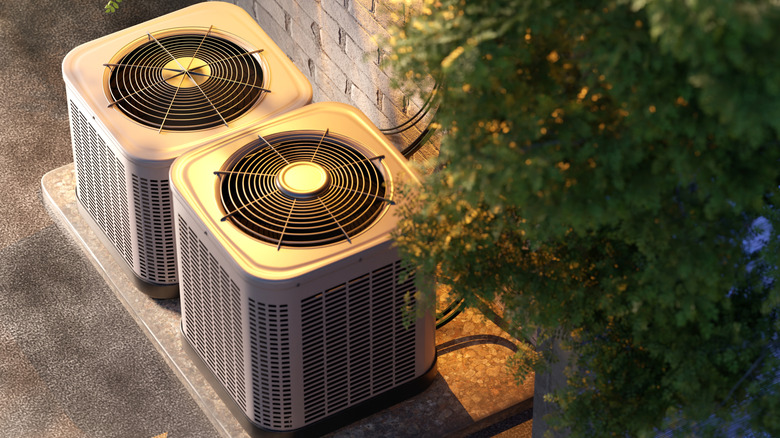
Energy Star certification remains the gold standard for consumers navigating the complex marketplace of cooling appliances. These products undergo rigorous, independent third-party testing to verify that they meet EPA performance criteria. Choosing an Energy Star-certified unit is not merely about brand preference; it is a commitment to hardware that utilizes higher-quality heat exchangers and more efficient motors. For those in the market for a replacement, looking for the "Most Efficient" designation provides an additional layer of assurance regarding long-term operational savings.

Passive Cooling: The Role of Landscaping
While technical maintenance is vital, passive strategies should not be overlooked. The U.S. Department of Energy has long advocated for the strategic planting of shade trees. Deciduous trees, in particular, provide a dual benefit: they block intense solar radiation during the summer months and shed their leaves in the winter, allowing for passive solar heating. While shading the outdoor condenser unit is a subject of some debate—as it must remain well-ventilated—shading the home itself is universally recognized as a high-impact strategy for reducing internal heat gain.
Maintenance and System Hygiene
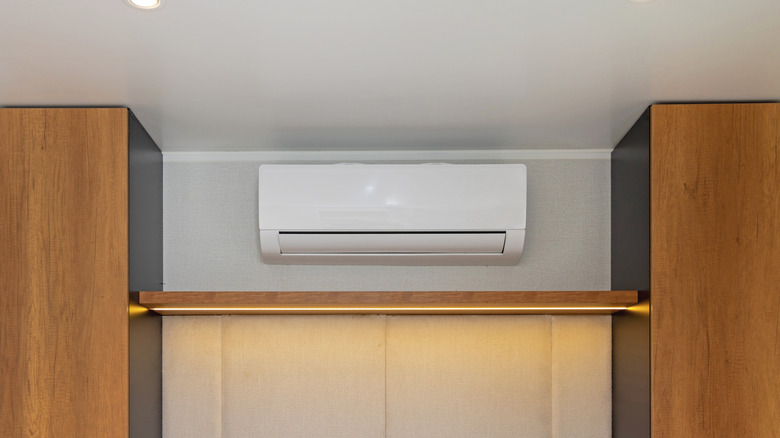
The primary mechanical barrier to efficiency is physical debris. Clogged filters, dirty evaporator coils, and obstructed outdoor condenser fins act as insulators and airflow restrictors, forcing the system to work harder to move air. The DOE estimates that regular filter maintenance can improve a system’s energy efficiency by 5% to 15%. This is a high-yield, low-effort maintenance task that extends the life of the motor and ensures that the air quality within the home remains within healthy parameters.
Sealing the Thermal Envelope
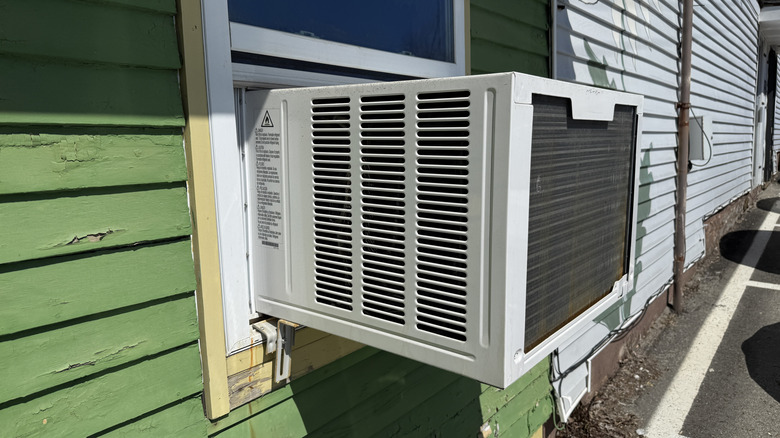
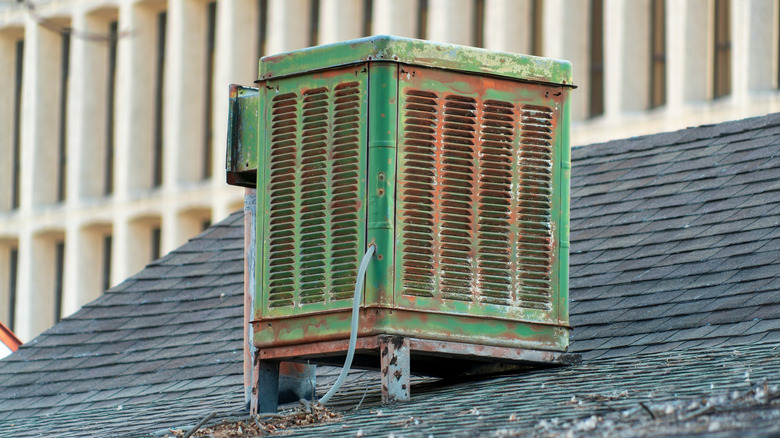
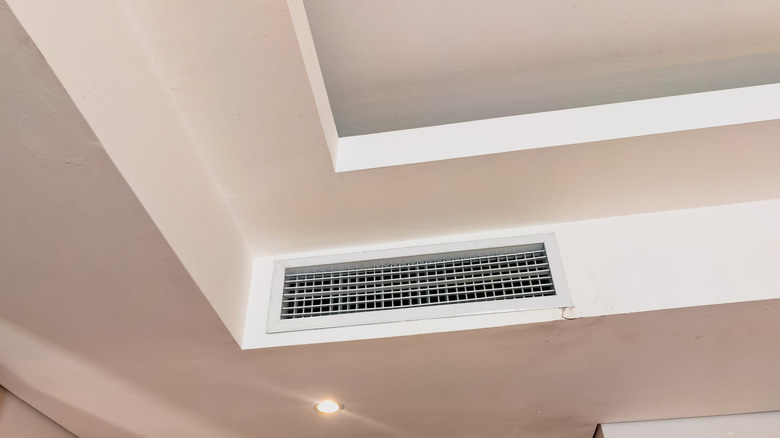
Cooling a home is an exercise in air management. If cool air is allowed to leak through gaps around window frames, doors, or uninsulated attic hatches, the air conditioner is essentially attempting to cool the neighborhood. Homeowners are encouraged to perform regular inspections of ductwork, where small leaks can account for significant energy losses. In instances where window units are used, replacing standard, flimsy accordion side panels with rigid, insulated material can make a measurable difference in maintaining a pressure-tight seal.
The Human Element: Smart Control and Overrides
Research conducted by the National Bureau of Economic Research (NBER) has highlighted a paradoxical trend: while smart thermostats are designed to maximize efficiency through sophisticated algorithms, human intervention often undermines these gains. When homeowners manually override programmed schedules, they frequently disrupt the system’s ability to optimize for local weather patterns and energy demand. Experts suggest allowing automated systems to handle load management, noting that the "3-minute rule"—a safety feature that prevents a compressor from restarting too quickly—exists for a reason. Frequent manual toggling can cause mechanical stress and result in energy consumption patterns that are less efficient than a set-it-and-forget-it approach.
Integrating Ceiling Fans
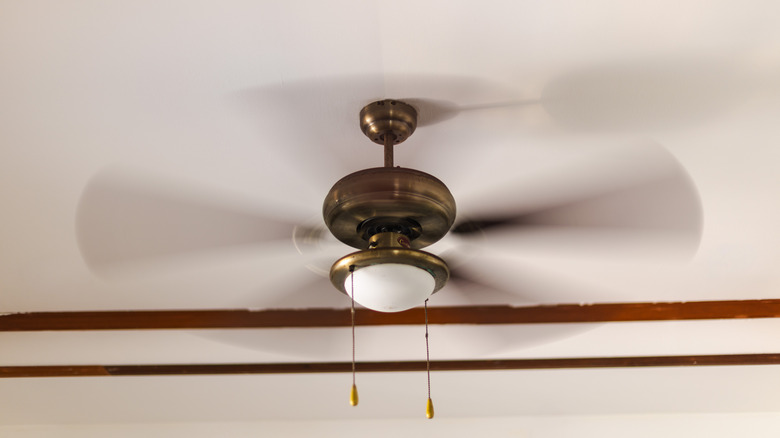
Ceiling fans offer a cost-effective way to enhance perceived comfort without relying solely on the compressor. By creating a wind-chill effect, fans allow residents to remain comfortable at a higher thermostat setting. However, it is essential to observe directional settings: fans should rotate counterclockwise during the summer to push air directly downward. It is equally important to remember that fans cool people, not rooms. Running a fan in an empty space provides no thermal benefit and wastes electricity, representing a common point of inefficiency in many households.
Insulation: The Hidden Efficiency Factor
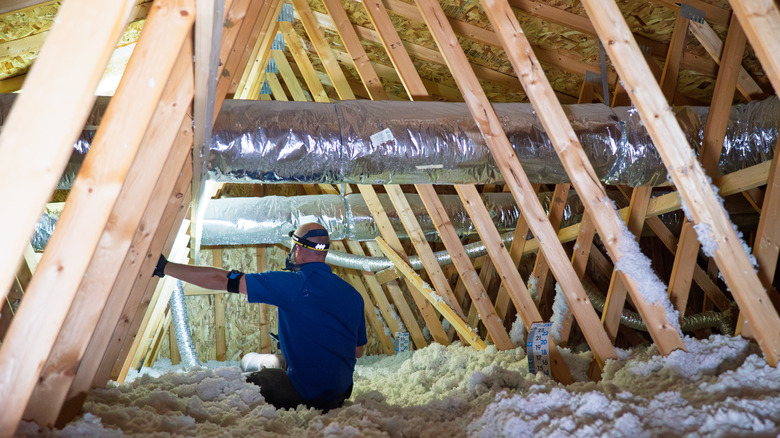
Finally, the efficacy of an HVAC system is fundamentally limited by the home’s insulation. Regardless of the efficiency of the cooling unit, heat transfer through walls, ceilings, and floors will negate the benefits of a high-performance AC if the home is poorly insulated. Utilizing R-value standards specific to regional climate zones ensures that the home acts as a thermos rather than a sieve. For those in older homes, investing in blown-in insulation or upgrading existing materials is often the most significant single action that can be taken to lower long-term cooling costs, creating a permanent efficiency gain that persists long after the air conditioner is turned off for the season.