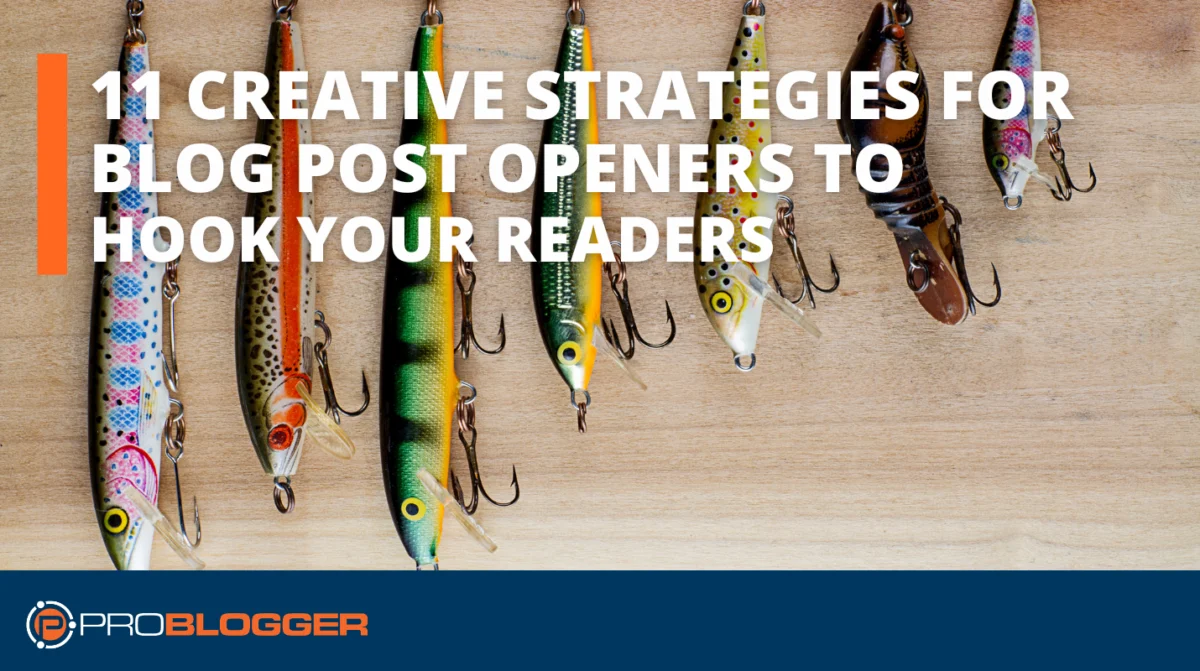
In the digital era, the battle for audience attention is won or lost in the span of a few seconds. Content creators face an increasingly saturated market where the average human attention span has reportedly dropped to approximately eight seconds, according to various consumer research studies. Consequently, the opening sentence of an article has transitioned from a simple introduction to a critical instrument of audience retention. If a headline serves as the invitation to a post, the opening line acts as the threshold; it must effectively convert a curious browser into an invested reader.
The mechanics of reader engagement are rooted in cognitive psychology. When a reader encounters a piece of content, their brain immediately performs a rapid cost-benefit analysis. They are subconsciously asking whether the time invested in reading will yield sufficient value, entertainment, or information. Writers who fail to provide an immediate "hook" often see high bounce rates—the percentage of visitors who navigate away from a site after viewing only one page. Industry data suggests that even a minor improvement in the quality of introductory prose can increase "time-on-page" metrics by as much as 40 percent.
The Anatomy of a Hook: A Historical Perspective
The evolution of the "hook" began long before the internet, originating in the world of print journalism and literary fiction. Editors in the early 20th century understood that a newspaper’s lead paragraph—the "lede"—was the primary determinant of whether a reader would purchase the paper. In the current digital landscape, this concept has been refined through A/B testing and algorithmic analysis. Modern data analytics platforms now allow publishers to track exactly where readers drop off, confirming that the first 50 words are the most decisive factor in determining whether a reader will scroll to the end of a long-form article.
11 Proven Strategies for Maximizing Reader Retention
To optimize engagement, professional writers employ specific rhetorical strategies designed to bridge the gap between the headline and the body content.
1. Identifying and Validating User Needs
A direct approach involves addressing the reader’s pain points immediately. By clearly defining the problem a reader is facing, the writer establishes empathy and authority. If the content promises a solution, the reader is incentivized to continue. This technique is particularly effective in technical writing or educational content, where the utility of the article is the primary draw.
2. The "Yes-Set" Questioning Technique
Copywriters frequently utilize the "yes-set" method, which involves posing a series of questions that force the reader to mentally agree with the author. By establishing a pattern of affirmation, the writer creates a psychological momentum that makes the reader more receptive to the subsequent information.
3. The Power of Intrigue and Curiosity
Human beings possess a natural desire to close "information gaps." When a writer poses an intriguing, non-obvious question, it triggers a state of curiosity that can only be resolved by reading further. This is a common tactic in investigative journalism, where the stakes are set high from the very first sentence.
4. The Strategic Use of Anecdotes
Personal narratives, even when brief, serve to humanize a brand or an author. A well-placed anecdote can break the monotony of a purely informational piece, providing a "pattern interrupt" that snaps the reader out of their passive consumption mode.
5. Leveraging Analogies for Complex Topics
Abstract concepts are often difficult for readers to digest. By using an analogy as an opening, a writer can translate complex technical or philosophical data into familiar, relatable terms. This creates a cognitive "anchor" that helps the reader process the more difficult information that follows.
6. The Impact of Bold Assertions
A definitive, contrarian, or bold claim can serve as a catalyst for engagement. By challenging conventional wisdom, a writer invites the reader to test the validity of the argument. However, this strategy carries a caveat: the author must be able to substantiate the claim with rigorous evidence, or risk losing credibility.
7. Utilizing Controversial Framing
While risky, addressing a controversial topic can generate significant interest. When handled with objectivity and journalistic integrity, highlighting a debate can encourage participation and discourse. It forces the reader to engage with the material to understand the nuances of the position being presented.
8. Vivid Imagery and Sensory Language
The brain processes visual and sensory imagery differently than abstract text. By forcing the reader to visualize a scenario, a writer creates a stronger emotional connection to the subject matter. This is particularly useful in persuasive writing, where emotional resonance is key to influencing the reader.
9. Statistical Data as a Foundation
Hard data is difficult to ignore. Starting with a startling or counter-intuitive statistic provides immediate evidence of the article’s importance. It establishes a factual baseline that anchors the rest of the narrative.
10. The Authority of Quotation
Integrating a quote from an expert or a historical figure lends immediate legitimacy to the content. A well-chosen quote can act as a frame, setting the tone for the discussion and aligning the article with established authority.
11. Visual Integration
In modern digital publishing, the "opening" is rarely just text. The inclusion of a high-quality, relevant image or infographic can serve as an effective lead-in. Data shows that articles with visual headers see higher social media engagement and click-through rates.
Chronology of Content Development
The process of crafting an effective opening is often the final stage of the editorial process. Experienced editors suggest that writers should draft their content first, identify the core value proposition, and then return to the opening. This ensures that the hook is not merely a rhetorical device, but a reflection of the actual content provided. The sequence—Headline, Opening Line, Body, Conclusion—forms the backbone of successful digital communication.
Analysis of Implications
The shift toward "hook-driven" writing has significant implications for media literacy. On one hand, it allows for more efficient communication, ensuring that users can quickly find the information they need. On the other hand, it places a heavy burden on writers to balance engagement with accuracy. The "clickbait" phenomenon is often a result of using these techniques to create hooks that the body of the article cannot fulfill.
Professional standards dictate that an opening line must be a promise that the rest of the article honors. Failure to do so results in a "trust deficit," where the reader feels manipulated, leading to long-term attrition in the audience base. Consequently, the most successful publications are those that use these 11 strategies to highlight, rather than disguise, the actual value of their reporting.
Conclusion and Future Outlook
As artificial intelligence and automated content generation become more prevalent, the ability to craft a truly engaging, human-centric opening remains a competitive advantage. Algorithms can optimize for keywords, but they often struggle to replicate the nuanced psychological triggers inherent in a well-told story or a perfectly framed question.
For the contemporary writer, the objective remains the same: identify the reader’s need, respect their time, and provide a compelling reason for them to move beyond the first paragraph. By mastering these diverse strategies, content creators can navigate the challenges of the modern digital landscape, ensuring that their work not only reaches an audience but retains their attention in an increasingly crowded media environment.