The Evolution of the USB-C Standard
The USB Type-C connector was first introduced by the USB Implementers Forum (USB-IF) in August 2014, with the objective of providing a reversible, high-speed, and high-power delivery solution that would eventually replace the myriad of legacy USB connectors. Over the last ten years, the standard has matured into a complex ecosystem. While the physical port is standardized, the underlying protocols—ranging from USB 2.0 speeds to USB4 80Gbps, and charging capabilities from 60W to 240W—have created a "specification gap."
This gap has resulted in significant consumer frustration. A user might possess a cable capable of 240W Power Delivery (PD) and 40Gbps data throughput, while another cable, visually indistinguishable, may be limited to 60W charging and USB 2.0 data speeds (480Mbps). Because the physical appearance of these cables is often identical—typically featuring the same white or black thermoplastic elastomer (TPE) or braided exterior—users have historically relied on trial-and-error to determine a cable’s utility, leading to inefficiencies and potential hardware compatibility issues.
![It took way too long for someone to make USB-C cables that say what they can actually do [Gallery]](https://9to5google.com/wp-content/uploads/sites/4/2026/09/ltt-truespec-cables-1.jpg?quality=82&strip=all&w=1600)
Chronology of the Specification Crisis
The lack of mandatory, user-facing labeling has been a persistent point of contention within the electronics industry:
- 2014: USB Type-C 1.0 specification released, promising "universal" connectivity.
- 2017–2019: Rapid adoption of USB-C in high-end laptops (e.g., MacBook Pro, Dell XPS) highlights the difference between charging cables and data-capable cables.
- 2021: The USB-IF announces updated guidelines for cable packaging to include clearer branding, yet implementation at the retail level remains inconsistent.
- 2024: The industry sees a surge in high-power gaming handhelds and professional equipment, making the need for accurate cable identification more critical than ever.
- 2025: LTTStore announces the TrueSpec line, focusing on transparent physical labeling on the cable connector housings.
Technical Analysis of the TrueSpec Approach
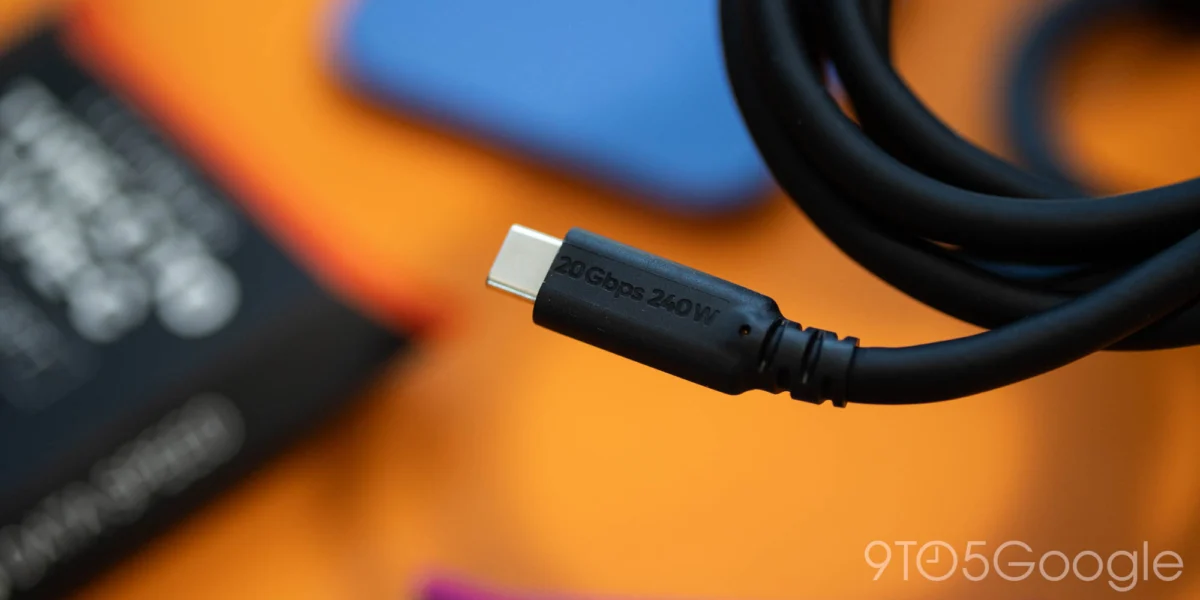
The TrueSpec cables distinguish themselves by etching the capability specifications onto the cable’s connector housing. From an engineering standpoint, this provides an immediate visual cue that bypasses the need for digital testing tools or software-based diagnostics.
The cables utilize a robust rubber sheathing, which contributes to their durability but also adds to their physical bulk. While this ensures longevity and resistance to internal wire fatigue, it presents a trade-off in portability. Current pricing structures, with USB-C to USB-C cables beginning at approximately $22 and USB-A to USB-C options at $17, position these products at a premium compared to generic third-party cables found on major e-commerce platforms.
![It took way too long for someone to make USB-C cables that say what they can actually do [Gallery]](https://9to5google.com/wp-content/uploads/sites/4/2026/09/ltt-truespec-cables-2.jpg?quality=82&strip=all&w=800)
The industry standard for such labeling is supported by existing USB-IF documentation. The USB-IF has long provided templates for logo usage and labeling, yet the adoption rate among manufacturers has been low due to the added costs associated with specialized molding and supply chain management. By standardizing these labels, TrueSpec aligns with the "Consumer-Centric Connectivity" movement, which advocates for greater transparency in tech peripherals.
Broader Industry Implications and Consumer Impact
The move toward clearly labeled cables has implications for both individual consumers and professional IT environments. In enterprise settings, the inability to identify cable specs often leads to "ghost" support tickets, where equipment is deemed faulty because the connected cable lacks the necessary bandwidth or power delivery capacity to support the device.
Furthermore, the environmental impact of the current "mystery cable" landscape is non-trivial. When users cannot identify the capabilities of a cable, they often discard functional units simply because they are unsure of their performance, contributing to the growing global e-waste crisis. Transparent labeling allows for better asset management and longer lifecycles for hardware peripherals.
![It took way too long for someone to make USB-C cables that say what they can actually do [Gallery]](https://9to5google.com/wp-content/uploads/sites/4/2026/09/ltt-screwdrivers.jpg?quality=82&strip=all)
While LTTStore’s initiative is a notable step, it remains a boutique solution to a systemic industry issue. For widespread change to occur, regulatory bodies or major retailers would need to mandate similar labeling standards for all USB-C products sold. As of late 2026, the industry is seeing a slow transition toward this level of transparency, largely driven by consumer demand for accountability in the accessories market.
Contextualizing the Ecosystem: Beyond Cables
The inclusion of tools such as the LTT Screwdriver and Precision Kit in the current discourse surrounding hardware maintenance highlights a broader trend: the "Right to Repair" movement. By providing high-quality tools for device maintenance—such as removing degraded batteries—manufacturers and content creators are encouraging users to extend the life of their devices.
This ecosystem-focused approach suggests that consumers are increasingly valuing longevity over disposability. The integration of high-spec, clearly labeled cables into this ecosystem serves as a logical extension of this philosophy. By removing the ambiguity of hardware peripherals, users can more effectively maintain their devices, reducing the need for constant upgrades or replacements caused by connectivity failures.
![It took way too long for someone to make USB-C cables that say what they can actually do [Gallery]](https://9to5google.com/wp-content/themes/ninetofive/dist/images/google-preferred-source-badge-dark.png)
Conclusion
The TrueSpec initiative serves as a practical, albeit premium, solution to a problem that has plagued the USB-C standard since its inception. By prioritizing the user experience through physical documentation on the hardware itself, it addresses the fundamental flaw of the "universal" connector. Whether this will lead to a broader industry shift remains to be seen, but the success of such initiatives often serves as a catalyst for larger manufacturers to reconsider their own design and labeling protocols. As the industry moves forward, the demand for transparency in technical specifications is likely to become a standard expectation rather than a niche feature, ultimately benefiting the consumer base by simplifying the increasingly complex landscape of modern digital connectivity.