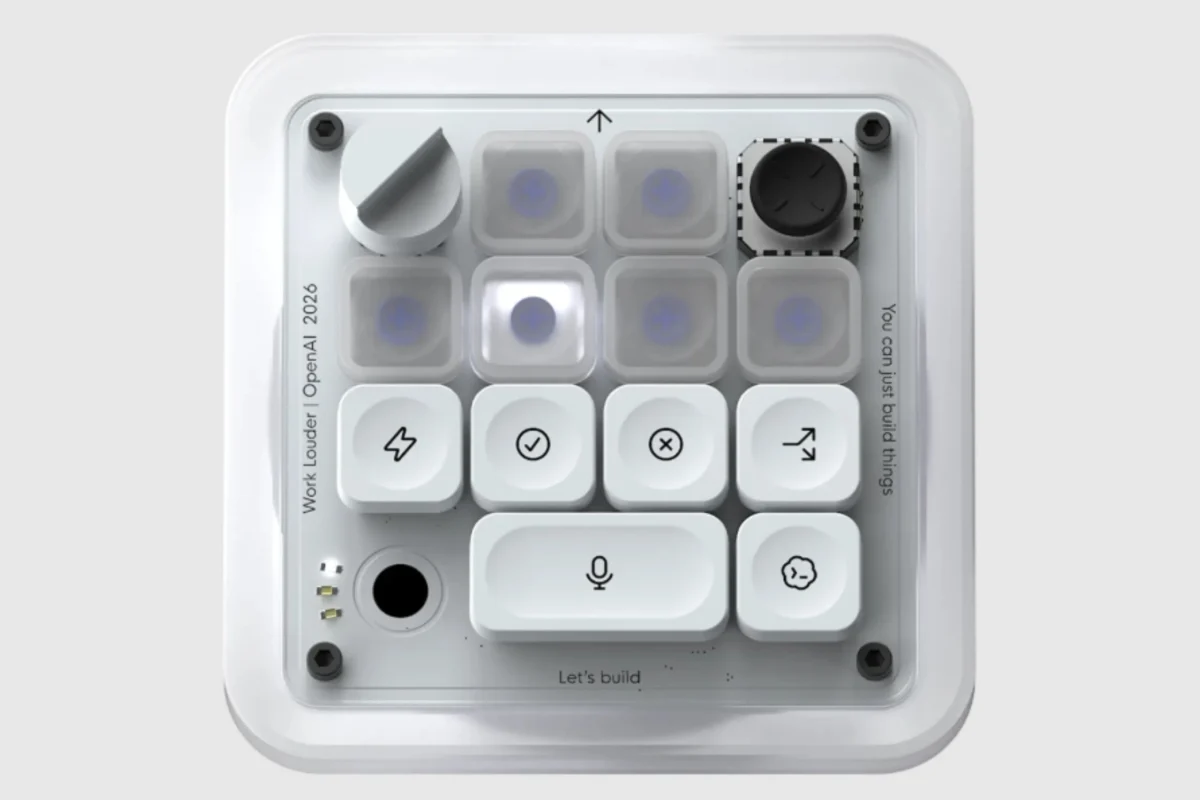
OpenAI, the artificial intelligence powerhouse known for its groundbreaking language models like ChatGPT, has ventured into the hardware arena with the launch of its first proprietary device: the "Micro" keypad. This compact, artisanal accessory, developed in collaboration with specialty keyboard designer Work Louder, is positioned as a novel tool to enhance user interaction with ChatGPT and its associated AI agents. However, the device’s debut has been overshadowed by significant legal challenges and a lukewarm reception from its intended target audience, raising questions about OpenAI’s broader hardware ambitions and the practical utility of such specialized peripherals in the current tech landscape.
The introduction of Micro comes at a tumultuous time for OpenAI. Just weeks prior to the keypad’s release, the company found itself embroiled in a high-profile lawsuit filed by tech giant Apple. Apple has accused OpenAI of alleged trade secret theft, a legal battle that is anticipated to be protracted and complex, potentially impacting the trajectory of OpenAI’s product development and strategic partnerships. Adding to the intrigue surrounding OpenAI’s hardware ventures, reports have emerged of another smart home product in development. This device, also designed to interface with ChatGPT, is reportedly being engineered by a team of former Apple engineers, a detail that has inevitably drawn further scrutiny and raised eyebrows within the industry, particularly given the ongoing legal dispute.
While these larger legal and developmental narratives unfold, Micro stands as OpenAI’s most tangible hardware offering to date. The device itself is a meticulously crafted keypad, featuring a premium build and aesthetic that appeals to tech enthusiasts and those who appreciate bespoke gadgets. It is designed with a clear intention: to provide a more tactile and efficient interface for users deeply immersed in the OpenAI ecosystem, particularly developers and power users of ChatGPT and its coding assistant, Codex.
A Closer Look at Micro: Design and Functionality
Upon receiving a test unit of the Micro keypad, initial impressions highlight its robust construction. The device possesses a satisfying heft, suggesting durability and a premium feel that could easily lend itself to alternative uses, such as a sophisticated paperweight, should its primary function not resonate with users. The packaging also merits attention, presenting a minimalist, immaculately white box with a clean, sleek aesthetic that bears a striking resemblance to Apple’s signature product presentation, a detail not lost on observers familiar with the tech industry’s design language.
The functional layout of the Micro keypad is centered around two key sets of buttons. At the top are six "agent" keys, which are frosted and customizable. These keys can be programmed to trigger specific tasks or commands within ChatGPT or its coding counterpart, Codex. Below these are six command keys, intended for direct control of these AI programs, such as initiating actions or navigating interfaces. Connectivity options for the Micro are versatile, allowing users to pair the device with their computer via either Bluetooth or a USB cable, offering flexibility based on user preference and system setup.
Enhanced Interaction with Voice and Customization
One of the most notable features of the Micro keypad is its dedicated voice dictation button. This integration aims to streamline the process of inputting commands and queries to ChatGPT. By simply holding down the dictation button and speaking, users can dictate their requests, which are then processed by the AI. A subsequent tap of the adjacent "send" button dispatches the dictated command, theoretically reducing the need for manual typing and offering a more fluid interaction.
Further customization of the Micro keypad is managed directly within the ChatGPT interface. A dedicated "Micro" tab within the application provides users with granular control over various aspects of the device. This includes adjusting the brightness of the key backlighting and, crucially, assigning specific commands, projects, or AI agent configurations to each of the programmable keys. This level of personalization is intended to allow users to tailor the keypad to their unique workflows and preferences, transforming it into a bespoke tool for their AI-assisted tasks.
Developer Reception and Market Scrutiny
Despite OpenAI’s evident investment in the design and functionality of Micro, the device has encountered significant skepticism, particularly from its presumed core audience: dedicated coders and AI enthusiasts. Reviews appearing on platforms like Reddit have largely been critical, with some users dismissing Micro as a novelty or even a "prank," questioning its legitimacy as a serious productivity tool. Concerns have been voiced that experienced developers will find little practical value in the device, preferring established keyboard and mouse workflows.
Independent reviews have echoed this sentiment, with some offering even harsher critiques. The $230 price tag has been a frequent point of contention, with reviewers arguing that it is difficult to justify when compared to more affordable DIY macro pads or readily available off-the-shelf alternatives. One particularly pointed review from the independent outlet Aftermath, titled "OpenAI’s expensive macropad feels engineered to piss me off specifically," encapsulates the frustration some users feel regarding the perceived value proposition of Micro. This critical reception suggests a significant disconnect between OpenAI’s vision for the device and the practical needs and expectations of its target demographic.

A Learning Curve and the Question of Utility
The initial setup and programming of the Micro keypad can present a learning curve for new users. Understanding how to map specific ChatGPT sessions or agentic tasks to individual keys requires time and experimentation. The device employs a color-coded LED system to indicate the status of AI agents: white for idle, blue for processing, green for task completion, and red for errors. Memorizing these indicators, along with the specific project assignments for each key, adds another layer of cognitive load for the user.
The fundamental question facing Micro, and indeed many specialized hardware peripherals for AI, is whether it offers a demonstrably superior user experience compared to conventional input methods. For users already proficient with their laptop’s keyboard and mouse, the effort required to learn, program, and operate a device like Micro may outweigh the perceived benefits of increased efficiency or convenience. The value proposition hinges on whether the dedicated hardware significantly enhances productivity or enjoyment in a way that standard interfaces cannot replicate.
The Power User’s Niche and Future Implications
Ultimately, the utility and appeal of the Micro keypad are likely to be heavily contingent on an individual’s level of engagement with ChatGPT. For users who do not frequently interact with AI tools on a day-to-day basis, Micro may indeed seem like an esoteric gadget. However, for the dedicated ChatGPT power user, especially those with the financial means and an appreciation for retro-inspired hardware with tactile, clicky buttons, Micro could represent a worthwhile investment. The ability to quickly toggle between different AI projects and streamline commands through custom keybinds and voice dictation can, for some, lead to a more efficient and engaging workflow, potentially even adding a touch of delight to their daily tasks.
The introduction of Micro, despite its current reception, signals OpenAI’s exploratory approach to integrating AI into physical interfaces. While the company navigates significant legal and developmental challenges, this foray into hardware suggests a long-term vision that extends beyond pure software. The success or failure of Micro will undoubtedly provide valuable insights into the market’s appetite for AI-centric peripherals and inform OpenAI’s future hardware strategies. Whether Micro becomes a niche triumph or a cautionary tale, it marks a significant step in OpenAI’s evolution as it seeks to bridge the gap between artificial intelligence and the physical world.
Broader Context and Industry Implications
The launch of Micro occurs against a backdrop of rapid innovation and intense competition in the AI sector. Companies are increasingly exploring ways to make AI more accessible and integrated into daily life, moving beyond the confines of web browsers and smartphone apps. OpenAI’s hardware initiative can be seen as part of this broader trend, attempting to carve out a unique space in the market by offering a dedicated physical interface for its AI services.
The legal disputes involving OpenAI, particularly the lawsuit from Apple, underscore the complex ethical and intellectual property considerations that accompany rapid AI advancement. The alleged trade secret theft accusations highlight the high stakes involved in developing and commercializing cutting-edge AI technologies, and the potential for friction between major industry players. The outcome of this legal battle could set precedents for future collaborations and IP protection within the AI landscape.
Furthermore, the development of a smart home device by former Apple engineers, while not directly tied to the Micro keypad’s functionality, points to a larger strategic play by OpenAI. It suggests an ambition to diversify its product offerings and create a more cohesive ecosystem of AI-powered devices and services. This move could position OpenAI as a more direct competitor to established tech giants in the consumer electronics market, further intensifying industry rivalries.
The lukewarm reception from the developer community for the Micro keypad also serves as a valuable data point. It indicates that while innovation in AI is highly valued, practical utility and demonstrable improvements in workflow efficiency remain paramount for adoption. The market for specialized hardware accessories is often discerning, and products must offer clear advantages over existing solutions to gain traction. The price point, coupled with the learning curve, appears to be a significant hurdle for Micro, suggesting that OpenAI may need to refine its strategy for future hardware releases, perhaps by focusing on broader consumer appeal or more clearly defined use cases with compelling ROI.
As OpenAI continues to push the boundaries of artificial intelligence, its hardware ventures, however nascent, represent a bold attempt to redefine human-computer interaction. The journey of Micro, from its artisanal design to its critical reception, offers a compelling case study in the challenges and opportunities that arise when a leading AI software company ventures into the tangible world of hardware. The coming months and years will reveal whether OpenAI can successfully navigate these complexities and establish itself as a significant player in the hardware market, complementing its already formidable presence in the software domain.