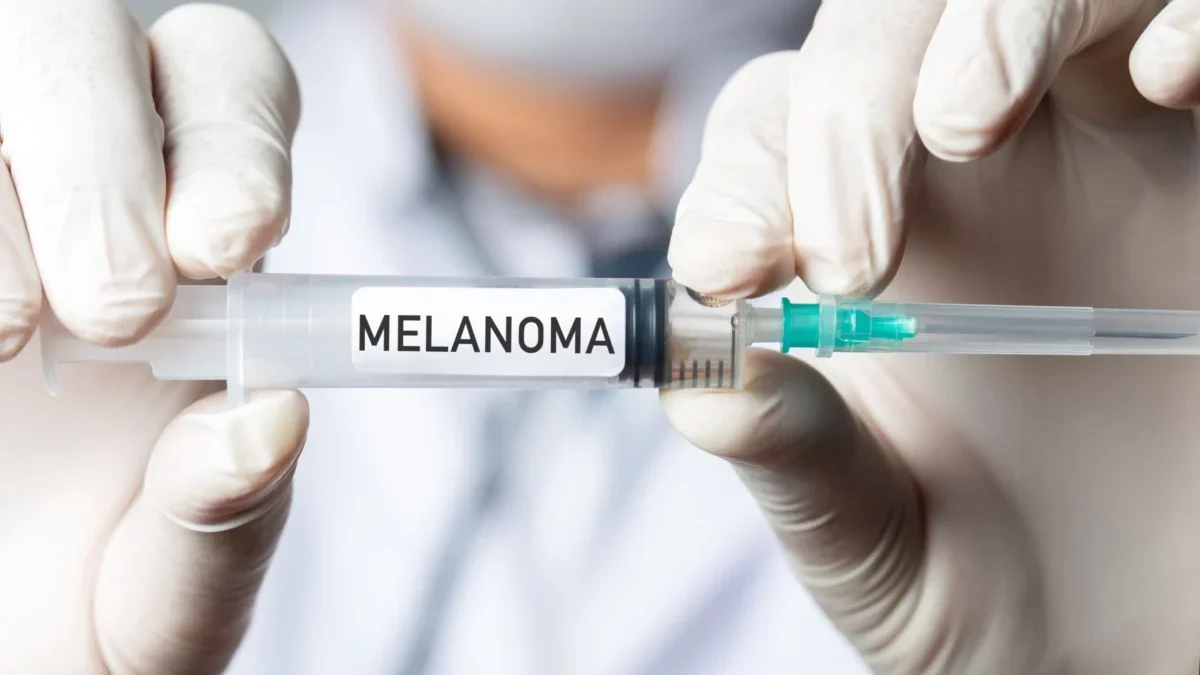
In a milestone development for oncology and personalized medicine, pharmaceutical giants Merck and Moderna have released the results of a landmark Phase 3 clinical trial evaluating an experimental mRNA-based cancer vaccine. Known as INTerpath-001, the study investigated the efficacy of the individualized vaccine, called Intismeran Autogene, when administered alongside the established immunotherapy drug Pembrolizumab. The combination therapy demonstrated a remarkable ability to reduce the risk of disease recurrence or death by 42 percent in high-risk melanoma patients, compared to those treated with immunotherapy alone.
Medical professionals and researchers across the globe have hailed the data as a paradigm shift in the management of one of the world’s most aggressive and lethal forms of skin cancer. As clinical trials continue to push the boundaries of modern biotechnology, the successful application of messenger RNA technology outside of infectious diseases points toward a transformative future for oncology.
Main Facts of the INTerpath-001 Clinical Trial
The Phase 3 clinical trial was designed to evaluate whether a customized therapeutic vaccine could train a patient’s immune system to recognize and destroy microscopic remnants of cancer following surgical resection. The trial enrolled 1,137 participants diagnosed with high-risk melanoma who had already undergone surgery to completely remove their primary tumors.
Patients were randomly assigned to one of two distinct treatment arms. The control group received standard-of-care monotherapy with Pembrolizumab, a checkpoint inhibitor designed to block proteins that prevent the immune system from attacking cancer cells. The experimental group received the exact same immunotherapy regimen administered in combination with the personalized mRNA vaccine, Intismeran Autogene.
After a median follow-up period of 24.6 months, the data revealed a striking divergence in patient outcomes. The combination of the mRNA vaccine and Pembrolizumab reduced the risk of recurrence or death by 42 percent compared to the immunotherapy-only cohort. Furthermore, the experimental treatment successfully reduced the risk of the cancer metastasizing—spreading to distant organs and other parts of the body—by 38 percent.
At the conclusion of the follow-up window, 82.2 percent of patients who received the combination therapy remained completely recurrence-free. By contrast, only 70 percent of patients in the control group achieved the same milestone. These metrics underscore the potent synergistic effect achieved when pairing a bespoke vaccine with traditional checkpoint inhibitors.
Chronology and Development of mRNA Cancer Vaccines
The path to the INTerpath-001 trial results represents decades of foundational research in immunology, genomic sequencing, and lipid nanoparticle delivery systems. While mRNA technology gained widespread public familiarity during the COVID-19 pandemic, scientists had spent the prior twenty years exploring its potential to instruct human cells to manufacture specific proteins capable of triggering targeted immune responses.
The development of a personalized cancer vaccine begins in the surgical suite. When a patient’s tumor is surgically excised, a sample of the cancerous tissue is sent to a specialized laboratory. Technicians sequence the tumor’s DNA and RNA, comparing it against the patient’s healthy tissue to identify unique genetic mutations known as neoantigens. These neoantigens produce abnormal proteins that do not exist in normal, healthy cells.
Using advanced bioinformatics and machine learning algorithms, scientists analyze the neoantigens to select up to three molecular signatures that are most likely to provoke a robust, specific immune response. Once these targets are identified, the genetic code for those neoantigens is synthesized into an mRNA molecule and encapsulated within proprietary lipid nanoparticles.
When injected into the patient, the lipid nanoparticles deliver the mRNA instructions to immune cells. The cells temporarily manufacture the tumor-specific proteins, effectively training the patient’s immune system to hunt down and destroy any lingering cancer cells bearing those exact molecular signatures.
Earlier clinical milestones laid the necessary groundwork for this Phase 3 success. Phase 1 and Phase 2 trials established the baseline safety profile of Intismeran Autogene, revealing that the vaccine was generally well-tolerated. Patients primarily experienced mild-to-moderate side effects typical of immune stimulation, such as temporary fever, fatigue, localized pain at the injection site, and chills. The Phase 3 trial reaffirmed this safety profile, demonstrating that combining the vaccine with Pembrolizumab did not introduce unexpected toxicity or severe adverse events.
Supporting Data and Expert Reactions
The implications of the INTerpath-001 findings extend far beyond the specific parameters of the melanoma trial. Medical experts have emphasized the unprecedented nature of achieving statistically significant survival advantages using a completely individualized therapeutic approach in a large-scale Phase 3 study.
Dr. Georgina Long, medical director of the Australian Melanoma Institute and the principal investigator of the study, described the results in an official statement as transformative. She noted that the data hold the potential to create a foundational shift in how clinicians approach earlier-stage melanoma, moving the field closer to true precision oncology.
Echoing these sentiments, Dr. Eva Muñoz Couselo, who leads a melanoma research group at the Vall d’Hebron Institute of Oncology in Barcelona and was not involved in the trial, highlighted the historic nature of the findings. Speaking to SMC Spain, she noted that for the first time, a Phase 3 trial has definitively demonstrated that an individualized therapeutic vaccine can significantly enhance the efficacy of conventional immunotherapy based on the unique molecular blueprint of a patient’s tumor.
Dr. Marisol Soengas, a leading melanoma researcher at Spain’s National Cancer Research Center, pointed out the broader conceptual breakthroughs demonstrated by the trial. By proving that the immune system can be effectively re-educated to recognize and attack tumor neoantigens, the methodology opens the door for similar interventions in other challenging oncology fields. Earlier this year, separate clinical investigations indicated that personalized mRNA vaccines could likewise improve survival outcomes in patients suffering from pancreatic ductal adenocarcinoma, widely regarded as one of the most treatment-resistant and deadliest forms of cancer.
Moderna CEO Stéphane Bancel emphasized that these outcomes validate the company’s long-term strategic vision for messenger RNA. In a statement released following the data disclosure, Bancel asserted that the findings reinforce the conviction that mRNA platforms possess the capacity to fundamentally transform the standard of care for oncology patients worldwide.
Broader Impact, Challenges, and Future Implications
Despite the immense optimism surrounding the INTerpath-001 trial, medical researchers and healthcare economists stress that significant hurdles remain before personalized mRNA vaccines become a routine, globally accessible medical intervention.
First and foremost, the therapy is not a prophylactic vaccine designed to prevent healthy individuals from developing melanoma in the first place. Instead, it functions strictly as a therapeutic adjuvant administered to patients who have already been diagnosed, surgically treated, and evaluated as high-risk for relapse.
Furthermore, the logistical and financial complexities of producing a bespoke pharmaceutical product for every individual patient present formidable challenges. Unlike mass-produced chemical compounds or standardized biologic drugs, every batch of Intismeran Autogene must be manufactured individually from scratch based on the unique genetic mutations of a single patient’s tumor.
As Dr. Soengas noted, the primary operational challenge moving forward will be scaling up this level of radical personalization so that it can be integrated seamlessly into complex healthcare systems while remaining economically viable. Ensuring equitable access, managing supply chain precision, and streamlining the turnaround time from tumor resection to vaccine delivery will be critical areas of focus for Merck, Moderna, and regulatory health authorities in the coming years.
Regulatory bodies, including the United States Food and Drug Administration (FDA) and the European Medicines Agency (EMA), will thoroughly review the complete dossier of Phase 3 data before granting commercial authorization. Until regulatory approval is secured, the therapy remains under active clinical investigation.
Melanoma remains a formidable global health challenge. While early detection yields high long-term survival rates, advanced and high-risk forms of the disease continue to claim more than 50,000 lives annually around the world. The success of the INTerpath-001 trial marks a crucial step forward in turning the tide against aggressive malignancies, offering tangible proof that the future of cancer therapy lies in harnessing the body’s own immune system, guided by the precision of personalized genetic medicine.